What‘s Interior Compartment of Rigid Box? Top Questions Answered
admin
Are you searching for packaging that combines premium presentation with unparalleled organization? Discover rigid boxes with interior compartments. This comprehensive guide answers all your pressing questions about this sophisticated packaging solution and reveals how it can elevate your product and brand.
1. Understanding Rigid Boxes with Interior Compartments: Organized Premium Packaging Defined
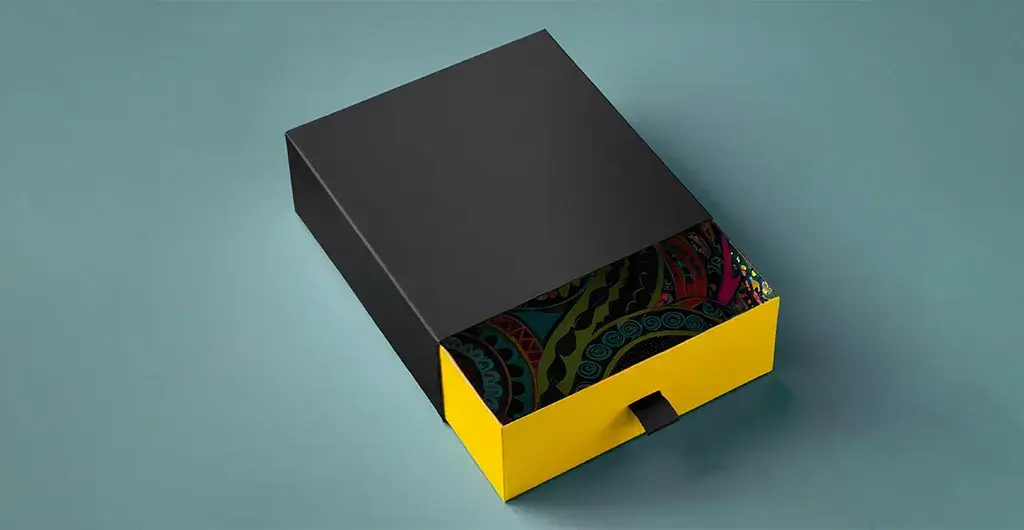
What exactly are rigid boxes with interior compartments? Imagine a standard rigid box, known for its premium feel and robust structure, then picture it enhanced with custom-designed sections inside. These sections, or interior compartments, are precisely crafted spaces within the box, designed to hold individual products or components in an organized and secure manner. Think of jewelry boxes with slots for rings and necklaces, or gift sets where each item has its dedicated space. That’s the essence of rigid boxes with interior compartments. They are not just containers; they are meticulously designed organizers within a premium packaging format.
The anatomy of interior compartments is key to their functionality. These compartments are created using various types of inserts or dividers placed inside the rigid box. These inserts are typically made from materials like cardboard, foam, molded pulp, or plastic, each offering different levels of protection, presentation, and sustainability. The design of the compartments can vary greatly, from simple dividers separating sections to complex, custom-molded inserts that perfectly cradle the shape of specific products. The choice of compartment type and material depends on the products being packaged, the desired level of protection, and the overall brand aesthetic.
Why choose rigid boxes with compartments over standard packaging styles? While standard boxes simply enclose products, rigid boxes with interior compartments offer a significant step up in organization and presentation. Compared to folding boxes or corrugated boxes without inserts, rigid boxes with compartments provide:
Enhanced Organization: Clearly defined spaces for each item eliminate clutter and create a neat, structured presentation.
Superior Protection: Compartments prevent items from shifting and colliding during transit, minimizing damage and breakage, especially for delicate products.
Premium Presentation: The organized and deliberate arrangement of products within compartments elevates the perceived value and luxury of the packaging and the contents.
Improved Unboxing Experience: Opening a box to find items beautifully arranged in individual compartments creates a more delightful and memorable unboxing experience for the customer.
In essence, rigid boxes with interior compartments transform standard packaging into a premium, organized, and protective solution, ideal for brands that prioritize presentation and product integrity.
2. The Undeniable Benefits: Why Interior Compartments Elevate Rigid Boxes
Why are interior compartments such a valuable addition to rigid boxes? The benefits are numerous and impactful, extending beyond mere aesthetics to encompass product protection, brand perception, and the overall customer experience. Let’s explore the undeniable advantages of this packaging enhancement.
Superior Product Organization and Presentation
One of the most immediate benefits of rigid boxes with interior compartments is superior product organization and presentation. Compartments create order out of potential chaos, transforming a box of disparate items into a cohesive and visually appealing arrangement. This is particularly crucial for products that are sold as sets or collections, or when multiple components need to be presented together in an elegant manner.
Imagine a cosmetics gift set. Without compartments, items might shift and jumble during shipping, looking messy and недорогой upon arrival. With interior compartments, each lipstick, brush, or compact has its designated place, creating a clean, orderly, and 고급스러운 presentation. This level of organization instantly elevates the perceived value of the product and makes it more appealing to customers. Well-organized packaging speaks volumes about brand quality and attention to detail.
Enhanced Product Protection and Damage Prevention
Beyond aesthetics, interior compartments offer enhanced product protection and damage prevention. By creating individual spaces for each item, compartments prevent products from rubbing against each other, colliding, or shifting during shipping and handling. This is particularly critical for fragile, delicate, or high-value items that are susceptible to scratches, breakage, or damage from movement.
Consider fragile items like glassware or delicate electronics accessories. Without compartments, these items would be vulnerable to damage during transit. Interior compartments, especially when made with cushioning materials like foam, provide a protective barrier around each item, absorbing shocks and vibrations and minimizing the risk of damage. This enhanced protection ensures that products arrive at their destination in pristine condition, reducing returns, replacements, and customer dissatisfaction. Research supports this, highlighting the role of interior packaging elements in product protection [Optimizing Packaging Design for Product Presentation and Protection: The Role of Interior Packaging Elements].
Boosting Perceived Value and Luxury Appeal
Rigid boxes are already associated with premium quality, but interior compartments take the perceived value and luxury appeal to an even higher level. The deliberate organization, meticulous presentation, and added functionality of compartments signal to the customer that the product is special, valuable, and worth the investment.
Think about luxury goods like high-end watches or premium chocolates. These products are often packaged in rigid boxes with interior compartments. The compartments not only protect the delicate items but also enhance the sense of 고급스러움 and exclusivity. The structured presentation within compartments suggests a higher level of care, craftsmanship, and attention to detail, boosting the perceived value of the product and the brand. Consumers often associate organized and elaborate packaging with premium quality, making rigid boxes with interior compartments a strategic choice for brands seeking to convey a luxury image. Studies have shown that value-added packaging features like internal structure positively influence consumer perception [Consumer Perception of Value-Added Packaging: The Impact of Customization and Internal Structure].
Creating a More Premium Unboxing Experience
In today’s experience-driven market, the unboxing experience is a critical touchpoint for brands. Rigid boxes with interior compartments significantly enhance the unboxing experience, transforming it from a simple act of opening a package into a moment of delight and discovery. The organized and visually appealing presentation within compartments creates anticipation and excitement, leaving a lasting positive impression on the customer.
When a customer opens a rigid box with interior compartments, they are greeted with a carefully curated and beautifully arranged collection of items, each in its designated space. This creates a sense of 고급스러움, exclusivity, and attention to detail that elevates the entire brand experience. The act of revealing each item from its individual compartment becomes a mini-celebration, enhancing customer satisfaction and brand loyalty. This premium unboxing experience is highly shareable on social media, generating organic buzz and positive word-of-mouth marketing for your brand.
3. Types of Interior Compartments: Choosing the Right Style for Your Products
Not all interior compartments are created equal. Different types of compartments offer varying levels of protection, presentation styles, and cost-effectiveness. Choosing the right type of compartment is crucial for optimizing your rigid box packaging for your specific products and brand objectives. Let’s explore some common types of interior compartments.
Die-Cut Cardboard Inserts: Versatile and Cost-Effective
Die-cut cardboard inserts are one of the most versatile and cost-effective options for creating interior compartments in rigid boxes. They are made from cardboard or paperboard that is precisely cut using a die-cutting process to create custom shapes and slots that form compartments within the box.
Advantages of die-cut cardboard inserts:
Cost-Effective: Cardboard is a relatively inexpensive material, making die-cut inserts a budget-friendly option for creating compartments.
Versatile Design: Die-cutting allows for highly customizable compartment shapes and configurations, suitable for a wide range of products.
Lightweight: Cardboard is lightweight, adding minimal weight to the overall packaging.
Recyclable: Cardboard is highly recyclable, aligning with sustainability goals.
Good Presentation: When well-designed, die-cut cardboard inserts can provide a clean and organized presentation.
Best uses for die-cut cardboard inserts:
Cosmetics and beauty products: Organizing makeup palettes, brushes, and skincare items.
Food and beverage gift sets: Separating bottles, jars, and food items in gift baskets.
Retail packaging: Organizing sets of clothing accessories, small homeware items, or promotional kits.
Custom Foam Inserts: Maximum Protection and 고급스러움
Custom foam inserts are the premium choice when maximum product protection and a luxurious presentation are paramount. These inserts are custom-molded or die-cut from various types of foam (like polyethylene foam, polyurethane foam, or EVA foam) to perfectly fit the shape of your products, providing cushioning and secure placement within the rigid box.
Advantages of custom foam inserts:
Maximum Protection: Foam provides excellent cushioning and shock absorption, offering superior protection for fragile and delicate items.
Luxurious Presentation: Foam inserts, especially when covered with fabric or flocking, exude a high-end, 고급스러운 feel, enhancing the perceived value of the product.
Precise Product Fit: Custom molding or die-cutting ensures a perfect fit for each product, preventing any movement or shifting within the compartment.
Variety of Foam Types: Different foam types offer varying levels of density, firmness, and cushioning, allowing for tailored protection based on product needs.
Best uses for custom foam inserts:
Luxury goods: Watches, jewelry, high-end accessories, and premium collectibles.
Electronics and high-value technology: Protecting delicate electronic devices, components, and accessories during shipping and retail display.
Fragile items: Glassware, ceramics, delicate instruments, and sensitive medical devices.
Molded Pulp Inserts: Eco-Friendly and Sustainable Options
Molded pulp inserts are an increasingly popular choice for brands seeking eco-friendly and sustainable interior compartments. Molded pulp is made from recycled paper fibers and is biodegradable and compostable. It can be molded into custom shapes to create compartments that cradle products securely.
Advantages of molded pulp inserts:
Eco-Friendly: Made from recycled paper and is biodegradable and compostable, offering a highly sustainable packaging option.
Sustainable Image: Using molded pulp communicates a strong commitment to environmental responsibility and appeals to eco-conscious consumers.
Good Protection: Molded pulp provides good cushioning and protection, especially for less fragile items.
Cost-Effective (compared to foam): Often more cost-effective than custom foam inserts, especially for large volumes.
Unique Texture: Molded pulp has a distinctive natural texture that can add to the organic or eco-friendly aesthetic of the packaging.
Best uses for molded pulp inserts:
Eco-conscious brands: Brands emphasizing sustainability and natural products across various categories.
Cosmetics and personal care: Packaging natural or organic skincare, haircare, and beauty products.
Food and beverage: Protecting and presenting organic or natural food items, gourmet foods, and beverages.
Subscription boxes: Creating sustainable and eco-friendly subscription box interiors.
Plastic and Thermoformed Trays: Durable and Water-Resistant
Plastic and thermoformed trays offer a durable and water-resistant option for creating interior compartments. These trays are typically made from various types of plastics (like PET, PVC, or RPET – Recycled PET) and are formed using thermoforming processes to create precise shapes and cavities for products.
Advantages of plastic and thermoformed trays:
Durable and Rigid: Plastic trays provide excellent structural support and are highly durable, protecting products from crushing and impact.
Water-Resistant: Plastic is inherently water-resistant, making these trays suitable for products that might be exposed to moisture or humidity.
Variety of Plastics: Different plastic types offer varying levels of rigidity, transparency, and recyclability (RPET is a recyclable option).
Precise Shapes: Thermoforming allows for creating highly detailed and precise compartment shapes to perfectly fit product contours.
Best uses for plastic and thermoformed trays:
Electronics and tech products: Organizing and protecting electronic components, accessories, and devices, especially those requiring moisture protection.
Tools and hardware: Packaging sets of tools, hardware components, or industrial parts in an organized and durable manner.
Food packaging (certain types): For some food items requiring rigid and water-resistant trays, although food-grade plastics must be used.
Cosmetics (sometimes): For specific cosmetic products where a sleek, modern, and water-resistant presentation is desired.
4. Materials Matter: Selecting the Best Packaging Materials for Compartments
The choice of packaging materials for interior compartments is just as important as the type of compartment itself. The material impacts not only the functionality and protection offered by the compartments but also the overall cost, sustainability, and brand perception of your rigid box packaging. Let’s examine common materials used for rigid box interior compartments.
Cardboard and Paperboard: Common and Recyclable Choices
Cardboard and paperboard are the most common and widely used materials for interior compartments, primarily due to their cost-effectiveness, versatility, and recyclability. These paper-based materials are easily die-cut and folded to create a wide range of compartment shapes and configurations.
Advantages of cardboard and paperboard for compartments:
Cost-Effective: Cardboard and paperboard are relatively inexpensive materials, making them budget-friendly for large-scale packaging production.
Versatile and Customizable: Easily die-cut and folded into various shapes and compartment designs.
Printable: Cardboard and paperboard surfaces can be printed with brand logos, colors, or graphics to further customize the interior presentation.
Lightweight: Adds minimal weight to the overall packaging.
Recyclable: Widely recyclable, contributing to sustainable packaging efforts.
Considerations when using cardboard/paperboard:
Limited Cushioning: Cardboard and paperboard offer limited cushioning compared to foam. They are best suited for products that are not extremely fragile or require heavy shock absorption.
Less Luxurious Feel (compared to foam/fabric): While printable and versatile, cardboard compartments might not convey the same level of perceived luxury as foam or fabric-lined compartments.
Best applications for cardboard/paperboard compartments:
Most general retail products: Where cost-effectiveness and recyclability are priorities, and product fragility is not extreme.
Food and beverage gift sets: Organizing items in gift boxes, hampers, and promotional sets.
Subscription boxes: Creating structured and organized interiors for subscription box contents.
Cosmetics (some types): Organizing makeup palettes, and less delicate beauty items.
Foam ( різних types): Protective and Cushioning
Foam, in its various forms, is the go-to material when superior product protection and cushioning are paramount for interior compartments. Different types of foam offer varying levels of density, firmness, and cushioning properties, allowing for tailored protection for different products.
Common types of foam used for compartments:
Polyethylene (PE) Foam: A dense, closed-cell foam known for its excellent cushioning, shock absorption, and water resistance. Often used for protecting electronics, delicate instruments, and sensitive equipment.
Polyurethane (PU) Foam: A softer, more flexible foam, available in various densities. Used for general cushioning, void fill, and protecting less fragile items. Can be more cost-effective than PE foam.
Ethylene-Vinyl Acetate (EVA) Foam: A closed-cell foam known for its rubber-like elasticity, good cushioning, and durability. Often used for high-end product presentation and protection, especially for luxury goods and sports equipment.
Advantages of foam compartments:
Superior Cushioning and Protection: Provides excellent shock absorption and protection against impacts, vibrations, and scratches.
Luxurious Feel: Foam inserts, especially when covered with fabric or flocking, convey a premium and 고급스러운 image.
Custom Moldable: Foam can be custom-molded to perfectly fit the shape of products, providing a snug and secure fit.
Considerations when using foam:
Higher Cost: Foam inserts are generally more expensive than cardboard or molded pulp inserts.
Less Recyclable (depending on type): Traditional foams like PE and PU are not easily recyclable in standard recycling streams. However, some recyclable and biodegradable foam options are emerging.
Electronics and technology: Smartphones, laptops, cameras, and delicate electronic components.
Fragile and high-value items: Glassware, ceramics, artwork, and sensitive instruments.
Molded Pulp: Sustainable and Biodegradable
Molded pulp is the champion of sustainability when it comes to compartment materials. Made from recycled paper fibers, it’s biodegradable, compostable, and offers a strong eco-friendly message for brands.
Advantages of molded pulp for compartments:
Highly Sustainable: Made from recycled paper, biodegradable, and compostable.
Eco-Friendly Image: Communicates a strong commitment to sustainability and environmental responsibility.
Good Cushioning (for certain applications): Provides adequate cushioning for less fragile items.
Cost-Effective (balance of cost and sustainability): Offers a good balance between cost and environmental benefits.
Unique Natural Texture: Has a distinctive natural texture that can enhance the organic or eco-friendly aesthetic of the packaging.
Considerations when using molded pulp:
Less 고급스러운 Feel (compared to foam/fabric): Molded pulp has a more rustic, natural appearance, which might not be suitable for all luxury brands seeking a highly polished look.
Limited Design Complexity: Molded pulp designs can be less intricate than die-cut cardboard or custom foam.
Best applications for molded pulp compartments:
Eco-conscious brands: Across various product categories, especially for brands emphasizing natural, organic, or sustainable products.
Natural and organic cosmetics: Packaging skincare, haircare, and beauty products with a natural focus.
Sustainable food packaging: For gourmet foods, organic snacks, and eco-friendly food gift sets.
Brands wanting to minimize environmental impact: Across various industries, to demonstrate sustainability and appeal to eco-conscious consumers.
Plastics ( різних types): Durability and Special Properties
Plastics, in various forms, offer durability and special properties like water resistance, making them suitable for specific types of interior compartments. Thermoformed plastic trays, in particular, can create precise and robust compartments.
Common types of plastics used for compartments:
PET (Polyethylene Terephthalate): A clear and recyclable plastic, often used for thermoformed trays. Offers good clarity and durability.
PVC (Polyvinyl Chloride): A rigid and durable plastic, often used for thermoformed trays. Less recyclable than PET and has environmental concerns.
RPET (Recycled PET): PET plastic made from recycled content, offering a more sustainable plastic option with good clarity and recyclability.
PS (Polystyrene): A rigid and cost-effective plastic, often used for trays. Not easily recyclable and environmentally problematic.
Advantages of plastic compartments:
Durability and Rigidity: Provides excellent structural support and protection, especially for heavier items.
Water Resistance: Plastic is inherently water-resistant, protecting products from moisture.
Transparency (for certain types like PET): Clear plastic trays can showcase products beautifully.
Precise Thermoforming: Thermoforming allows for creating highly detailed and precise compartment shapes.
Considerations when using plastics:
Environmental Concerns (for some types): Traditional plastics like PVC and PS have environmental concerns due to their limited recyclability and fossil fuel origin. Choose recyclable options like PET or RPET whenever possible.
Less Premium Feel (than foam/fabric): Plastic compartments might not convey the same level of luxury or 고급스러움 as foam or fabric-lined compartments, although clear PET can offer a sleek, modern look.
Best applications for plastic compartments:
Electronics and tech: Protecting electronic components, devices, and accessories, especially when moisture resistance is needed.
Tools and hardware: Organizing and protecting sets of tools, hardware, and industrial parts.
Cosmetics (certain types): For makeup palettes, compacts, or products where a sleek, modern, and water-resistant presentation is desired.
Products requiring durability and water resistance: Across various industries where these properties are prioritized.
By carefully considering the product being packaged, the desired level of protection and presentation, budget constraints, and sustainability goals, you can select the best packaging materials for creating effective and impactful rigid box interior compartments.
5. Industries Thriving with Rigid Boxes & Interior Compartments: Diverse Applications
The versatility and premium nature of rigid boxes with interior compartments make them a sought-after packaging solution across a wide range of industries. From luxury goods to everyday consumer products, these organized boxes enhance brand perception and product presentation. Let’s explore some key industries that are thriving with this sophisticated packaging style.
Luxury Goods and High-End Retail
The luxury goods and high-end retail industry is perhaps the most prominent adopter of rigid boxes with interior compartments. For brands selling luxury watches, fine jewelry, designer accessories, premium leather goods, and high-end collectibles, rigid boxes with compartments are almost synonymous with premium packaging.
In this sector, packaging is not just functional; it’s an integral part of the brand experience and a reflection of the product’s value and exclusivity. Rigid boxes with precisely crafted compartments made from 고급스러운 materials like velvet-lined foam or silk-covered cardboard are used to present these high-value items in a manner that befits their status. The organized presentation, enhanced protection, and 고급스러운 unboxing experience created by these boxes are essential for reinforcing the brand’s luxury positioning and justifying premium price points.
Cosmetics and Beauty Product Packaging
The cosmetics and beauty product industry heavily relies on rigid boxes with interior compartments to package gift sets, makeup palettes, skincare collections, and individual premium beauty items. Presentation is paramount in this visually driven industry, and rigid boxes with compartments excel at creating organized and appealing displays of beauty products.
Compartments in cosmetic packaging:
Organize multiple items: Gift sets containing lipsticks, eyeshadows, brushes, and skincare products are neatly organized and presented.
Protect delicate products: Compartments prevent fragile items like compacts and glass bottles from breaking during shipping and handling.
Enhance visual appeal: Structured compartments create a visually stunning display of colors, textures, and product forms, making the packaging more enticing on retail shelves and online.
Convey 고급스러움 and sophistication: Rigid boxes with well-designed compartments elevate the perceived value of cosmetics, aligning with the aspirational nature of beauty brands.
Electronics and Tech Accessories
The electronics and tech accessories industry is increasingly turning to rigid boxes with interior compartments, especially for premium headphones, smartwatches, high-end audio equipment, and bundled tech accessory sets. While functionality is key for electronics packaging, presentation is also becoming increasingly important, especially for brands targeting discerning consumers.
Benefits of rigid boxes with compartments for electronics:
Protection for delicate electronics: Compartments, especially foam inserts, provide crucial protection for sensitive electronic components from shocks, vibrations, and static electricity.
Organized presentation of accessories: Bundled accessory sets (like headphones with charging cables, ear tips, and carrying cases) are neatly organized and presented in compartments.
Enhanced unboxing experience for tech enthusiasts: A well-organized and premium unboxing experience adds to the overall appeal of high-tech gadgets and accessories.
Conveying innovation and quality: Sophisticated packaging with compartments reinforces the brand’s image of technological innovation and product quality.
Food and Beverage Gift Sets
Food and beverage gift sets are a natural fit for rigid boxes with interior compartments. Whether it’s gourmet food hampers, wine and cheese sets, artisanal chocolate collections, or premium tea assortments, rigid boxes with compartments provide the perfect structure for organizing and presenting these delectable gifts.
Advantages for food and beverage packaging:
Organized and attractive gift presentation: Compartments neatly arrange bottles, jars, food items, and accompanying accessories in an appealing gift format.
Protection for food items: Compartments prevent food items from shifting, crushing, or getting damaged during transport.
Enhanced perceived value of gift sets: Premium rigid boxes with organized compartments elevate the perceived value of food and beverage gifts, making them more impressive and desirable.
Customizable for various food types: Compartments can be designed to accommodate different shapes and sizes of food and beverage items, from bottles and jars to chocolates and pastries.
Subscription Boxes and Curated Collections
The booming subscription box and curated collection market relies heavily on rigid boxes with interior compartments to deliver a delightful and organized experience to subscribers. Whether it’s beauty boxes, lifestyle boxes, food subscription boxes, or curated gift boxes, rigid boxes with compartments are essential for creating a premium and structured unboxing experience for each delivery.
Why subscription boxes use rigid boxes with compartments:
Organized and visually appealing presentation of curated items: Compartments neatly showcase the variety of items included in each subscription box, creating a “reveal” effect.
Protection for diverse items: Subscription boxes often contain a mix of different product types (cosmetics, food, lifestyle items), and compartments provide tailored protection for each item.
Enhanced perceived value of the subscription: Premium rigid boxes with organized interiors elevate the perceived value of the subscription service, making it feel more special and worthwhile.
Reusable and collectible packaging: High-quality rigid boxes with compartments are often reusable and collectible, adding value to the subscription and reinforcing brand loyalty.
Beyond these key industries, rigid boxes with interior compartments are a versatile packaging solution suitable for every product that benefits from organized presentation, enhanced protection, and a premium brand image. From promotional kits and corporate gifts to retail products across various sectors, the applications are vast and continue to expand.
6. Customize Your Compartments: Design Options and Configurations
One of the greatest advantages of rigid boxes with interior compartments is the extensive customization options available. You are not limited to standard compartment designs; you have the freedom to tailor the compartments to perfectly match your products, brand aesthetic, and functional requirements. Let’s explore the design options and configurations you can customize.
Available in Various Shapes, Sizes, and Depths
Interior compartments are not restricted to simple square or rectangular shapes. They can be available in various shapes, sizes, and depths to accommodate products of different forms and dimensions. Customization options include:
Shape: Compartments can be round, овальный, triangular, polygonal, or any custom shape needed to fit the product contours precisely.
Size: Compartment dimensions (length, width, height) can be tailored to the exact size of each product, ensuring a snug and secure fit.
Depth: Compartment depth can be varied to accommodate products of different heights or to create tiered presentations within the box.
Angled or Slanted Compartments: For products that are best presented at an angle, compartments can be designed with slanted or angled bases.
Removable Compartments: Compartments can be designed to be removable, allowing for flexibility in product arrangement or for reuse of the box without compartments.
This level of shape, size, and depth customization ensures that your rigid boxes with interior compartments are perfectly tailored to your specific product dimensions and presentation needs.
Number of Compartments and Layout Flexibility
You have complete flexibility in determining the number of compartments and their overall layout within the rigid box. Customization options include:
Number of Compartments: From just a few compartments to dozens, the number can be tailored to the number of items in your set or collection.
Compartment Layout: Compartments can be arranged in rows, columns, grids, circular patterns, or any custom layout that best showcases your products and maximizes box space.
Mixed Compartment Sizes: You can have a combination of different sized compartments within the same box to accommodate products of varying dimensions.
Multi-Level Compartments: Compartments can be arranged in multiple levels or tiers within the box, creating a layered and visually dynamic presentation.
Symmetrical or Asymmetrical Layouts: Choose between symmetrical layouts for a classic and balanced look, or asymmetrical layouts for a more modern and dynamic design.
This flexibility in compartment number and layout allows you to create rigid boxes with interior compartments that are perfectly optimized for your specific product sets and desired visual presentation.
Adding Custom Linings and Fabrics for Enhanced 고급스러움
To further elevate the 고급스러움 and tactile appeal of your rigid box interior compartments, you can add custom linings and fabrics to the compartment surfaces. Customization options include:
Velvet or Velour Linings: Adding a soft velvet or velour lining to compartments creates a luxurious and plush feel, ideal for high-end jewelry, watches, and luxury goods.
Silk or Satin Fabrics: Silk or satin linings offer a smooth and elegant touch, enhancing the perceived value of premium cosmetics, apparel accessories, and delicate items.
Linen or Textured Fabrics: Linen or textured fabrics can add a more natural and understated 고급스러움, suitable for organic products, artisanal goods, or brands with a rustic aesthetic.
Flocking: Flocking is a process of applying fine fibers to a surface, creating a soft, velvety texture. Flocked compartment interiors add a tactile dimension and a premium feel.
Custom Printed Linings: Linings can be custom printed with brand logos, patterns, or subtle designs to further enhance branding and personalization.
Adding custom linings and fabrics to interior compartments is a detail that significantly elevates the perceived quality and luxury of your rigid box packaging, creating a more memorable and premium unboxing experience.
Integrating Brand Elements into Compartment Design
Even the interior compartments themselves can be used as a canvas for subtle brand integration. Customization options include:
Embossing or Debossing Logos: Brand logos or subtle patterns can be embossed or debossed directly into cardboard or molded pulp compartments, adding a touch of understated branding.
Color-Matching Compartment Materials: Choose compartment materials in your brand colors to create a cohesive brand aesthetic throughout the entire packaging, inside and out.
Die-Cutting Brand Shapes into Compartments: Small brand logos or brand-related shapes can be die-cut into compartment walls or bases, adding a subtle branded detail.
Printed Dividers with Brand Messaging: If using dividers between compartments, these dividers can be printed with subtle brand messaging, taglines, or website URLs.
Integrating brand elements into the compartment design, even subtly, reinforces brand recognition and creates a more cohesive and branded packaging experience for the customer, enhancing brand recall and loyalty.
7. Rigid Boxes with Interior Compartments Packaging for Wholesale and Bulk Orders
Are rigid boxes with interior compartments packaging only feasible for small-scale, boutique operations? Not at all! They are readily available for wholesale and bulk orders, making them a practical and scalable packaging solution for businesses of all sizes, from startups to large enterprises.
Scalability for Large Volume Wholesale Needs
Manufacturers like Foho Packaging are equipped to handle wholesale orders of rigid boxes with interior compartments in large volumes. Modern manufacturing facilities and efficient production processes enable the creation of thousands or even hundreds of thousands of custom rigid boxes with compartments, while maintaining consistent quality and precision. Whether you need packaging for a massive product launch or ongoing high-volume retail distribution, rigid box suppliers can scale production to meet your demands effectively.
Cost-Considerations for Bulk Orders of Custom Packaging
While rigid boxes with interior compartments are a premium packaging option, ordering in bulk wholesale quantities can significantly improve cost-effectiveness. Wholesale pricing reduces the per-unit cost of the boxes and compartments, making them more accessible for large-scale packaging needs. Efficient production runs, optimized material sourcing, and streamlined logistics contribute to cost savings for bulk orders. By planning your packaging needs in advance and ordering in larger volumes, you can leverage the benefits of rigid boxes with interior compartments without exceeding your budget.
Maintaining Quality and Consistency in Large Production Runs
Maintaining quality and consistency is paramount, especially for large wholesale orders. Reputable rigid box packaging manufacturers prioritize quality control throughout the entire production process, from material sourcing to compartment creation and box assembly. Rigorous quality checks are implemented at multiple stages to ensure that every rigid box with interior compartments meets the specified design, material, and quality standards. This commitment to quality and consistency ensures that your brand image is consistently represented across all your packaged products, regardless of order volume, and that the packaging performs reliably in protecting and presenting your products.
8. Rigid Boxes with Compartments vs. Other Inserts: A Quick Table Comparison
To better understand the specific advantages of rigid boxes with interior compartments, let’s compare them to other common types of packaging inserts and dividers in a quick table comparison:
This table comparison highlights the key distinctions. Rigid boxes with interior compartments offer the highest level of premium presentation, organization, and customization, but come at a moderate to higher cost.
Compartments vs. simple dividers in boxes: Simple dividers offer basic separation within a box, but lack the custom-fitted precision and premium presentation of dedicated compartments. Dividers are more cost-effective for basic organization, while compartments are for enhanced presentation and protection.
Compartments vs. blister packs: Blister packs are primarily designed for single-item retail display and tamper-evidence, offering good product visibility but lower perceived value and less sophisticated presentation compared to rigid boxes with interior compartments.
When are rigid boxes with interior compartments the best packaging choice? They are the best packaging choice when your priorities are:
Premium Brand Image: Conveying luxury, sophistication, and high quality.
Organized and Elegant Product Presentation: Showcasing multiple items in a structured and visually appealing manner.
Superior Product Protection: Ensuring delicate or high-value items are securely protected during shipping and handling.
Enhanced Unboxing Experience: Creating a memorable and delightful experience for the customer.
Customization and Brand Differentiation: Tailoring the packaging to perfectly match your brand and product aesthetics.
If these factors are paramount for your brand and product, then rigid boxes with interior compartments are the ideal packaging solution to elevate your offerings and captivate your target audience.
9. How to Start Designing Your Custom Rigid Boxes with Interior Compartments
Ready to start designing your own custom rigid boxes with interior compartments? The process is streamlined and accessible, especially when partnering with an experienced packaging provider like Foho Packaging. Let’s outline the key steps to bring your vision to life.
Key Considerations in the Design Process
Before diving into the specifics of compartment design, consider these key factors:
Product Dimensions and Shapes: Accurately measure your products and their shapes to determine the required compartment sizes and configurations.
Number of Items per Box: Decide how many items will be packaged in each rigid box to determine the number of compartments needed.
Level of Protection Required: Assess the fragility of your products to choose appropriate compartment materials and cushioning levels.
Desired Presentation Style: Determine the desired aesthetic for your packaging – luxurious, minimalist, eco-friendly, etc. – to guide material and design choices.
Budget: Establish a budget for your rigid box packaging project, considering that custom compartments will add to the overall cost.
Sustainability Goals: If sustainability is a priority, explore recyclable and eco-friendly compartment materials like cardboard or molded pulp.
Brand Guidelines: Ensure your rigid box design, including compartments, aligns with your overall brand identity and visual guidelines.
Working with Foho Packaging: Your Packaging Solution Partner
Partnering with Foho Packaging simplifies the entire design and production process. We offer comprehensive support and expertise to guide you through every step:
Design Consultation: Our experienced packaging specialists will consult with you to understand your product requirements, budget, and design preferences.
Structural Design Assistance: Our structural engineers will help you design the optimal rigid box structure and compartment configurations based on your product dimensions and protection needs.
Material Selection Guidance: We will advise you on the best packaging materials for your compartments (cardboard, foam, molded pulp, plastic), considering your budget, sustainability goals, and desired presentation style.
Graphic Design Integration: Our in-house graphic designers can create stunning artwork for your rigid boxes, seamlessly integrating your brand elements and enhancing the overall visual appeal.
Prototyping and Sampling: We can create prototypes and samples of your custom rigid boxes with interior compartments for your approval and testing.
Efficient Production and Delivery: We manage the entire production process, ensuring high-quality manufacturing and timely delivery of your finished packaging.
From Idea to Implementation: Bringing Your Compartment Vision to Life
Bringing your rigid box with interior compartments vision to life is a collaborative journey. Here are the typical steps:
Initial Consultation with Foho Packaging: Discuss your product, packaging needs, and vision with our team.
Design Brief and Conceptualization: Develop a detailed design brief outlining your requirements and collaborate on initial compartment and box concepts.
Structural and Graphic Design Development: Our engineers and designers create detailed structural designs and graphic artwork for your rigid boxes with interior compartments.
Material Selection and Prototyping: Choose compartment and box materials and review physical prototypes for testing and approval.
Final Design Approval and Quotation: Finalize the design, approve the prototype, and receive a detailed production quote.
Mass Production and Quality Control: We manufacture your rigid boxes with interior compartments with rigorous quality control measures.
Delivery and Fulfillment: Your finished packaging is delivered to your desired location, ready to elevate your product presentation.
10. Frequently Asked Questions About Rigid Boxes with Interior Compartments
Still have questions about rigid boxes with interior compartments? Let’s address some frequently asked questions to provide clarity and further guidance.
What are common materials for rigid box interior compartments? Common materials include cardboard and paperboard (cost-effective, versatile, recyclable), foam (superior protection, 고급스러움), molded pulp (eco-friendly, sustainable), and plastics (durable, water-resistant). The best material depends on your product needs and budget.
Can rigid boxes with interior compartments be recyclable?Yes!Recyclable rigid boxes with interior compartments are definitely achievable. Choosing recyclable packaging materials like cardboard and paperboard for both the box and compartments, and opting for recyclable foam alternatives or molded pulp inserts, makes your packaging more sustainable. Discuss recyclable material options with Foho Packaging.
What is the typical cost for custom rigid boxes with compartments? The cost varies depending on box size, quantity, materials used for both the box and compartments, compartment complexity, printing and finishing options, and order volume. Custom rigid boxes with compartments are generally more expensive than standard boxes due to the added design and manufacturing complexity of the interiors. However, wholesale orders and value engineering can help optimize costs. Request a quote from Foho Packaging for accurate pricing based on your specific needs.
How do I request a quote from Foho Packaging? To request a quote from Foho Packaging for rigid boxes with interior compartments, visit our website and find the “Contact Us” or “Request a Quote” section. Fill out the online form with details about your product, desired box size, quantity, compartment requirements, and any customization preferences. You can also contact us directly by phone or email. Providing detailed information will help us provide you with a tailored and accurate quote.
In Summary: Key Takeaways About Rigid Boxes with Interior Compartments
Organized Premium Packaging: Rigid boxes with interior compartments offer a sophisticated and organized packaging solution.
Enhanced Presentation & Protection: Compartments elevate product presentation, provide superior protection, and enhance perceived value.
Versatile Compartment Types: Choose from cardboard, foam, molded pulp, or plastic compartments based on your needs and budget.
Customizable Designs: Compartments can be fully customized in shape, size, layout, materials, and linings.
Wide Industry Applications: Ideal for luxury goods, cosmetics, electronics, food gifts, subscription boxes, and more.
Scalable for Wholesale: Available for large volume orders with cost-effective wholesale pricing.
Foho Packaging Expertise: Foho Packaging is your partner for designing and sourcing best custom rigid boxes with interior compartments, offering expertise, quality, and comprehensive support.