Zibo City, Shandong Province

Have Any Questions?

10 AM – 6 PM
Zibo City, Shandong Province
Have Any Questions?
10 AM – 6 PM

Have Any Questions?
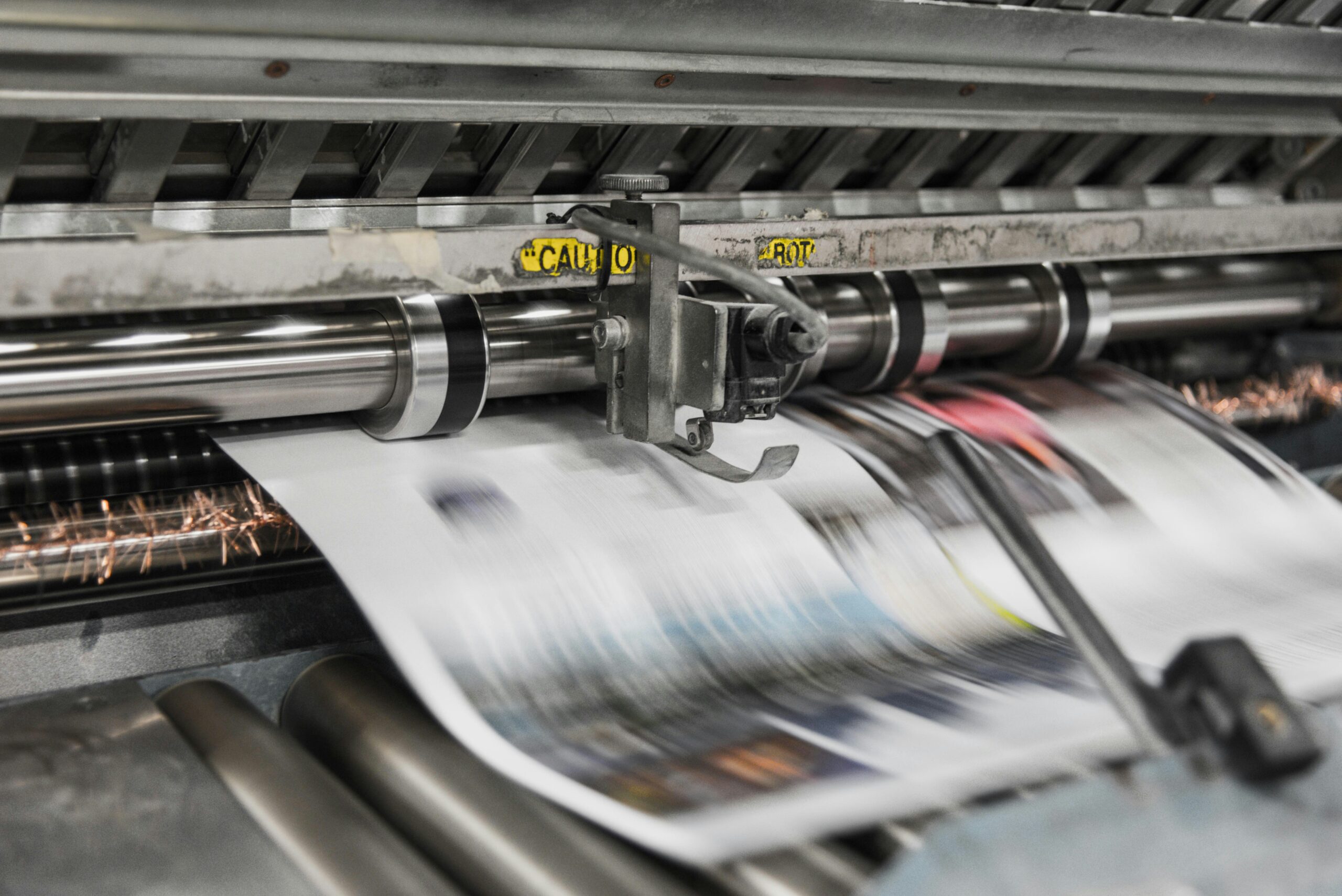

Have you ever received a package in a crushed or torn box? It’s frustrating! The strength of the paper used to make packaging like kraft boxes or shipping boxes is super important. But what actually makes paper strong enough to protect your products? It’s something called tensile strength. This guide explains simply what tensile strength is, why it matters so much for your boxes, and how the tiny fibers inside the paper stick together (bonding) to create that strength. Understanding this helps you choose better packaging materials and appreciate why quality matters for your brand. It’s worth reading because knowing what makes a box strong helps you ensure your products arrive safely and look great.

Let’s start with the most important idea: paper tensile strength. Don’t worry, it sounds technical, but the idea is simple. We will break it down so it’s easy to understand.
Think about holding a strip of paper between your hands and pulling it. Eventually, if you pull hard enough, the paper will rip or break. Tensile strength is simply a measure of how much pulling force that strip of paper can handle before it breaks apart.
Imagine you have two different strips of paper.
That’s the basic idea! It’s all about resistance to being pulled apart. Paper used for making sturdy packaging boxes needs to have good tensile strength so it doesn’t tear easily when being handled, filled, or shipped.
Okay, so paper can resist pulling. Why is this specific strength so important for your packaging? Think about what happens to a box:
If the paper used to make the box has low tensile strength, it’s more likely to tear or burst under these everyday stresses. This can lead to:
Therefore, having paper with good tensile strength is fundamental for creating reliable shipping boxes, sturdy folding cartons, or dependable kraft paper bags. It ensures the packaging can do its job – protect the contents from the factory all the way to the customer.
How do paper manufacturers know exactly how strong a paper is? They don’t just guess! They use special machines to measure tensile strength accurately.
The basic idea is this:
This maximum force is recorded as the tensile strength. It’s usually measured in units that tell you the force per width of the paper strip (like Newtons per meter, N/m, or pounds per inch, lb/in). This testing ensures that the paper meets specific quality standards required for different uses, including demanding packaging applications. Reliable testing means you can trust the strength rating of the packaging materials you choose.
We just learned about tensile strength – the force needed to break paper. But sometimes, just knowing that force isn’t enough, especially when comparing different types of paper. That’s where something called the Tensile Index comes in handy. Let’s make this simple too.
Imagine you have two types of paper:
Naturally, you might expect the thicker paper (Paper B) to be stronger when you pull it – it takes more force to break. But is it really stronger relative to its weight? Maybe the thin paper (Paper A) is actually made better and is stronger for its weight.
The Tensile Index helps us figure this out. It’s calculated by taking the tensile strength (the breaking force) and dividing it by the paper’s weight (specifically, its grammage or basis weight – how heavy a standard area of the paper is).
Tensile Index = Tensile Strength / Paper Weight (Grammage)
Think of it like “strength per unit of weight.” A higher Tensile Index means the paper is stronger for its weight.
Measuring the Tensile Index is important for several reasons:
So, while basic tensile strength tells you the breaking force, the Tensile Index gives you a deeper understanding of the paper’s structural quality and efficiency. It helps papermakers and packaging designers make smarter choices about materials.
For packaging like custom boxes or mailers, the Tensile Index is really useful. If Foho Packaging can use a paper with a higher Tensile Index, it means we might be able to:
Understanding this measure helps us select the best packaging materials that provide the necessary strength in the most effective way for every product. It’s about achieving the right performance smartly.
Okay, we know paper has tensile strength, and we know why it’s important for boxes. But what actually creates this strength inside the paper? It comes down to three main things. Think of them as the big secrets behind strong paper.
Paper is made from tiny wood fibers (called cellulose fibers). These fibers come from trees. The first secret is the strength of these individual, tiny fibers.
How strong are they? Amazingly strong! A single wood fiber, for its tiny size and weight, can be incredibly tough. Some scientists say that, weight for weight, a cellulose fiber can be stronger than steel!
So, the basic building blocks of paper are already very strong. This individual fiber strength sets the maximum possible strength the paper could ever have. If the fibers themselves were weak, the paper could never be strong. But usually, the fibers are much, much stronger than the final paper sheet. Why? That leads us to the next secrets.
When paper is made, these tiny fibers mix with water and then get laid down on a screen to form a sheet. They don’t line up perfectly; they form a random, tangled web, like a messy pile of microscopic spaghetti. This messy web is the 3D fiber network.
How this network is structured affects the paper’s strength.
Because fibers tend to line up a bit, paper usually has different tensile strength depending on which way you pull it:
Think about tearing a newspaper page – it often tears much more easily and straighter in one direction (usually MD) than the other (CD). This difference is important when designing boxes, as you want the stronger direction aligned where the most stress will occur.
This is the biggest secret and the most critical factor for paper strength in most cases. Remember how strong the individual fibers are? The paper usually breaks long before the fibers themselves snap. Why? Because the connections between the fibers break first.
These connections are called fiber bonds. Imagine the tangled web of fibers. Wherever two wet fibers touch and press against each other as the paper dries, they form tiny bonds that hold them together. These bonds are mostly created by something called hydrogen bonds – a type of weak electrical attraction between molecules on the fiber surfaces. Think of it like millions of microscopic Velcro hooks sticking the fibers to each other.
The stronger and more numerous these fiber bonds are, the higher the paper’s tensile strength will be. If the bonds are weak or there aren’t many of them, the fibers will just pull apart easily when the paper is stretched, even if the fibers themselves are strong.
Therefore, much of the science of making strong paper focuses on maximizing the number and strength of these fiber-to-fiber bonds. Understanding this bonding is key to understanding paper strength.
We know that the bonds between fibers are super important for paper strength. But the properties of the fibers themselves also play a huge role in how well they can bond. Let’s look at the main fiber characteristics: length, width, and coarseness (thickness).
Imagine trying to build a strong web with very short pieces of string versus long pieces of string. The longer pieces can overlap more and connect in more places, making the whole web stronger. It’s similar with paper fibers!
Short fibers (like those from hardwood trees such as birch or eucalyptus) can’t overlap as much. While they can make paper smooth, they generally result in lower tensile strength compared to long fibers, all else being equal. This relationship between fiber length and strength is a fundamental concept confirmed by papermaking research, such as the study Fibre properties as control variables in papermaking? by Retulainen, which highlights length as a key factor.
Fiber width also matters, though perhaps less dramatically than length. Think of fibers flattening out like ribbons when paper is made.
So, long and wide fibers generally offer the best potential for creating a strong network with lots of bonding area, contributing positively to tensile strength.
Fiber coarseness basically refers to how thick or heavy a fiber is for its length. It’s often measured as weight per unit length (e.g., milligrams per meter, mg/m).
Lower coarseness (thinner fibers) generally leads to higher tensile strength because:
Papermakers carefully consider fiber length, width, and coarseness when selecting pulp (the raw fiber material) to achieve the desired strength for products like strong kraft paper for bags or durable liners for corrugated boxes.
Many papers, including those for packaging, are made from a blend of softwood and hardwood pulps to balance strength with other properties like printability and cost.
We’ve established that the connections, or bonds, between fibers are usually the most important factor for paper tensile strength. Let’s simplify how this “glue” works without getting too scientific.
Imagine the surface of each tiny wood fiber. It’s made of cellulose molecules. When these surfaces come close together in the presence of water during papermaking, and then the water is removed by drying, special forces cause the fibers to stick.
The main force at play is called hydrogen bonding. It’s a type of weak electrical attraction, like tiny magnets, that forms between hydrogen atoms on one cellulose molecule and oxygen atoms on a nearby molecule from another fiber.
Think of it like this: each fiber surface has millions of tiny potential “sticky spots” (places where hydrogen bonds can form). When two fibers are pressed together and dried, many of these spots link up, creating a bond between them. It’s not a chemical glue like PVA, but rather millions of these tiny attractions acting together, much like how Velcro works with its tiny hooks and loops. The more hooks and loops engaged, the harder it is to pull apart. Similarly, the more hydrogen bonds formed between fibers, the stronger the paper.
So, we need lots of these hydrogen bonds. How do we get them? We need the fibers to actually touch each other over a large area. The amount of surface area that is actually connected between fibers, compared to the total surface area of all the fibers, is called the Relative Bond Area (RBA).
What influences RBA?
Increasing the RBA is a major goal when papermakers want to increase tensile strength.
Besides how much area is bonded (RBA), the strength of each individual bond also matters. This is called the Specific Bond Strength (SBS) – basically, how strong the “glue” is per unit of contact area.
Imagine using weak Velcro versus strong Velcro. Even if the contact area (RBA) is the same, the strong Velcro (higher SBS) will hold better.
What influences SBS?
So, to get maximum tensile strength, papermakers aim for both:
Understanding both RBA and SBS helps explain why different papermaking techniques and additives can significantly boost the final strength of packaging materials. Research exploring the role of hydrogen bonds emphasizes their fundamental contribution to the mechanical properties, underpinning the importance of SBS.
Knowing that fiber bonding is key to tensile strength, papermakers have several clever techniques to encourage fibers to stick together better. These methods are used every day to make strong paper for everything from books to sturdy shipping boxes.
One of the most important steps is called beating or refining. Before the fibers are formed into a sheet, they are passed through a machine that mechanically treats them. This machine doesn’t cut the fibers (papermakers want to keep the fiber length!), but it does several important things:
Proper beating/refining is crucial for developing tensile strength. Too little refining, and the fibers won’t bond well. Too much refining can damage the fibers or make the paper drain water too slowly on the machine, but getting it right significantly boosts strength. This process is fundamental, as discussed in resources about the Fundamentals of Fibre Refining, which explain its impact on fiber structure and bonding potential.
After the wet web of fibers is formed, it goes through a pressing section on the paper machine. Here, large, heavy rollers squeeze out a lot of the water. This wet pressing does more than just remove water; it also pushes the fibers much closer together.
The harder the press squeezes (within limits), the denser the sheet becomes, the higher the RBA, and generally, the higher the tensile strength. This step is vital for consolidating the fiber network and maximizing the bonding potential created during refining.
Papermakers can also add special chemicals to help fibers bond better. The most common one is starch. You might know starch from corn or potatoes – it’s a natural polymer.
When small amounts of modified starch are added to the fiber slurry (often at the “wet end” of the paper machine) or sprayed onto the paper surface (at a “size press”):
Adding starch is a very common and cost-effective way to boost tensile strength and other strength properties like stiffness, without having to refine the fibers excessively (which can sometimes hurt other properties). It’s a key ingredient in making many grades of packaging paper and board strong enough for their intended use. Many reliable packaging styles depend on paper treated with starch for adequate strength.
By combining careful fiber selection, controlled refining, effective wet pressing, and the smart use of additives like starch, papermakers can engineer paper with the precise tensile strength needed for demanding applications, including all types of packaging boxes.
We mentioned earlier that individual wood fibers are incredibly strong. So, a common question is: if the fibers are so strong, isn’t that the main thing that makes paper strong? Let’s revisit this.
Yes, the intrinsic strength of the individual fibers is important. It sets the absolute upper limit on how strong the paper could possibly be. If you used fibers made of wet spaghetti, no amount of bonding would make the paper strong. Because we start with very strong cellulose fibers, we have the potential to make strong paper.
Think of it like building a chain. The strength of the metal the links are made from is crucial (fiber strength). If the metal itself is weak, the chain will never be strong.
However, in most types of paper we use every day, including typical packaging materials, the paper will tear or break before the individual fibers actually snap. The failure happens at the connections between the fibers.
Going back to the chain analogy: even if the metal links are incredibly strong, if the welds connecting the links are weak, the chain will break at the welds when pulled, not through the solid metal.
In paper, the fiber bonds (the hydrogen bonds, the “Velcro”) are almost always weaker than the fibers themselves. When you pull the paper strip in the tensile test, you are mostly testing the collective strength of all those bonds holding the network together. The fibers pull apart from each other where the bonds break.
Therefore, for most practical purposes, improving fiber bonding (increasing RBA and/or SBS) has a much bigger impact on increasing paper tensile strength than trying to make the already-strong fibers even stronger.
Are there cases where fiber strength becomes the limiting factor? Yes, potentially in extremely dense, highly bonded papers. If you refine the fibers heavily, press the sheet incredibly hard, and maximize the bonding to an extreme degree, you might create a paper where the bonds are so strong and numerous that when you pull it, some of the actual fibers do start to break before the bonds give way.
This might happen in some very specialized papers (like vulcanized fibre or certain high-density electrical papers), but it’s generally not the main limitation for standard coated paper, kraft paper, or the paperboard used in typical folding cartons or corrugated boxes. For most packaging applications, focusing on optimizing fiber selection (length, coarseness) and bonding (refining, pressing, starch) is the practical way to achieve the necessary tensile strength.
We briefly touched on this earlier, but the difference between Machine Direction (MD) and Cross Direction (CD) strength is so fundamental to paper, especially for packaging, it’s worth looking at again simply.
Have you ever noticed that it’s much easier to tear a piece of paper neatly in one direction compared to the other? Try it with a newspaper or a page from a magazine. One way gives you a relatively straight tear, while the other way gives a much more ragged, difficult tear.
This happens because paper isn’t the same in all directions – it’s anisotropic. The direction it tears easily in is usually the Machine Direction (MD). The direction it resists tearing more is the Cross Direction (CD). This difference in tearing also reflects a difference in tensile strength.
Remember how paper is made on a fast-moving machine? As the watery fiber slurry flows onto the moving screen, the fibers get jostled and dragged slightly by the speed and the drainage forces. This causes more fibers to end up pointing generally along the direction the machine is moving (MD) compared to pointing across the machine (CD).
The difference between MD and CD tensile strength can be significant. It’s not unusual for the MD strength to be roughly twice as high as the CD strength in many common paper grades.
This MD/CD strength difference is critically important for packaging design and manufacturing:
Ignoring the MD/CD difference can lead to packaging that fails unexpectedly, even if the paper seems strong “on average.” Good packaging manufacturers like Foho Packaging always pay close attention to paper orientation when converting paper into finished boxes or bags, ensuring the inherent directional strength of the paper is used to its best advantage.
Let’s bring it all together. We’ve talked a lot about fibers, bonding, and tensile strength. How does this translate directly into better performance for the kraft boxes, shipping boxes, or custom packaging you rely on?
This is the most obvious benefit. Good tensile strength directly resists the pulling forces that occur when a box is dropped, thrown, squeezed, or jostled during transit.
Tensile strength is closely related to other paper properties like stiffness and resistance to bending or bulging. While not exactly the same, the strong network created by good fiber bonding contributes to the overall structural integrity of the paperboard.
Imagine receiving a product in a box that’s torn, crushed, or looks flimsy. Even if the product inside is okay, it creates a negative first impression of the brand.
In short, the technical measure of paper tensile strength directly impacts the real-world performance, reliability, and perceived quality of your packaging. It’s a fundamental property that ensures your boxes can survive the journey and represent your brand well.
Understanding tensile strength is great, but how do you ensure you get the right strength for your specific needs? Not every box needs to be made from the strongest possible paper. It’s about finding the right balance.
The required tensile strength (and other properties) depends heavily on the packaging style and its intended use:
The key is to match the paper’s strength profile to the demands of the specific packaging application.
Choosing the strongest possible paper isn’t always the best solution.
The goal is to find the sweet spot – paper that is strong enough to perform reliably, looks good, fits the budget, and aligns with sustainability goals.
At Foho Packaging, we understand this balancing act. We work with you to determine the real-world requirements for your packaging.
We believe that strong packaging starts with understanding the fundamentals, like paper tensile strength, and applying that knowledge to create effective, efficient, and reliable custom packaging for all our clients.
Key Takeaways to Remember:
📧 Email us at: sales@fohopackaging.com 📞 Contact us on WhatsApp: +86 136 1533 5353
You can leave any questions. We will see and answer you.