Zibo City, Shandong Province

Have You Any Quires ?

10 PM – 6 PM
Zibo City, Shandong Province
Have You Any Quires ?
10 PM – 6 PM

Have You Any Quires ?

Custom printing on shipping boxes is a powerful strategy for businesses aiming to enhance brand visibility, create a memorable unboxing experience, and effectively communicate with customers. By following the best practices outlined in this guide, you can ensure that your custom-printed shipping boxes not only look professional but also serve their primary function of protecting your products during transit. Whether you’re a small business owner or an e-commerce retailer, understanding these practices will help you optimize your packaging strategy for maximum impact and efficiency.
Selecting the appropriate box material is the foundation of effective custom printing. The material not only affects the durability and protection of your products but also influences the quality of your printed designs.
Corrugated Fiberboard is the most common material used for shipping boxes due to its strength and versatility. It consists of three layers: two flat linerboards and a fluted middle layer that provides cushioning. This structure makes it ideal for protecting products during transit.
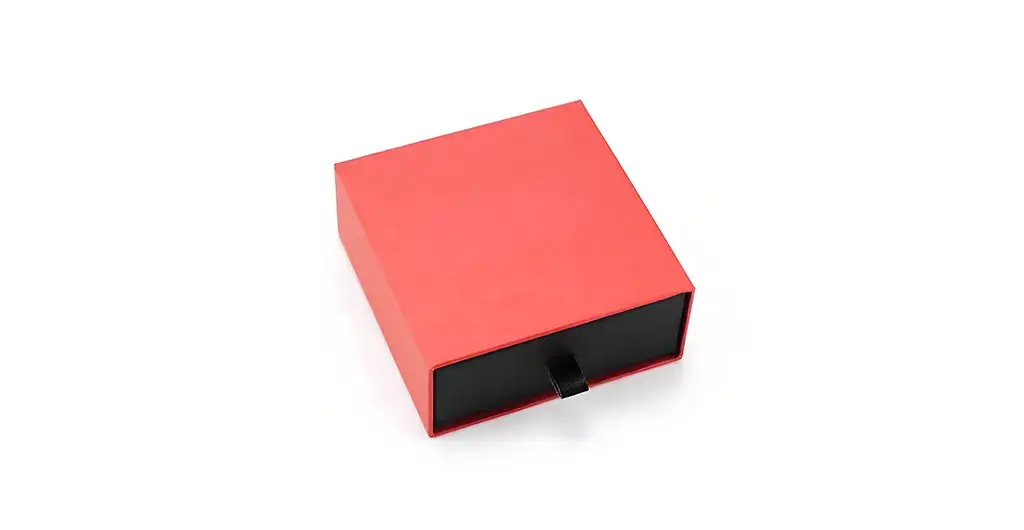
Rigid Boxes offer superior durability and a premium appearance, making them perfect for high-end products like electronics, cosmetics, and luxury goods. They do not bend or collapse, providing excellent protection for delicate items.
Folding Boxes are lightweight and easy to assemble, making them a cost-effective option for businesses that require quick and efficient packaging solutions. They can be customized with various prints and designs to enhance brand visibility.
Choosing the right material depends on the specific needs of your products. For instance, corrugated boxes are suitable for a wide range of items, while rigid boxes are ideal for luxury or fragile products that require extra protection. Folding boxes are best for lightweight and non-fragile items, providing a balance between cost and functionality.
Opting for recyclable materials not only supports sustainability but also appeals to environmentally conscious consumers. Corrugated fiberboard is one of the most recyclable materials available, making it an eco-friendly choice that aligns with modern sustainability goals.
Your shipping box serves as a mobile billboard for your brand. Effective branding and visibility are crucial for making a lasting impression on customers.
Ensure that your box design aligns with your brand identity. Use your brand’s colors, logos, and fonts consistently across all packaging materials to create a cohesive and recognizable look.
Choose high-contrast colors to make your branding elements stand out. This enhances visibility and ensures that your logo and important information are easily noticeable from a distance.
Place your logo and key branding elements prominently on the box. Common areas include the top, sides, and front of the box. Strategic placement ensures maximum exposure and reinforces brand recognition.
Incorporate unique design elements that differentiate your packaging from competitors. This could include custom patterns, illustrations, or special finishes like embossing or foil stamping.
By focusing on branding and visibility, you can turn your shipping boxes into effective marketing tools that enhance your brand presence and appeal to customers.
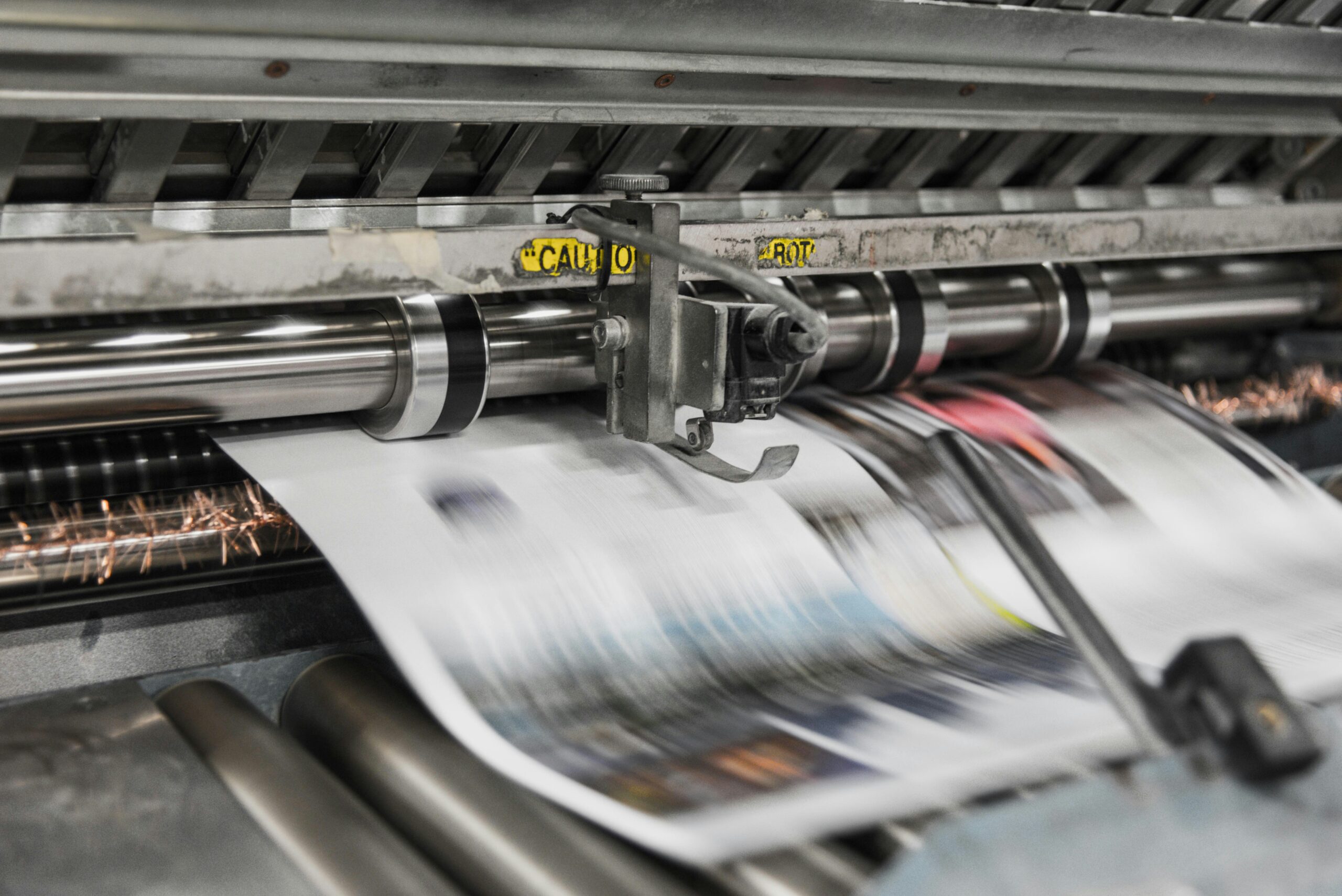
High-quality printing is essential for professional-looking packaging that stands the test of time during shipping.
Different printing techniques offer varying levels of quality and durability:
Select inks that can withstand handling, moisture, and varying temperatures during transit. Eco-friendly inks are a sustainable option that doesn’t compromise on quality.
Apply protective coatings like UV varnish or laminates to safeguard your prints from fading, smudging, and wear. These coatings enhance the longevity of your designs, ensuring they remain vibrant throughout the shipping process.
Implement strict quality control measures to maintain consistency across all printed boxes. Regular inspections and testing can help identify and rectify any printing issues before mass production.
Ensuring high print quality and durability guarantees that your custom designs look professional and last throughout the shipping journey.
The size and layout of your shipping boxes play a significant role in both functionality and cost-effectiveness.
Choose box sizes that closely fit your products to minimize excess space. Optimizing box size reduces the need for additional fillers, lowers shipping costs, and minimizes material waste.
Design the layout of your printed elements to make the most of the available space. Ensure that important information is placed where it’s easily visible and that the overall design is balanced and uncluttered.
Incorporate structural features like handles, windows, or compartments if needed. These features can enhance functionality and improve the user experience without compromising on the design.
Allocate sufficient space for essential information such as product details, barcodes, and shipping labels. Balancing design and functionality ensures that your boxes are both attractive and practical.
By optimizing box size and layout, you can create packaging that is both aesthetically pleasing and highly functional.
Including the right information on your shipping boxes is crucial for both branding and logistical purposes.
Clearly display your company’s contact information, including website, phone number, and address. This ensures that customers can easily reach out if they have questions or issues with their orders.
Include details about the product inside, such as contents, quantity, or any special handling instructions. This helps in efficient handling and reduces the risk of damage during transit.
Ensure that your boxes include any necessary compliance labels, such as recycling symbols or handling instructions like “Fragile” or “This Side Up.” These labels are essential for proper handling and environmental compliance.
Consider adding promotional messages or thank-you notes to enhance the customer experience. Personalized messages can foster customer loyalty and encourage repeat business.
Incorporate barcodes and tracking numbers in designated areas for easy scanning and tracking by shipping carriers. Proper placement ensures that these elements are accessible without interfering with your design.
Incorporating essential information ensures that your shipping boxes are informative, compliant, and enhance the overall customer experience.
Sustainability is increasingly important to consumers and businesses alike. Adopting eco-friendly printing options can enhance your brand’s reputation and appeal to environmentally conscious customers.
Choose recycled paper and ink for your printing needs. Using recycled materials reduces your environmental footprint and supports sustainable business practices.
Opt for water-based inks instead of petroleum-based alternatives. Water-based inks are less harmful to the environment and produce fewer volatile organic compounds (VOCs).
Select finishes that are biodegradable or made from sustainable materials. This ensures that your packaging remains environmentally friendly throughout its lifecycle.
Simplify your designs to use less ink and fewer materials. Minimalist packaging is not only cost-effective but also aligns with modern aesthetic trends.
Look for certifications such as FSC (Forest Stewardship Council) or SFI (Sustainable Forestry Initiative) to guarantee that your materials are sourced responsibly.
By embracing eco-friendly printing options, you demonstrate your commitment to sustainability and appeal to a growing market of eco-conscious consumers.
Before committing to large print runs, it’s essential to test your custom box designs to ensure they meet your expectations and requirements.
Create prototypes of your custom-printed boxes to evaluate the design, print quality, and structural integrity. Prototyping allows you to identify any issues and make necessary adjustments before mass production.
Gather feedback from customers or focus groups to assess the effectiveness of your box design. User feedback can provide valuable insights into the aesthetics, functionality, and overall appeal of your packaging.
Simulate the shipping process with your prototypes to test how well the boxes protect your products. Testing under real-world conditions ensures that your packaging performs as expected during transit.
Implement quality assurance protocols to check for consistency and accuracy in your printed designs. Regular inspections help maintain high standards and prevent defects in your final products.
Testing your designs thoroughly ensures that your custom-printed shipping boxes are both visually appealing and highly functional.
Collaborating with trustworthy suppliers is crucial for the success of your custom-printed shipping boxes.
Choose suppliers with a strong reputation and positive customer reviews. Reliable suppliers are more likely to deliver high-quality products and meet your deadlines.
Ensure that your supplier can accommodate your customization needs, including design flexibility, printing techniques, and material options. Flexible suppliers can adapt to your specific requirements and support your branding efforts.
Partner with suppliers who have robust quality control measures in place. Consistent quality ensures that your custom-printed boxes meet your standards and provide reliable protection for your products.
Select suppliers committed to sustainable practices, such as using recycled materials and eco-friendly inks. Sustainable suppliers align with your environmental goals and enhance your brand’s reputation.
Compare pricing among different suppliers to ensure you’re getting the best value for your investment. Cost-effective solutions help you maintain profitability while achieving your packaging goals.
Opt for suppliers that offer excellent customer support, including responsive communication and problem-solving capabilities. Supportive suppliers can assist you throughout the design and production process, ensuring a smooth experience.
Partnering with reliable suppliers ensures that your custom-printed shipping boxes are of high quality, delivered on time, and meet your specific needs.
Balancing quality with affordability is key to maximizing the benefits of custom-printed shipping boxes without overspending.
Order in bulk to take advantage of volume discounts. Bulk purchasing reduces the per-unit cost and ensures a consistent supply of packaging materials.
Use standard box sizes whenever possible to minimize costs. Custom sizes can be more expensive and may require additional setup fees.
Opt for simpler designs that require less ink and fewer customization options. Minimalist designs are not only cost-effective but also align with modern aesthetic trends.
Design your packaging layouts to maximize material usage and reduce waste. Efficient layouts lower production costs and contribute to sustainability by minimizing excess materials.
Negotiate with suppliers for better pricing, especially if you’re placing large or recurring orders. Negotiating terms can lead to significant cost savings over time.
Explore cost-effective materials that still meet your quality and durability requirements. Sometimes, alternative materials can offer similar benefits at a lower cost.
Opting for recycled corrugated fiberboard can be more affordable than using virgin materials. Recycled materials are often available at lower prices, allowing you to save money while supporting eco-friendly practices.
Considering cost-effectiveness ensures that your custom-printed shipping boxes are both affordable and high-quality, supporting your business’s financial health and operational efficiency.
Keeping abreast of the latest trends in custom-printed shipping boxes can give your business a competitive edge and ensure your packaging remains relevant and appealing.
Stay informed about new sustainable materials and eco-friendly printing techniques. Adopting sustainable trends can enhance your brand’s reputation and appeal to eco-conscious consumers.
Leverage advanced printing technologies such as digital printing and smart packaging solutions. Technological innovations can improve print quality, customization options, and interactive features on your packaging.
Follow design trends that emphasize minimalism, bold graphics, and unique structural features. Innovative designs can make your packaging stand out and attract customer attention.
Monitor shifts in consumer preferences and adapt your packaging accordingly. Understanding consumer trends helps you create packaging that resonates with your target audience.
Stay updated on regulatory changes related to packaging materials and sustainability standards. Compliance with regulations ensures that your packaging meets legal requirements and avoids potential penalties.
Conduct regular market analysis to identify emerging trends and best practices in the packaging industry. Staying informed allows you to anticipate changes and adapt your packaging strategy proactively.
By staying updated with trends, you can continuously improve your custom-printed shipping boxes, ensuring they meet the evolving needs of your business and customers.
Choosing the best practices for custom printing on shipping boxes is essential for enhancing your brand, protecting your products, and ensuring customer satisfaction. By selecting the right box material, you lay a strong foundation for durable and attractive packaging. Designing for branding and visibility ensures that your packaging stands out and reinforces your brand identity. Ensuring print quality and durability guarantees that your designs remain vibrant and intact throughout the shipping process.
Optimizing box size and layout not only improves functionality but also reduces costs and material waste. Incorporating essential information on your boxes facilitates efficient handling and provides necessary details to your customers. Adopting eco-friendly printing options supports sustainability and appeals to environmentally conscious consumers. Testing your designs helps identify and rectify potential issues before full-scale production, ensuring a smooth implementation.
Partnering with reliable suppliers ensures consistent quality and timely delivery, while considering cost-effectiveness through bulk ordering and standard sizes helps manage your budget effectively. Finally, staying updated with industry trends keeps your packaging competitive and aligned with consumer preferences.
By implementing these best practices, you can optimize your custom-printed shipping boxes to enhance your brand presence, protect your products, and satisfy your customers. Invest in high-quality, thoughtfully designed packaging to drive your business towards greater success.
For more information on Colorful Corrugated Box, Folding Boxes, Paper Bags, Rigid Boxes, Shipping Boxes, and paper coffins, visit FoHo Packaging.
📧 Email us at: sales@fohopackaging.com 📞 Contact us on WhatsApp: +86 136 1533 5353
You can leave any questions. We will see and answer you.