Zibo City, Shandong Province

Have Any Questions?

10 AM – 6 PM
Zibo City, Shandong Province
Have Any Questions?
10 AM – 6 PM

Have Any Questions?
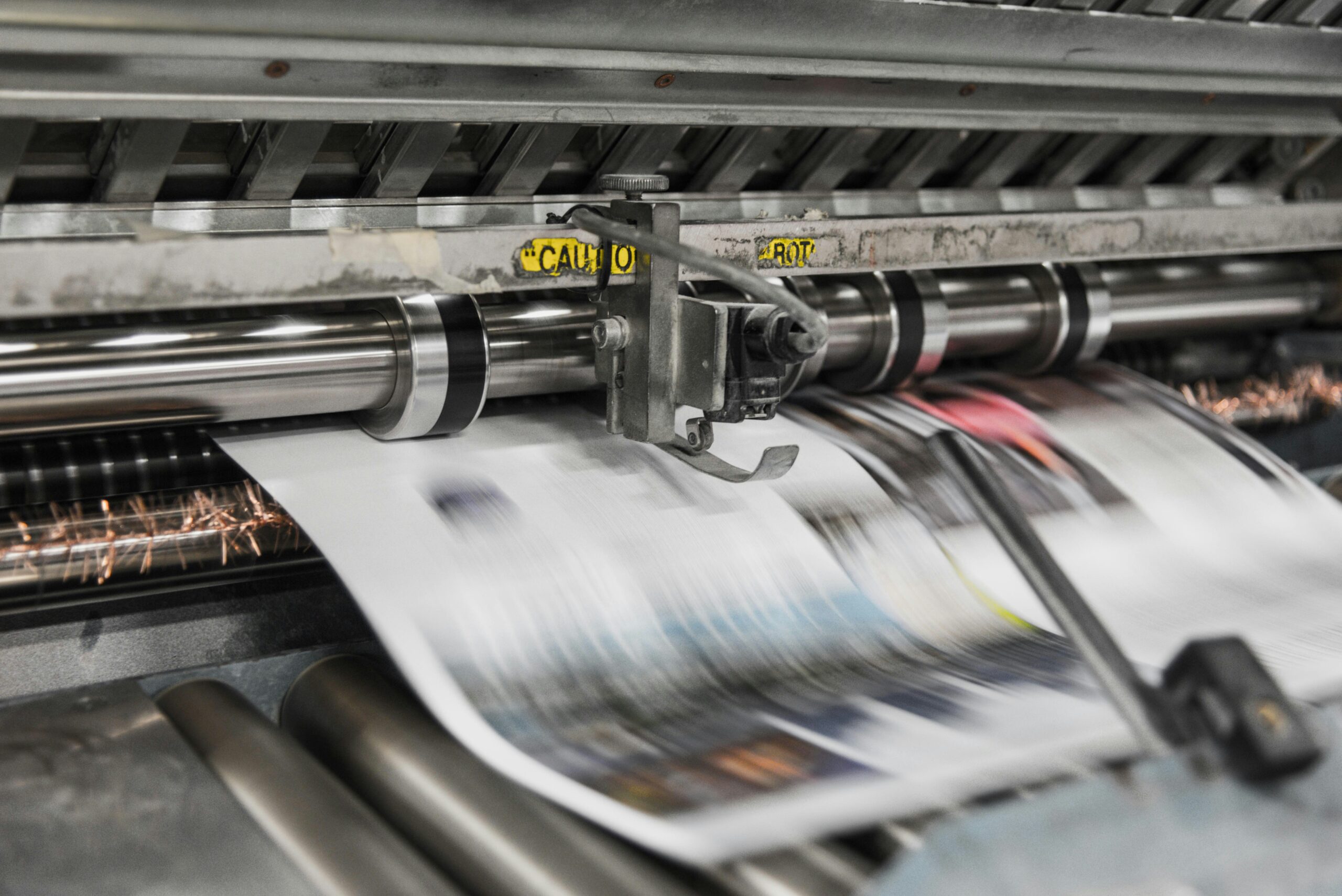

Want to make your boxes truly unforgettable? It’s not just about the outside – the insides of the box matter just as much! Papers and liners are the secret weapon to upgrade your boxes from functional to fabulous. This article will unveil a world of possibilities for interior packaging design. In today’s market, the unboxing experience is everything. Generic box interiors are a missed opportunity. Thoughtfully chosen Papers and Liners can transform the inside of a box, creating a sense of luxury, reinforcing your brand, and making a lasting impression on your customers. Many top brands understand the power of a beautifully designed box interior. In this guide, we’ll explore a world of papers and liners for interior packaging design. We’ll showcase different materials, textures, colors, and techniques to upgrade your boxes and create an unboxing experience that wows. Discover how papers and liners can elevate your packaging from the inside out. Get ready to transform your packaging interiors and leave a lasting mark on your customers.
We often judge a book by its cover, and in the world of product packaging, the exterior design rightly gets a lot of attention. But savvy brands understand that the true magic often happens inside the box. The interior of your packaging is not just empty space; it’s a blank canvas brimming with potential to elevate your brand, enhance the product experience, and leave a lasting impression on your customers. Let’s explore the often-overlooked power of interior packaging design.
In today’s visually driven and experience-focused marketplace, the unboxing experience has become a critical marketing touchpoint. It’s no longer enough for packaging to simply protect the product; it needs to delight the customer from the moment they receive it. The interior of the box plays a pivotal role in shaping this experience:
Creating “Wow” Factor: A thoughtfully designed box interior, with beautiful papers and liners, instantly creates a “wow” factor when the customer opens the package. This positive first impression sets the tone for the entire brand interaction.
Elevating Perceived Value: Premium papers and liners signal quality and attention to detail. Even a simple product can feel more valuable and special when presented within a well-designed interior, justifying the purchase price in the customer’s mind.
Enhancing Brand Storytelling: The interior of the box is another opportunity to tell your brand story. You can use colors, textures, and materials that align with your brand aesthetic and messaging, creating a cohesive brand narrative from the outside in.
Increasing Customer Engagement: An engaging unboxing experience encourages social media sharing and word-of-mouth marketing. Visually appealing box interiors are “Instagrammable” and prompt customers to share their positive experience online, amplifying your brand reach organically.
In essence, the interior of your packaging is a silent but powerful marketing tool that can significantly impact customer perception and brand success. As research in “The Role of Interior Packaging Elements in Consumer Perception” suggests, consumers do form perceptions about brands based on the interior elements of packaging.
Papers and liners are instrumental in transforming a standard box into a luxurious presentation. Even without elaborate exterior designs, a beautifully crafted interior can instantly convey a sense of high value:
Tactile Appeal: Luxurious papers and liners engage the sense of touch. Soft-touch coatings, textured papers, or plush fabric liners create a tactile experience that elevates the perceived quality of the product and the brand.
Visual Harmony: Choosing interior papers and liners that complement the product and exterior packaging design creates a sense of visual harmony and sophistication. Coordinated colors, subtle patterns, or elegant textures all contribute to a premium aesthetic.
Layering and Depth: Using multiple layers of papers and liners, such as a base liner with a decorative top paper and custom inserts, adds depth and visual interest to the box interior, creating a sense of considered design and luxury.
Attention to Detail: A meticulously designed box interior demonstrates attention to detail and a commitment to quality. This level of care signals to the customer that your brand values excellence in every aspect of the product and its presentation.
By strategically incorporating papers and liners, you can imbue even simple boxes with a sense of luxury and value, enhancing the overall product experience and justifying a premium price point. As explored in “Luxury Packaging: Material Innovation and Design for High-End Products,” material choice and interior design are crucial in luxury packaging to convey exclusivity and high value .
While often subtle, papers and liners are truly the unsung heroes of best packaging. They are the elements that quietly work to elevate the entire package, contributing to both aesthetics and functionality:
Protection and Cushioning (Functional): Liners, especially foam or corrugated options, provide essential cushioning and protection for the product inside, preventing damage during shipping and handling. They are not just decorative; they are functional protectors.
Organization and Presentation (Functional & Aesthetic): Inserts and liners create organized compartments within the box, presenting products neatly and preventing items from shifting or becoming disorganized during transit. This enhances both protection and visual appeal upon opening.
Color and Texture Accents (Aesthetic): Papers and liners introduce color, texture, and subtle patterns to the box interior, adding visual interest and reinforcing brand aesthetics without overwhelming the overall design. They are the subtle details that make a big difference.
Sensory Experience (Aesthetic): The right papers and liners engage multiple senses – sight and touch – creating a richer and more memorable unboxing experience. A beautiful interior is not just seen; it’s felt.
Don’t underestimate the impact of papers and liners. These seemingly simple materials are powerful tools for transforming your packaging from ordinary to extraordinary, contributing significantly to both the functional and aesthetic qualities of best packaging.
The world of papers available for box interiors is vast and diverse, offering a spectrum of textures, colors, and styles to match any brand aesthetic and product type. Let’s dive into some of the most popular and impactful paper options.
Coated papers are a staple in premium packaging, offering smooth, refined finishes that enhance print quality and convey sophistication:
Gloss Coated Paper: Gloss coated papers feature a shiny, reflective surface that enhances color vibrancy and creates a high-impact, luxurious look. They are excellent for showcasing bold graphics and photographic imagery.
Matte Coated Paper: Matte coated papers offer a smooth, non-reflective surface that exudes understated elegance and sophistication. They provide excellent readability and are ideal for text-heavy designs or minimalist aesthetics.
Soft-Touch Coated Paper: Soft-touch coatings create a velvety, tactile surface that is incredibly appealing to the touch. This luxurious finish adds a sensory dimension to the unboxing experience and is often used for high-end brands seeking a premium feel.
Varnish and Laminate Coatings: Beyond paper coatings, consider varnish or laminate coatings applied over printed papers. These coatings offer added protection against scuffing and moisture, while also enhancing the visual finish (gloss, matte, or satin varnishes).
Coated papers are ideal for brands seeking a polished, upscale look for their box interiors, enhancing both visual appeal and tactile experience. As research in “Enhancing Packaging Functionality with Advanced Paper Coatings” suggests, coatings are key to achieving specific functional and aesthetic properties in paper packaging .
Uncoated papers offer a more natural, tactile, and often eco-friendly alternative to coated stocks. They are perfect for brands seeking an organic or artisanal aesthetic:
Kraft Paper: Kraft paper, with its natural brown color and rustic texture, conveys a sense of earthiness, sustainability, and handcrafted quality. It’s a popular choice for brands emphasizing natural or eco-friendly products.
Linen Paper: Linen paper features a subtle, embossed texture that mimics the look and feel of linen fabric. It adds a touch of understated elegance and sophistication, particularly suitable for brands seeking a classic or refined aesthetic.
Laid Paper: Laid paper exhibits a distinctive ribbed texture created by the papermaking process. This texture adds visual interest and a tactile dimension, often used for stationery and premium packaging seeking a handcrafted feel.
Recycled Paper Stocks: Choose uncoated papers made from post-consumer recycled content to align with sustainability values. Recycled papers come in various textures and shades, offering eco-friendly options without sacrificing aesthetic appeal.
Uncoated papers are ideal for brands seeking a natural, authentic, and often eco-conscious look for their box interiors, emphasizing texture and a handcrafted feel. As explored in “Novel Paper-Based Materials for Sustainable Packaging Applications,” innovative paper-based materials are central to creating sustainable packaging solutions.
Colored papers are a simple yet effective way to inject vibrancy and brand personality into box interiors, going beyond basic white or kraft:
Solid Color Papers: Choose solid color papers that complement your brand color palette. Bold colors can create a striking and modern look, while pastel shades offer a softer, more delicate aesthetic.
Duplex Papers: Duplex papers feature different colors on each side, allowing for creative combinations. You can use a contrasting color on the interior to create a pop of surprise when the box is opened.
Pearlescent Papers: Pearlescent or metallic colored papers add a subtle shimmer and luxurious sheen to box interiors, ideal for high-end brands seeking a touch of glamour and sophistication.
Custom-Dyed Papers: For truly bespoke packaging, consider custom-dyed papers that perfectly match your brand colors or create unique, signature shades for your interiors.
Colored papers are a versatile tool for adding visual interest and reinforcing brand identity within the box interior, making the unboxing experience more engaging and memorable.
Patterned papers offer a way to introduce subtle designs and visual interest to box interiors without overwhelming the overall aesthetic. They are perfect for adding a touch of sophistication and detail:
Geometric Patterns: Subtle geometric patterns like stripes, dots, or chevrons can add a modern and stylish touch to box interiors. Choose patterns in tone-on-tone colors for a sophisticated and understated look.
Floral or Organic Patterns: Delicate floral, botanical, or organic patterns can convey a sense of natural beauty, elegance, or femininity, depending on the style and color palette.
Brand-Inspired Patterns: Incorporate subtle patterns inspired by your brand logo, brand imagery, or product designs to create a cohesive and branded interior design.
Seasonal or Themed Patterns: For limited-edition packaging or seasonal promotions, consider using patterned papers that reflect the theme or occasion, adding a festive or celebratory touch to the unboxing experience.
Patterned papers offer a nuanced way to enhance box interiors, adding visual depth and brand-relevant details that elevate the overall packaging design.
Beyond papers, liners are another essential component for upgrading box interiors. Liners not only enhance presentation but also provide crucial functionality, such as cushioning, organization, and structural support. Let’s explore a variety of liner materials.
Foam liners are the go-to choice when superior cushioning and protection are paramount, especially for fragile items:
Polyethylene (PE) Foam Liners: PE foam liners are dense, resilient, and offer excellent shock absorption and vibration damping. They are ideal for protecting delicate electronics, glassware, ceramics, or any fragile product requiring robust cushioning during shipping and handling. PE foam can be die-cut to create custom inserts that precisely fit your product.
Polyurethane (PU) Foam Liners: PU foam liners are lighter and more flexible than PE foam, providing good cushioning for less heavy but still delicate items. Convoluted (egg-crate) PU foam liners are particularly effective at preventing surface scratches and scuffing.
Anti-Static Foam Liners: For electronic components or devices sensitive to electrostatic discharge (ESD), use anti-static foam liners. These liners are specially treated to dissipate static electricity, protecting sensitive electronics from damage.
Custom-Molded Foam Inserts: For the ultimate in tailored protection, consider custom-molded foam inserts. These inserts are precisely molded to the shape of your product, providing a snug and secure fit and maximum cushioning from all directions.
Foam liners are indispensable for packaging fragile items, offering unparalleled protection and ensuring products arrive at their destination in perfect condition.
Corrugated liners are not just for cushioning; they can also add extra strength and structural integrity to flap boxes, particularly for heavier items or when stacking strength is crucial:
Single-Face Corrugated Liners: Single-face corrugated liners consist of a single layer of fluted corrugated medium with a linerboard on one side. They add a layer of cushioning and rigidity to the box interior and can be used to create dividers or partitions.
Double-Face Corrugated Liners: Double-face corrugated liners (essentially thin pieces of corrugated cardboard) provide even greater strength and rigidity. They can be used as base liners to reinforce the bottom of the flap box or as dividers to create sturdy compartments for multiple items.
Edge Crush Test (ECT) Rated Liners: For demanding applications requiring specific stacking strength, choose corrugated liners with a specified Edge Crush Test (ECT) rating. These liners are engineered to provide predictable and reliable stacking performance.
Recycled Corrugated Liners: Opt for corrugated liners made from recycled content to enhance the sustainability of your overall packaging solution. Recycled corrugated liners offer comparable strength and performance to virgin materials while reducing environmental impact.
Corrugated liners are a versatile tool for enhancing both the structural performance and cushioning capabilities of flap boxes, making them suitable for a wider range of products and shipping conditions.
For brands seeking to convey ultimate luxury and sophistication, fabric liners like velvet, satin, and silk are unparalleled:
Velvet Liners: Velvet liners exude opulence and create a plush, high-end feel. They are ideal for packaging jewelry, cosmetics, luxury accessories, or any product where a sense of lavishness is desired. Velvet liners are available in various colors and pile heights.
Satin Liners: Satin liners offer a smooth, silky texture and a subtle sheen that conveys elegance and refinement. They are often used for packaging lingerie, fine apparel, premium gifts, or beauty products seeking a sophisticated and delicate presentation.
Silk Liners: Silk liners are the epitome of luxury, offering an exceptionally smooth, soft, and lustrous surface. They are reserved for the most exclusive and high-value products, such as fine jewelry, couture items, or limited-edition collectibles, where the unboxing experience must be as exquisite as the product itself.
Custom Fabric Liners: For bespoke luxury packaging, consider custom fabric liners made from unique materials, embroidered fabrics, or branded textiles that perfectly align with your brand’s identity and product positioning.
Fabric liners are the ultimate upgrade for box interiors, transforming them into luxurious showcases and creating an unforgettable unboxing experience that reinforces a premium brand image.
Paperboard inserts are invaluable for creating organized and functional box interiors, particularly when packaging multiple items or products with distinct components:
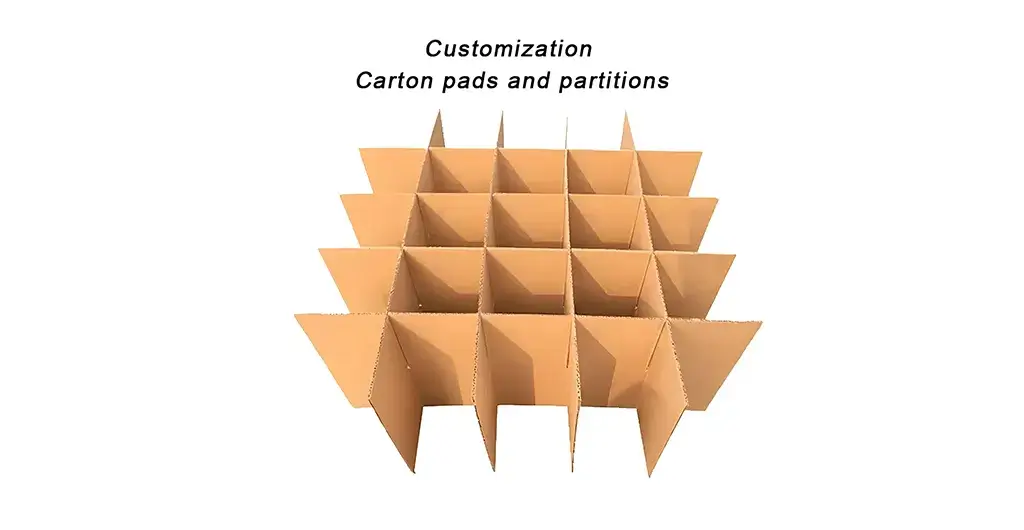
Die-Cut Paperboard Inserts: Custom die-cut paperboard inserts are precisely engineered to create compartments, dividers, and product-specific holders within the box. They are ideal for organizing product sets, keeping components separate, and preventing items from shifting during transit.
Folded Paperboard Inserts: Folded paperboard inserts are a cost-effective way to create simple dividers, platforms, or layers within the box. They can be easily folded and assembled to customize the interior layout and improve product presentation.
Printed Paperboard Inserts: Paperboard inserts can be printed with brand logos, product information, or instructional graphics, adding another layer of branding and functionality to the box interior.
Recycled Paperboard Inserts: Choose paperboard inserts made from recycled content to enhance the sustainability of your packaging solution. Recycled paperboard offers excellent structural performance while minimizing environmental impact.
Paperboard inserts are essential for creating organized, functional, and visually appealing box interiors, particularly for product sets, kits, or items with multiple components that need to be presented and protected separately.
With a world of papers and liners at your fingertips, how do you choose the right materials for your specific packaging needs? Careful consideration of several key factors is essential to make informed and effective design choices.
The most important factor is ensuring your chosen papers and liners align with your product and brand identity:
Product Category: Consider the nature of your product. Luxury items call for premium materials like velvet or silk liners and coated papers. Natural or artisanal products might be best complemented by kraft paper or uncoated textured stocks. Electronics or fragile items require functional liners like foam for protection.
Brand Aesthetic: Choose papers and liners that reflect your overall brand aesthetic. Is your brand modern and minimalist? Classic and elegant? Fun and vibrant? Select materials, colors, and textures that reinforce your brand’s visual identity and messaging.
Target Audience: Consider your target audience’s expectations and preferences. Luxury consumers will appreciate high-end materials and sophisticated finishes, while eco-conscious customers will value recyclable and sustainable options.
Brand Storytelling: Use papers and liners to enhance your brand storytelling. Choose materials that evoke the desired emotions and associations you want to create around your brand. For example, natural kraft paper can reinforce a brand’s commitment to sustainability, while satin liners can evoke a sense of luxury and indulgence.
Beyond aesthetics, the functional requirements of your packaging are paramount when choosing papers and liners:
Protection Needs: If you are shipping fragile items, prioritize liners that offer superior cushioning and shock absorption, such as foam or corrugated liners. For less delicate items, paper liners might suffice primarily for presentation.
Weight and Durability: For heavier products, choose thicker papers and liners that can withstand the weight and prevent tearing or damage to the box interior. Corrugated liners can add extra structural support.
Moisture Sensitivity: If your product is sensitive to moisture, consider papers and liners with moisture-resistant coatings or incorporate desiccant packets within the packaging to control humidity levels.
Presentation Goals: Determine your desired presentation style. Do you want a minimalist and clean interior? A luxurious and opulent feel? An organized and compartmentalized layout? Choose papers and liners that help you achieve your specific presentation goals.
Balancing both aesthetics and functionality is key to effective interior packaging design.
Finally, consider budget and sustainability when making your paper and liner choices:
Budget Constraints: Premium papers and liners like silk or custom-molded foam inserts can be expensive. Balance your desire for high-end aesthetics with your budget limitations. Explore cost-effective alternatives that still offer a significant upgrade over plain box interiors.
Cost-Effective Upgrades: Simple upgrades like using colored tissue paper, kraft paper liners, or recycled paperboard inserts can significantly enhance the box interior without breaking the bank.
Wholesale Sourcing for Cost Savings: Source papers and liners wholesale from suppliers like FoHo Packaging to reduce material costs, especially for large packaging volumes.
Sustainability Priorities: If sustainability is a key brand value, prioritize recyclable papers and liners. Recycled paper stocks, recyclable foam alternatives, and biodegradable packing peanuts offer eco-friendly options that align with consumer demand for sustainable packaging.
Finding the right balance between aesthetics, functionality, cost, and sustainability is the hallmark of smart and effective interior packaging design.
Take your box interiors to the next level with customized papers and liners. These techniques add unique visual and tactile elements that truly elevate your brand presentation.
Embossing and debossing are techniques that create raised or recessed designs on paper and liner surfaces, adding a sophisticated tactile dimension:
Embossing: Embossing creates a raised design that is pressed above the surface of the paper or liner. It’s often used to highlight logos, brand names, or subtle patterns, adding a touch of elegance and visual interest.
Debossing: Debossing creates a recessed design that is pressed below the surface, creating an indented effect. Debossing can be used for a more subtle and understated tactile detail, adding depth and texture without being overly prominent.
Blind Embossing/Debossing: Blind embossing or debossing refers to creating these effects without ink or foil. This results in a subtle, tactile-only impression that is incredibly refined and luxurious.
Register Embossing: Register embossing aligns embossing precisely with printed elements, such as embossing a logo printed on the paper or liner. This technique creates a highly detailed and integrated design.
Embossing and debossing elevate papers and liners beyond simple visual elements, creating a tactile experience that enhances the perceived quality and craftsmanship of your packaging.
Foil stamping and special finishes inject a dose of glamour and visual impact into box interiors, perfect for luxury or celebratory packaging:
Foil Stamping: Foil stamping applies metallic or colored foils to paper or liner surfaces using heat and pressure, creating a shimmering, eye-catching effect. Gold, silver, copper, and holographic foils are popular choices for adding a touch of luxury and sophistication.
Spot UV Varnishing: Spot UV varnishing applies a glossy, raised varnish to specific areas of the paper or liner, creating a contrast between matte and glossy surfaces. Spot UV is excellent for highlighting logos, patterns, or design elements, adding a subtle yet impactful visual detail.
Glitter Coatings: Glitter coatings add a sparkling, festive touch to box interiors, ideal for celebratory packaging, holiday-themed designs, or brands seeking a playful and eye-catching aesthetic. Glitter coatings are available in various colors and particle sizes.
Soft-Touch Varnishes: While soft-touch coatings are applied to paper stock itself, soft-touch varnishes can be applied over printed areas to create a velvety feel on specific design elements, adding a tactile contrast to the interior.
Foil stamping and special finishes are powerful tools for adding visual glamour and tactile intrigue to box interiors, transforming them into truly eye-catching and luxurious presentations.
Take brand consistency to the next level by incorporating your logo and brand-inspired patterns directly into your papers and liners:
Logo Watermarks: Subtly incorporate your brand logo as a watermark into the paper or liner material itself. Watermarks add a touch of sophistication and brand recognition without being visually overpowering.
Repeating Logo Patterns: Create repeating patterns using your brand logo or brand elements and print them onto the liner paper. This creates a subtle yet consistent branded interior that reinforces brand identity.
Brand Color Papers and Liners: Utilize papers and liners in your brand’s signature colors to create a cohesive and instantly recognizable brand experience. Consistent use of brand colors throughout your packaging, including the interior, strengthens brand recall.
Custom-Printed Inserts with Brand Story: Print paperboard inserts with your brand story, mission statement, or product information, transforming functional inserts into mini-marketing materials that further engage the customer and build brand connection.
Branded papers and liners transform the box interior into a fully integrated brand experience, reinforcing brand identity and creating a seamless brand narrative from the outside to the inside of your packaging.
Ready to start designing upgraded box interiors with papers and liners? Follow this step-by-step process to seamlessly integrate these elements into your packaging design.
Brand Identity Review: Revisit your brand guidelines and identify your core brand values, aesthetic, and target audience. Your interior packaging design should be a reflection of your overall brand identity.
Target Unboxing Emotion: Determine the emotion you want to evoke with the unboxing experience. Luxury? Excitement? Trust? Sustainability? Your choice of papers and liners should contribute to creating this desired emotional response.
Competitor Analysis: Research your competitors’ packaging interiors. Identify opportunities to differentiate your brand and create a more compelling and unique unboxing experience.
Mood Board Creation: Create a visual mood board with images, colors, textures, and words that represent your desired box interior aesthetic. This will serve as a visual guide throughout the design process.
Material Research: Thoroughly research different types of papers and liners (coated, uncoated, fabric, foam, corrugated) and their properties, textures, colors, and finishes. Use online resources, packaging catalogs, and supplier websites to gather information.
Sample Ordering: Order samples of papers and liners that align with your brand aesthetic and functional requirements from suppliers like FoHo Packaging. Physically examine samples to assess texture, color accuracy, thickness, and overall quality.
Texture and Color Evaluation: Evaluate the tactile feel of paper and liner samples. How do they feel in your hand? Do they convey the desired sense of luxury, naturalness, or quality? Assess color accuracy under different lighting conditions and ensure colors complement your exterior packaging design.
Functionality Testing: Test liner samples for cushioning properties, durability, and any specific functional requirements (e.g., moisture resistance, anti-static properties) based on your product needs.
Consultation with Packaging Experts: Contact FoHo Packaging and consult with their packaging experts. Discuss your brand aesthetic, product requirements, budget, and sustainability goals. Leverage their expertise to refine your paper and liner selections and explore customization options.
Custom Design and Prototyping: Work with FoHo Packaging’s design team to create custom box interior designs incorporating your chosen papers and liners. Develop prototypes to visualize the final packaging and assess both aesthetics and functionality.
Material and Cost Optimization: Collaborate with FoHo Packaging to optimize material selections and design elements to balance your desired aesthetic with budget considerations. Explore cost-effective alternatives and wholesale pricing options.
Finalize Design and Place Order: Once you are satisfied with the prototype and have finalized your design, material selections, and budget, place your order with FoHo Packaging for your upgraded boxes with beautifully designed interiors.
By following this step-by-step process and partnering with experienced packaging providers like FoHo Packaging, you can seamlessly integrate papers and liners into your box interiors, creating packaging that truly elevates your brand and delights your customers.
In today’s environmentally conscious market, choosing sustainable packaging materials is not just a trend – it’s a responsibility and a smart business decision. Fortunately, there are many eco-friendly paper and liner options available for upgrading your box interiors.
Consumer Preference for Sustainability: Consumers are increasingly aware of environmental issues and actively prefer brands that demonstrate a commitment to sustainability. Choosing recyclable packaging materials aligns with these consumer values and can enhance brand appeal.
Brand Reputation and Loyalty: Using eco-friendly packaging improves your brand reputation and builds customer loyalty. Consumers are more likely to trust and support brands that are seen as environmentally responsible.
Reduced Environmental Impact: Opting for recyclable and sustainable packaging materials reduces your company’s environmental footprint, minimizing landfill waste, conserving natural resources, and lowering carbon emissions associated with packaging production and disposal.
Regulatory Pressures: Governments and regulatory bodies worldwide are increasingly implementing stricter regulations on packaging waste and promoting sustainable practices. Using eco-friendly packaging helps your business stay ahead of these regulatory changes and ensures long-term compliance.
The growing demand for sustainable packaging is not just a fleeting trend – it’s a fundamental shift in consumer values and business practices. Embracing eco-friendly papers and liners for your box interiors is a strategic move for long-term brand success.
When choosing papers for box interiors, prioritize recycled and certified sustainable options:
Post-Consumer Recycled (PCR) Papers: Select papers made from high percentages of post-consumer recycled content. PCR papers are produced from waste paper diverted from landfills, reducing reliance on virgin fibers and minimizing environmental impact.
Post-Industrial Recycled Papers: Papers made from post-industrial recycled content utilize waste paper generated during the paper manufacturing process itself. These are also a good recyclable choice.
Forest Stewardship Council (FSC) Certified Papers: FSC certification ensures that paper comes from responsibly managed forests that are harvested sustainably and protect biodiversity. Look for the FSC logo on paper stocks to verify sustainable sourcing.
Process Chlorine-Free (PCF) Papers: PCF papers are manufactured without chlorine bleaching, reducing the release of harmful dioxins into the environment. They are a good option for brands seeking to minimize the environmental impact of paper production processes.
Choosing recycled and certified papers demonstrates a tangible commitment to sustainability and provides eco-conscious consumers with packaging choices they can feel good about.
Beyond paper, explore biodegradable and compostable liner alternatives to further enhance the sustainability of your box interiors:
Molded Pulp Inserts: Molded pulp inserts are made from recycled paper fibers and are fully biodegradable and compostable. They offer excellent cushioning and a natural, eco-friendly aesthetic.
Biodegradable Foam Liners: While traditional foam is not recyclable, biodegradable foam liners made from plant-based materials (e.g., cornstarch) are emerging as more sustainable alternatives. These liners offer comparable cushioning performance to traditional foam but can break down in compostable environments. Always verify certifications of biodegradability and compostability claims.
Paper-Based Cushioning Fill: Replace plastic-based void fill like packing peanuts with recyclable and biodegradable paper-based alternatives such as crumpled Kraft paper or shredded paper fill.
Compostable Tissue Paper: Use compostable tissue paper for wrapping delicate items or adding a decorative touch to box interiors. Compostable tissue paper breaks down naturally in composting facilities, further reducing packaging waste.
By consciously choosing biodegradable and compostable liner alternatives, you can create truly eco-friendly box interiors that minimize environmental impact and resonate with sustainability-minded customers.
Upgrading your box interiors with papers and liners doesn’t have to break the bank. There are many strategies to balance premium aesthetics with budget-conscious choices.
Paper Costs: Paper costs vary widely depending on type, coating, texture, color, and whether they are recycled or FSC-certified. Uncoated kraft paper and standard coated papers are generally more cost-effective, while specialty papers like linen, silk, or custom-dyed stocks will be more premium priced.
Liner Costs: Liner costs also vary based on material. Paperboard inserts and corrugated liners are generally more budget-friendly, while foam liners (especially custom-molded) and fabric liners like velvet or silk are typically more expensive.
Customization Costs: Custom printing, embossing, foil stamping, and other special finishes will add to the overall cost of papers and liners. More complex customization techniques will generally be more expensive.
Wholesale vs. Retail Pricing: Purchasing papers and liners wholesale from suppliers like FoHo Packaging will significantly reduce per-unit costs compared to retail purchases. Bulk discounts are essential for cost-effective upgrades.
Understanding the cost drivers for different paper and liner options is crucial for making budget-conscious design choices.
Focus on Key Elements: Instead of upgrading every element of the box interior, focus on upgrading one or two key elements that will have the biggest visual and tactile impact. For example, a simple colored paper liner with a subtly embossed logo can be a cost-effective yet impactful upgrade.
Mix and Match Materials: Combine more premium papers or liners with cost-effective alternatives. For instance, use a luxurious fabric liner for the top layer that is immediately visible upon opening, and use a more budget-friendly paperboard insert for internal organization.
Simplify Designs: Opt for simpler designs for papers and liners to reduce customization costs. A solid color paper liner or a subtly textured paper can be just as elegant as a complex, multi-colored design, but significantly more affordable.
Leverage Volume Discounts: Purchase papers and liners in bulk from wholesale suppliers to take advantage of volume discounts. Planning your packaging needs in advance and placing larger orders can lead to significant per-unit savings.
Sourcing papers and liners wholesale is essential for managing costs effectively, especially for larger packaging projects:
Direct from Paper and Liner Manufacturers: Contact paper mills and liner manufacturers directly, especially for very large volume orders or custom material specifications. Direct sourcing can often provide the most competitive pricing.
Packaging Material Wholesalers: Packaging material wholesalers, like FoHo Packaging, offer a wide range of papers and liners from various manufacturers at competitive wholesale prices. They can be a convenient one-stop shop for sourcing all your packaging interior materials.
Online B2B Marketplaces: Explore online B2B marketplaces to find and compare quotes from numerous wholesale suppliers of papers and liners. Platforms like Alibaba or industry-specific packaging marketplaces can be valuable resources for sourcing materials at bulk prices.
Negotiate Pricing and Build Relationships: Negotiate pricing with potential wholesale suppliers and aim to build long-term relationships. Establishing strong supplier partnerships can lead to better pricing, more favorable payment terms, and reliable material supply for your ongoing packaging needs.
By strategically sourcing papers and liners wholesale, you can access a wider range of materials, secure better pricing, and maximize your budget for upgrading your box interiors.
Still have questions about choosing and using papers and liners for your box interiors? Here are answers to some frequently asked questions:
For packaging heavy items, durability and tear resistance are key. The most durable paper and liner options include:
Heavyweight Cardstock Papers: Choose heavyweight cardstock papers for liners or inserts when you need added rigidity and tear resistance. Thicker paper stocks will hold up better under the weight of heavier products.
Corrugated Liners: Corrugated liners provide excellent structural reinforcement and cushioning for heavier items. Double-face corrugated liners are particularly robust.
Reinforced Foam Liners: Dense, closed-cell polyethylene (PE) foam liners offer exceptional cushioning and can support significant weight without compressing or tearing.
Laminated Papers and Liners: Laminating papers or liners with a plastic film adds a layer of tear resistance and moisture protection, enhancing their durability for heavier items or demanding shipping conditions.
When packaging heavy items, prioritize materials specifically designed for strength and durability to ensure your box interiors hold up under pressure.
Maintaining color consistency is crucial for brand identity, especially for large packaging orders. Here’s how to ensure color accuracy:
Pantone Color Matching System (PMS): Specify Pantone (PMS) colors when ordering custom-dyed papers or printed liners. PMS ensures color consistency across different batches and print runs.
Request Color Samples and Proofs: Always request physical color samples and printed proofs from your paper and liner suppliers before placing large orders. Evaluate color accuracy under different lighting conditions and against your brand color guidelines.
Control Batch-to-Batch Variation: Discuss color consistency tolerances with your suppliers and inquire about their quality control procedures for minimizing batch-to-batch color variations, especially for large wholesale orders that may be produced over time.
Work with Reputable Suppliers: Choose reputable paper and liner suppliers like FoHo Packaging that have established color management systems and a track record of delivering consistent color quality in large orders.
Strict color management and quality control procedures are essential to maintain brand consistency across all your packaging, particularly for large-scale packaging projects.
Yes! FoHo Packaging offers comprehensive custom packaging solutions, including the design and manufacturing of custom die-cut liners and inserts:
Custom Die-Cutting Capabilities: FoHo Packaging has advanced die-cutting capabilities to create paperboard, foam, and corrugated inserts precisely tailored to your product shapes and box dimensions.
Material Expertise: Our packaging experts can advise you on the best liner and insert materials for your specific product protection and presentation needs, considering factors like cushioning, weight, fragility, and budget.
Design and Prototyping Services: FoHo Packaging’s design team can work with you to create custom insert designs, develop prototypes for testing and refinement, and ensure seamless integration with your overall box packaging design.
Full-Service Packaging Solutions: FoHo Packaging offers a complete range of packaging services, from box manufacturing and custom printing to liner and insert integration, providing a streamlined and convenient one-stop shop for all your upgraded packaging needs.
Ready to Upgrade Your Boxes? Request a Quote for Papers and Liners from FoHo Packaging!
Don’t let the insides of your boxes be an afterthought. By exploring the world of papers and liners, you can upgrade your packaging, elevate your brand, and create a truly memorable unboxing experience for your customers. Are you ready to transform your boxes from the inside out and make a lasting impression? Start designing your upgraded packaging today! Request a quote from FoHo Packaging for a wide selection of papers and liners and let our experts help you create the best custom packaging solution that reflects your brand’s commitment to quality and design. We offer packaging materials available in various packaging styles to suit every product. Let FoHo Packaging help you unlock the full potential of your box interiors and create packaging that truly wows!
Summary of Key Points
Internal Links:
📧 Email us at: sales@fohopackaging.com 📞 Contact us on WhatsApp: +86 136 1533 5353
You can leave any questions. We will see and answer you.