Zibo City, Shandong Province

Have You Any Quires ?

10 PM – 6 PM
Zibo City, Shandong Province
Have You Any Quires ?
10 PM – 6 PM

Have You Any Quires ?

Summary: In today’s e-commerce driven world, the unboxing experience is almost as important as the product itself. This article dives deep into the world of mailer boxes, exploring how they can elevate your brand, protect your products, and contribute to a greener planet. If you’re a business owner looking to optimize your packaging strategy, or just curious about the art and science behind mailer boxes, this comprehensive guide is a must-read. You’ll discover practical tips, insider insights, and actionable advice to help you make informed decisions about your mailer box packaging.
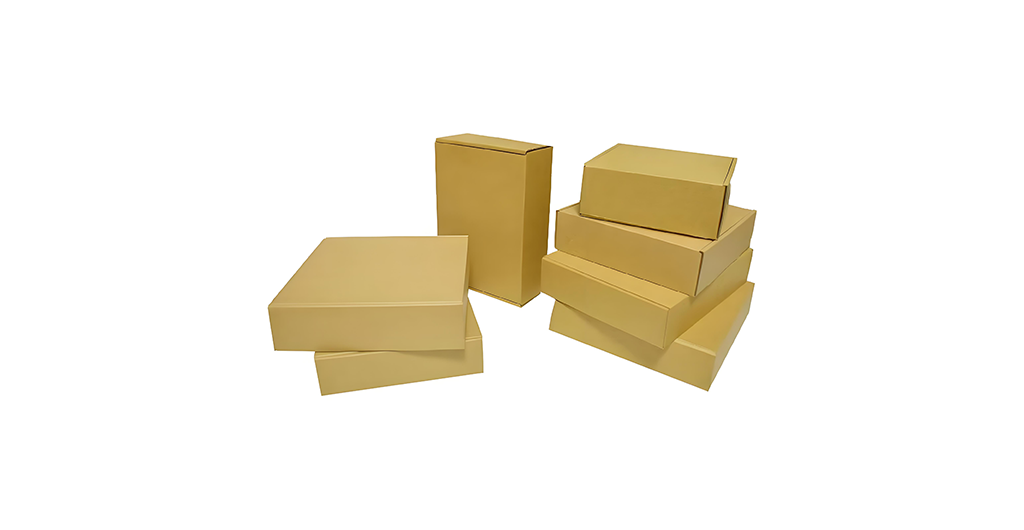
A mailer box is a type of paperboard packaging designed specifically for shipping products directly to customers. Unlike traditional shipping boxes, mailer boxes are often designed to be more aesthetically pleasing, offering a premium unboxing experience. They typically feature a self-locking mechanism, often with a “dust flap” and “cherry lock” features on the sides for added security. The robust construction helps protect the contents during transit, minimizing the risk of damage.
In the competitive world of e-commerce, a mailer box is more than just a container; it’s a crucial touchpoint in your customer’s journey. As a small business owner myself, I initially underestimated the power of packaging. However, after switching to custom-designed mailer boxes, I saw a noticeable increase in customer satisfaction and repeat purchases. A well-chosen mailer box not only safeguards your products but also serves as a powerful marketing tool. It’s the first physical interaction your customers have with your brand, setting the stage for their overall perception of your product and company.
First impressions matter, especially in the online world where customers can’t physically handle your products before buying. Your mailer box is an extension of your brand identity. Think of it as a silent salesperson that communicates your brand’s values, personality, and commitment to quality. A plain, generic box might be functional, but it does little to create a memorable experience.
By investing in thoughtfully designed mailer box packaging, you can create a sense of anticipation and excitement. Consider the following:
Color: Use colors that align with your brand palette to create a cohesive look.
Logo: Prominently display your logo to reinforce brand recognition.
Messaging: Include a personalized message, a thank you note, or a call to action inside the box.
One time, I received a mailer box from a small online boutique. The box was a beautiful shade of pastel pink, with their logo elegantly printed on the lid. Inside, nestled among tissue paper, was a handwritten thank you note and a small, complimentary gift. This small gesture made a big impact on me, and I’ve been a loyal customer ever since.
Mailer boxes are versatile and suitable for a wide range of products, including:
Apparel: Clothing, accessories, and shoes.
Cosmetics: Makeup, skincare, and beauty products.
Electronics: Small gadgets, accessories, and tech items.
Food: Gourmet snacks, subscription boxes, and non-perishable items.
Gifts: Curated gift sets, subscription boxes, and personalized items.
However, they may not be the best option for extremely heavy or fragile items, which might require more robust packaging solutions like corrugated boxes with additional padding. When deciding if a mailer box is right for your product, consider the following:
Size and Weight: Ensure the box is appropriately sized for your product and can withstand its weight during shipping.
Fragility: If your product is delicate, consider adding internal cushioning or using a stronger box material.
Value: For high-value items, you might want to opt for a more premium mailer box with enhanced security features.
One of the biggest advantages of mailer boxes is their customizability. You’re not limited to standard sizes or generic designs. You can tailor your boxes to perfectly fit your products and reflect your brand’s unique aesthetic.
Size: Mailer boxes come in a vast array of sizes, from small boxes for jewelry to larger ones for clothing or home goods. You can even order custom sizes to ensure a snug fit for your products, minimizing movement during shipping and reducing the need for excessive void fill.
Shape: While rectangular boxes are the most common, you can also explore other shapes, such as square or even triangular boxes, to create a distinctive look.
Design: This is where you can truly let your brand’s personality shine. You can print your logo, brand colors, patterns, and even custom illustrations on the box. Consider adding a matte or glossy finish for a touch of sophistication.
| Feature | Options |
| Size | Standard sizes, custom sizes |
| Shape | Rectangular, square, triangular, custom shapes |
| Design | Full-color printing, logo placement, patterns, custom illustrations, finishes |
| Closure | Tuck-top, cherry lock, dust flaps |
| Interior | Plain, printed, custom inserts |
| Material | Cardboard, corrugated cardboard, eco-friendly options |
| Additional | Window cutouts, handles, ribbons, stickers |
Mailer boxes are typically made from paperboard, a lightweight yet durable material. The most common types of paperboard used include:
Solid Bleached Sulfate (SBS): A premium paperboard known for its smooth, white surface, ideal for high-quality printing.
Kraft Paperboard: Made from unbleached pulp, kraft paperboard has a natural brown color and a more rustic look. It’s often used for eco-friendly packaging.
Corrugated Cardboard: This consists of a fluted inner layer sandwiched between two flat linerboards. It offers superior strength and cushioning, making it suitable for heavier or more fragile items. You will often see the term “E-flute” or “F-flute” associated with mailer boxes, which refers to the thickness of the corrugated layer. E-flute is thinner and more flexible, while F-flute is thicker and provides more rigidity.
“Choosing the right material is crucial for ensuring your mailer box provides adequate protection while also aligning with your brand’s values and aesthetic.” – Packaging Digest
Absolutely! Consumers are increasingly conscious of the environmental impact of their purchases, and packaging plays a significant role in their decision-making process. Using recyclable mailer box packaging is not just good for the planet; it’s also good for your brand image.
Many mailer boxes are made from recycled materials and are themselves recyclable. Look for certifications like the Forest Stewardship Council (FSC) label, which indicates that the paperboard comes from responsibly managed forests. You can also opt for biodegradable or compostable options made from materials like cornstarch or sugarcane.
By choosing sustainable packaging, you demonstrate your commitment to environmental responsibility, which can resonate positively with your target audience. I personally switched to using mailer boxes made from 100% recycled materials a few years ago, and I’ve received numerous positive comments from customers who appreciate the effort.
The unboxing experience is a powerful opportunity to create a lasting impression on your customers. It’s a chance to transform a mundane task into a memorable moment. Here are a few tips to elevate your unboxing game:
Tissue Paper: Wrap your products in colorful tissue paper to add a touch of elegance and protect them from scratches.
Custom Inserts: Include a personalized thank you note, a discount code for their next purchase, or a small free gift.
Stickers and Tape: Use branded stickers or custom-printed tape to seal the box and add a pop of color.
Void Fill: If there’s extra space in the box, use eco-friendly void fill like crinkle paper or biodegradable packing peanuts to prevent items from shifting during transit.
I like to put the button on each box,as an example.
The cost of mailer box packaging can vary depending on several factors, including:
Size and Complexity: Larger boxes and those with intricate designs will generally cost more.
Material: Premium materials like SBS will be more expensive than standard kraft paperboard.
Quantity: Ordering in bulk will typically result in lower per-unit costs.
Printing and Customization: Full-color printing and custom designs will add to the overall cost.
While it’s tempting to opt for the cheapest option, remember that your packaging is an investment in your brand. Cutting corners on quality can lead to damaged products, unhappy customers, and ultimately, higher costs in the long run.
Here’s a simplified table to give you a general idea of price ranges:
| Box Type | Estimated Price Range (per unit) |
| Small, Plain Kraft | $0.50 – $1.00 |
| Medium, Printed SBS | $1.50 – $3.00 |
| Large, Custom Design | $3.00 – $5.00+ |
Note: These are just estimates, and actual prices may vary depending on your specific requirements and the supplier you choose.
Finding a reliable mailer box supplier is crucial for ensuring the quality and consistency of your packaging. Here are a few factors to consider:
Experience and Reputation: Look for a supplier with a proven track record in the industry. Read online reviews and testimonials to gauge their reputation.
Product Range: Make sure they offer a wide variety of sizes, materials, and customization options to meet your needs.
Minimum Order Quantities (MOQs): Some suppliers have high MOQs, which may not be suitable for small businesses.
Pricing and Lead Times: Compare quotes from different suppliers and inquire about their production and delivery times.
Customer Service: Choose a supplier that is responsive, helpful, and easy to communicate with.
You can find mailer box suppliers online through directories like Thomasnet or by searching on platforms like Alibaba. Don’t be afraid to request samples before placing a large order.
The world of mailer box packaging is constantly evolving, with new features and innovations emerging all the time. Here are a few trends to watch:
Smart Packaging: Integrating technology like QR codes or NFC tags into your mailer boxes can create interactive experiences for your customers. For example, a QR code could link to a product tutorial video or a special offer.
Personalized Packaging: Using data to create customized packaging experiences for individual customers. This could involve printing their name on the box or tailoring the design to their specific interests.
Sustainable Materials: The development of new, even more eco-friendly packaging materials, such as mushroom packaging or seaweed-based films.
By staying informed about these trends, you can ensure that your mailer box packaging remains cutting-edge and continues to impress your customers.
Mailer boxes are a powerful tool for enhancing brand image, protecting products, and creating a memorable unboxing experience.
Customization is key: tailor your mailer boxes to your specific product needs and brand aesthetic.
Sustainable packaging is not just a trend, it’s a necessity. Choose recyclable, biodegradable, or compostable options whenever possible.
The unboxing experience is a crucial touchpoint in the customer journey. Make it count!
Carefully consider your budget and choose a reputable supplier who can meet your quality and quantity requirements.
Stay informed about the latest trends and innovations in mailer box design to keep your packaging fresh and engaging.
The right mailer box can elevate your brand and contribute to a positive customer experience.
Each package can have an additional button.
Use colors wisely to enhance brand image.
Good packaging can be an advertisement for you.
You can leave any questions. We will see and answer you.