Zibo City, Shandong Province

Have Any Questions?

10 AM – 6 PM
Zibo City, Shandong Province
Have Any Questions?
10 AM – 6 PM

Have Any Questions?
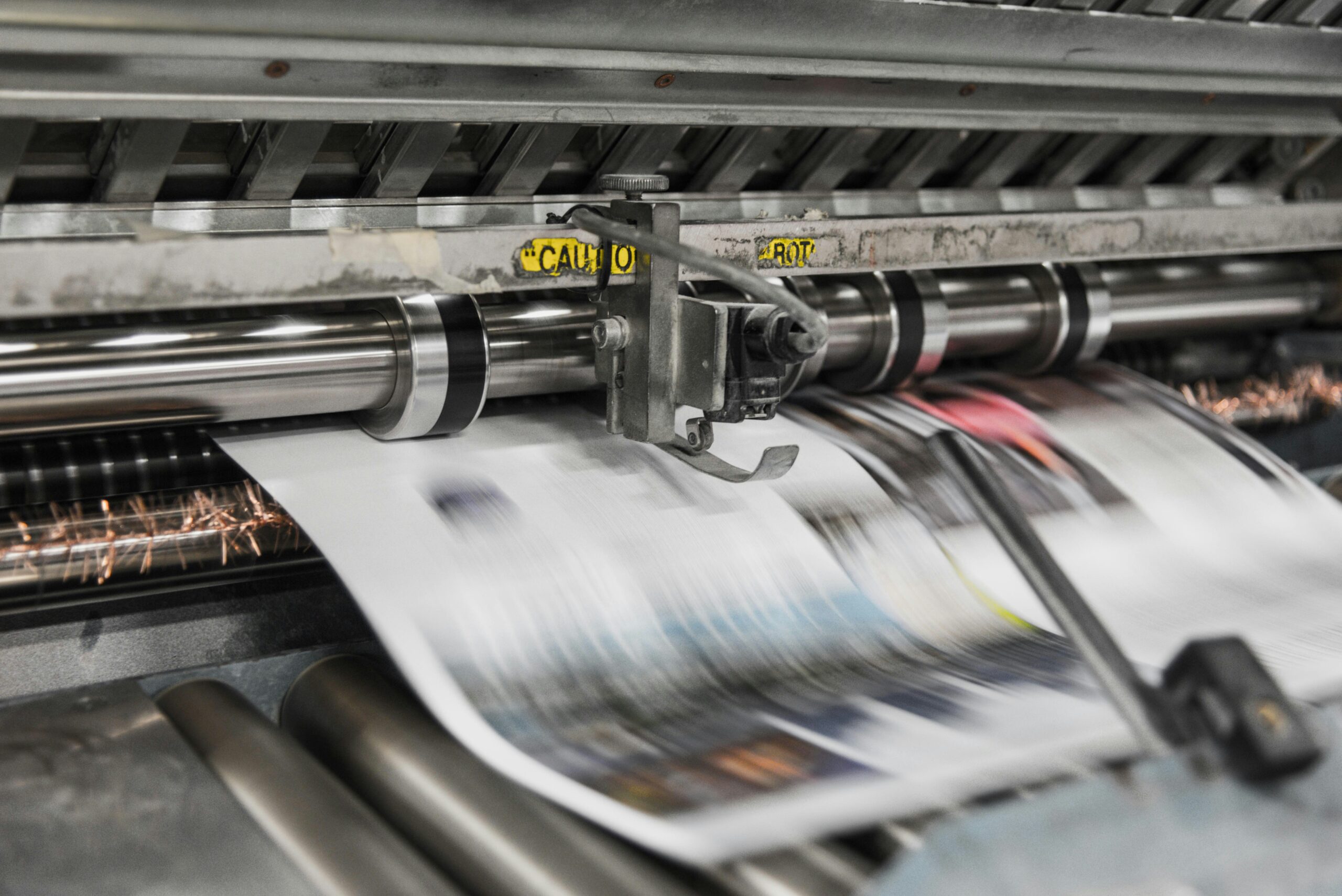

Are you ready to discover the exciting world of color printing corrugated boxes? This article dives deep into how these boxes are made, their many uses, and why they’re a fantastic choice for packaging almost anything. Whether you’re a business owner looking to make your products pop or simply curious about the boxes you see every day, this article is for you. We’ll explore everything from the basics of corrugated cardboard to the magic of color printing, all in a way that’s easy to understand and fun to read. Let’s unbox this colorful topic together!
Let’s start with the basics. A corrugated box is essentially a container made from corrugated fiberboard. This isn’t just ordinary cardboard; it’s a sandwich of three layers: two flat linerboards and a wavy, fluted layer in between. This clever design makes the box strong yet lightweight, perfect for protecting items during shipping and storage. Now, when we talk about a “color-printing” corrugated box, we’re simply referring to a corrugated box that has had colors, images, or text printed onto its surface. This printing transforms a plain brown box into a vibrant, eye-catching package.
Think about the last time you ordered something online. Chances are, it arrived in a corrugated box. Many of these boxes are now printed with colorful logos, product images, and catchy slogans. This isn’t just for looks; it’s a smart marketing strategy. A well-designed, color-printed box can make a product more appealing and memorable. It’s like giving your product a colorful, protective coat that shouts, “Pick me!”

You might be wondering, why go to the trouble of adding color to a box? Isn’t a plain brown box good enough? Well, while plain boxes certainly have their place, color printing offers a range of benefits that can significantly impact your business and brand image. Color printing on corrugated boxes does more than just add visual appeal, it helps your product shout from the shelves, it can be a game-changer for your brand.
Firstly, color grabs attention. In a world full of visual noise, a brightly colored box is more likely to catch a customer’s eye. Imagine walking down a store aisle filled with similar products. Which one are you more likely to notice? The one in the plain brown box, or the one with the vibrant, attention-grabbing packaging? Color makes your product stand out, increasing its chances of being purchased. Secondly, color printing builds brand recognition. By consistently using your brand colors and logo on your packaging, you create a visual identity that customers will remember. Every time someone sees your distinctive packaging, they’ll associate it with your brand and products. This consistent branding helps foster customer loyalty and trust. Finally, color printing adds value. A well-designed, color-printed box can make a product appear higher quality and more premium. It shows that you care about the details and that you’re invested in providing a positive customer experience. In today’s competitive marketplace, these details can make all the difference.
The journey of a color-printing corrugated box, from raw materials to a finished product, is quite fascinating. It involves several key steps, each playing a crucial role in creating a sturdy and visually appealing package.
First, the corrugated cardboard itself is manufactured. This involves taking large rolls of linerboard paper and feeding them into a corrugating machine. This machine creates the wavy, fluted layer (the “corrugation”) and glues it between two flat linerboards. The result is a strong, rigid sheet of corrugated cardboard. This process determines the strength of the box, with different flute sizes offering varying levels of protection. Next comes the printing process. There are several ways to print colors onto corrugated cardboard, which we’ll discuss in more detail in the next section. The most common methods involve using large printing presses that apply ink to the cardboard surface. This can be done either before or after the cardboard is cut and shaped into a box. After printing, the corrugated sheet is die-cut and scored. Die-cutting is the process of using sharp blades to cut the cardboard into the desired shape and size. Scoring creates creases or folds that allow the box to be easily assembled. Finally, the box is folded, glued or stitched, and finished. This involves folding the die-cut cardboard along the score lines and securing the flaps with glue, tape, or stitches. The finished boxes are then inspected for quality before being shipped to customers. This whole process showcases the precision and technology that goes into making every box you see.
When it comes to adding color to corrugated boxes, several printing methods are available, each with its own advantages and disadvantages. The choice of printing method depends on factors such as the desired print quality, the quantity of boxes needed, and the budget.
1.Flexography: This is the most common printing method for corrugated boxes. It uses flexible printing plates with raised images to transfer ink onto the cardboard. Flexography is known for its high speed, versatility, and ability to print on a wide range of surfaces, including rough and uneven materials like corrugated cardboard. It’s a great option for large print runs and offers good color quality and durability.
2.Lithography: Lithography, often used for high-end packaging, provides superior print quality, with sharp images and vibrant colors. It typically involves printing onto a smooth label or sheet, which is then laminated onto the corrugated board. This method is ideal for intricate designs and photographic images, making it a popular choice for retail packaging where visual appeal is paramount. While more expensive than flexography, lithography creates a premium look and feel.
3.Digital Printing: This method is gaining popularity for short print runs and personalized packaging. Digital printing uses inkjet or toner-based printers to apply ink directly onto the cardboard, eliminating the need for printing plates. This allows for quick turnaround times and easy customization, making it perfect for prototypes, short-run orders, and personalized marketing campaigns. Digital printing excels at handling variable data, meaning each box can have unique information or graphics printed on it.
| Printing Method | Advantages | Disadvantages | Best Use Cases |
| Flexography | High speed, versatile, cost-effective for large runs | Lower print quality compared to lithography | Large print runs, general packaging |
| Lithography | High print quality, vibrant colors, premium look and feel | More expensive, slower turnaround times | High-end retail packaging, intricate designs |
| Digital | Short runs, personalization, fast turnaround times | Higher cost per unit for large runs | Prototypes, short-run orders, personalized packaging |
Designing a color-printed corrugated box is both an art and a science. It’s about more than just slapping your logo on a box; it’s about creating a visually appealing package that grabs attention, communicates your brand message, and enhances the customer experience.
When designing your box, consider the following:
1.Color Psychology: Colors evoke different emotions and associations. For instance, blue often conveys trust and reliability, while red can signify excitement or urgency. Choose colors that align with your brand personality and the message you want to convey. Consider your target audience and the emotions you want to elicit when they see your packaging.
2.Branding Elements: Your logo, brand colors, and typography should be prominently featured on the box. Consistency is key; your packaging should reflect your overall brand identity. This helps customers easily recognize your products and reinforces brand recognition.
3.Product Information: Include essential product information, such as the product name, description, and any necessary warnings or instructions. Keep the text concise and easy to read. Use clear fonts and consider using icons or graphics to convey information visually.
4.Imagery: Use high-quality images or illustrations that showcase your product and its benefits. Compelling visuals can make your packaging more appealing and persuasive. Consider using lifestyle images that show your product in use or close-up shots that highlight key features.
Remember, your packaging is often the first interaction a customer has with your product. Make it count!

In today’s world, environmental responsibility is more important than ever. Consumers are increasingly aware of the impact their purchases have on the planet, and they’re looking for sustainable packaging options. So, where do color-printing corrugated boxes fit in?
The good news is that, in most cases, yes, color-printing corrugated boxes are recyclable. The base material, corrugated cardboard, is highly recyclable. Paper fibers can be reused multiple times to create new paper products. The key is to ensure that the inks and coatings used in the printing process are also environmentally friendly and don’t hinder the recyclability of the box.
Many printing inks used today are water-based or soy-based, which are less harmful to the environment than traditional petroleum-based inks. These eco-friendly inks also make it easier to recycle the boxes, as they don’t introduce contaminants into the recycling process. Furthermore, many corrugated box manufacturers use recycled content in their boxes, reducing the need for virgin materials and further minimizing environmental impact. Look for boxes that are certified by organizations like the Forest Stewardship Council (FSC), which indicates that the paper used comes from responsibly managed forests. Always check with your local recycling guidelines to ensure that the color-printing boxes are accepted in your area’s recycling program. Some facilities may have restrictions on certain types of inks or coatings.
It’s also worth noting that choosing corrugated packaging over other materials like plastic can significantly reduce your environmental footprint. Corrugated cardboard is biodegradable and compostable, making it a more sustainable choice for many applications. As consumers, we can also play a role by properly disposing of corrugated boxes in recycling bins, ensuring that these valuable materials are reused instead of ending up in landfills.
Color-printing corrugated boxes aren’t just for shipping and storage; they can also be used in creative and innovative ways. Their versatility and customizability make them a popular choice for a wide range of applications.
1.Retail Displays: Color-printed boxes can be transformed into eye-catching retail displays. They can be stacked, arranged, and customized to create unique point-of-sale presentations that showcase products effectively. These displays are lightweight, easy to assemble, and can be printed with vibrant graphics and branding elements to attract customers’ attention.
2.Subscription Boxes: The subscription box market has exploded in recent years, and color-printing corrugated boxes play a vital role in this industry. Subscription boxes are typically delivered regularly, often monthly, and contain a curated selection of products. The box itself is a key part of the experience, and many companies use custom-printed boxes to create a sense of excitement and anticipation for their subscribers.
3.Promotional Packaging: Color-printing boxes are an excellent tool for promotional campaigns. They can be used to package special offers, limited-edition products, or gift sets. The attractive packaging enhances the perceived value of the promotion and can help drive sales. You can even use the box as a canvas for interactive elements, such as QR codes or augmented reality experiences.
4.Gift Packaging: A beautifully designed, color-printed box can elevate a simple gift into something special. Many companies offer custom gift boxes that can be personalized with names, messages, or special designs. This makes the gift even more meaningful and memorable.
The possibilities for customization are endless. You can choose from a wide range of box sizes, shapes, and styles, and you can print just about any design or image you can imagine. Some companies even offer special finishes, such as gloss or matte coatings, embossing, or debossing, to further enhance the look and feel of the box.
The cost of color-printing corrugated boxes can vary widely depending on several factors. Understanding these factors can help you make informed decisions and choose the most cost-effective packaging solution for your needs.
1.Quantity: As with most printing projects, the quantity of boxes you order will significantly impact the price per unit. Larger orders typically result in lower per-unit costs due to economies of scale. This is because the setup costs for printing are spread out over a larger number of boxes.
2.Box Size and Style: Larger boxes require more material and will naturally cost more than smaller boxes. The complexity of the box style also plays a role; intricate die-cut designs or special features like handles or windows can increase the cost. Standard box styles are generally more economical.
3.Printing Method: As we discussed earlier, different printing methods have different cost structures. Flexography is typically the most cost-effective option for large runs, while lithography and digital printing may be more expensive, especially for smaller quantities. The number of colors you use and the complexity of your design can also affect the printing cost.
4.Material Grade: Corrugated cardboard comes in various grades, with different strengths and thicknesses. Higher-grade materials that offer greater durability and protection will typically cost more. Choosing the right material grade depends on the weight and fragility of the products you’ll be packaging.
5.Customization and Finishes: Adding special features like custom coatings, laminations, or interior printing will increase the cost of the boxes. While these options can enhance the look and feel of your packaging, it’s important to weigh the added cost against the potential benefits.
To get an accurate price quote, it’s best to contact a few corrugated box manufacturers or packaging suppliers and provide them with your specific requirements, including the box dimensions, quantity, printing specifications, and any special features you need. They’ll be able to give you a detailed cost breakdown based on your needs.
Finding the right supplier for your custom color-printing corrugated boxes is crucial. You want a supplier who can provide high-quality boxes, competitive pricing, and excellent customer service.
Here are some options for ordering custom boxes:
1.Local Corrugated Box Manufacturers: Many cities and regions have local corrugated box manufacturers that can produce custom boxes to your specifications. Working with a local manufacturer offers several advantages, including faster turnaround times, easier communication, and the ability to support local businesses. You can often find these manufacturers through online directories or by searching for “corrugated box manufacturers near me.”
2.Online Packaging Suppliers: Numerous online packaging suppliers specialize in custom corrugated boxes. These suppliers often offer a wide range of box styles, sizes, and printing options, and they can ship boxes nationwide or even internationally. Online ordering is convenient and allows you to easily compare prices and services from different suppliers. Some popular online packaging suppliers include Uline, Packlane, and BoxUp.
3.Printing and Packaging Brokers: Brokers act as intermediaries between you and the box manufacturers. They can help you find the right supplier for your needs, negotiate pricing, and manage the ordering process. Brokers can be a good option if you have complex requirements or need help navigating the packaging industry. However, keep in mind that they typically charge a fee for their services.
4.Direct-to-Consumer Packaging Companies: Some companies specialize in providing packaging solutions directly to small businesses and e-commerce sellers. These companies often offer user-friendly online design tools and low minimum order quantities, making it easy to create and order custom boxes even if you’re just starting out.
When choosing a supplier, consider factors such as their experience, reputation, production capabilities, lead times, and customer service. It’s also a good idea to request samples to assess the quality of their boxes and printing before placing a large order. Remember to compare quotes from multiple suppliers to ensure you’re getting the best possible value.
The corrugated packaging industry is constantly evolving, and color printing is no exception. New technologies and trends are shaping the future of color printing on corrugated boxes, offering exciting possibilities for brands and consumers alike.
Here are some key trends to watch:
1.Sustainability: As environmental concerns continue to grow, sustainable printing practices will become even more important. Expect to see increased use of eco-friendly inks and coatings, recycled materials, and innovative printing methods that minimize waste and energy consumption. Brands that prioritize sustainability in their packaging will likely resonate with environmentally conscious consumers.
2.Digital Printing Advancements: Digital printing technology is rapidly advancing, offering improved speed, quality, and cost-effectiveness. As digital printing becomes more accessible and affordable, we’ll likely see more companies using it for short-run orders, personalized packaging, and variable data printing. This will allow for greater creativity and flexibility in packaging design.
3.Interactive Packaging: Smart packaging technologies, such as QR codes, augmented reality (AR), and near-field communication (NFC) tags, are being integrated into corrugated boxes to create interactive experiences for consumers. Imagine scanning a box with your smartphone and seeing a product demonstration, accessing exclusive content, or participating in a contest. Interactive packaging can enhance customer engagement and build brand loyalty.
4.Personalization and Customization: Consumers are increasingly demanding personalized experiences, and packaging is no exception. Advances in digital printing and on-demand manufacturing are making it easier to create personalized and customized boxes, even for individual orders. This trend allows brands to connect with customers on a more personal level and create a unique unboxing experience.
High-Impact Graphics and Finishes: Brands are constantly looking for ways to make their packaging stand out on crowded shelves. We’ll likely see continued innovation in printing techniques and finishes, such as high-definition printing, holographic effects, and tactile coatings, to create packaging that captures attention and enhances the perceived value of.
You can leave any questions. We will see and answer you.