Zibo City, Shandong Province

Have Any Questions?

10 AM – 6 PM
Zibo City, Shandong Province
Have Any Questions?
10 AM – 6 PM

Have Any Questions?

Gable corrugated boxes are more than just containers; they’re a smart, stylish, and sustainable packaging choice. This article will unpack everything you need to know about these unique boxes, from their design and benefits to their various applications and eco-friendly features. Whether you’re a business owner looking for the ideal packaging or a curious consumer, this guide will shed light on why gable corrugated boxes might be the perfect fit for your needs. Get ready to explore the exciting world of innovative packaging!
Imagine a box with a roof, like a tiny house for your product. That’s essentially what a gable box is! It gets its name from the “gable,” the triangular upper portion of a wall between intersecting roof pitches, which creates that distinctive peaked top. Now, combine that unique shape with the strength and durability of corrugated cardboard, and you have a gable corrugated box.
Corrugated cardboard is not just a single layer; it’s a clever sandwich! It consists of three layers: an outer liner, an inner liner, and a wavy, fluted layer in between. This fluted layer, called the “medium,” is what gives corrugated cardboard its strength and cushioning properties, protecting your products during shipping and handling. Think of it like tiny shock absorbers built right into the box! The flutes come in various sizes (A, B, C, E, and F flutes being common), each offering different levels of protection and printability. I’ve worked with packaging for years, and I can tell you, the right flute makes all the difference! For instance, a B-flute offers great puncture resistance, making it perfect for retail packaging where the box might be handled frequently.
So, a gable corrugated box brings together the best of both worlds: the eye-catching design of a gable top and the protective strength of corrugated cardboard. It’s a packaging solution that’s both functional and attractive.
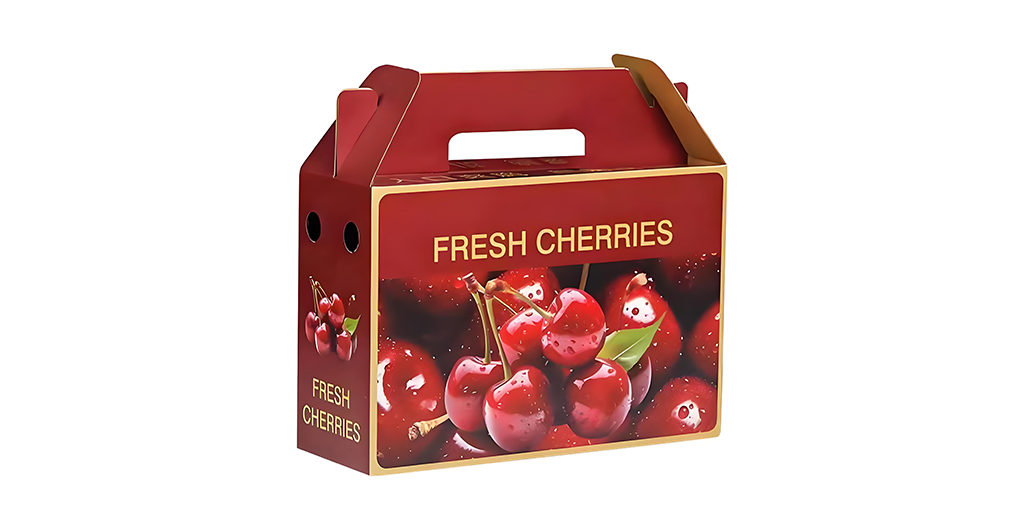
Why should you choose a gable corrugated box over other packaging options? Let me tell you, there are plenty of reasons! First off, these boxes are incredibly versatile. They can be used for everything from food and beverages to gifts and retail products. Think about those cute little boxes you get at a bakery filled with delicious treats – chances are, those are gable boxes!
Another big advantage is their portability. The gable top usually incorporates a handle, making it super easy to carry. Imagine trying to carry a cake in a regular box versus a gable box – the handle makes a world of difference, right? I’ve personally used gable boxes for carrying homemade gifts, and the convenience is unmatched.
Plus, gable corrugated boxes are excellent for branding. The flat surfaces offer ample space for printing your logo, product information, and attractive graphics. A well-designed gable box can really make your product stand out on the shelf. In today’s competitive market, capturing the customer’s attention is crucial, and packaging plays a huge role in that. And let’s not forget, corrugated cardboard is relatively inexpensive, making gable corrugated boxes a cost-effective packaging choice, especially when ordered in bulk.
Finally, gable boxes offer excellent product protection. The corrugated material safeguards items from bumps, drops, and other potential damage during transit. This is especially important for fragile items or products that need to arrive in pristine condition. The added protection reduces the chances of returns and damaged goods, ultimately saving businesses money and building a positive customer experience.
Summary of Advantages:
Versatility: Suitable for various products and industries.
Portability: Easy-to-carry handle design.
Brandability: Ample space for logos, graphics, and product information.
Cost-effectiveness: Affordable, especially for bulk orders.
Protection: Corrugated material safeguards products during shipping.
The journey of a gable corrugated box starts with trees! Most corrugated cardboard is made from wood pulp, often sourced from sustainably managed forests. The wood is processed into pulp, which is then used to create large rolls of linerboard and corrugated medium. This process typically involves using a combination of virgin and recycled fibers, showcasing the industry’s commitment to sustainability.
Next, the linerboard and medium are fed into a corrugating machine. This impressive piece of equipment uses heat and pressure to create the wavy flutes in the medium and then glues it between the two linerboards. Imagine a giant sandwich maker for cardboard! The resulting corrugated sheet is then cut to the required size.
Now comes the transformation into a gable box. This is typically done using a die-cutting machine. Think of it like a giant cookie cutter! The machine precisely cuts and scores the corrugated sheet, creating the flat blank for the gable box. The blank is then folded and glued, often automatically by a folding and gluing machine. And voila! A gable corrugated box is born.
The entire process is quite fascinating and showcases the efficiency of modern manufacturing. Many packaging companies utilize advanced automation and quality control measures to ensure that the boxes are produced to the highest standards, providing consistent quality and performance.
While the basic gable shape remains consistent, there’s a surprising amount of variety within the world of gable corrugated boxes. One key difference, as mentioned earlier, is the flute size. A-flute boxes are thick and provide maximum cushioning, while E-flute boxes are thin and offer a smooth surface for printing. C-flute is a popular all-around choice, offering a good balance of protection and printability.
Another variation is in the closure mechanism. Some gable boxes have simple tuck-top closures, where flaps are inserted into slots to close the box. Others have auto-bottom closures, where the bottom of the box is pre-glued, making assembly faster and easier. There are also snap-lock bottom closures that provide a very secure hold, perfect for heavier items.
Handle designs also vary. Some gable boxes have integrated handles, which are cut-outs in the box itself. Others have applied handles, such as plastic or rope handles attached to the box. Reinforced handles are also available for heavier items, providing extra durability. I’ve seen some really creative handle designs that add a unique touch to the box!
Finally, the printing and finishing options can significantly differentiate gable boxes. Some boxes have simple one-color printing, while others feature full-color graphics, coatings, and special effects. The level of customization depends on the desired aesthetic and budget.
Here’s a table summarizing common gable box variations:
| Feature | Options | Considerations |
| Flute Size | A, B, C, E, F | Product weight, protection needs, print quality |
| Closure | Tuck-top, Auto-bottom, Snap-lock Bottom | Ease of assembly, security, product weight |
| Handle | Integrated, Applied, Reinforced | Product weight, portability, aesthetic appeal |
| Printing/Finishing | Flexographic, Offset, Digital, Coatings, etc. | Branding, visual appeal, budget |
Gable corrugated boxes are incredibly versatile, making them suitable for a wide range of industries. However, some industries benefit more than others from their unique combination of portability, protection, and branding potential.
The food and beverage industry is a prime example. Think of takeout containers from restaurants, bakery boxes, and even beverage cartons. The handle makes it easy for customers to carry their food and drinks, while the corrugated material keeps the contents safe and insulated. As a parent, I can personally vouch for the convenience of gable boxes for kids’ meals and party treats.
The gift industry is another major user of gable boxes. These boxes provide an attractive and convenient way to package gifts, whether it’s a small candle or a set of gourmet snacks. The branding potential allows gift retailers to create a memorable unboxing experience for their customers.
Retail businesses also utilize gable boxes for a variety of products, from clothing and accessories to small electronics and toys. The boxes can be custom-printed with branding and product information, helping them stand out on shelves and attract customers’ attention. I’ve seen some really innovative uses of gable boxes in boutique shops, where the packaging becomes part of the overall product experience.
Beyond these, industries like cosmetics, pharmaceuticals, and even e-commerce are finding creative uses for gable corrugated boxes. Their versatility and adaptability make them a valuable packaging solution for a wide array of products. For example, e-commerce businesses are using them to ship subscription boxes and curated product bundles, offering a unique and branded delivery experience.
Here’s a list of industries that commonly use gable corrugated boxes:
Food and Beverage: Takeout containers, bakery boxes, beverage cartons, snack boxes
Gift Industry: Gift sets, party favors, promotional items
Retail: Clothing, accessories, small electronics, toys, cosmetics
Pharmaceuticals: Over-the-counter medications, personal care items
E-commerce: Subscription boxes, curated product bundles, shipping for smaller items
Events and Catering: Party favors, promotional items, lunch boxes
Absolutely! Customization is one of the biggest advantages of gable corrugated boxes. You can tailor them to your specific needs and create packaging that truly reflects your brand.
Starting with the box itself, you can choose the size and dimensions to perfectly fit your product. No more wasted space or ill-fitting packaging! You can also select the flute type based on the level of protection you need and the desired print quality. As I mentioned earlier, different flutes offer different benefits.
Then comes the fun part: branding and design. The flat surfaces of the gable box provide ample space for your logo, product name, tagline, and other important information. You can choose from various printing methods, including flexography for simple designs and large quantities, offset lithography for high-quality images and vibrant colors, and digital printing for short runs and personalized packaging. I once worked on a project where we used digital printing to create unique gable boxes for a limited-edition product launch, and the results were fantastic.
Beyond printing, you can add various finishes to enhance the look and feel of the box. Aqueous coatings provide a subtle sheen and protect against scuffs, UV coatings offer a high-gloss finish and added durability, and laminations create a premium look and feel. You can also incorporate special effects like embossing, debossing, foil stamping, and spot UV to make your packaging truly stand out.
In my experience, a well-designed gable box can significantly increase a product’s perceived value and attract customers. It’s an investment that pays off in terms of brand recognition and customer satisfaction. The key is to create packaging that is not only visually appealing but also functional and informative.
Customization Options:
Size and Dimensions: Tailor-made to fit the product perfectly.
Flute Type: Select the appropriate flute for protection and printability.
Printing: Flexography, offset lithography, digital printing.
Coatings: Aqueous, UV, lamination.
Special Effects: Embossing, debossing, foil stamping, spot UV.
Handle Design: Integrated, applied, reinforced.
Closure Mechanism: Tuck-top, auto-bottom, snap-lock.
Window Patches: Allow customers to see the product inside.
Inserts and Dividers: Organize and protect multiple items.
Choosing the right gable corrugated box is crucial for ensuring your product is well-protected, looks appealing, and arrives in perfect condition. Here’s a step-by-step guide to help you make the right decision:
Step 1: Determine Your Product’s Needs: Start by considering the size, weight, and fragility of your product. A heavy or fragile item will require a stronger box with a larger flute size, while a lightweight item might be fine with a thinner box. You should also think about any special requirements, such as temperature sensitivity or moisture resistance.
Step 2: Select the Appropriate Flute Size: Based on your product’s needs, choose the appropriate flute size. Remember, A-flute offers the most cushioning, while E-flute provides a smooth surface for printing. C-flute is often a good compromise. I’ve found that discussing the options with a packaging expert can be really helpful in making this decision.
Step 3: Choose the Right Closure Mechanism: Consider how secure the closure needs to be. A tuck-top closure is simple and economical, but an auto-bottom or snap-lock bottom might be better for heavier items or products that require extra security.
Step 4: Select a Handle Design: Think about how your customers will carry the box. An integrated handle is convenient for lighter items, while an applied or reinforced handle might be necessary for heavier products.
Step 5: Design Your Packaging: This is where you get to unleash your creativity! Work with a designer to create a visually appealing package that reflects your brand and attracts customers. Consider your target audience and what kind of messaging will resonate with them.
Step 6: Choose Printing and Finishing Options: Select the printing method and finishes that fit your budget and desired aesthetic. High-quality printing can make a big difference in how your product is perceived.
Step 7: Order a Sample: Before placing a large order, it’s always a good idea to order a sample box to ensure it meets your expectations. This allows you to test the fit, durability, and overall appearance of the packaging.
Step 8: Source Your Boxes: Find a reputable supplier that can provide high-quality boxes at a competitive price. Consider factors like lead times, minimum order quantities, and customer service.
By following these steps, you can confidently choose the right gable corrugated box for your product, ensuring it is protected, looks great, and enhances your brand image.
In today’s world, sustainability is more important than ever, and packaging is no exception. The good news is that gable corrugated boxes can be a very eco-friendly packaging option, especially when made from recycled materials and designed for recyclability.
Corrugated cardboard itself is inherently sustainable. It’s made from a renewable resource (trees), and the manufacturing process often utilizes a significant percentage of recycled fibers. According to the Corrugated Packaging Alliance, the recovery rate for old corrugated containers (OCC) in the United States is consistently high, meaning a large portion of cardboard is recycled and used to make new boxes.
To ensure your gable boxes are as eco-friendly as possible, look for the following:
Recycled Content: Choose boxes made from a high percentage of post-consumer recycled content.
Recyclability: Make sure the box is designed to be easily recyclable after use. Avoid excessive use of inks, coatings, or adhesives that might hinder recyclability.
Source Reduction: Optimize the box size to minimize material usage. A smaller box not only uses less material but also reduces transportation costs and emissions.
Sustainable Inks and Coatings: Opt for eco-friendly inks, such as soy-based or water-based inks, and water-based coatings.
FSC Certification: Look for boxes certified by the Forest Stewardship Council (FSC), which ensures that the wood pulp used to make the boxes comes from responsibly managed forests.
As a consumer, I actively look for products packaged in sustainable materials, and I believe many others feel the same way. Choosing eco-friendly gable corrugated boxes not only benefits the environment but can also enhance your brand image and appeal to environmentally conscious consumers. I’ve even seen some companies highlight their commitment to sustainability by printing eco-labels directly on the boxes!
“Sustainability is no longer about doing less harm. It’s about doing more good.” – Jochen Zeitz, former CEO of PUMA
Finding the right supplier for your gable corrugated boxes is essential for ensuring quality, timely delivery, and competitive pricing. Luckily, there are many options available, depending on your needs and order size.
For Small Quantities:
Online Retailers: Websites like Amazon, Etsy, and Uline offer a variety of stock gable boxes in different sizes and colors. These are great options if you need a small number of boxes for personal use, gifts, or small-scale events.
Local Packaging Supply Stores: Many cities have local packaging supply stores that sell a range of boxes, including gable boxes. This is a good option if you want to see the boxes in person before purchasing them and need them quickly.
Craft Stores: Craft stores often carry smaller gable boxes that are perfect for gifts and party favors.
For Larger Quantities and Custom Orders:
Corrugated Box Manufacturers: If you need a large quantity of boxes or require custom sizes, printing, and finishes, you’ll want to work directly with a corrugated box manufacturer. These companies specialize in producing high-quality corrugated packaging and can offer a wide range of customization options.
Packaging Distributors: Packaging distributors act as intermediaries between manufacturers and end-users. They can offer a variety of boxes from different manufacturers and can often provide competitive pricing and value-added services.
Online Wholesale Marketplaces: Websites like Alibaba and Global Sources connect buyers with manufacturers and suppliers from around the world. This is a good option for sourcing large quantities of boxes at competitive prices, but it’s important to do your due diligence and vet potential suppliers carefully.
When choosing a supplier, consider the following factors:
Quality: Make sure the supplier uses high-quality materials and has a good reputation for producing durable and well-made boxes.
Pricing: Compare prices from different suppliers to ensure you’re getting a competitive rate. Remember to factor in shipping costs and any additional charges for customization.
Lead Times: Find out how long it will take for the supplier to produce and deliver your boxes. This is especially important if you have a tight deadline.
Minimum Order Quantities: Some suppliers have minimum order requirements, especially for custom boxes. Make sure their minimums align with your needs.
Customer Service: Choose a supplier that is responsive and easy to communicate with. Good customer service can make a big difference if you have any issues or need assistance with your order.
Sustainability Practices: If sustainability is important to you, look for suppliers that use recycled materials, offer eco-friendly printing options, and have certifications like FSC.
I recommend getting quotes from multiple suppliers before making a decision. It’s also a good idea to ask for samples to evaluate the quality and appearance of the boxes firsthand. Building a good relationship with a reliable packaging supplier can be a valuable asset for your business.
The world of packaging is constantly evolving, and gable corrugated boxes are no exception. Several trends and innovations are shaping the future of this versatile packaging solution.
1. Enhanced Sustainability: Sustainability will continue to be a major focus. We can expect to see increased use of recycled materials, innovative bio-based materials, and more efficient manufacturing processes that minimize waste and energy consumption. There’s also a growing emphasis on designing boxes for easy recyclability and compostability. I anticipate more companies will adopt circular economy principles, where packaging materials are reused and repurposed rather than discarded.
2. Digital Printing Advancements: Digital printing technology is becoming more sophisticated and affordable, allowing for greater customization and personalization. We can expect to see more gable boxes with high-quality graphics, variable data printing (allowing for unique codes or images on each box), and even augmented reality (AR) features that enhance the customer experience. Imagine pointing your phone at a box and seeing a 3D model of the product inside!
3. Smart Packaging: The integration of technology into packaging is on the rise. Smart gable boxes could include features like temperature sensors to monitor perishable goods, RFID tags for tracking inventory, and even tamper-evident seals that alert consumers if a product has been opened. These technologies can improve product safety, enhance supply chain efficiency, and provide valuable data for businesses.
4. Lightweighting and Material Optimization: Manufacturers are constantly seeking ways to reduce material usage without sacrificing strength and durability. We can expect to see thinner, lighter-weight corrugated cardboard and innovative designs that maximize structural integrity while minimizing material consumption. This not only reduces costs but also lowers the environmental impact of packaging.
5. E-commerce Optimization: With the continued growth of e-commerce, gable boxes are being adapted to meet the specific needs of online retailers. This includes features like integrated cushioning, easy-to-open designs, and return-friendly packaging. I’ve noticed an increase in the use of frustration-free packaging that eliminates the need for excessive plastic or hard-to-open clamshells.
6. Interactive Packaging: Packaging is becoming more than just a container; it’s a communication tool. We can expect to see more gable boxes with interactive elements, such as QR codes that link to online content, engaging graphics that tell a story, and even built-in games or puzzles. These interactive features can enhance customer engagement and create a more memorable brand experience.
In conclusion, the future of gable corrugated boxes looks bright. Driven by sustainability concerns, technological advancements, and evolving consumer preferences, these versatile boxes will continue to play a vital role in packaging across a wide range of industries. As an author specializing in this area, I’m excited to see the innovative ways businesses will use gable boxes to enhance their products and engage their customers in the years to come.
Key Takeaways – Remember These Important Points:
Gable corrugated boxes combine a distinctive gable top with the strength of corrugated cardboard.
They offer numerous advantages, including portability, brandability, protection, and cost-effectiveness.
Gable boxes are made from sustainable materials and are highly recyclable.
They can be customized with various printing, finishing, and closure options.
A wide range of industries benefit from gable box packaging, from food and beverages to gifts and e-commerce.
Choose the right gable box by considering your product’s needs, flute size, closure mechanism, and handle design.
Source your boxes from reputable suppliers who offer quality, competitive pricing, and good customer service.
The future of gable boxes is driven by sustainability, digital printing, smart packaging, and e-commerce optimization.
I hope this comprehensive guide has provided you with valuable insights into the world of gable corrugated boxes. Whether you’re a business owner looking for the perfect packaging solution or a consumer curious about the boxes you encounter every day, I believe gable corrugated boxes will continue to be a prominent and innovative force in the packaging industry.
You can leave any questions. We will see and answer you.