Zibo City, Shandong Province

Have Any Questions?

10 AM – 6 PM
Zibo City, Shandong Province
Have Any Questions?
10 AM – 6 PM

Have Any Questions?

Have you ever wondered why different things come in different kinds of boxes or bags? It’s all about Packaging Materials and Packaging Styles! This article is like a treasure map that will guide you through the exciting world of how things are wrapped up. We’ll learn about different types of cardboard, why some boxes are stronger than others, and even how much they might cost. Get ready to become a packaging expert!
Think about all the different things you’ve opened up recently. Did they all come in the same kind of wrapping? Probably not! There are lots of different packaging materials used to wrap and protect the things we buy. The most common one you probably see is cardboard, which makes up many of our boxes. But there’s also plastic, like the bottles your drinks come in or the wrappers around your snacks. Glass is another material, often used for jars of jam or pickles. Metal is used for cans of soup or paint. And don’t forget about paper, which can be used for wrapping gifts or making Paper bags!
Each of these packaging materials has its own special job. Plastic is light and can be shaped easily. Glass keeps things fresh and doesn’t let air in. Metal is strong and can be sealed tightly. And cardboard is great because it’s strong but also light and can be recycled! Sometimes, companies even use a mix of packaging materials. Think about a juice box – it might have a cardboard outside, a plastic layer inside to stop leaks, and maybe even a thin layer of metal to keep the juice fresh. Choosing the right packaging material is like picking the right clothes for the weather – it needs to fit the product perfectly!
Just like there are different packaging materials, there are also lots of different packaging styles. Why not just use the same box for everything? Because different things need different kinds of protection and need to look different too! A yummy cookie needs different packaging than a fragile glass toy. Packaging styles are all about the shape and design of the wrapping. A simple cardboard box is a style. But so is a bottle with a lid, a bag with handles, or even a Rigid boxes that feels really fancy.
Each packaging style has its own superpowers. A Folding boxes, like the one your cereal comes in, is easy to put together and can be stored flat before it’s used. A strong Shipping boxes made of thick cardboard can handle being tossed around during delivery. Even Colorful Corrugated Box can make things look more exciting! The packaging style is chosen carefully to make sure the product stays safe, is easy for you to open and use, and looks good on the shelf. It’s like choosing the right vehicle for a trip – a scooter is good for a short ride, but you need a truck to move furniture!
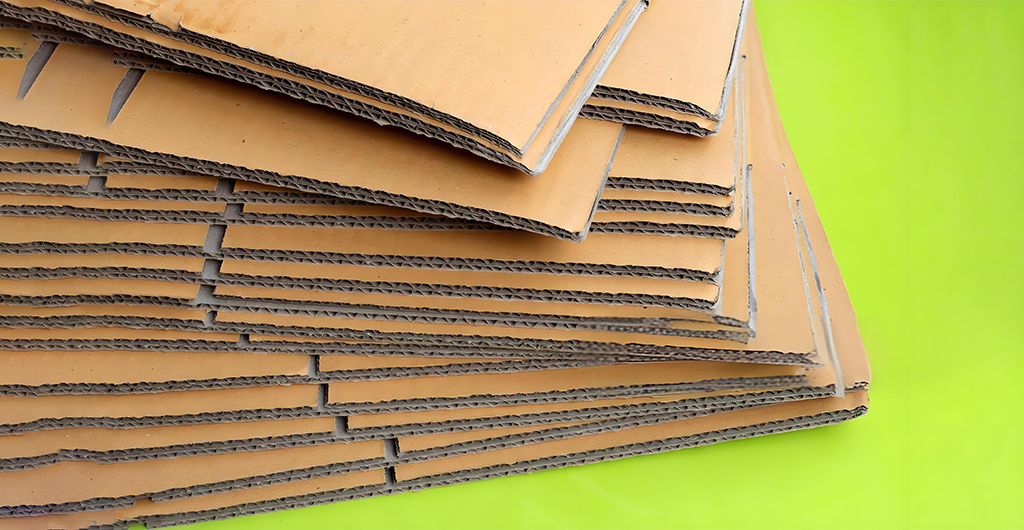
Let’s zoom in on one of the most common packaging-materials: cardboard. When we talk about cardboard for making boxes, we’re usually talking about something called corrugated board. Imagine making a paper sandwich! Corrugated board has a wavy layer in the middle, called the “core paper” or “fluting.” This wavy part is squished between two flat layers of paper, called the “face paper” and the “bottom paper.” This wavy middle layer is what makes cardboard so strong. Think of it like the arches in a bridge – they can hold up a lot of weight!
Different kinds of cardboard based on how many of these paper layers it has. “single wall,” has just one wavy layer. This is like a single scoop of ice cream. “double wall,” has two wavy layers with a flat layer in between them. Think of this as a double-scoop ice cream cone, even stronger! “triple wall,” has a super strong three wavy layers! Imagine a triple-scoop cone – that’s serious strength! The more layers there are, the tougher the packaging-materials are. It’s like building with LEGOs – one layer is okay, but more layers make a stronger tower!
Besides the different materials, the packaging-styles, or the shape and design of the package, are also very important. The most basic style is the regular slotted container (RSC). This is just your normal cardboard box with flaps that fold in to close it. It’s easy to make and use for lots of things, like shipping toys or books. Another style is the die-cut box. Imagine using a giant cookie cutter to cut out a special shape for a box, maybe even with a handle! Die-cut boxes can be really creative and are often used for things you see in stores where how they look is important.
There are also folder boxes, which wrap around the product like a cozy blanket. These are good for things that need extra padding. Then you have telescope boxes, where the lid slides over the base, just like a shoebox. And we can’t forget about those fancy Rigid boxes you see for gifts or expensive items – they’re super sturdy! The packaging-style is picked based on what’s being packed, how it will travel, and how it needs to look. It’s like choosing the right container for your lunch – you wouldn’t put soup in a sandwich bag!
The magic of packaging happens when the packaging materials and the packaging styles work together. The material gives the package its basic strength, and the style is how that material is used to make a safe container. For example, strong corrugated cardboard is often used to make regular slotted container boxes for shipping because the material is tough and the simple style is easy to make and close.
Think about sending a delicate glass ornament in the mail. You wouldn’t just wrap it in a thin piece of paper! You’d probably use a strong corrugated box (the material) in a style that lets you put soft padding inside. You might use bubble wrap or packing peanuts to hold the ornament still and stop it from bouncing around. The packaging-materials make the outer shell, and the packaging styles let you add things inside to keep everything snug and secure. It’s like a superhero team where each member has a special power!
Like we learned earlier, cardboard can have different numbers of wavy layers inside. These layers make a big difference in how strong the packaging materials are. A single-wall box, with its one wavy layer, is good for things that are light and don’t need a lot of protection. Think about the box your breakfast cereal comes in. It’s strong enough for the job, but not too bulky.
Double-wall cardboard, with two wavy layers, is much stronger. The extra layer adds more cushion and makes it harder to crush. This kind of packaging-materials is often used for shipping things that are a little heavier or more breakable. Imagine the box your new video game system came in – that was probably double-wall. It needs to be tougher to survive the trip to your house.
Triple-wall cardboard is the super strong stuff of packaging materials! With three wavy layers, it gives the most protection and is used for really heavy, big, or fragile things that might get bumped around a lot. Think about shipping big car parts or things overseas. Those extra layers are like extra armor, making sure everything arrives in one piece. Choosing the right number of walls is like choosing the right helmet – you want enough protection for what you’re doing!
The information we looked at from China gives us a secret code for understanding how good the paper is that’s used in cardboard! These letters, “K,” “A,” “B,” and “C,” tell us about different types of paper and how much they weigh and how strong they are. Think of it like different kinds of wood – some are harder and stronger than others.
“K” paper is the strongest and heaviest, weighing between 210 and 230 grams for each square meter of paper. This means it’s really tough and hard to tear. It’s like the superhero of paper! “A” paper is a little lighter, weighing between 150 and 175 grams per square meter. “B” paper is even lighter, at 120 to 125 grams per square meter, and “C” paper is the lightest of these, weighing 110 to 115 grams per square meter. There’s also the “core paper” , which is the wavy part inside, and it usually weighs between 105 and 110 grams per square meter.
When you see codes like “K=K,” “K=A,” or “A3B,” these tell you what kind of paper is used for the outside layer, the wavy inside layer, and the inside layer of the cardboard. For example, “K=K” means the outside and inside layers are both made of K paper, the strongest kind. “K=A” means the outside layer is K paper, and the inside layer is A paper. For single-wall cardboard, you might see “K3K,” where the “3” tells you it’s a single wall. So, the first “K” is the outside paper, the “3” means single wall, and the last “K” is the inside paper. Knowing these codes helps you pick the right packaging styles with the right kind of paper for what you need. It’s like knowing what kind of ingredients to use to bake a super strong cake!
The weight of the paper, which we measure in grams per square meter (gsm), is super important for how strong packaging materials are. Think of it like the thickness of a piece of paper – a thicker piece is usually harder to tear. Heavier paper, like the “K” kind, has more tiny fibers packed together in the same space, which makes it stronger and harder to rip, poke holes in, or crush. It’s like having more friends on your team for a tug-of-war – you’re much harder to pull over!
Lighter paper, like the “C” kind, is still useful, but it’s not as tough and is better for things that are light and don’t need as much protection. Using heavy paper for light things might cost too much, and it wouldn’t really be necessary. But using light paper for heavy things could mean they get damaged when they’re being moved around. Picking the right paper weight is like finding the perfect balance – you want enough protection without spending too much money. It’s all about finding the best fit for your packaging materials needs.
Yes, they can! Taking care of our planet is really important, and that includes choosing the right packaging materials and styles. Cardboard is great because it’s usually Recyclable. Most cardboard boxes can be broken down and made into new cardboard things, which means we don’t have to cut down as many trees. Recycling is like giving old things a new life!
Besides recycling, more and more people are thinking about using sustainable packaging materials. This means using recycled paper to make cardboard or even trying out new materials made from plants that can break down naturally. Companies are also designing packaging styles that don’t use as much material, which means less waste. Think about boxes that fold up nicely without needing lots of extra tape or stuffing. Choosing Recyclable and sustainable packaging is good for the Earth, and it’s also something that many people look for when they’re buying things. It’s a win for everyone! You can even find paper coffins made from sustainable materials!
The information from China gives us a simple way to guess how much a regular cardboard box might cost:
(Length + Width + 2) (Width + Height + 1) 2 * Unit Price / 1000 = Box Price
Let’s break this down. The “+ 2” and “+ 1″ are probably for the extra cardboard needed for the flaps that close the box. The ” * 2″ is likely because the box has both a top and a bottom. The “Unit Price” is how much the cardboard costs, and dividing by 1000 helps us get the final price.
So, if you have a box that is 10 centimeters long, 5 centimeters wide, and 3 centimeters tall, and the cardboard costs $0.50 per unit, you would figure it out like this:
(10 + 5 + 2) (5 + 3 + 1) 2 * 0.50 / 1000 = ?
17 9 2 0.50 / 1000 = 153 1 / 1000 = 0.153
So, that button box might cost about $0.153. Remember that this is just a simple way to guess the price, and the real price might be different depending on how fancy the packaging style is, if there’s printing on it, and other things.
Key Things to Remember About Packaging Materials and Styles:
Understanding packaging materials and packaging styles helps us see how much thought goes into wrapping up the things we use every day. From simple Shipping boxes to colorful Colorful Corrugated Box, packaging plays a big part in our lives!
You can leave any questions. We will see and answer you.