Zibo City, Shandong Province

Have You Any Quires ?

10 PM – 6 PM
Zibo City, Shandong Province
Have You Any Quires ?
10 PM – 6 PM

Have You Any Quires ?
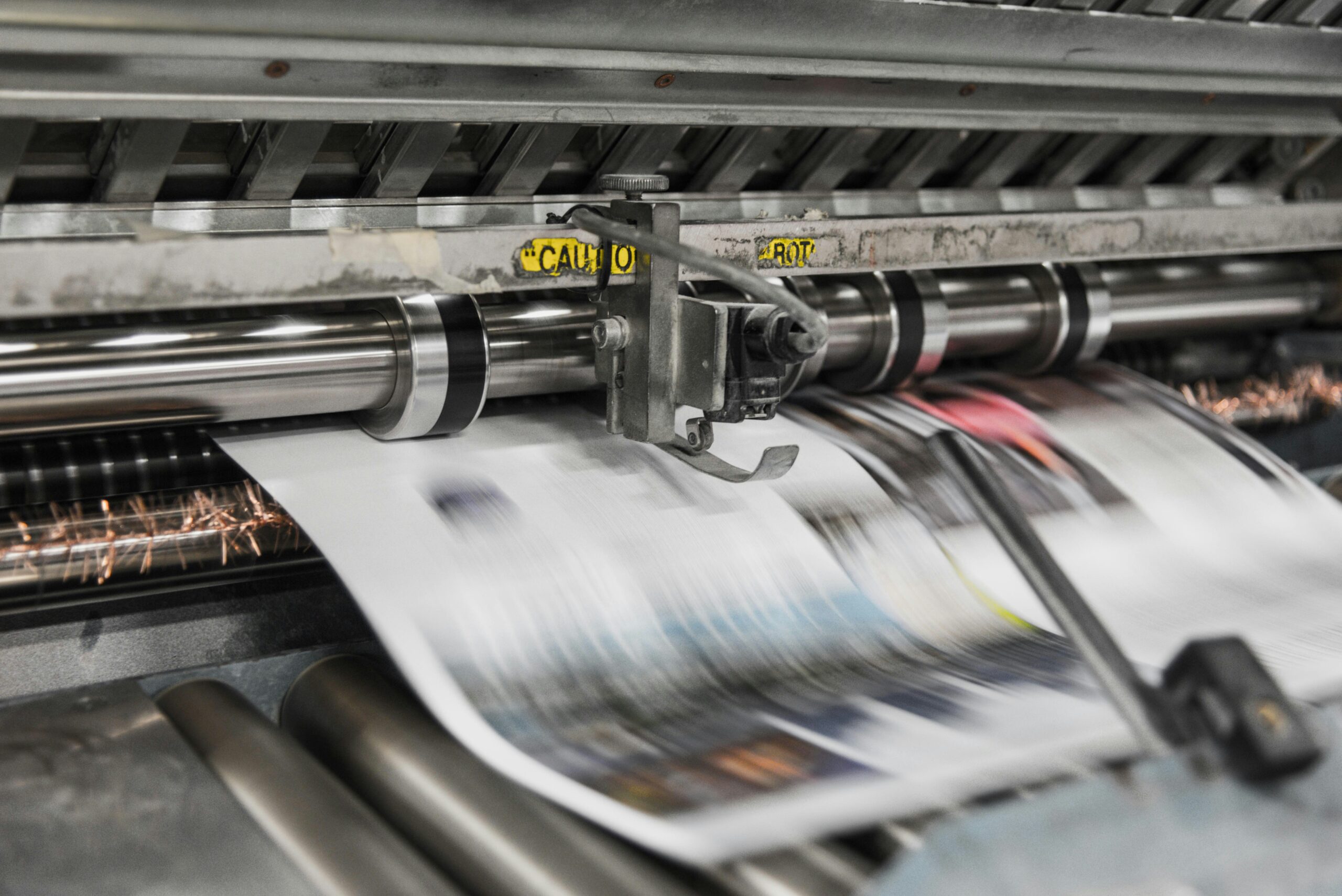

Have you ever wondered how your favorite books, magazines, and even the colorful boxes your online orders arrive in are made? It all starts with printing equipment. This article is your guide to understanding the fascinating world of these machines, from the massive presses that churn out newspapers to the specialized tools that create eye-catching packaging. Whether you’re curious about the process or involved in the printing industry, this read will equip you with the knowledge you need.
Imagine a world without printed materials. No books to read, no newspapers to inform, no labels on your food, and definitely no Paper bags to carry your groceries. Printing equipment encompasses a wide array of machines used to transfer text and images onto various surfaces, most commonly paper. From the simplest desktop printer to massive industrial presses, these machines are fundamental to communication, commerce, and culture. They allow us to share information, promote products, and even express ourselves artistically. Think about the Shipping boxes that safely deliver your online purchases – printing equipment is essential in creating the labels and even the printed designs on those boxes. Without this technology, our daily lives would look drastically different. The ability to mass-produce printed materials has revolutionized how we learn, shop, and interact with the world around us.
The impact of printing equipment extends beyond the tangible. Consider the importance of printed educational materials in schools, the role of brochures and flyers in marketing, and the significance of printed maps and guides for navigation. Even the seemingly simple act of printing a recipe relies on this technology. The printing industry, powered by this essential equipment, is a significant economic force, providing jobs and supporting countless other businesses. Furthermore, as we increasingly focus on sustainability, the evolution of printing equipment towards more environmentally friendly practices, like using recyclable materials for paper coffins and Paper bags, becomes even more crucial.
Before the magic of printing happens on a press, a crucial stage called pre-press takes place. This involves preparing the digital files and creating the necessary plates or stencils for the printing process. Think of it as laying the groundwork for a perfect print. Key pieces of pre-press equipment include film setters, which were traditionally used to create film negatives or positives for plate making. While less common now with the rise of Computer-to-Plate (CTP) technology, they played a vital role in the past. proof printers are used to create sample prints, allowing for a final check of the design, colors, and layout before committing to a full production run. This helps avoid costly errors and ensures the final product meets expectations.
The digital revolution has significantly impacted pre-press. Apple computers are widely used in the graphic design industry for creating and manipulating artwork due to their robust software and color accuracy. color inkjet printers and laser printers are used for generating proofs and even short-run prints. Scanners are essential for digitizing artwork, photographs, and other physical materials for inclusion in printed projects. The pre-press stage is where precision and attention to detail are paramount. Ensuring the digital files are correctly prepared and the plates are accurately made is critical for achieving high-quality printed results. Mistakes in this stage can lead to blurry images, incorrect colors, or misaligned text on the final printed product, whether it’s a magazine or a Rigid boxes.
The heart of any printing operation is the printing press itself. These powerful machines come in various shapes and sizes, each designed for specific printing tasks and volumes. Rotary presses are workhorses, renowned for their speed and efficiency in producing high volumes of materials like newspapers, books, and magazines. These presses use cylindrical plates and a continuous roll of paper, allowing for incredibly fast printing. You’ll find both domestic and imported versions of these machines, each with its own set of features and capabilities.
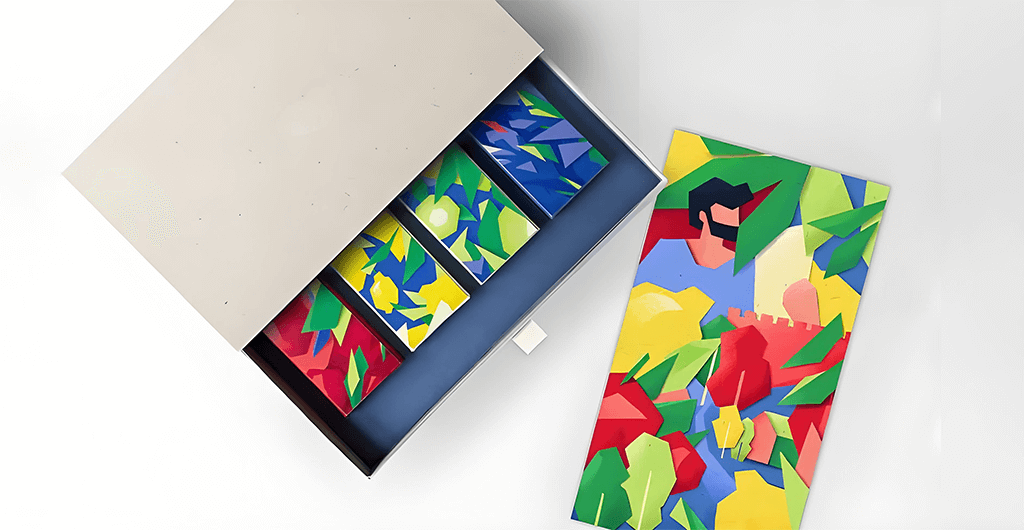
For more versatile printing needs, full-size presses are capable of handling a wide range of paper sizes and thicknesses, making them suitable for printing various commercial products. Then come the size-based classifications like half-size presses, quarter-size presses, sixth-size presses, and eighth-size presses. The size designation refers to the maximum paper size the press can handle. Importantly, quarter-size presses and half-size presses are further categorized by the number of colors they can print simultaneously: single-color, two-color, and four-color presses. This capability is crucial for producing vibrant and detailed color prints, like those found on high-quality brochures or Colorful Corrugated Box. The choice of printing press depends heavily on the specific job requirements, including the print volume, paper size, and color complexity.
Once the ink is on the paper, the journey isn’t over. Post-press equipment is essential for transforming printed sheets into finished, usable products. This stage involves a variety of processes that add value and functionality to the printed materials. die-cutting machines are used to cut paper or cardboard into specific shapes, crucial for creating packaging like Folding boxes or unique promotional materials. Collating machines gather printed sheets in the correct order for binding. Paper cutters or guillotines precisely trim printed stacks to the final size.
For decorative enhancements, Foil stamping machines apply metallic or colored foils to create eye-catching accents. Embossing machines raise certain areas of the paper to add texture and dimension. Debossing machines create recessed designs. Numbering machines add sequential numbers or codes, often used for invoices or tickets. Gathering machines are used for assembling multi-part forms. Laminating machines apply a protective plastic coating for durability and a glossy finish. Finally, Binding machines hold the pages of a book or magazine together. Post-press equipment is what transforms printed sheets into the finished products we use every day, adding the crucial final touches that make them functional and appealing.
While the standard printing presses handle a vast majority of print jobs, specialized printing equipment exists to cater to specific materials and applications. Label printing machines are designed specifically for printing adhesive labels, commonly found on product packaging, including those on Paper bags. These machines often incorporate features for die-cutting and waste removal. Continuous form printers are used for printing multi-part forms, like invoices or receipts. Business card printers are compact machines designed for quickly producing business cards.
Risograph printers offer a cost-effective solution for high-volume, single or spot-color printing, often used for flyers or internal documents. Copiers, while technically a form of printing equipment, are primarily used for making duplicates of existing documents. Cardboard box printers are heavy-duty machines designed for printing directly onto corrugated cardboard, essential for creating Shipping boxes with branding and shipping information. These specialized machines highlight the diversity within the printing industry and the tailored solutions available for various printing needs.
The vibrant colors we see in printed materials are achieved through the use of specialized inks. A key distinction lies between water-based and alcohol-based inks, each with its own set of characteristics and applications. Traditional color printing often involves water-based inks. These inks are generally considered more environmentally friendly as they have lower VOC (volatile organic compound) emissions. They are commonly used for printing on paper and cardboard, making them suitable for applications like book printing and creating Colorful Corrugated Box.
Alternatively, alcohol-based inks offer several advantages. A key benefit is that they don’t bleed through the paper as easily, resulting in sharper images, particularly on thinner paper stocks. They also dry quickly, which is crucial for high-speed printing processes. Furthermore, ink is glossy, leading to visually appealing prints. The resulting text has a three-dimensional feel, images are clear, and colors are vibrant contribute to a higher perceived quality. While alcohol-based inks offer these advantages, considerations regarding VOC emissions and safety protocols are important. The choice between water-based and alcohol-based inks depends on factors like the substrate being printed on, the desired print quality, and environmental considerations.
Printing equipment operates on a spectrum of automation, ranging from manual operation to fully automated systems. Printing can be done through manual operation, where each step of the printing process is controlled by an operator. This is often seen in smaller-scale operations or with specialized equipment for unique effects. Mechanical operation involves machines that perform tasks automatically but may still require operator intervention for setup, adjustments, and monitoring. Many traditional printing presses fall into this category.
The most advanced level is fully automated operation. These systems are controlled by computers, minimizing human intervention and maximizing efficiency. From loading paper to controlling ink flow and even performing quality checks, these machines can run complex print jobs with minimal oversight. Automated systems offer significant advantages in terms of speed, consistency, and reduced labor costs. However, they also require a higher initial investment and specialized technicians for maintenance. The level of automation in printing equipment is a key factor in determining production capacity and overall efficiency.
In today’s world, sustainability is a growing concern, and the printing industry is playing its part in promoting environmentally friendly practices. Printing equipment contributes to Recyclable packaging in several ways. The development of water-based inks, as mentioned earlier, reduces the emission of harmful VOCs. Furthermore, advancements in printing technology allow for more efficient use of ink and paper, minimizing waste.
The ability to print directly onto Shipping boxes using specialized equipment reduces the need for separate labels, streamlining the packaging process and potentially reducing material usage. Even the printing of paper coffins, while a sensitive topic, can utilize sustainable materials and printing processes. The choice of printing equipment that can handle recycled paper and cardboard is also crucial for supporting a circular economy. As consumer demand for sustainable products grows, the printing industry continues to innovate, developing equipment and processes that minimize environmental impact and promote the recyclability of printed materials, including essential packaging like Paper bags.
The printing equipment industry is constantly evolving, driven by technological advancements and changing market demands. We can expect to see continued innovation in areas like digital printing technologies, which offer greater flexibility and the ability to personalize prints. The integration of artificial intelligence (AI) and machine learning could lead to more automated and efficient printing processes, with machines capable of self-diagnostics and optimization.
Sustainability will continue to be a major driver of innovation, with a focus on developing more environmentally friendly inks, reducing waste, and improving the energy efficiency of printing equipment. The rise of smart packaging, with embedded sensors and interactive elements, will likely require new printing techniques and equipment. We can also anticipate further advancements in the speed and quality of printing, allowing for faster turnaround times and even more stunning visual results on everything from marketing materials to Rigid boxes. The future of printing equipment promises exciting possibilities, pushing the boundaries of what’s possible in the world of printed materials.
Printing equipment plays a fundamental role in creating the visually appealing and informative packaging we encounter daily. From the vibrant graphics on a Colorful Corrugated Box to the clear branding on Folding boxes, these machines bring designs to life. Specialized cardboard box printers can handle the thick materials needed for Shipping boxes, ensuring vital information and branding are clearly displayed. Label printing machines efficiently produce the adhesive labels found on countless products, often affixed to Paper bags.
The versatility of modern printing equipment allows for intricate designs, high-quality images, and durable finishes on a wide range of packaging materials. The ability to print in multiple colors, add special effects like foil stamping, and die-cut unique shapes transforms simple packaging into a powerful marketing tool. Even the creation of more specialized packaging, like Rigid boxes known for their premium feel, relies on precise printing and finishing techniques. The printing equipment used in packaging not only makes products attractive but also provides essential information to consumers, contributing to informed purchasing decisions. The evolution of printing technology continues to drive innovation in the packaging industry, enabling the creation of ever more visually appealing and functional designs.
Key Takeaways:
Printing equipment is crucial for creating visually appealing and informative packaging.
Printing equipment is essential for producing a wide range of materials, from newspapers and books to packaging.
Pre-press equipment prepares digital files and creates plates for the printing process.
Various types of printing presses exist, each suited for different print volumes and applications.
Post-press equipment adds finishing touches like cutting, folding, and binding.
Specialized printing equipment caters to niche needs, such as label printing and cardboard box printing.
Water-based and alcohol-based inks have different properties and applications in color printing.
Printing equipment operates at different levels of automation, from manual to fully automatic.
Sustainable practices are increasingly important in the printing industry.
The future of printing equipment will likely involve more digital integration, automation, and sustainable technologies.
You can leave any questions. We will see and answer you.