Have you ever admired a product presented in a beautiful, sturdy box? While the design and graphics catch the eye, the often-overlooked element of size, specifically the external dimensions of rigid boxes, plays a silent but powerful role in packaging success. This article uncovers the hidden power of these dimensions, revealing why they are far more critical than you might think. Understanding external dimensions is essential for optimizing product protection, minimizing shipping costs, enhancing brand appeal, and even contributing to sustainability. Read on to discover why mastering rigid box external dimensions is a game-changer for your packaging strategy.
1. What Exactly Are Rigid Boxes and Why Are They Popular?
Before we dive into the specifics of external dimensions, let’s understand what rigid boxes are and why they have become a favored choice for premium packaging. Recognizing their inherent qualities will highlight why dimension planning is so crucial for this packaging style.
Understanding the Basics of Rigid Boxes – Packaging Style and Materials
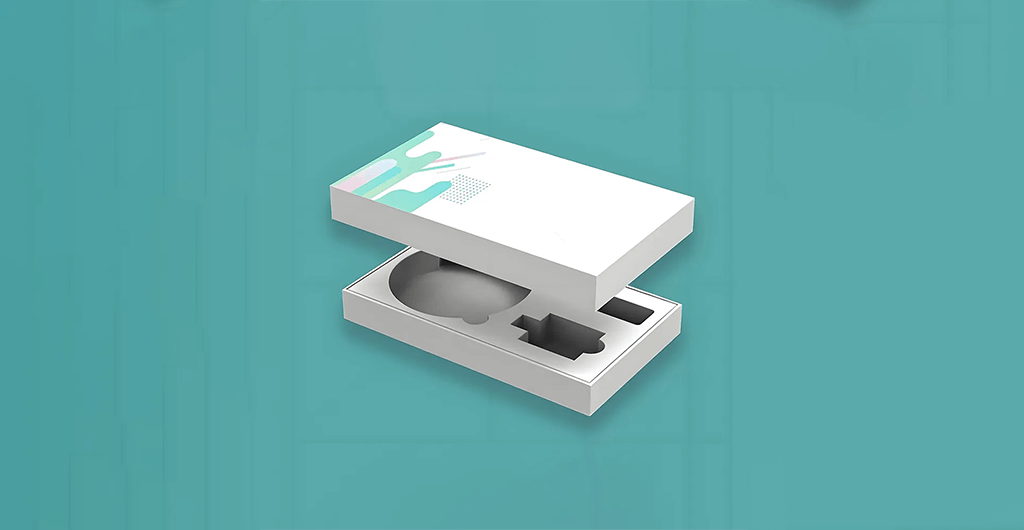
Rigid boxes, also known as set-up boxes, are characterized by their sturdy and premium construction. Unlike folding cartons that are shipped flat and assembled by the user, rigid boxes are pre-assembled and maintain their shape at all times. This inherent rigidity is achieved through their construction:
Thick, non-bending chipboard or paperboard core: This provides the robust structure and prevents crushing or deformation.
Wrapped with decorative paper or অন্যান্য materials: This outer wrap not only enhances aesthetics but also adds to the box’s strength and provides a surface for printing and branding.
Clean, crisp edges and a luxurious feel: These are hallmarks of rigid boxes, contributing to their upscale image.
This packaging style is synonymous with quality and high-value perception. Rigid boxes are not just containers; they are an integral part of the product experience, adding to the perceived value and desirability of the contents.
The Rise in Popularity of Rigid Box Packaging – Brand and Best Packaging Choice
The popularity of rigid box packaging has surged in recent years, driven by several factors that align with modern brand and consumer demands. They are increasingly seen as the best packaging choice for brands aiming to project quality and sophistication. Key drivers of their popularity include:
Enhanced Brand Image: Rigid boxes instantly convey a sense of luxury, quality, and attention to detail, elevating brand perception.
Superior Product Protection: Their robust construction offers exceptional protection, especially for delicate or high-value items.
Premium Unboxing Experience: The solid feel and elegant opening of rigid boxes create a memorable and positive unboxing experience, crucial for customer satisfaction and brand loyalty.
Increased Perceived Value: Products packaged in rigid boxes are often perceived as more valuable and desirable, justifying premium pricing.
Versatile Customization: Rigid boxes offer extensive customization options in terms of size, shape, materials, and finishing, allowing brands to create truly unique and impactful packaging.
This rise in popularity underscores why understanding and optimizing every aspect of rigid box design, including external dimensions, is so critical for brands seeking to leverage their premium appeal. For brands seeking the best packaging, rigid boxes are often the answer, but only when dimensions are thoughtfully considered.
2. Why External Dimensions Matter for Your Packaging – More Than Just Size
When we talk about packaging, size is often a primary consideration. However, with rigid boxes, external dimensions matter in ways that go far beyond simply fitting the product inside. These dimensions are critical drivers of product safety, cost-efficiency, and overall packaging effectiveness.
The Impact of External Dimensions on Product Protection – Ensuring Every Product Safety
The external dimensions of a rigid box directly influence its ability to provide product protection. Boxes that are too small or too large can compromise the safety of the contents. Here’s how dimensions impact protection and ensuring every product safety:
Crush Resistance and Stacking Strength: Proper external dimensions, combined with appropriate material thickness, determine the box’s ability to withstand stacking pressure in warehouses or during shipping. Boxes that are too wide or tall relative to their board strength may be prone to collapse, damaging the products inside.
Internal Cushioning and Fit: External dimensions dictate the internal space available for product placement and cushioning. Boxes that are too tight may not allow for adequate protective inserts, while boxes that are too large may allow the product to shift excessively during transit, increasing the risk of damage. Finding the right balance is key for best packaging practice.
Protection from Environmental Factors: While the material itself provides some barrier, the way external dimensions are designed can influence how well the box protects against dust, humidity, and light. Tighter fitting boxes with secure closures offer better environmental protection.
Therefore, carefully planned external dimensions are foundational to the protective function of rigid boxes, ensuring products arrive in perfect condition.
How External Dimensions Affect Shipping Costs – Wholesale and Retail Considerations
Beyond protection, external dimensions have a significant impact on shipping costs, both for wholesale bulk shipments and individual retail deliveries. Shipping carriers often use dimensional weight pricing, which means that the size of the package can be as important as its actual weight in determining shipping fees.
Dimensional Weight Calculation: Carriers calculate dimensional weight based on package length, width, and height. Larger external dimensions, even for lightweight items, can result in higher dimensional weight and increased shipping costs. Optimizing dimensions to minimize dimensional weight is crucial for cost-effective shipping.
Palletization Efficiency: For wholesale shipments, external dimensions directly impact how efficiently boxes can be loaded onto pallets. Standard pallet dimensions exist, and boxes designed to maximize pallet utilization (without overhang or wasted space) can significantly reduce the number of pallets needed, lowering shipping costs per unit. This is particularly relevant for wholesale rigid boxes.
Storage and Warehouse Costs: Larger external dimensions translate to increased storage space requirements in warehouses. Optimizing dimensions to minimize box volume can reduce storage footprint and associated warehouse costs.
By strategically planning external dimensions, businesses can minimize shipping expenses, improve palletization efficiency, and reduce overall logistics costs, directly impacting their bottom line. This is a critical consideration whether you are shipping in bulk or fulfilling individual orders.
3. Rigid Boxes External Dimensions: A Key Factor in Brand Presentation
While protection and cost are crucial, rigid boxes are also powerful tools for brand presentation, and external dimensions play a vital role in this aspect. The size and shape of your packaging are among the first things a customer notices, influencing their perception of your brand and product.
Using Dimensions for Better Shelf Presence – Design for Retail Success
In a competitive retail environment, shelf presence is paramount. Rigid box external dimensions can be strategically used to enhance product visibility and attract customer attention on store shelves. Effective use of dimensions for design for retail success includes:
Eye-Catching Size and Shape: Unique or intentionally sized rigid boxes can stand out from standard rectangular packaging. Taller, wider, or unusually shaped boxes can grab attention and differentiate your product.
Optimal Shelf Footprint: Dimensions should be designed to maximize shelf space utilization while ensuring the product is easily visible and accessible to shoppers. Boxes that are too deep or too narrow may be less effective in a retail setting.
Creating Visual Hierarchy: Using varying box dimensions within a product line can create a visual hierarchy on the shelf, drawing attention to key products or promotions.
Communicating Product Value: Larger or more substantial-looking rigid boxes can convey a sense of premium quality and higher product value, influencing purchasing decisions.
Carefully considered external dimensions are therefore a key element in creating impactful shelf presence and driving retail sales for products packaged in rigid boxes.
The Link Between Packaging Design and External Dimensions – Brand Image and Label Considerations
Packaging design and external dimensions are inextricably linked. The dimensions of your rigid box dictate the canvas you have for your branding elements, influencing brand image and label considerations. This connection includes:
Space for Branding Elements: External dimensions determine the printable surface area available for logos, brand names, taglines, and other branding elements. Larger dimensions offer more space for impactful branding.
Label Placement and Size: Dimensions influence where labels can be placed and the maximum label size that can be accommodated. Strategic label placement on prominent panels of the box is crucial for visibility and information delivery.
Overall Aesthetic and Proportions: The interplay between box dimensions and graphic design creates the overall aesthetic. Dimensions should complement the design elements to achieve a visually appealing and brand-consistent package. Unbalanced proportions can detract from even the best graphic design.
Consumer Handling and Interaction: Dimensions affect how consumers physically interact with the package. Boxes that are too bulky or awkwardly shaped may be less user-friendly and impact the overall brand experience.
Therefore, when planning your rigid box packaging, design and dimensions must be considered in tandem to create a cohesive and brand-enhancing presentation. Effective label considerations are also directly tied to available surface area dictated by dimensions.
4. The Recyclable Nature of Rigid Box Packaging and External Dimensions
In today’s environmentally conscious market, recyclability is a growing priority for both brands and consumers. The external dimensions of rigid boxes, surprisingly, play a role in their recyclable nature and overall sustainability profile.
How External Dimensions Contribute to Material Efficiency – Sustainable Packaging Materials
External dimensions directly impact material efficiency in rigid box manufacturing, which is a key aspect of sustainable packaging materials usage. Optimized dimensions contribute to sustainability by:
Minimizing Material Waste: Efficiently sized boxes, closely tailored to product dimensions, reduce the amount of chipboard and wrapping paper needed per package. Less material used per box translates to less waste in production.
Optimizing Material Yield: When cutting chipboard and wrapping paper, optimized box dimensions can improve material yield, meaning less scrap material is generated in the manufacturing process. Efficient dimension planning is therefore a waste-reduction strategy.
Reducing Packaging Weight: Smaller, more efficient dimensions can reduce the overall weight of the packaging, leading to lower material consumption per unit and potentially reduced transportation fuel consumption for shipping the empty boxes to the packaging user.
By focusing on dimension optimization, rigid box manufacturers and brands can minimize material usage and contribute to more sustainable packaging practices.
The Recyclable Aspect of Rigid Boxes and Sustainability – Eco-Friendly Packaging Solution
The recyclable aspect of rigid boxes is a significant sustainability advantage, and external dimensions can indirectly influence recyclability. Rigid boxes are primarily made from paper-based materials – chipboard and paper wraps – which are generally recyclable. To further enhance their eco-friendly packaging solution profile, consider:
Recycled Content Materials: Choosing rigid boxes made from recycled chipboard and recycled paper wraps maximizes the use of recycled content and reduces reliance on virgin resources. Ask your manufacturer, like Foho Packaging, about recycled material options.
Minimal Material Combinations: Designing boxes with fewer different types of materials (e.g., avoiding unnecessary plastic laminations or coatings where possible) can simplify the recycling process.
Consumer Education (Recycling Instructions): Clearly printing recycling instructions or logos on the box (within the available label area dictated by dimensions) can encourage consumers to properly recycle the packaging after use, increasing recycling rates.
While rigid boxes are inherently more material-intensive than folding cartons, by focusing on material efficiency through dimension optimization and maximizing recyclability, they can be a surprisingly sustainable option for premium packaging.
5. Choosing the Right External Dimensions: Key Considerations – Start Designing Now
Selecting the right external dimensions for your rigid boxes is a critical decision that requires careful consideration of several factors. To start designing now and make informed choices, keep these key considerations in mind:
Measuring Your Product Accurately – Essential First Step
The essential first step in choosing external dimensions is measuring your product accurately. This may seem obvious, but precise measurements are fundamental to effective packaging design.
Measure Length, Width, and Height: Use accurate measuring tools to determine the maximum length, width, and height of your product. Measure the product in its final packaged state if applicable (e.g., with any protective wraps or bags).
Account for Product Shape: For irregularly shaped products, measure the dimensions at the widest and tallest points. Consider how the shape might affect box dimensions and internal fit.
Allow for Necessary Clearance: Don’t make the internal box dimensions exactly the same as the product dimensions. You need to allow for some clearance for easy product insertion and removal, as well as space for protective inserts if required.
Accurate product measurements are the foundation upon which all other dimension decisions are built.
Common Rigid Box External Dimensions – Available in Various Sizes
While custom dimensions are a key advantage of rigid boxes, understanding common rigid box external dimensions can be a helpful starting point. Rigid boxes are available in various sizes, and knowing typical dimensions can guide your initial design thinking. Common sizes often align with standard product categories:
Small Jewelry Boxes: Typically in the range of 2x2x1 inch to 4x4x2 inches (external).
Cosmetics Boxes: Vary widely, but often in the 3x3x4 inch to 6x6x2 inch range for individual items, or larger for sets.
Gift Boxes: A broad category, ranging from 6x6x3 inches to 12x12x5 inches or larger, depending on the gift item.
Apparel Boxes: Sizes vary greatly depending on clothing type, from small boxes for accessories to larger boxes for shirts or sweaters.
Electronics Boxes: Dimensions are highly product-specific, but often in the range of 4x6x2 inches to 10x12x3 inches for smaller electronics.
These are just general examples, and the best dimensions for your product will always depend on its specific size and packaging requirements. Remember, Folding boxes and Shipping boxes also come in a wide array of standard and custom sizes, showcasing the breadth of options in paper-based packaging.
When considering dimensions, you have a choice between standard sizes and best custom dimensions. Each approach has its pros and cons:
Standard Size Boxes:
Advantages: Often more readily available, potentially lower cost, faster turnaround times.
Disadvantages: May not be a perfect fit for your product, potentially leading to wasted space or compromised protection, less distinctive brand presentation.
Best Custom Dimensions:
Advantages: Precisely tailored to your product for optimal protection and minimal material waste, enhances brand presentation with unique sizing, maximizes palletization efficiency.
Disadvantages: May have slightly higher per-unit cost than standard sizes, potentially longer lead times for production.
For premium rigid box packaging, best custom dimensions are often preferred to maximize product protection, brand impact, and overall packaging effectiveness. While standard sizes can be considered for cost-sensitive applications or when a close-enough standard size is available.
Considering Wholesale Options for Rigid Boxes – Cost and Size Implications
If you require a large volume of rigid boxes, considering wholesale options for rigid boxes is essential for cost management. Wholesale purchasing can offer significant per-unit cost reductions. However, size implications also come into play with wholesale orders:
Minimum Order Quantities (MOQs): Wholesale suppliers typically have minimum order quantities, which may influence your dimension decisions. It might be more cost-effective to choose dimensions that align with efficient production runs for the supplier.
Bulk Shipping and Storage: Wholesale orders involve shipping and storing large quantities of boxes. Dimension choices can impact palletization and storage efficiency for these bulk volumes. Optimizing dimensions for efficient bulk handling is crucial for wholesale orders.
Negotiating Custom Sizes at Wholesale: While standard sizes may be more readily available at wholesale, many manufacturers, including Foho Packaging, offer customizable external dimensions even for wholesale orders. Discuss your specific dimension needs with wholesale suppliers to explore custom options within your budget and volume requirements.
Therefore, when planning rigid box dimensions, especially for larger orders, factor in wholesale considerations to balance cost-effectiveness with optimal sizing and brand presentation.
6. External Dimensions and Internal Fit: The Importance of Precision
While external dimensions are crucial for shipping, shelf presence, and cost, the relationship between external dimensions and internal fit is equally important for product protection and the overall packaging experience. Precision in this relationship is key to effective rigid box packaging.
Snug Fit vs. Protective Space – Finding the Right Balance
Achieving the ideal internal fit within the chosen external dimensions is a balancing act between a snug fit and providing adequate protective space.
Snug Fit Advantages:
Minimizes product movement during transit, reducing the risk of abrasion or impact damage.
Maximizes material efficiency by minimizing void space.
Creates a more compact and premium presentation.
Protective Space Advantages:
Allows for the inclusion of cushioning materials like foam inserts, bubble wrap, or paper dunnage for enhanced shock absorption.
Provides a buffer zone to protect the product from external impacts on the box.
Facilitates easier product insertion and removal for the user.
The best approach is often to aim for a snug fit for the product itself, but within external dimensions that allow for a thin layer of cushioning or a custom-fit insert. Completely eliminating any space might make packaging too tight and risk damage during insertion or removal, while excessive space negates the benefits of a rigid box and increases shipping volume. Finding the right balance is crucial for optimal protection and a premium feel.
Using Inserts to Optimize Internal Fit within External Dimensions – Best Packaging Practice
Inserts are invaluable tools for optimizing internal fit within external dimensions and represent best packaging practice for rigid boxes. Inserts, typically made of cardboard, foam, or molded pulp, are custom-designed to:
Securely Hold the Product: Inserts are shaped to precisely cradle the product, preventing movement and ensuring it remains centered within the box.
Provide Targeted Cushioning: Inserts can be designed with specific cushioning elements at critical points to protect fragile areas of the product.
Create Compartments for Multiple Items: Inserts can divide the internal space into compartments, organizing multiple product components or accessories within a single rigid box.
Enhance Presentation: Well-designed inserts can elevate the unboxing experience, showcasing the product attractively and reinforcing a premium brand image.
By using inserts, you can achieve a snug and secure internal fit within optimized external dimensions, maximizing product protection and creating a more sophisticated and user-friendly package. Folding boxes and even Paper bags can also utilize inserts to enhance functionality and presentation, demonstrating the versatility of this packaging technique across different styles.
7. Standard vs. Custom External Dimensions: Which is Right for You?
The decision between standard vs. custom external dimensions for your rigid boxes depends on your specific needs, budget, and brand objectives. There are distinct advantages of standard size boxes and benefits of best custom rigid boxes to weigh.
Advantages of Standard Size Boxes – Cost and Availability
Choosing standard size boxes offers certain practical advantages, primarily related to cost and availability:
Lower Per-Unit Cost: Standard size boxes are often produced in larger volumes and are readily available, leading to lower per-unit manufacturing costs compared to custom sizes.
Faster Turnaround Times: Standard sizes are typically in stock or have shorter production lead times, allowing for quicker order fulfillment.
Easier to Source: Standard sizes are widely offered by many packaging suppliers, making them easier to source and compare pricing.
Suitable for Generic Products: For products where highly specific dimensions are not critical, standard sizes can provide a functional and cost-effective solution.
If budget is a primary constraint or speed is essential, and if a readily available standard size closely meets your needs, then standard size rigid boxes can be a viable option.
Benefits of Best Custom Rigid Boxes – Brand and Product Specific Design
Opting for best custom rigid boxes with brand and product specific design, including tailored external dimensions, unlocks significant benefits, particularly for premium brands and products:
Optimal Product Protection: Custom dimensions allow for a perfectly snug and secure fit, minimizing movement and maximizing the effectiveness of protective inserts.
Enhanced Brand Presentation: Unique dimensions contribute to a distinctive and memorable brand identity, differentiating your product on the shelf and online.
Precise Material Efficiency: Custom dimensions minimize material waste, leading to potential cost savings in the long run and contributing to sustainability efforts.
Maximized Palletization Efficiency: Custom dimensions can be optimized for efficient pallet loading, reducing shipping costs for larger volumes.
Premium Unboxing Experience: Custom-sized boxes often create a more tailored and luxurious unboxing experience, enhancing customer satisfaction and brand perception.
For brands that prioritize premium quality, distinctive brand identity, and optimal product protection, the benefits of best custom rigid boxes with carefully planned external dimensions often outweigh the slightly higher initial cost.
Table Comparison: Standard vs. Custom External Dimensions
To summarize the key differences, here’s a table comparison: standard vs. custom external dimensions for rigid boxes:
Table 1: Standard vs. Custom Rigid Box External Dimensions
Feature
Standard External Dimensions
Custom External Dimensions
Cost
Generally Lower Per-Unit Cost
Potentially Higher Per-Unit Cost
Availability
Readily Available
May Require Longer Lead Time
Turnaround Time
Faster
Slower
Product Fit
May Be Generic Fit
Precisely Tailored Fit
Product Protection
Adequate in Some Cases
Optimal
Brand Presentation
Less Distinctive
Highly Distinctive
Material Efficiency
Less Optimized
Highly Optimized
Best For
Budget-Conscious Applications, Generic Products
Premium Brands, Products Requiring Specific Fit & Brand Impact
8. Tools and Resources for Determining Optimal Rigid Box External Dimensions
Determining the optimal rigid box external dimensions doesn’t have to be guesswork. Several tools and resources are available to help you plan dimensions effectively and efficiently.
Online Dimension Calculators and Templates – Start Designing Easily
Online dimension calculators and templates are readily available and provide a user-friendly way to start designing easily. These tools typically allow you to:
Input Product Dimensions: Enter the length, width, and height of your product.
Specify Box Style: Choose the desired rigid box style (e.g., lid and base, hinged lid).
Calculate Optimal External Dimensions: The calculator automatically suggests external dimensions based on your inputs, often considering material thickness and necessary clearances.
Generate Templates: Some tools can even generate printable templates or dielines that you can use for prototyping or communicating with your packaging supplier.
These online tools are a great starting point for exploring dimension options and visualizing your rigid box design. A quick online search for “rigid box dimension calculator” will reveal numerous free and paid options.
Consulting with Packaging Experts – Request a Quote for Professional Guidance
For more complex projects or when you need expert advice, consulting with packaging experts is highly recommended. Suppliers like Foho Packaging offer professional guidance and can help you determine the best dimensions for your specific needs. You can request a quote for professional guidance and benefit from:
Expert Dimension Recommendations: Packaging professionals have extensive experience in designing rigid boxes and can provide tailored dimension recommendations based on your product, brand, and budget.
Material and Construction Advice: Experts can advise on the most appropriate materials and construction methods to achieve desired strength, protection, and aesthetic goals within your chosen dimensions.
Custom Design and Prototyping Services: Packaging suppliers can create custom designs and prototypes to visualize and test your rigid box dimensions before full production.
Cost Optimization Strategies: Experts can help you optimize dimensions and materials to balance performance with cost-effectiveness.
Leveraging the expertise of packaging professionals ensures you make informed dimension decisions and achieve the best possible results for your rigid box packaging.
Packaging Design Software for Dimension Planning
For businesses with in-house packaging design capabilities or those working with design agencies, packaging design software offers advanced tools for dimension planning. Software options range from general CAD (Computer-Aided Design) programs to specialized packaging design software. These tools provide features such as:
3D Modeling: Create 3D models of your product and rigid box to visualize fit and proportions in detail.
Dieline Creation: Generate accurate dielines for cutting and creasing, ensuring precise dimensions in manufacturing.
Palletization Simulation: Simulate pallet loading to optimize dimensions for efficient shipping and storage.
Material Calculation Tools: Accurately calculate material usage based on dimensions, aiding in cost estimation and sustainability analysis.
Collaboration and Sharing Features: Facilitate collaboration between designers, engineers, and packaging suppliers.
While requiring some learning curve and potential software investment, packaging design software provides powerful capabilities for precise dimension planning and comprehensive packaging design.
9. Foho Packaging: Your Partner for Perfectly Dimensioned Rigid Boxes
When you need perfectly dimensioned rigid boxes that combine precision, quality, and brand impact, Foho Packaging is your trusted partner. We are a leading manufacturer with extensive expertise in rigid box design and manufacturing, committed to delivering packaging solutions tailored to your exact needs.
Foho Packaging’s Expertise in Rigid Box Design and Manufacturing
Foho Packaging brings years of experience and specialized knowledge to rigid box design and manufacturing. Our expertise encompasses:
Custom Dimension Capabilities: We excel in creating rigid boxes with customizable external dimensions, precisely tailored to your product requirements.
Material Selection Guidance: Our experts can guide you in choosing the optimal chipboard thickness, wrapping papers, and other materials to achieve desired strength, aesthetics, and sustainability goals for your chosen dimensions.
Precision Manufacturing Processes: We utilize advanced die-cutting, wrapping, and assembly techniques to ensure accurate dimensions and consistent quality in every box we produce.
Design and Prototyping Support: Our design team can collaborate with you to develop custom rigid box designs and create prototypes to visualize and refine dimensions before full production.
We are dedicated to providing rigid box solutions that meet the highest standards of quality, precision, and brand enhancement.
Customizable External Dimensions for Every Product Need
At Foho Packaging, we understand that “one size fits all” rarely applies to premium packaging. That’s why we offer customizable external dimensions for every product need. Whether you require:
Small, precisely sized boxes for delicate jewelry or cosmetics
Medium-sized boxes for apparel or gift items
Larger, robust boxes for electronics or promotional sets
Unique, non-standard dimensions to create distinctive brand packaging
We have the capabilities and expertise to manufacture rigid boxes to your exact dimensional specifications, ensuring a perfect fit for your products and brand vision. Just like our Colorful Corrugated Box and Folding boxes, our rigid boxes are crafted with meticulous attention to detail.
Wholesale Rigid Boxes with Precision Dimensions Available
For businesses seeking larger volumes, Foho Packaging offers wholesale rigid boxes with precision dimensions available. We can efficiently produce large quantities of custom-dimensioned rigid boxes while maintaining strict quality control and dimensional accuracy. Our wholesale capabilities ensure:
Competitive Pricing for Bulk Orders: Benefit from cost-effective pricing for larger volume rigid box orders.
Consistent Quality and Dimensions: Receive consistently high-quality boxes with precise dimensions across your entire wholesale order.
Reliable and Timely Delivery: Count on Foho Packaging for reliable production and on-time delivery of your wholesale rigid box orders.
Partner with Foho Packaging for your wholesale rigid box needs and experience the advantage of precision dimensions, exceptional quality, and dedicated customer support.
10. Frequently Asked Questions About Rigid Box External Dimensions
Still have questions about rigid box external dimensions? Here are some frequently asked questions to provide further clarification:
Q: What is the standard tolerance for rigid box external dimensions?
A: Typical tolerance for rigid box external dimensions is around ±1/16 inch (1.5mm) to ±1/8 inch (3mm), but tighter tolerances are achievable with precision manufacturing. Discuss specific tolerance requirements with your manufacturer.
Q: Can I get rigid boxes in non-rectangular shapes?
A: Yes, rigid boxes can be created in various non-rectangular shapes, such as round, oval, triangular, or custom die-cut shapes. However, non-rectangular shapes may have implications for material utilization and manufacturing complexity.
Q: How do external dimensions affect the cost of rigid boxes?
A: Larger external dimensions generally translate to higher material usage and potentially increased manufacturing complexity, which can increase the per-unit cost of rigid boxes. However, optimizing dimensions for material efficiency and palletization can help mitigate costs.
Q: Do you offer samples or prototypes to verify dimensions before production?
A: Yes, Foho Packaging offers sample and prototyping services. We highly recommend creating a prototype to verify dimensions, fit, and overall design before proceeding with full production.
Q: What information do I need to provide to get a quote for custom dimensioned rigid boxes?
A: To get an accurate quote, provide your product dimensions (length, width, height), desired box style, quantity, material preferences (if any), and any branding or printing requirements.
In Conclusion:
Rigid box external dimensions are a critical factor influencing product protection, shipping costs, brand presentation, and sustainability.
Choosing the right dimensions requires careful consideration of product size, protection needs, budget, and brand objectives.
Custom dimensions offer significant advantages for premium packaging, allowing for precise tailoring and enhanced brand impact.
Tools and expert consultation are available to assist in determining optimal rigid box dimensions.
Foho Packaging is your partner for perfectly dimensioned rigid boxes, offering customizable solutions and expert support.