Zibo City, Shandong Province

Have Any Questions?

10 AM – 6 PM
Zibo City, Shandong Province
Have Any Questions?
10 AM – 6 PM

Have Any Questions?

Looking for a packaging solution that’s both practical and versatile? The straight tuck end box might be just what you need! This comprehensive guide dives deep into the world of these popular boxes, exploring their design, benefits, and applications. We’ll cover everything from choosing the right size to exploring sustainable options. Whether you’re a business owner, a packaging designer, or simply curious about packaging, this article is packed with valuable information. Discover how straight tuck end boxes can streamline your packaging process and enhance your product presentation.
A straight tuck end box is a type of folding carton where the top and bottom flaps fold straight down and tuck into the ends of the box. It’s a simple yet effective design that’s widely used for packaging a variety of products. Imagine a classic shoebox – that’s a good example of a straight tuck end style.
The “straight tuck” refers to how the flaps fold directly into the ends, creating a clean, streamlined closure. This differs from other styles like reverse tuck end boxes, where the top and bottom flaps fold in opposite directions. This seemingly minor difference significantly impacts the box’s assembly, appearance, and functionality. Straight tuck end box packaging is popular for its ease of assembly, efficient use of materials, and adaptability to various product sizes and shapes.
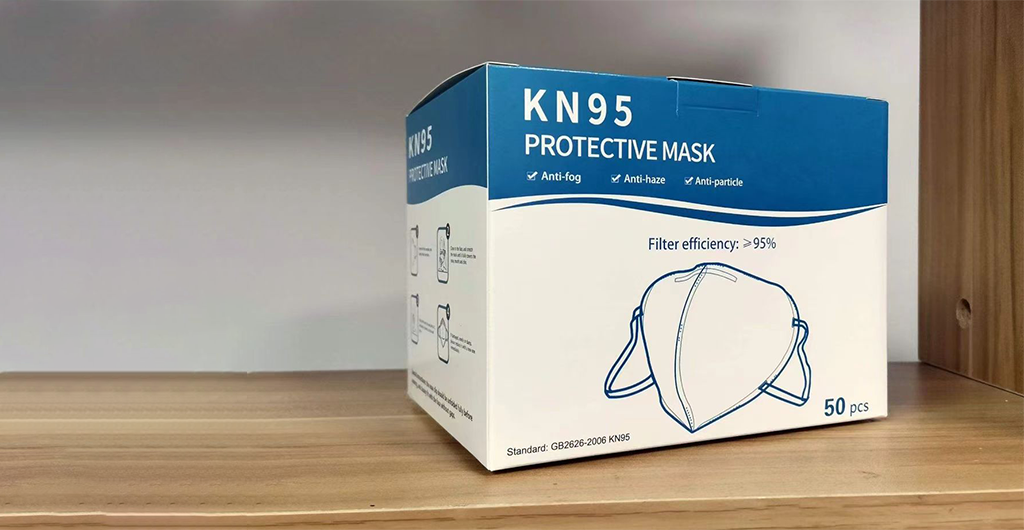
Why are straight tuck end boxes such a popular choice? Their simplicity, versatility, and cost-effectiveness make them a favorite among businesses across various industries. They’re easy to assemble, requiring minimal effort and no glue or tape. Just fold and tuck – it’s that simple! This can save valuable time and labor costs, especially for high-volume packaging operations.
Moreover, straight tuck end boxes are incredibly adaptable. They can be made in a wide range of sizes and from various materials, making them suitable for packaging everything from small consumer goods to larger items. Plus, they offer ample space for branding and product information, turning your packaging into a mini-billboard for your company. From a practical standpoint, straight tuck end box packaging is an excellent option for streamlining your operations while effectively showcasing your brand.
While the basic design remains consistent, there are several variations of straight tuck end boxes to cater to specific product needs:
Standard Straight Tuck End Box: This is the most common type, featuring equal-sized top and bottom tuck flaps. It’s versatile and economical, making it a great all-around choice.
Straight Tuck End Box with Dust Flaps: These boxes include extra flaps that fold inside the box to provide additional protection against dust and debris. This is particularly useful for products sensitive to contaminants.
Straight Tuck End Box with Locking Tabs: For added security and a tighter seal, some boxes feature locking tabs that interlock when the flaps are tucked in. These provide tamper-evident features, enhancing product safety.
Custom-Sized Straight Tuck End Boxes: Many suppliers offer custom sizing options, allowing you to create boxes perfectly tailored to your product dimensions. This precision fit minimizes wasted space and material, enhancing cost-effectiveness and reducing shipping costs.
Understanding these variations helps you select the ideal packaging to safeguard your product and align with your brand’s presentation standards. Each type of straight tuck end box offers unique advantages, making it important to consider the specific needs of your product and brand.
Several key features distinguish a high-quality straight tuck end box from a lesser one. These include:
Durable Material: The box should be made from sturdy paperboard or corrugated cardboard that can withstand handling and shipping without tearing or collapsing. A thicker material ensures better product protection, especially during transit.
Precise Cuts and Scores: Clean, accurate cuts and scores are essential for easy folding and a professional look. Poorly cut boxes can be difficult to assemble and may not close securely.
Secure Tuck Flaps: The tuck flaps should fit snugly into the ends of the box, creating a secure closure. This prevents the box from opening accidentally during shipping and keeps the contents safe.
High-Quality Printing: If you’re using custom printing, ensure the printing is sharp, clear, and vibrant. Smudged or faded printing can detract from your brand image.
Easy Assembly: The box should be easy to assemble without requiring complex instructions or specialized tools. This saves time and labor costs.
By focusing on these key features, you can choose straight tuck end box packaging that’s both functional and visually appealing. Remember, your packaging reflects your brand, so quality matters.
Choosing the correct straight tuck end box involves careful consideration of several factors:
Measure Your Product: Accurately measure your product’s length, width, and height. Add a small margin to each dimension to allow for cushioning and ease of packing. Precision measurements ensure a snug fit and minimize wasted space.
Consider Product Weight and Fragility: Heavier or more fragile items require a sturdier box made from thicker material. Consider using corrugated cardboard for added strength and protection. Delicate items often benefit from custom inserts or additional padding within the box.
Think About Shipping and Handling: How will your product be shipped? Will the boxes be stacked? Subjected to rough handling? These factors will influence the required box strength and durability. For example, boxes shipped long distances or handled roughly might need reinforced corners or double-walled construction.
Choose the Box Style: Select the specific type of straight tuck end box (standard, with dust flaps, with locking tabs, etc.) that best suits your product and packaging needs. If your product is particularly susceptible to dust or requires tamper-evident features, consider options with dust flaps or locking tabs.
Request Samples: Before placing a large order, request samples from potential suppliers to evaluate the box’s quality and fit. This allows you to physically assess the material, construction, and printing quality. This hands-on evaluation ensures the box meets your expectations before making a significant investment.
Straight tuck end boxes offer numerous benefits that contribute to efficient and effective packaging:
Easy Assembly: Their simple design makes them quick and easy to assemble, saving time and labor costs. The intuitive tuck-in closure eliminates the need for tape or glue, further streamlining the packing process. This simplicity makes them ideal for high-volume packaging operations.
Efficient Storage: Straight tuck end boxes ship flat, optimizing storage space and reducing warehousing costs. This efficient storage also minimizes transportation costs, as you can ship a larger quantity of flat-packed boxes in a single shipment.
Product Protection: The sturdy construction of these boxes provides good protection for your products during shipping and handling. The close-fitting flaps help prevent items from shifting inside the box, minimizing the risk of damage.
Versatile Use: Straight tuck end boxes are suitable for a wide range of products across various industries. From cosmetics and electronics to food and pharmaceuticals, these versatile boxes offer a reliable packaging solution.
In today’s environmentally conscious world, sustainable packaging is more important than ever. Straight tuck end boxes offer several eco-friendly advantages:
Recycled Materials: Many suppliers offer straight tuck end boxes made from recycled paperboard or corrugated cardboard. Using recycled materials reduces the demand for virgin resources and minimizes waste. Look for boxes made with a high percentage of post-consumer recycled content. This gives new life to materials that would otherwise end up in landfills.
Recyclability: Straight tuck end boxes are highly recyclable. After use, they can be easily flattened and added to curbside recycling bins or collected for recycling through specialized programs. Recycling these boxes contributes to a circular economy and reduces landfill waste.
Sustainable Forestry: Choose boxes made from paperboard sourced from sustainably managed forests. Look for certifications like the Forest Stewardship Council (FSC) logo, which guarantees that the wood used to make the paperboard comes from responsibly managed forests. Supporting sustainable forestry helps protect our planet’s valuable forest resources.
Reduced Transportation Impact: Because they ship flat, straight tuck end boxes require less storage space and reduce transportation costs and associated carbon emissions. This smaller transportation footprint contributes to a greener supply chain.
By choosing recyclable straight tuck end box packaging made from recycled materials, you demonstrate your commitment to environmental responsibility. This appeals to environmentally conscious consumers and can enhance your brand image.
The manufacturing process of straight tuck end boxes is a marvel of modern engineering and efficiency:
Design and Layout: The process begins with creating a precise design and layout for the box, specifying dimensions, fold lines, and print areas. This design phase is crucial for ensuring the box functions correctly and fits the product perfectly.
Material Selection: The appropriate paperboard or corrugated cardboard is selected based on the required strength, printing capabilities, and desired level of recycled content. Material selection depends on the weight and fragility of the product being packaged.
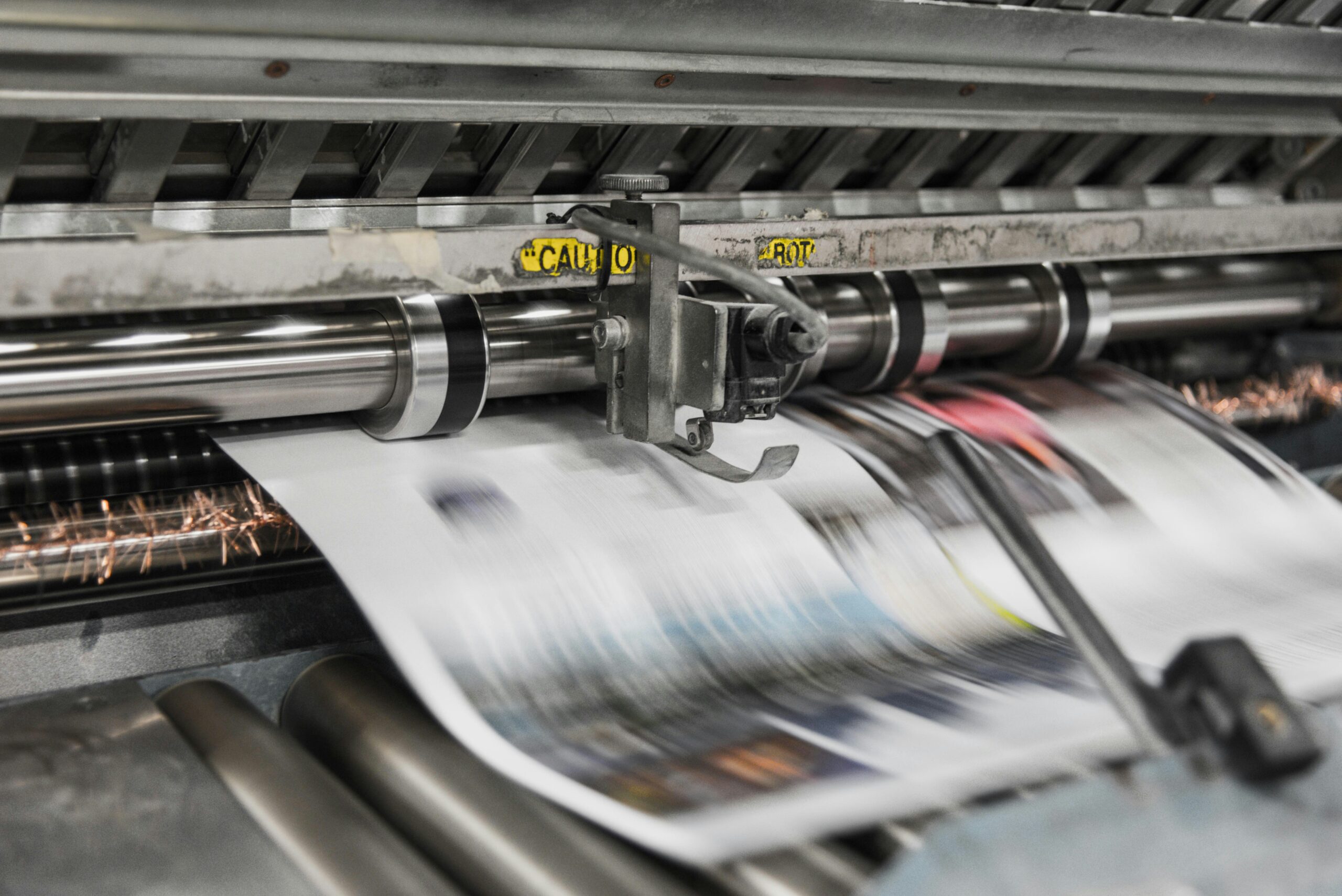
Printing (if applicable): If custom printing is required, it’s typically applied to large sheets of the chosen material before die-cutting. Various printing methods, such as offset or digital printing, can be used to achieve high-quality graphics and vibrant colors.
Die-Cutting: A custom-made steel die is used to cut and score the printed sheets, creating the precise shape and folds of the box. This die-cutting process ensures clean, accurate cuts and consistent box dimensions.
Folding and Gluing (Optional): The die-cut sheets are then folded along the scored lines. While glue isn’t typically required for straight tuck end boxes, some designs may incorporate glue for added strength or specialized features.
Quality Control: Throughout the manufacturing process, rigorous quality control checks are performed to ensure the finished boxes meet the required specifications for dimensions, strength, and print quality.
The result is a perfectly formed straight tuck end box ready to protect and showcase your product.
Cost is always a factor when choosing packaging. While straight tuck end box packaging is generally considered cost-effective, several factors influence the final price:
Material: The type and thickness of the material significantly impact cost. Thicker, higher-quality paperboard will generally be more expensive. Corrugated cardboard can also be a cost-effective option for heavier items.
Size and Quantity: Larger boxes and larger order quantities typically result in lower per-unit costs due to economies of scale. Ordering in bulk can significantly reduce your packaging expenses.
Printing and Finishing: Custom printing and special finishes like lamination, embossing, or spot UV coating add to the cost but can also enhance your product presentation and brand image.
Supplier: Different suppliers offer varying pricing structures. It’s essential to compare quotes from multiple suppliers to get the best value. Don’t hesitate to negotiate pricing, especially for large orders.
Finding the right balance between quality and budget is crucial. While it’s tempting to choose the cheapest option, remember that high-quality packaging reflects positively on your brand and can ultimately boost sales.
Choosing a reliable supplier is essential for ensuring a consistent supply of high-quality straight tuck end boxes. Here are some resources and strategies to help you find reputable suppliers:
Online Directories: Start your search by using online directories like Thomasnet, Alibaba, or industry-specific directories like the Fibre Box Association. These directories provide comprehensive lists of packaging suppliers, making it easy to compare options and find suppliers specializing in straight tuck end boxes.
Referrals: Ask other businesses in your network for supplier recommendations. Word-of-mouth referrals can be incredibly valuable in finding trustworthy and reliable suppliers.
Trade Shows: Attend packaging trade shows and exhibitions to connect with suppliers directly and see their products firsthand. Trade shows offer a unique opportunity to network with industry professionals and stay up-to-date on the latest packaging trends.
Request Quotes and Samples: Contact potential suppliers and request detailed quotes for your specific requirements. Always ask for samples to evaluate the quality of their boxes, printing, and die-cutting. Physically examining samples is crucial for assessing material strength, print quality, and overall construction.
Building a strong relationship with a reliable supplier is essential for a smooth and efficient packaging process.
Proper storage and handling are essential for maintaining the integrity of your straight tuck end boxes and ensuring they provide optimal protection for your products:
Climate-Controlled Storage: Store boxes in a cool, dry environment away from direct sunlight, excessive heat, or moisture. Fluctuations in temperature and humidity can weaken the cardboard and affect the print quality. Maintaining a consistent storage environment helps preserve the boxes’ structural integrity.
Proper Stacking: Stack boxes neatly and evenly on pallets or shelves, avoiding overhangs or leaning stacks. Don’t exceed the manufacturer’s recommended stacking height to prevent crushing or damage to the bottom boxes. Proper stacking ensures that the boxes remain in good condition and are easy to access when needed.
Careful Handling: Train employees on proper handling techniques to minimize damage to the boxes during assembly and packing. Avoid dropping, throwing, or dragging boxes. Careful handling reduces the risk of tears, dents, or other damage that could compromise the box’s protective qualities.
Pest Control: Implement pest control measures in your storage area to prevent insects or rodents from damaging the boxes. Regular inspections and preventative treatments can help protect your inventory from pest-related damage.
Inventory Rotation: Use a FIFO (first-in, first-out) inventory system to ensure older boxes are used first, preventing deterioration due to prolonged storage. This helps maintain the quality of your packaging and minimizes waste.
By implementing these best practices, you can maximize the lifespan of your boxes, protect your products effectively, and maintain a professional appearance.
Versatile and Cost-Effective: Straight tuck end boxes provide a practical and economical packaging solution for a wide range of products.
Easy to Assemble and Use: Their simple design streamlines the packing process and requires no specialized tools or adhesives.
Sustainable Choice: Opt for recycled and recyclable materials for environmentally responsible packaging.
Customizable for Brand Enhancement: Custom printing and finishing options can elevate your brand image and create a positive impression.
Reliable Suppliers are Key: Partnering with a reputable supplier ensures consistent quality and a smooth packaging operation.
By understanding the benefits and choosing the right straight tuck end box for your needs, you can optimize your packaging process, protect your products, and enhance your brand image.
You can leave any questions. We will see and answer you.