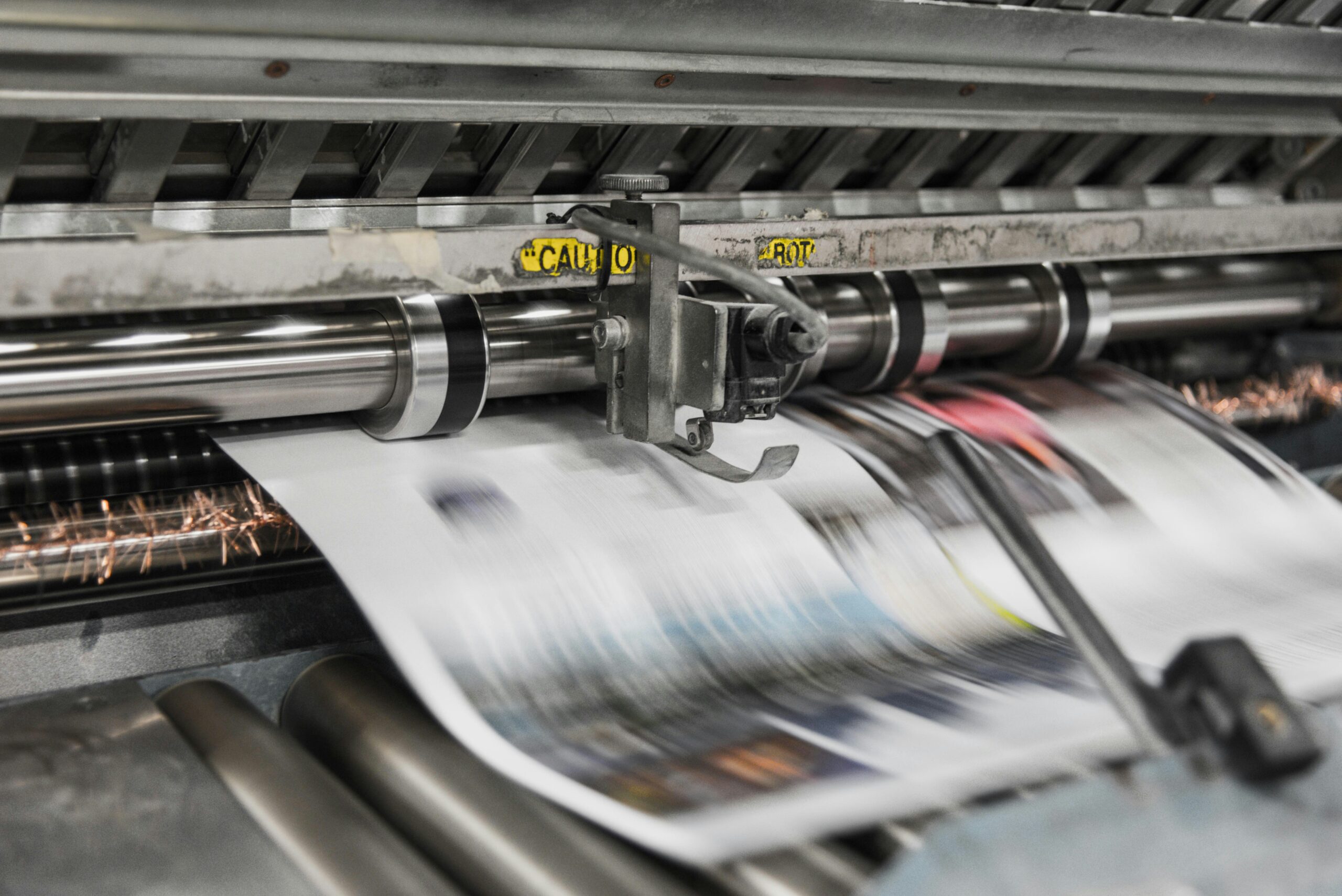
If you work in a paper mill, you know the feeling. The machine is running fast, making paper, everything is going well… and then, suddenly, the paper breaks! That sound, that stop, the rush to fix it. It’s frustrating, it costs time, and it costs money.
Paper breaks are one of the biggest headaches in making paper. And guess what? They happen most often when the paper is still wet or just starting to dry. The paper web is weak then, and it needs a lot of help to stay in one piece.
This article is here to help you understand why these breaks happen in the wet and early drying parts of the machine and, more importantly, how you can use special tools to stop them. We’ll talk about things like stabilizing boxes and vacuum rolls. These might sound technical, but they are like secret helpers that keep the paper web flat and stable, making your machine run much, much better.
Think about how much more paper you could make if your machine stopped less often! How much less waste you would have! How much smoother your day would be! That’s why learning about these tools and how to use them well is so important for anyone involved in making paper or using paper for things like Rigid boxes, Colorful Corrugated Box, Folding boxes, Shipping boxes, and Paper bags.
Let’s be honest. Paper breaks are a major pain. When the paper web snaps, the whole paper machine has to stop. This isn’t like hitting pause on a video; it’s a full stop that takes time and effort to fix.
Lost Time: Every minute the machine is down is a minute you’re not producing paper. If you have several breaks a day, those minutes add up fast! Imagine losing 30 minutes here, 20 minutes there. Over a shift, that’s a lot of lost production capacity.
Wasted Material: When the paper breaks, the paper that was on the machine often becomes waste. You have to clean it up and maybe send it back to be re-pulped, which uses more energy and resources.
Stress and Effort: Fixing a paper break means people have to work quickly and sometimes in difficult areas of the machine. It adds stress to the job.
Lower Output: All this lost time and wasted material means you produce less paper overall. This directly impacts the mill’s output and profitability.
Think about a paper machine running at high speed, maybe making paper for thousands of Shipping boxes every hour. A single break can disrupt that flow significantly.
Why Keeping the Paper Flat is So Important
Paper machines are long and complex. The paper web, which starts as mostly water and a little bit of fiber, travels through many sections on moving fabrics. These fabrics are like conveyor belts made of special materials (felts in the press section, dryer screens in the dryer section).
For the paper web to survive this journey, especially when it’s wet and weak, it needs to stay perfectly flat and stick tightly to these fabrics.
Preventing Flutter: If the paper web lifts off the fabric, even a little bit, air can get underneath it. This air makes the paper web move up and down quickly, like a flag waving in the wind. This is called “fluttering.”
Fluttering Causes Weakness: Fluttering stretches and stresses the weak, wet paper web. It creates uneven tension and makes the paper much, much more likely to tear or break.
Smooth Travel: Keeping the paper web flat and tight against the fabric ensures it travels smoothly and evenly through the machine. This reduces stress on the paper and helps it stay in one piece until it’s strong enough to handle the journey.
Imagine trying to carry a wet tissue paper across a room. If it’s flat on your hand, it’s okay. But if it starts to lift and wave, it will tear instantly! Keeping the paper web flat on the fabric is just like keeping that wet tissue flat on your hand.
Why Paper Breaks Happen, Especially at High Speeds
Understanding why the paper web becomes unstable helps us find ways to fix it.
Old Machines and Open Spaces
In the past, many paper machines, especially in the dryer section, had parts where the paper web had to travel through open air from one heated cylinder to the next. These were called “open draws.”
No Support: In these open draws, the paper web wasn’t supported by a fabric or held flat against a surface.
Air Currents: As the machine ran, the movement of the cylinders and fabrics created strong air currents in these open spaces.
Fluttering and Breaks: These air currents would easily make the weak, wet paper web flutter and move around, leading to frequent paper breaks, even when the machine wasn’t running very fast. This was a common design problem that limited how fast older machines could run.
Even Modern Machines Face Challenges
Modern paper machines are designed to be much better. They often use single-row dryer sections where the paper web stays wrapped around the heated cylinders, held by a single dryer fabric. This greatly reduces the open draws.
But paper machines today also run much, much faster than before! Speeds of over 1000 meters per minute are common. At these incredible speeds, even small issues can cause big problems.
High-Speed Air: The fabrics and cylinders are moving so fast that they create very strong air currents.
Air Trapping: These high-speed air currents can sometimes get trapped between the paper web and the fabric, especially as the paper wraps around cylinders or moves between them.
Bubbles and Wrinkles: When air gets trapped, it can push the paper web away from the fabric, creating small air bubbles or causing the paper to wrinkle.
Instability Returns: This lifting, bubbling, or wrinkling makes the paper web unstable again, even though it’s on a fabric. It’s not lying perfectly flat and smooth.
Increased Risk at Speed: This instability, combined with the high speed and tension on the paper web, greatly increases the risk of paper breaks or defects like uneven drying or wrinkles that lower the quality of the paper used for things like quality paper for your corrugated boxes or reliable paper for shipping boxes.
So, even with modern designs, finding ways to actively keep the paper web perfectly flat and stable against the fabrics is essential for running at high speeds without constant breaks.
The Main Helper: Stabilizing Boxes Explained
This is where special equipment comes in to help fight instability. One of the most important tools is called a stabilizing box. You might also hear it called a vacuum box or an air foil.
What is a Stabilizing Box and How Does It Work?
Imagine a long, hollow box with a flat surface that has many small slots or holes. This box is placed very close to the moving fabric on the paper machine, but it doesn’t touch the fabric.
Blowing Air: Inside the box, there’s a fan or blower that pushes air into the box. This air is then forced out through the special slots or nozzles on the box’s surface.
Creating Negative Pressure (Vacuum): The clever part is how the air is blown out. The slots are designed so that the air blowing out actually pulls the air between the stabilizing box and the moving fabric away. Think of it like a small jet of air creating a pulling effect on the surrounding air.
It’s like using a gentle suction cup to keep something flat, but instead of a suction cup, it’s a carefully controlled flow of air creating that pulling effect.
Where Stabilizing Boxes Make a Big Difference
Stabilizing boxes are used in a few key areas where the paper web is most likely to become unstable. They are especially important in the section where the paper web moves from the press section to the dryer section.
The Critical Transfer Point: The paper web leaves the press section, where a lot of water is squeezed out, and enters the dryer section, where heat dries the paper. This transfer point is critical because the paper is still very wet and weak, and it often has to travel a short distance unsupported by a felt. This open space is a prime location for the paper web to start fluttering and break.
Supporting the Weak Web: A stabilizing box is placed in this transfer area, usually positioned so the paper web travels under the dryer fabric as it moves towards the first heated dryer cylinder. The box creates that gentle vacuum, holding the wet paper web up against the underside of the dryer fabric.
Using and maintaining stabilizing boxes correctly, especially in the press-to-dryer transfer section, brings significant benefits to paper production:
Dramatic Reduction in Paper Breaks: By actively holding the wet, weak paper web flat and stable in the open draw, stabilizing boxes prevent the fluttering that causes many breaks. This means fewer stops and more running time for your machine.
Ability to Run Faster: With the paper web held securely, it can handle higher speeds and tensions. This allows you to increase the speed of your paper machine, producing more paper in the same amount of time.
Smoother Threading After a Break: Even with the best efforts, breaks can still happen. When they do, you have to thread the paper web through the machine again. Stabilizing boxes help the edge of the paper web stay close to the fabric, making the threading process faster and easier.
Increased Machine Efficiency: Fewer breaks, less downtime, faster threading, and higher running speeds all add up to a much more efficient paper machine. This means lower production costs per ton of paper.
“We saw a significant drop in paper breaks in our press-to-dryer section after optimizing our stabilizing box settings. It made a noticeable difference in our daily output.” – (Quote from a mill operator)
Keeping Your Stabilizing Boxes Working Great: Maintenance Tips
Stabilizing boxes are powerful, but they aren’t “set it and forget it” equipment. They need regular attention to keep working correctly. If a stabilizing box isn’t creating the right amount of negative pressure, it won’t hold the paper web properly, and you’ll still have instability and breaks.
Here are the key things you need to check and maintain:
Check the Air Flow: Is It Right?
The amount of air blowing out of the box is the most important factor for creating the correct negative pressure.
Fan and Belt: The air is supplied by a fan or blower. Make sure the fan is working correctly and that the belt driving it (if it has one) is tight. A loose belt means the fan won’t turn fast enough to provide enough air.
Air Flow Valve: There’s usually a valve that controls how much air goes into the stabilizing box. Make sure this valve is adjusted to the correct position according to your machine’s settings. Too little air means not enough vacuum; too much air can sometimes cause other issues.
Heater Cleanliness: If your stabilizing box heats the air (which is common in the wet sections), make sure the heater coils or elements are clean. Dirt buildup on the heater restricts air flow.
Monitor Negative Pressure: This is crucial! Use a vacuum gauge to measure the negative pressure (the “pulling” force) the box is creating. Check this regularly, maybe once a month, and keep a record of the readings. If the pressure is lower than it should be, it’s a clear sign that something is wrong – maybe low air flow, a leak, or clogging.
The Position Matters: Get It Just Right
The stabilizing box needs to be positioned very precisely relative to the moving fabric and any nearby cylinders. Even a small change in position can affect how well it works.
Follow Drawings: When the box is installed, its position is set based on detailed technical drawings for your specific machine. Always make sure the box is adjusted to these exact positions.
Mark the Spot: Once you have the box in the perfect position, make clear marks on the machine frame or floor. This way, when you have to remove the box for maintenance or change a fabric, you can easily put it back in the exact same spot without needing to measure everything again. This saves a lot of time and guesswork.
Cleaning is Key: Don’t Let Dirt Stop You
The slots or nozzles on the surface of the stabilizing box where the air blows out can get clogged with paper dust, fibers, and sometimes sticky materials from the paper stock. Clogging blocks the air flow and reduces the negative pressure.
Regular Cleaning: Clean the air slots or nozzles regularly. A good schedule might be once a month. Use a special tool designed to fit into the slots and blow out any debris.
Thorough Cleaning: Plan for a more thorough cleaning of the entire stabilizing box maybe once or twice a year. This might involve taking the box out of the machine to clean the inside and make sure all the air passages are clear.
Check for Buildup: Pay attention to areas around the slots. If you see sticky buildup, it could be a sign of problems with the paper stock or chemicals being used.
Air Temperature: Keep It Warm and Dry
For stabilizing boxes used in the press-to-dryer section, where the paper web is still very wet, the air blown out of the box is usually heated.
Prevent Condensation: The wet paper web is cool. If cold air is blown onto it, moisture from the paper can condense (turn into liquid water) on the surface of the stabilizing box or the fabric.
Stop Dripping: This condensed water can then drip onto the paper web. Water drips create weak spots in the paper, which are very likely to cause breaks.
Maintain Temperature: The air blown from the box should be warm enough to prevent condensation. A common minimum temperature is around 70°C (about 158°F). Ideally, it might be closer to 70-80°C.
Check for Moisture: If you see any moisture, wetness, or dripping on the surface of the stabilizing box or the fabric near it, check the temperature of the air coming out. If it’s below 70°C, you need to increase the heat supply (often steam) to the air heater.
Right Distance from the Box to the Fabric and Cylinder
The distance between the stabilizing box and the moving fabric, and the distance between the box and any nearby dryer cylinders, is very important for the vacuum effect to work correctly.
Close, But Not Touching: The box needs to be close enough to the fabric to create the low-pressure zone, but it must not touch or rub the fabric. Touching the fabric can cause wear on the fabric and damage the box.
Typical Distances: The distance from the stabilizing box surface to the fabric is usually around 15-20mm (about 0.6 to 0.8 inches). If the box is near a dryer cylinder, the distance from the box to the cylinder surface is often a bit smaller, maybe 10-15mm (about 0.4 to 0.6 inches).
Check and Adjust: Use feeler gauges or other tools to check these distances regularly. Make sure they are set exactly according to the machine’s specifications. If the distance is too large, the vacuum effect will be weak. If it’s too small, you risk rubbing the fabric.
Another Powerful Tool: VAC Vacuum Rolls
Besides stabilizing boxes that blow air to create vacuum, paper machines also use special rolls that suck air away to hold the paper web. These are often called VAC vacuum rolls.
What Are VAC Vacuum Rolls and How Do They Work?
Imagine a large, rotating roll that the paper web and fabric travel over. The surface of this roll isn’t smooth; it has many small grooves cut into it, and tiny holes drilled into these grooves.
Sucking Air: Inside the roll, there’s a system (usually a powerful fan or vacuum pump) that pulls air out, creating a vacuum inside the roll. This vacuum pulls air through the tiny holes and grooves on the roll’s surface.
Think of it like a giant roll covered in thousands of tiny vacuum cleaner nozzles, all working together to keep the paper web stuck to the fabric as it goes around the roll.
Why Vacuum Rolls Are Important in the Dryer Section
VAC vacuum rolls are used more and more in modern, high-speed paper machines, especially in the dryer section. They are often found on the lower dryer cylinders in single-felt arrangements.
Holding Paper on Cylinders: In single-felt dryer sections, the paper web wraps around the lower dryer cylinders, held by the single dryer fabric. As the machine speed increases, air can try to get between the paper and the fabric as they wrap around the cylinder.
Preventing Lifting: The vacuum roll on the cylinder actively pulls the fabric and paper web down onto the roll surface, preventing the paper from lifting off the fabric as it goes around the curve of the cylinder.
Stable Transfer: They also help keep the paper stable as it moves from one cylinder to the next, working together with stabilizing boxes in those areas.
Keeping Vacuum Rolls Clean and Working
The biggest challenge with VAC vacuum rolls is keeping those tiny holes and grooves clean.
Clogging is the Enemy: Paper dust, small fibers, and sometimes sticky materials from the paper stock can easily get stuck and block the small holes and grooves on the roll surface.
Reduced Vacuum: When the holes are clogged, the vacuum system inside the roll can’t pull air effectively. This reduces the negative pressure on the roll surface.
Causes Instability: Reduced vacuum means the paper web isn’t held tightly against the roll. This can cause the paper to flutter, wrinkle, or lift off the fabric as it goes around the roll or transfers to the next cylinder. This instability leads to breaks. Clogging on the side of the machine where you thread the paper can make threading very difficult and slow.
You can use different things to clean the holes, like high-pressure water, compressed air, or steam. Compressed air is often recommended because it’s effective and doesn’t add moisture.
There are two main ways to clean the surface of the vacuum roll:
Manual Cleaning: When the machine is running very slowly (at “crawling” speed), you can use a special tool. This tool connects to compressed air or steam. You hold the tool against the roll surface and manually move it back and forth across the roll to blow out the dirt from the grooves and holes. This method works but takes a lot of time and effort from your team.
Automatic Cleaning: A much more efficient way is to install a special cleaning system. This system often involves a pipe with nozzles mounted on a stabilizing box or a separate frame near the vacuum roll. This pipe can move back and forth automatically across the roll surface. When the machine is running or crawling, you turn on the compressed air (or steam) to this pipe. The strong jets of air blow directly into the grooves and holes, cleaning them automatically. This system costs more money to install at first, but it saves a lot of labor time and is usually the most effective way to keep the vacuum roll clean and working perfectly.
Stabilizing Boxes in the Dryer Section: Between Cylinders
Stabilizing boxes aren’t just used at the start of the dryer section. They are also used within the dryer section itself, especially in modern single-felt arrangements.
Where These Boxes Are Located
These stabilizing boxes are placed in the spaces between the upper and lower dryer cylinders. In a single-felt dryer section, the paper web travels with the dryer fabric, moving from wrapping around an upper cylinder to wrapping around a lower cylinder, and then back up to an upper one, and so on. The stabilizing boxes are in the short, open spaces as the paper moves between these cylinders.
How They Keep the Paper Flat Between Cylinders
In these spaces between cylinders, the paper web is held between the dryer fabric and the cylinder surface it just left, or is about to go onto. As the fabric and paper move from one cylinder to the next, there’s a short distance where the paper could potentially lift off the fabric due to air currents or tension.
Creating Vacuum Between Fabrics: The stabilizing box in this area is positioned close to the fabric. It blows air outwards from one or both sides. This creates a vacuum (lower pressure) in the space between the upper and lower dryer fabrics as they pass the box.
Preventing Air Trapping: This action prevents air from getting trapped between the paper and the fabric, which can cause bubbles or make the paper flutter.
Air Flow and Stability: Generally, the more air you can effectively blow from these boxes (creating a stronger vacuum), the better the paper web stability will be in these transfer points.
Important Checks for Dryer Section Stabilizing Boxes
Maintenance for these boxes is similar to the transfer box, but with a few specific points to watch:
Signs of Low Vacuum: If you see the edge of the paper web lifting off the fabric as it enters the stabilizing box area, or if you see fluttering, wrinkling, or bubbling in this space, it’s a strong sign that the negative pressure (vacuum) from the box is not strong enough. This could be due to low air flow, a leak in the box, or the paper being too wet for that stage of drying.
Position is Key: Just like the transfer box, the position of the box relative to the fabric and the lower dryer cylinder is very important for creating the right vacuum effect. Make sure the distances are set correctly (around 15-20mm from fabric, 10-15mm from lower cylinder).
Check Seal Strips: Many stabilizing boxes, especially on high-speed machines, have special seal strips made of a smooth material. These strips touch or are very close to the moving fabric on the sides and sometimes the bottom of the box. They help the box create a good vacuum by preventing air leaks. Check these seal strips regularly for wear or damage. If they are worn down or have gaps (more than 5mm is often a problem), they will leak air and reduce the vacuum. You should replace worn seal strips promptly.
Regular Cleaning: Clean the air outlets of these boxes regularly (maybe every 2 months) using a special tool to prevent clogging from paper dust and fibers. Plan for a thorough cleaning of the whole box once a year.
Monitor Vacuum: Use a vacuum gauge to check the negative pressure of each stabilizing box in the dryer section every month. Keep a data table to compare the readings over time. If a box shows a lower vacuum than usual, investigate the cause (clogging, worn seals, air flow issue, or maybe a problem with the fabric itself).
A Hidden Problem: Dryer Cylinder Release Agents
Modern paper machines, especially those running very fast or making certain types of paper (sometimes called “black paper” because it might use difficult recycled fibers or have sticky components), often use special chemicals called dryer cylinder release agents or conditioners.
What Are Release Agents and Why Are They Used?
Purpose: These chemicals are sprayed or applied onto the dryer fabrics and the surface of the heated dryer cylinders. Their main job is to prevent sticky materials from the paper stock from building up on the cylinders and fabrics. This helps keep the fabrics clean and can extend their lifespan.
How Release Agents Can Cause Problems
While they are useful for keeping cylinders clean, these release agents can sometimes create unexpected problems for your paper web stability systems.
Oily and Sticky Nature: Release agents are often oily or have a slightly sticky quality.
Clogging Fabrics: Over time, the residue from these agents can build up in the dryer fabrics, reducing how much air can pass through the fabric. This is called reducing the fabric’s “air permeability.”
Clogging Stabilizing Boxes: The oily or sticky residue can also mix with paper dust and fibers and build up around the air outlets of your stabilizing boxes. This buildup can clog the slots or nozzles.
Reduced Vacuum: When the fabric is less permeable or the stabilizing box outlets are clogged, the stabilizing box or vacuum roll cannot pull air effectively. This reduces the negative pressure (vacuum) they are supposed to create.
Causes Instability: A weaker vacuum means the paper web isn’t held as tightly against the fabric. This can lead to the paper fluttering, wrinkling, or lifting off the fabric, causing instability and increasing the risk of breaks. If the outlets on the operating side of a stabilizing box are clogged, it can make threading the paper web very difficult.
What to Do If You Suspect Release Agent Problems
If you are using dryer cylinder release agents and you start to see problems with paper web stability (fluttering, lifting, breaks) or if the vacuum gauges on your stabilizing boxes show lower pressure, consider if the release agent might be part of the problem.
Check Fabric Condition: Inspect your dryer fabrics. Do they look dirty or feel sticky? You can also have their air permeability tested. If it’s low, the fabric is likely clogged.
Inspect Box Outlets: Look closely at the air outlets of your stabilizing boxes and the grooves/holes on your vacuum rolls. Do you see any sticky buildup or clogging?
Talk to Your Supplier: Discuss the issue with the supplier of your release agent. Maybe you are using too much, or maybe there is a different type of agent that would work better and cause less buildup.
Increase Cleaning Frequency: You might need to clean your stabilizing boxes and vacuum rolls more often if you use release agents, to prevent buildup from affecting their performance.
Putting It All Together: A Stable Machine Means More Profit
Focusing on paper web stability might seem like just one small part of running a paper machine, but it has a huge impact on your overall success and profitability.
Less Breaks, More Running Time
This is the most direct and important benefit. By using and maintaining stabilizing boxes and vacuum rolls correctly, you dramatically reduce the number of paper breaks. Fewer breaks mean less downtime, and less downtime means your machine is running and producing paper for more minutes every hour, every shift, every day.
Better Quality Paper
When the paper web runs smoothly and stably, it dries more evenly and is less likely to develop wrinkles, creases, or other defects caused by fluttering or instability. This means the base paper you produce is of higher quality, which is essential for making good quality paper for your corrugated boxes, strong paper for Rigid boxes, or reliable paper for other packaging like Folding boxes and Paper bags.
Saving Money and Time
Reduced Waste: Fewer breaks mean less paper waste that needs to be handled and re-pulped. This saves on labor, energy, and raw material costs.
Lower Maintenance Costs (in the long run): While regular maintenance of stabilizing boxes and vacuum rolls takes some time, it prevents much bigger problems like frequent, costly downtime and potential damage to other machine parts caused by unstable paper runs.
Higher Output and Profit: Running your machine faster and more consistently directly increases your production volume. This higher output, combined with reduced waste and downtime, leads to lower production costs per ton and higher overall profit for your mill.
Think of the investment in maintaining these stability systems as an investment in your machine’s ability to make money!
FoHo Packaging: Your Partner for Paper Machine Stability
At FoHo Packaging, we understand that the quality of the paper we use for our packaging products – like our durable Shipping boxes or premium Rigid boxes – starts with a stable and efficient paper manufacturing process. We know that paper breaks and machine downtime are real challenges in paper mills, and these challenges can ultimately affect the cost and quality of the base paper we source.
We Understand Your Challenges
Our experience in the paper packaging industry gives us insight into the entire paper supply chain, right back to the paper machine itself. We know that problems like paper breaks, maintaining equipment like stabilizing boxes and vacuum rolls, and dealing with issues like clogging are daily realities in paper mills. We understand how these operational challenges impact the quality and consistency of the paper we rely on.
How FoHo Packaging Can Help
While we specialize in providing high-quality finished paper packaging solutions, our deep knowledge of the paper industry means we can be a valuable partner to you:
Source Quality Paper: We work with paper mills that prioritize stable and efficient production, using best practices and maintaining their equipment well. This helps ensure the base paper we use for your packaging is consistent and high-quality.
Share Industry Knowledge: We are always learning and sharing knowledge about paper properties, manufacturing processes, and how they affect packaging performance. We can discuss how factors like machine stability contribute to the quality of the paper used in your Colorful Corrugated Box or Folding boxes.
Provide Reliable Packaging: By sourcing quality paper from reliable mills, we can provide you with packaging solutions that perform consistently and meet your needs, whether you need strong boxes for shipping or attractive packaging for retail.
Ready to Improve Your Machine’s Stability?
If you work in a paper mill, focusing on the stability of your paper web is one of the best ways to boost your machine’s performance and reduce frustrating downtime. Pay close attention to your stabilizing boxes and vacuum rolls – they are key pieces of equipment that help you make more paper, faster, and with fewer problems.
If you’re looking for a packaging partner who understands the importance of paper quality, right from the machine to the final box or bag, contact FoHo Packaging today. We’re here to provide you with reliable, high-quality paper packaging solutions.
Frequently Asked Questions (FAQ)
Common Questions About Paper Machine Stability
What causes paper breaks in the wet part of the machine? Often, it’s the paper web fluttering or lifting off the fabric because it’s not held flat and stable, especially in open areas or at high speeds.
How do stabilizing boxes help prevent breaks? They blow air in a special way to create a vacuum (negative pressure) between the box and the fabric. This vacuum holds the paper web tightly against the fabric, stopping it from fluttering and breaking.
What is a VAC vacuum roll used for? It uses vacuum created inside the roll to pull the fabric and paper web tightly against the roll surface. This helps keep the paper stable as it wraps around dryer cylinders, especially at high speeds.
Why is cleaning stabilizing boxes and vacuum rolls important? Paper dust, fibers, and sticky materials can clog the air slots or holes, reducing the vacuum and causing instability and breaks. Regular cleaning keeps them working correctly.
Can chemicals used on dryer cylinders cause problems for stability equipment? Yes, dryer cylinder release agents can sometimes clog fabrics and stabilizing box outlets, reducing vacuum and causing instability.
Key Things to Remember
A stable paper machine runs more efficiently, produces higher quality paper, and leads to better final packaging products.
Paper breaks are a major problem that causes lost time, waste, and lower production.
Keeping the paper web flat and stable against the machine fabrics is essential to prevent breaks, especially as machines run faster.
Stabilizing boxes and VAC vacuum rolls are key pieces of equipment that create vacuum to hold the paper web stable.
Stabilizing boxes are very important in the press-to-dryer transfer section and between cylinders in the dryer section.
VAC vacuum rolls help hold the paper to the fabric as it wraps around dryer cylinders.
Regular maintenance and cleaning of these devices are critical for them to work correctly. Pay attention to air flow, position, cleaning, air temperature (for heated boxes), and seal strips.
Be aware that dryer cylinder release agents can sometimes cause clogging issues that affect stability equipment.