Zibo City, Shandong Province

Have Any Questions?

10 AM – 6 PM
Zibo City, Shandong Province
Have Any Questions?
10 AM – 6 PM

Have Any Questions?
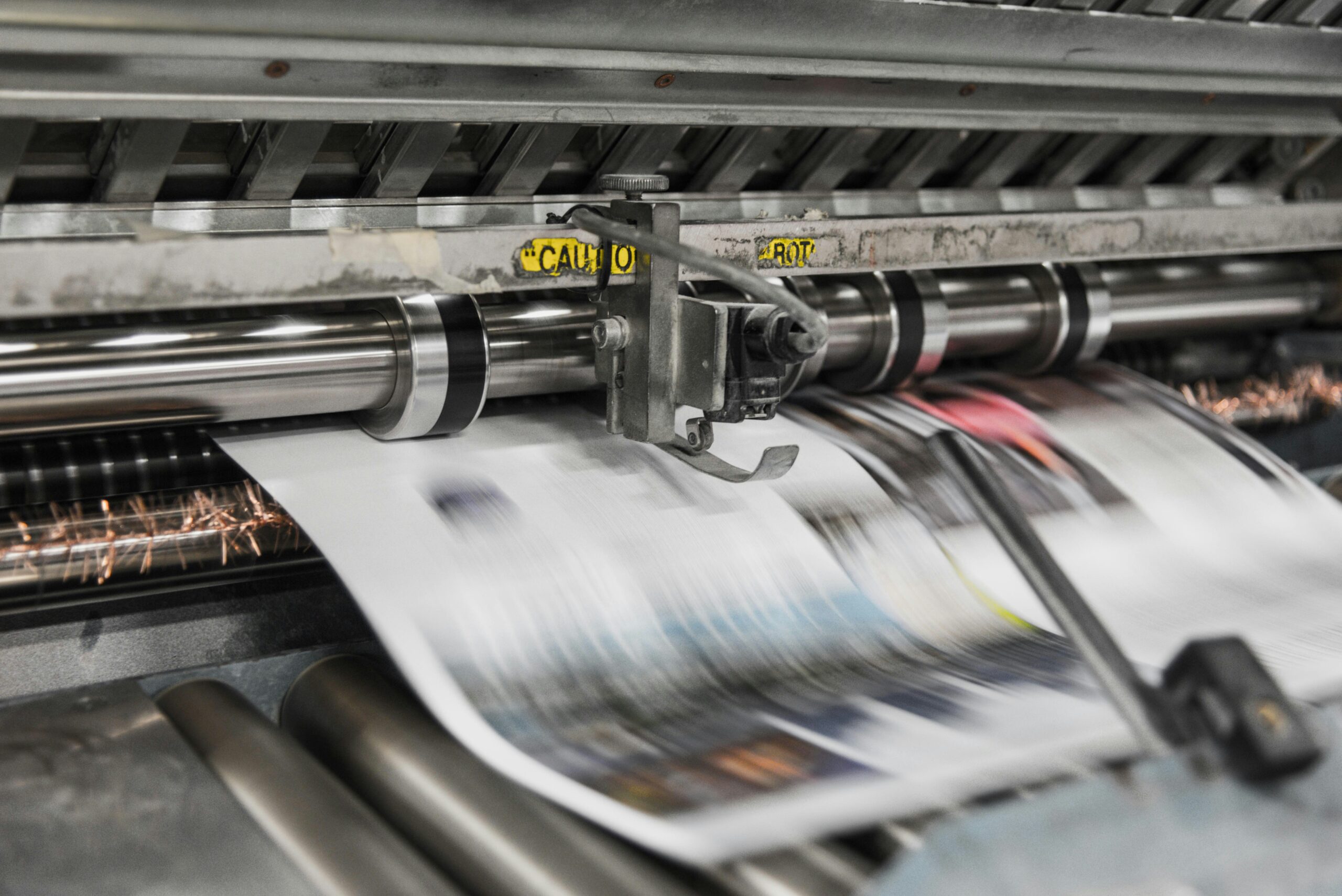

In my experience, the journey of a sample from a factory floor in Guangdong to a desk in New York is the most perilous part of the product development cycle. You have spent weeks perfecting the design, but if that sample arrives crushed, wet, or stuck in customs for a week, your launch timeline takes a hit.
Understanding the logistics of sample shipping is not just about picking a courier; it is about strategy. Should you use your own FedEx account or the factory’s? Will you get hit with duties? How do you ensure a fragile rigid box survives the 7,000-mile trip? This guide is my logistical playbook. I will break down the best carriers, the payment structures that save you money, and the packing protocols I insist on to ensure every sample arrives in boardroom-ready condition.
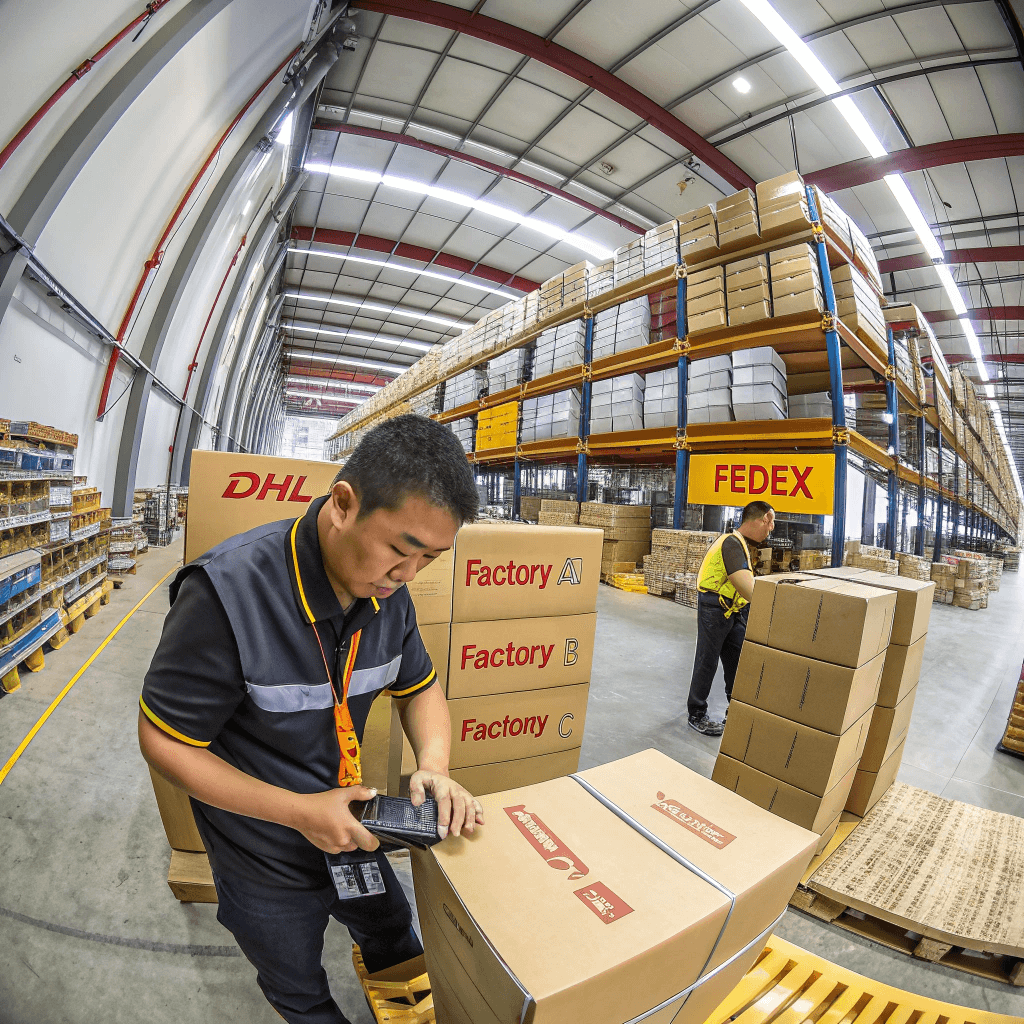
For shipping samples from China to the US, the market is dominated by three players. In my experience, DHL Express 1 is often the fastest and most reliable for exports out of China. FedEx 2 is incredibly strong once the package hits US soil for final delivery. UPS 3 is a solid contender, often offering competitive rates for heavier packages. I typically recommend asking your supplier which carrier offers them the best discount.
You have two ways to pay. "Freight Prepaid" means the supplier pays the courier and adds the cost to your invoice. "Freight Collect" means you provide your own account number, and the courier bills you directly.
Here is the good news: You likely won’t pay duties. Under US Customs Section 321 4, shipments valued under $800 are generally duty-free and require minimal clearance. Ensure your supplier declares the sample value honestly (e.g., $50) but accurately to qualify for this "de minimis" entry, saving you both money and paperwork.
If you are sourcing from three different factories, do not pay for three separate shipments. Use a consolidation service 5 or a freight forwarder in China. Have all factories send their samples to one central warehouse (domestic shipping in China is cheap), combine them into one box, and ship that single box to the US. This can cut your shipping bill in half.
The #1 reason for delays is bad paperwork. You must ensure your supplier attaches a clear Commercial Invoice 6. It must list the shipper, the receiver, a detailed description (e.g., "Paper Box Sample"), the material composition, and the value. Vague descriptions like "Gift" are red flags for customs inspectors.
Your supplier might suggest China Post EMS 7 because it is cheap. Refuse it. While cheaper, it is slow (2-4 weeks), tracking is unreliable, and packages are handled roughly. For a critical business sample, the $30 savings is not worth the risk of a lost or crushed prototype.
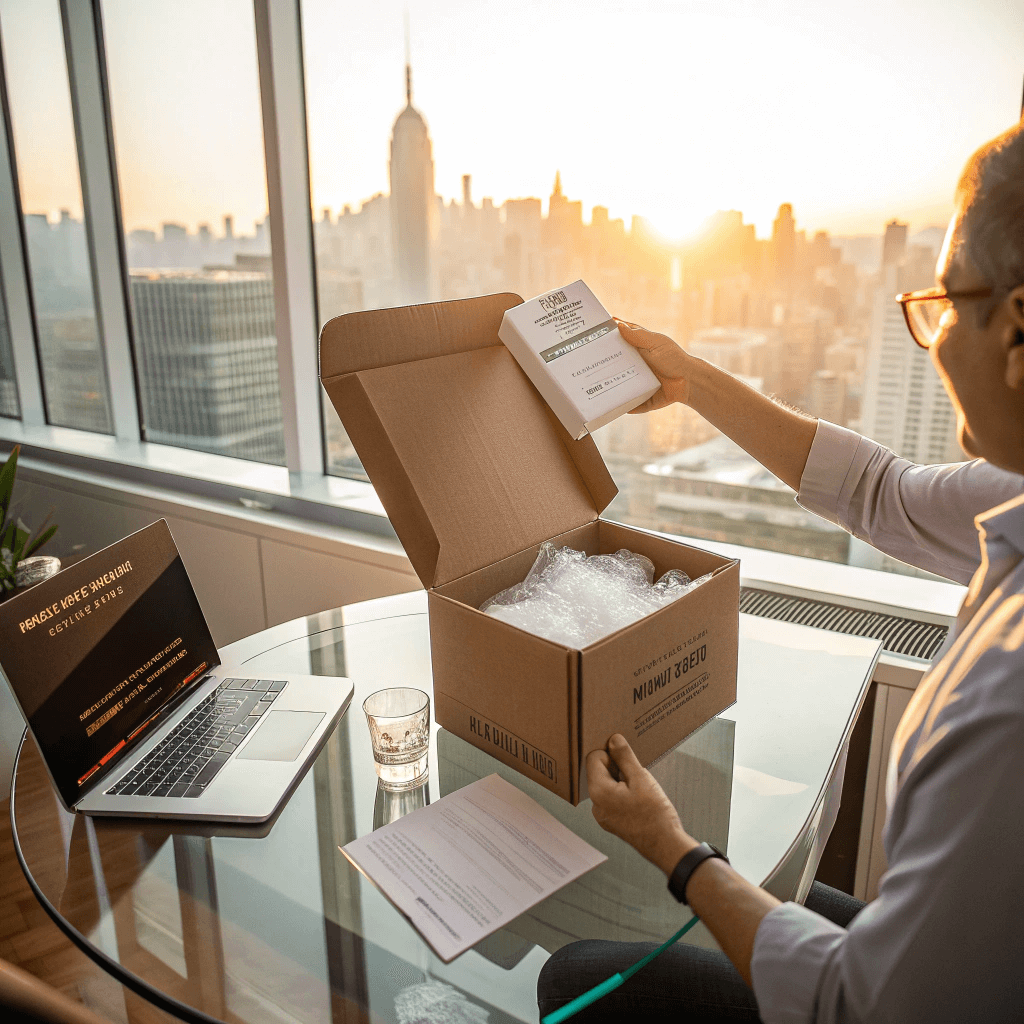
Packaging samples are fragile. I mandate a "Double Box" standard. The sample goes inside a rigid box, which is then wrapped in bubble wrap and placed inside a larger, double-wall corrugated shipping carton. I also ask for corner guards 8 on the outer box. If the sample arrives crushed, you can’t evaluate the structural integrity.
Demand the tracking number the moment the label is created. Use a universal package tracker 9 to monitor the shipment. If you see a status like "Clearance Delay" or "Exception," contact the carrier immediately. Being proactive can save a package from being returned to the sender.
If you have paid $500 for a complex mold or a fully finished prototype, consider asking the supplier to add shipping insurance 10. Couriers have limited liability (often just $100) for lost packages. For a few extra dollars, you can insure the full replacement value of the sample.
"Express" doesn’t always mean "Tomorrow." While the flight is fast, pickup and customs take time. A "3-day service" usually means 3 days transit. Add 1 day for pickup and 1 day for clearance. Realistically, plan for 5 to 7 days from the moment the supplier says "shipped" to the moment it hits your desk.
| Method | Speed | Cost | Reliability | Best For |
|---|---|---|---|---|
| DHL Express | Very Fast (3-5 Days) | High | Excellent | Urgent, high-value samples |
| FedEx / UPS | Fast (4-6 Days) | High | Very Good | Standard business samples |
| Consolidated | Fast (5-8 Days) | Low (Shared) | Good | Multiple suppliers |
| EMS / Post | Slow (14-30 Days) | Low | Poor | Non-urgent, low value |
Using your own FedEx account ("Freight Collect") seems convenient, but it can backfire. If you have a standard account without negotiated discounts, you might be charged "book rates," which are astronomically high.
Shipping packaging samples is the final mile of the prototyping marathon. It requires attention to detail. By choosing the right courier, leveraging the "de minimis" customs rule, and insisting on protective packing, you ensure that your investment arrives safely. Don’t let a crushed box or a customs hold delay your decision. Take control of the logistics, and get that sample in your hands so you can move to mass production with confidence.
How will my packaging samples be shipped to me in the US?
They will almost always be shipped via Air Express Courier. This is a door-to-door service where the courier picks up the package from the factory in China and delivers it directly to your office or home in the US.
Which international couriers like DHL or FedEx are typically used?
DHL is the most common for exports from China due to their massive infrastructure there. FedEx and UPS are also widely used. TNT is common for Europe but less so for the US.
Who is responsible for paying the shipping cost for the samples?
You (the buyer) are responsible. Even if the sample itself is free, the shipping cost is yours to pay. You can pay the supplier to prepay it (often cheaper) or use your own courier account number.
Do I also need to pay for customs clearance fees for my samples?
Usually, no. If the declared value of the sample shipment is under $800 USD, it enters the US duty-free under Section 321. The courier handles the clearance automatically. If the value is over $800, you will be billed for duties.
How can I ensure my samples aren’t damaged during shipping?
You must give specific packing instructions. Tell the supplier: "Please use a double-wall outer carton, wrap the sample in bubble wrap, and use corner protectors." Ask them to send you a photo of the packed box before they seal it.
1. DHL’s global express shipping services and capabilities. ↩︎
2. FedEx international shipping options for business. ↩︎
3. UPS international services for importing and exporting. ↩︎
4. CBP guidelines on Section 321 de minimis entry. ↩︎
5. How freight consolidation saves money for importers. ↩︎
6. Requirements for a valid commercial invoice in trade. ↩︎
7. Overview of China Post EMS services and limitations. ↩︎
8. Using corner guards to prevent shipping damage. ↩︎
9. Universal package tracking for international shipments. ↩︎
10. Understanding Cost, Insurance, and Freight (CIF) terms. ↩︎
You can leave any questions. We will see and answer you.