Zibo City, Shandong Province

Have Any Questions?

10 AM – 6 PM
Zibo City, Shandong Province
Have Any Questions?
10 AM – 6 PM

Have Any Questions?

Have you ever held a product in your hand, nestled perfectly in a sturdy, elegant box, and wondered what makes it so special? That might have been a shoulder rigid box, a type of packaging known for its strength and sophisticated look. This article will explore everything about shoulder rigid box packaging, from what makes them different to why they are a top choice for brands seeking a premium feel and even their potential to be recyclable. Understanding rigid boxes and Shoulder-rigid Boxes can help you appreciate the details that elevate a product’s presentation. Keep reading to discover the buttoned-up world of shoulder rigid boxes!
From my experience working with various types of packaging, the shoulder rigid box always stands out. Think of it as the sophisticated cousin to your everyday cardboard box. Unlike a simple folding carton that you might see for cereal or shoes, a rigid box, including the Shoulder-rigid Box, is made from thick, non-bending paperboard. This gives it a much sturdier feel right away. The defining feature of a Shoulder rigid Box packaging is the “shoulder” itself. This is an inner frame that sits just below the lid, creating a distinct layered look when the box is closed. It’s almost like the box has a built-in button detail, adding a touch of elegance.
So, how does this compare? A standard folding carton is shipped flat and folded into shape. A Shoulder rigid Box, on the other hand, is constructed as a solid three-dimensional structure. This construction difference is key to its strength and premium appearance. While both types of packaging serve to protect and present products, the Shoulder rigid Box aims for a higher level of perceived value and protection. Imagine receiving a delicate piece of jewelry – would you rather it came in a flimsy folding box or a substantial Shoulder rigid Box? The answer is pretty clear!
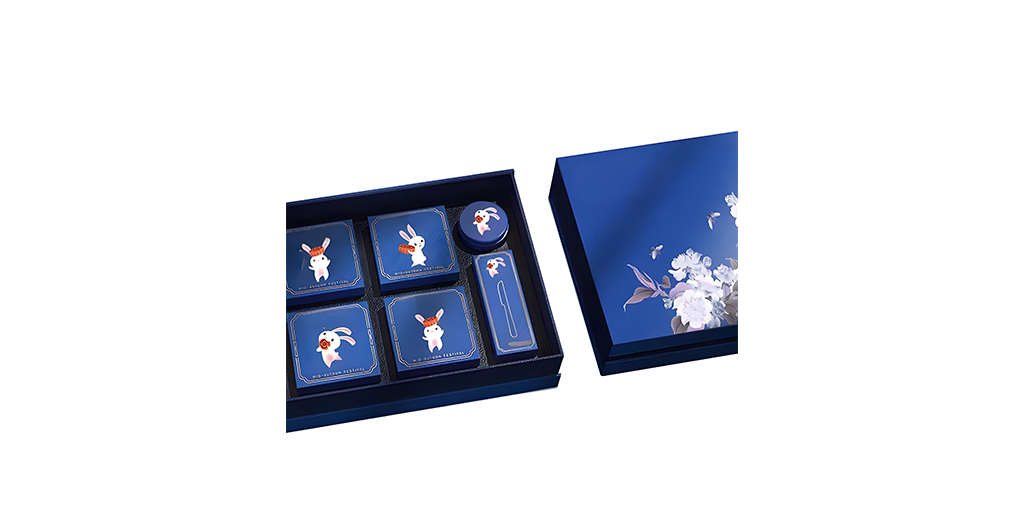
Having worked with many businesses, I’ve seen firsthand how impactful the right packaging can be. Shoulder-rigid Boxes are almost universally seen as a premium choice, and for good reason. The inherent sturdiness of the rigid Box material instantly conveys quality. When someone handles a product in this type of packaging, they immediately notice the substantial feel. The crisp edges, the perfect closure created by the Shoulder-rigid Box design, and the overall weight contribute to a sense of luxury.
Furthermore, the layered effect created by the shoulder elevates the unboxing experience. It’s like unveiling a secret – the lid comes off, revealing the shoulder, and then finally, the product itself. This multi-step reveal adds to the anticipation and excitement of receiving the item. Think about high-end electronics or luxury cosmetics; they often utilize Shoulder rigid Box packaging to reinforce their brand image and the perceived value of their products. This type of packaging signals attention to detail and a commitment to quality, which resonates strongly with consumers.
Understanding the anatomy of a Shoulder rigid Box helps appreciate its design and functionality. There are typically three main components: the base, the lid, and, of course, the shoulder.
These components work together seamlessly. The shoulder not only adds to the aesthetic appeal but also provides a snug fit for the lid, preventing it from sliding off easily and adding to the overall secure feel of the packaging.
From my experience, it’s amazing how a seemingly small design element can make such a big difference. The “shoulder” in a Shoulder rigid Box isn’t just for looks; it significantly contributes to the box’s strength and durability. Imagine the shoulder as an internal brace. It reinforces the corners and edges of the base, making them less prone to crushing or damage.
This added structural integrity is especially important for heavier or more delicate items. The tight fit between the lid and the shoulder also provides extra protection during transit and handling. It prevents the lid from shifting, which could expose the contents to dust, moisture, or impact. This robust design is a key reason why businesses choose Shoulder rigid Box packaging for valuable or fragile products that require extra protection. It’s like having an extra layer of security, ensuring the product arrives in perfect condition.
Having seen countless product launches and packaging designs, I can tell you that Shoulder rigid Boxes are a popular choice across various industries, especially where perceived value and product protection are paramount.
The common thread is the desire to elevate the product’s presentation and provide superior protection. The Shoulder rigid Box signals quality and care, making it a smart choice for brands that want to make a strong impression.
Sustainability is a growing concern for both businesses and consumers, and the packaging industry is responding. The good news is that Shoulder rigid Box packaging can often be recycled, though there are a few key factors to consider.
The primary material, paperboard, is inherently recyclable. However, any additional coatings, laminations, or inserts might affect the recyclability. Therefore, choosing eco-friendly options for these extras is crucial. For example, opting for water-based coatings over plastic laminates can improve recyclability. Furthermore, some manufacturers are exploring the use of recycled content in the paperboard itself, further enhancing the sustainability of rigid Boxes. The bulkiness of Shoulder rigid Boxes compared to folding cartons can sometimes be a factor in transportation efficiency for recycling, but focusing on streamlined designs and efficient collection systems can mitigate this. As consumers become more environmentally conscious, the demand for recyclable and sustainable packaging options like the Shoulder rigid Box made with responsible materials will continue to grow.
One of the fantastic things about Shoulder rigid Boxes is the incredible range of design options and customizations available. From my experience, this versatility allows brands to truly tailor the packaging to their specific identity and product.
These customizations allow brands to create truly unique and memorable Shoulder rigid Box packaging that reflects their brand’s personality and the quality of the product.
It’s true that Shoulder rigid Box packaging typically comes with a higher price tag compared to standard folding cartons. However, from my observations, businesses that choose this option understand the value it brings and see it as an investment.
The perceived value that a Shoulder-rigid Box adds to a product is significant. It communicates quality, exclusivity, and attention to detail, which can justify a higher price point for the product itself. Furthermore, the superior protection offered by a rigid Box can reduce product damage during shipping and handling, ultimately saving costs in the long run. For brands focused on luxury, premium positioning, or creating a memorable unboxing experience, the cost of Shoulder rigid Box packaging is often seen as a worthwhile investment in brand building and customer satisfaction. It’s about more than just a box; it’s about the entire brand experience.
The process of creating a Shoulder rigid Box is fascinating and involves several key steps that ensure the final product is both beautiful and sturdy.
The manufacturing of a Shoulder rigid Box requires skilled craftsmanship and specialized equipment, which contributes to its premium quality and, consequently, its cost.
The Shoulder rigid Box packaging industry is constantly evolving, driven by new technologies and changing consumer demands. From my perspective, here are some key trends to watch:
The future of Shoulder rigid Box packaging is bright, with innovation focused on making it more sustainable, intelligent, and tailored to the needs of both brands and consumers.
In summary, remember these key points about Shoulder Rigid Boxes:
Future trends point towards greater sustainability, smart technology integration, and personalization. content_copy download Use code with caution. Markdown
They are a premium packaging option known for their strength and elegant appearance.
The shoulder is a key design element that adds to both aesthetics and durability.
They are often used for luxury goods, electronics, and other high-value items.
Recyclability is improving with a focus on sustainable materials and designs.
Extensive customization options allow brands to create unique and impactful packaging.
While more expensive, they offer significant value in terms of product protection and brand perception.
The manufacturing process involves careful planning, cutting, wrapping, and assembly.
You can leave any questions. We will see and answer you.