Zibo City, Shandong Province

Have Any Questions?

10 AM – 6 PM
Zibo City, Shandong Province
Have Any Questions?
10 AM – 6 PM

Have Any Questions?

Are you in the roofing business searching for the perfect packaging to protect your valuable materials? Or maybe you’re just curious about the unsung hero of the construction world – the roof corrugated box? Look no further! This complete guide dives deep into everything you need to know about roof corrugated box packaging. We’ll explore the nitty-gritty of what makes these boxes so special, from their surprisingly strong construction to their environmental benefits. Whether you’re a seasoned roofing professional, a DIY enthusiast, or simply someone interested in the world of packaging, this article will equip you with the knowledge to make informed decisions. Discover how the humble corrugated box can save you time, money, prevent damage, and even contribute to a greener planet. Let’s get started!
Let’s start with the basics. A roof corrugated box, at its heart, is a specialized box designed for the safe transport and storage of roofing supplies. You might know it as a cardboard box, but it’s so much more! What makes it special is the “corrugated” part. Imagine a sandwich: you have two flat pieces of bread (the linerboard) and a wavy, crinkled filling (the corrugated medium or fluting) in the middle. This fluting is the key! It creates air spaces that act like tiny cushions, providing strength and shock absorption. That’s why a roof corrugated box can withstand much more pressure and impact than a regular flat cardboard box. It is designed to handle the weight and often irregular shapes associated with roofing materials. This robust construction is what defines roof corrugated packaging.
Think about protecting a delicate vase during a move. You wouldn’t just wrap it in paper, right? You’d use bubble wrap or packing peanuts to cushion it. The fluting in a roof corrugated box acts like that cushioning, protecting your roofing materials from bumps, drops, and vibrations during shipping. This is incredibly important because roofing supplies, like shingles, tiles, and metal flashing, can be heavy, fragile, and expensive. Damage during transport can lead to costly replacements, project delays, and unhappy customers. A roof corrugated box, therefore, is an investment in protecting your products and your business reputation. It is the first line of defense in ensuring your materials arrive in perfect condition, ready for installation, making the roof corrugated box packaging crucial for the roofing industry.
In the demanding world of construction and roofing, you need packaging solutions that are as tough and reliable as the materials they protect. This is where roof corrugated packaging shines. It’s not just about putting materials in a container; it’s about ensuring they arrive on-site, ready-to-use, and damage-free. Why rely on flimsy alternatives when you can have the peace of mind that comes with robust, specifically designed roof corrugated boxes? These boxes offer a unique combination of strength, versatility, and cost-effectiveness that’s hard to beat.
One of the biggest reasons to choose roof corrugated packaging is its exceptional protective capabilities. The corrugated structure absorbs shocks and vibrations, significantly reducing the risk of damage to shingles, tiles, metal roofing components, and other supplies. Imagine the cost and hassle of replacing a shipment of cracked tiles or dented metal panels! Roof corrugated boxes minimize these risks, saving you time, money, and frustration. Secondly, these boxes are incredibly versatile. They can be manufactured in a wide array of sizes and shapes, from small boxes for nails and fasteners to long, narrow boxes for metal flashing and large boxes for rolls of roofing felt and other underlayment materials. This adaptability makes them suitable for virtually any roofing product. And finally, it is worth re-iterating that roof corrugated boxes are often made from recycled materials and are fully recyclable, contributing to a more sustainable packaging solution for your business.
Just as there’s a wide variety of roofing materials, there’s also a diverse range of roof corrugated boxes designed to accommodate them. Understanding these different types can help you choose the perfect packaging for your specific needs. One of the most common is the Regular Slotted Container (RSC). This is your standard box, with four flaps on top and bottom that meet in the middle. RSCs are versatile and cost-effective, making them ideal for a variety of roofing products like asphalt shingles, nails, and smaller accessories. They provide adequate protection for a wide variety of roofing materials.
For heavier or more fragile items, you might opt for a Full Overlap Box (FOL). In this design, the top and bottom flaps fully overlap, providing extra strength and protection. This is a great choice for metal roofing components, heavier tiles, or bulk quantities of shingles. FOL boxes offer superior stacking strength and are less likely to come open during transit. Another option is the Telescope Box, which consists of two pieces – a top and a bottom – that fit snugly together. This design is perfect for long or irregularly shaped items, such as ridge caps, gutters, or downspouts. Telescope boxes offer excellent protection and are easy to adjust to different lengths. And then there are specialized die-cut boxes, custom-designed to fit specific products precisely. These can provide enhanced protection and a more professional presentation, especially for high-value or uniquely shaped roofing components. They’re especially effective in preventing movement within the box, which further reduces the risk of damage. The variety in roof corrugated box packaging ensures that you always have an appropriately designed box for the roofing materials being packaged.
Here’s a quick comparison table:
| Box Type | Description | Best Use Cases |
| Regular Slotted (RSC) | Standard box with flaps meeting in the middle | Shingles, nails, fasteners, general roofing accessories |
| Full Overlap (FOL) | Top and bottom flaps fully overlap | Metal roofing, heavy tiles, bulk shingles, items needing extra protection |
| Telescope Box | Two-piece box (top and bottom) | Long or irregular items like ridge caps, gutters, downspouts |
| Die-Cut Box | Custom-designed to fit specific products | High-value or uniquely shaped roofing components, premium packaging presentation |
When it comes to protecting your valuable roofing supplies, not all roof corrugated boxes are created equal. High-quality packaging has several key features that set it apart and ensure your materials arrive safely. One of the most critical factors is the strength of the box, which is typically measured by two key tests: the Edge Crush Test (ECT) and the Bursting Strength Test.
The ECT measures the amount of force a box can withstand on its edges before crushing, which is crucial for stacking and handling. A higher ECT rating means the box is more resistant to compression and can handle heavier loads. The Bursting Strength Test, on the other hand, measures the amount of pressure a box can withstand before rupturing, which is important for protecting against impacts and punctures. Look for boxes that have been tested and certified to meet industry standards for ECT and bursting strength. This information is often printed on the box itself, either as a number or as a stamp of approval from a testing agency. These ratings demonstrate that the roof corrugated box can withstand the rigors of shipping and handling. High ECT and burst strength are vital, non-negotiable aspects of strong and reliable roof corrugated packaging.
Beyond strength, several other features contribute to the quality of roof corrugated packaging. The type of corrugated flute used (A, B, C, E, or F flute, with A being the largest and F being the smallest) affects the box’s cushioning and stacking capabilities. A-flute and C-flute are commonly used for roof corrugated boxes due to their good balance of strength and cushioning. The quality of the paperboard itself is also important. Look for boxes made from strong, durable paperboard that can withstand moisture and handling. Some high-quality roof corrugated boxes also feature water-resistant coatings or treatments, which are especially beneficial for protecting roofing materials that might be exposed to the elements during shipping or storage.
Additionally, consider the construction of the box. Reinforced corners, sturdy stitching or gluing, and precise die-cutting all contribute to a more durable and reliable package. Printing quality is another factor to consider, especially if you want to add your company logo, product information, or handling instructions to the box. Clear, crisp printing enhances your brand image and ensures that important information is easily visible. Investing in high-quality roof corrugated packaging may have a slightly higher initial cost, but it pays off in the long run by reducing product damage, minimizing returns, and improving customer satisfaction. Don’t skimp on quality when it comes to protecting your valuable roofing supplies; premium roof corrugated box packaging is an investment, not an expense.
Selecting the perfect roof corrugated box doesn’t have to be a daunting task. By following a systematic approach, you can ensure that your roofing materials are packaged safely and efficiently. Here’s a step-by-step guide to help you make the right choice:
Step 1: Identify Your Roofing Materials: Start by making a list of the specific roofing materials you need to package. Are they asphalt shingles? Metal panels? Tiles? Each material has different weight, size, and fragility characteristics that will influence your packaging choices. For example, heavy metal roofing will require a much stronger box than lightweight asphalt shingles. Note also any special considerations, such as sharp edges or unusual shapes.
Step 2: Determine Product Dimensions and Weight: Accurately measure the length, width, and height of your roofing products. Also, weigh them to determine the total weight each box will need to hold. This information is crucial for selecting the right box size and strength. It’s always better to overestimate slightly than to underestimate, as an overloaded box is much more likely to fail. Add a little extra space for cushioning materials, especially for fragile items.
Step 3: Assess Your Shipping and Handling Process: Consider how your roof corrugated boxes will be shipped and handled. Will they be stacked on pallets? Transported by truck, rail, or sea? Subjected to rough handling? If stacking is involved, you’ll need boxes with high ECT values to prevent crushing. If long-distance shipping is anticipated, consider boxes with water-resistant coatings to protect against moisture damage.
Step 4: Choose the Appropriate Box Type: Based on your answers to steps 1-3, select the appropriate box type. For standard shingles, an RSC box might suffice. For heavy or bulky items, an FOL or Telescope box would be a better choice. And for uniquely shaped products, consider a custom die-cut box. Remember to refer back to the table in the previous section for guidance. Selecting the right type of box is the cornerstone of effective roof corrugated box packaging.
Step 5: Consider Box Strength and Flute Type: Select the appropriate box strength (ECT and Bursting Strength) based on the weight of your products and the stacking requirements. Also, consider the flute type. C-flute is a good all-purpose choice for many roofing materials, while A-flute is better for heavier items. Consult with your packaging supplier to determine the best combination of strength and flute type for your needs.
Step 6: Evaluate Printing and Labeling Needs: Do you need to print your company logo, product information, or handling instructions on the boxes? If so, consider the print quality and available options. Also, ensure that there’s enough space on the box for shipping labels and other necessary markings. Clear labeling is essential for accurate shipping and efficient inventory management.
Step 7: Compare Prices and Request Samples: Get quotes from multiple roof corrugated box suppliers to ensure you’re getting a competitive price. However, don’t let price be the only deciding factor. Quality and reliability are equally important. Request samples of the boxes you’re considering to evaluate their strength, construction, and printing quality before placing a large order.
Step 8: Test and Refine: Once you receive your first shipment of boxes, conduct some tests to ensure they meet your expectations. Pack them with your roofing materials and subject them to simulated shipping and handling conditions. If necessary, make adjustments to your packaging strategy based on the test results. Continuous evaluation ensures optimal protection and cost-effectiveness in your roof corrugated packaging process.
The advantages of using roof corrugated box packaging go far beyond simply protecting your products. While product protection is certainly paramount, these boxes offer a range of additional benefits that can significantly enhance your operations, boost your bottom line, and improve your overall business performance.
One of the most significant benefits is cost savings. While it might seem counterintuitive that investing in quality packaging can save money, the long-term benefits far outweigh the initial investment. Damaged products lead to costly replacements, shipping expenses for returns, and potential customer dissatisfaction that can impact future sales. Roof corrugated boxes minimize the risk of damage, resulting in fewer replacements, reduced shipping costs, and happier customers. In addition, lightweight yet durable corrugated boxes can help lower transportation expenses compared to heavier packaging alternatives. Well-designed boxes also improve warehouse efficiency. Their standardized shapes and sizes make them easy to stack and store, optimizing space utilization and streamlining inventory management. This leads to faster order fulfillment, reduced labor costs, and improved productivity. The equation is simple: less damage plus increased efficiency equals a stronger bottom line.
Moreover, high-quality roof corrugated packaging enhances your brand image and professionalism. When customers receive their roofing materials in pristine condition, it reflects positively on your company’s commitment to quality and attention to detail. It builds trust and confidence in your brand. And let’s not forget the environmental benefits. As mentioned earlier, roof corrugated boxes are often made from recycled materials and are themselves recyclable, aligning with sustainable business practices and appealing to environmentally conscious customers. This can be a significant differentiator in today’s market, where sustainability is increasingly important to consumers. It’s not just about selling roofing; it’s about presenting a complete package of quality and responsibility, and roof corrugated packaging helps achieve that. From an operational standpoint, the standardized shapes and easy handling of roof corrugated boxes contribute to a smoother, more efficient workflow. Employees can quickly and safely load, unload, and store boxes, saving time and minimizing the risk of workplace injuries. In short, using roof corrugated box packaging translates to a more streamlined, cost-effective, and customer-centric operation.
In today’s environmentally conscious world, businesses are increasingly seeking sustainable solutions for their packaging needs. Roof corrugated boxes offer a compelling option, aligning with eco-friendly practices and reducing environmental impact. One of the key factors contributing to their sustainability is the use of recycled content. Many roof corrugated boxes are manufactured using a significant percentage of recycled paper fibers, reducing the demand for virgin wood pulp and conserving natural resources. This closed-loop system, where old corrugated boxes are collected, reprocessed, and turned into new boxes, minimizes waste and promotes a circular economy.
Furthermore, the paperboard used in roof corrugated boxes often comes from sustainably managed forests. Forest certification programs, such as the Sustainable Forestry Initiative (SFI) and the Forest Stewardship Council (FSC), ensure that forests are managed responsibly, protecting biodiversity, water quality, and other ecological values. When sourcing roof corrugated packaging, look for boxes that are certified by these organizations to ensure they come from environmentally responsible sources.
Beyond recycled content and sustainable forestry, the recyclability of roof corrugated boxes is another major advantage. After use, these boxes can be easily flattened and collected for recycling. Most communities have established recycling programs for corrugated cardboard, making it easy for businesses and consumers to dispose of boxes responsibly. The recycled fibers can then be used to make new corrugated boxes or other paper products, further reducing the need for virgin materials. Using recycled materials and promoting recyclability not only benefits the environment but can also enhance your company’s image. Communicating your commitment to sustainable packaging to your customers can build brand loyalty and attract environmentally conscious consumers.
In addition to being made from recycled materials and being recyclable, roof corrugated boxes offer other environmental benefits. Their lightweight nature reduces fuel consumption during transportation, resulting in lower greenhouse gas emissions. They are also biodegradable, breaking down naturally over time if they end up in a landfill. Choosing roof corrugated packaging is a tangible way to demonstrate your commitment to sustainability and contribute to a healthier planet. By utilizing roof corrugated boxes, companies participate actively in reducing waste, conserving resources, and minimizing their overall carbon footprint.
Understanding how a roof corrugated box is made provides valuable insight into its strength and performance capabilities. The manufacturing process of roof corrugated boxes is a fascinating blend of engineering, material science, and automation. It begins, naturally, with trees. Wood pulp is the primary raw material, though increasingly, recycled fibers play a significant role. This pulp is processed to create large rolls of paperboard, the foundation of the corrugated box. There are two main types of paperboard used: linerboard, which forms the flat outer layers of the box, and medium, which is fluted to create the corrugated core. The quality and thickness of the paperboard are carefully controlled to ensure the final box meets specific strength requirements. Different grades of paperboard are used depending on the intended application, with heavier grades used for boxes designed to carry heavier loads.
The next step is the creation of the corrugated board itself. This is done on a machine called a corrugator, which is a marvel of engineering. Rolls of medium are heated and passed through corrugated rollers, which shape the paper into the wavy flutes that give the box its strength and cushioning properties. Simultaneously, the linerboard is glued to both sides of the fluted medium, creating a single, double, or even triple-walled corrugated sheet. The most common flute sizes used in roof corrugated boxes are A-flute and C-flute, as previously discussed, each offering a different balance of strength, cushioning, and printability. The newly formed corrugated board is then cut to the desired width and scored to create fold lines.
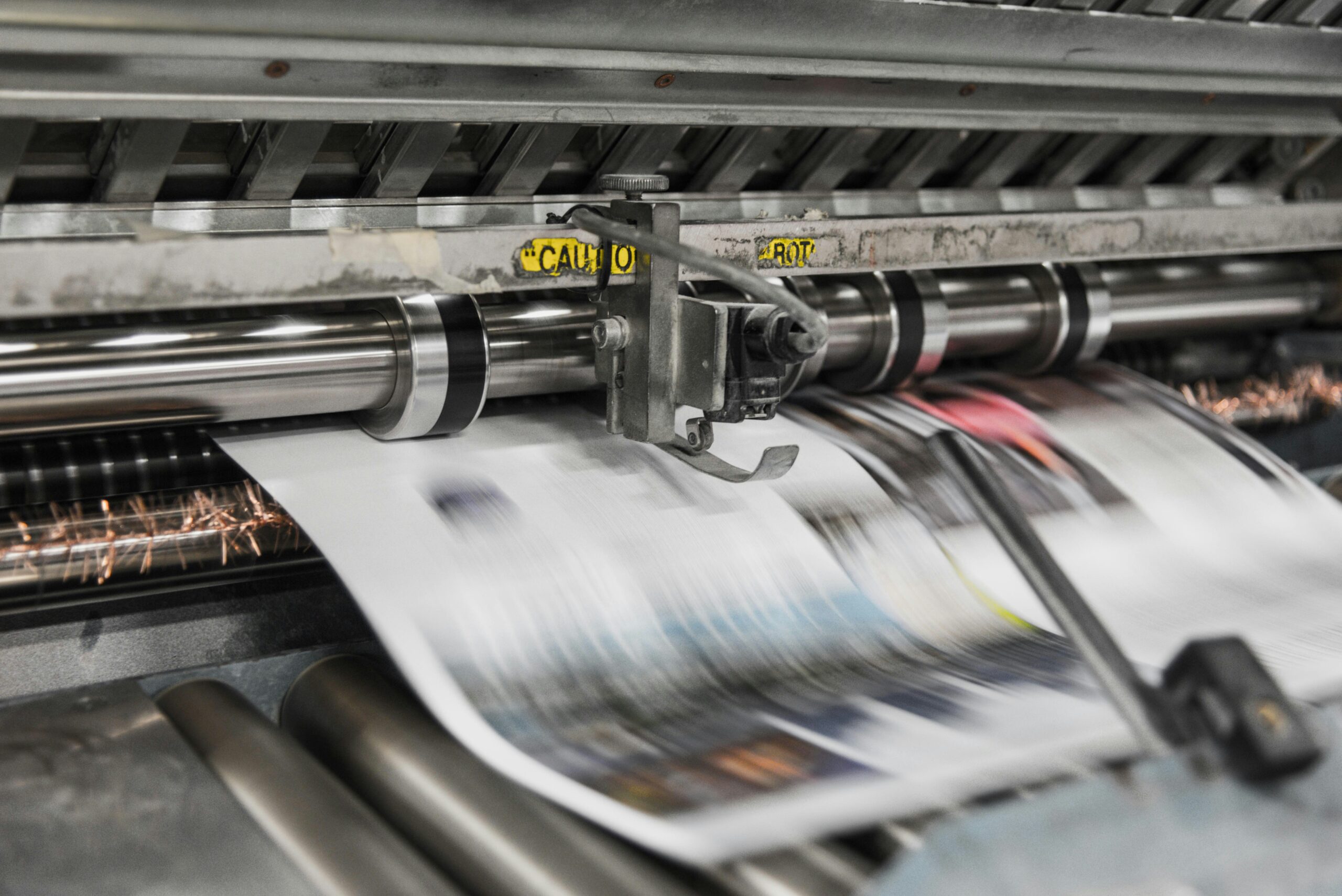
From there, the corrugated sheets move to a flexo folder-gluer, the workhorse of the box-making process. This machine performs several operations in rapid succession. It prints the boxes with any desired graphics or text, using a flexographic printing process. Think of it like a giant, high-speed printing press for cardboard. Next, it cuts the sheets into individual box blanks, scores them again for precise folding, folds them into the final box shape, and glues or stitches the flaps together. The entire process is highly automated, with computer controls ensuring accuracy and consistency. Some manufacturers also use rotary die-cutters to create more complex box shapes and designs, especially for custom packaging solutions. These machines can cut and score the corrugated board in a single pass, allowing for the creation of intricate shapes and features. The finished roof corrugated boxes are then stacked, bundled, and shipped to customers, ready to protect their valuable roofing products. Quality control checks are performed throughout the manufacturing process to ensure that the boxes meet the required specifications for strength, dimensions, and print quality.
When selecting packaging for roofing materials, cost is always a significant consideration. While roof corrugated boxes may have a higher upfront cost compared to some alternatives, a comprehensive cost analysis often reveals their superior long-term value. Let’s compare roof corrugated boxes to some other common packaging options:
Roof Corrugated Boxes vs. Plastic Wrap/Shrink Wrap: Plastic wrap might seem like a cheaper option initially, especially for smaller items or bundles of shingles. However, it offers minimal protection against impact, crushing, or moisture damage. This can lead to higher rates of product damage during shipping and handling, resulting in costly replacements and dissatisfied customers. Furthermore, plastic wrap is often not recyclable, contributing to environmental waste. In contrast, roof corrugated boxes provide robust protection, reduce damage rates, and are typically recyclable. While the initial cost per unit might be higher, the overall cost savings from reduced damage and waste often make corrugated boxes the more economical choice in the long run.
Roof Corrugated Boxes vs. Wooden Crates: Wooden crates offer excellent protection for heavy or irregularly shaped items. However, they are significantly more expensive than roof corrugated boxes. They also require more storage space, are heavier and more difficult to handle, and can increase shipping costs due to their weight and bulk. While crates might be necessary for extremely heavy or oversized roofing components, roof corrugated boxes offer a more cost-effective and efficient solution for the majority of roofing materials.
Roof Corrugated Boxes vs. Light-Duty Cardboard: Thin, light-duty cardboard boxes might seem like a budget-friendly option, but they lack the strength and durability of roof corrugated boxes. They are more susceptible to crushing, tearing, and moisture damage, putting your roofing materials at risk. The potential for increased product damage and the associated costs of replacements and returns often outweigh any initial savings from using cheaper cardboard. Investing in quality roof corrugated packaging ensures adequate protection and reduces the risk of these costly issues.
Cost Factors to Consider:
When evaluating packaging costs, it’s crucial to look beyond the initial price per unit. Here are some factors to consider:
Product Damage Rate: How often do products get damaged during shipping with different packaging options? Lower damage rates with roof corrugated boxes translate to significant cost savings.
Shipping Costs: Heavier packaging options like wooden crates can increase shipping expenses. Lightweight corrugated boxes can help minimize transportation costs.
Labor Costs: How much time and labor are required to pack and handle different packaging types? Efficiently designed corrugated boxes can streamline warehouse operations and reduce labor expenses.
Storage Space: Wooden crates and bulky packaging require more warehouse space, which can be a significant cost factor. Corrugated boxes can be stored flat and take up less space.
Disposal Costs: Non-recyclable packaging materials can incur disposal fees. Recyclable corrugated boxes reduce waste and disposal costs.
To illustrate the cost-effectiveness of roof corrugated boxes, let’s consider a simplified example:
| Packaging Option | Unit Cost | Damage Rate | Shipping Cost | Total Cost (incl. damage) |
| Plastic Wrap | $0.50 | 10% | $5.00 | $10.50 |
| Light-Duty Cardboard | $1.00 | 5% | $6.00 | $11.50 |
| Roof Corrugated Box | $2.00 | 1% | $7.00 | $9.02 |
(This is a hypothetical example; actual costs will vary depending on product, quantity, shipping distance, etc.)
In this simplified example, although the roof corrugated box has a higher unit cost and slightly higher shipping, the significantly lower damage rate results in the lowest total cost. This highlights the importance of considering all cost factors, not just the initial price of the packaging material. A true cost analysis demonstrates that investing in quality roof corrugated box packaging is often the most financially sound decision for roofing businesses.
Partnering with a dependable supplier is crucial for ensuring a consistent and high-quality supply of roof corrugated boxes. Your supplier is more than just a vendor; they’re a key partner in your operations, helping to protect your products and maintain your reputation. Here’s how to find reliable suppliers for your roof corrugated packaging needs:
1. Start with Research: Begin by researching potential suppliers online and in your local area. Look for companies that specialize in corrugated packaging and have experience serving the construction or roofing industry. Industry associations, online directories, and trade publications can be valuable resources. Search for keywords like “roof corrugated box manufacturer,” “corrugated packaging supplier near me,” or “roofing packaging solutions.” Check out company websites to learn more about their products, services, and capabilities.
2. Check for Certifications and Ratings: Look for suppliers that have certifications or ratings from recognized industry organizations. For example, the Fibre Box Association (FBA) provides certifications for corrugated box manufacturers, indicating that their products meet specific strength and quality standards. ISO certifications demonstrate a commitment to quality management systems.
3. Evaluate Experience and Expertise: Consider the supplier’s experience and expertise in the packaging industry. How long have they been in business? Do they have experience working with roofing companies? A supplier with a proven track record and a deep understanding of the roofing industry’s needs is more likely to provide reliable and effective packaging solutions. Ask for case studies or testimonials from other roofing businesses they’ve worked with.
4. Request Samples and Quotes: Don’t just rely on online information or brochures. Request samples of the boxes you’re considering to evaluate their quality firsthand. Examine the material, construction, and printing. Test the boxes for strength and durability. Obtain quotes from multiple suppliers to compare pricing, but remember that cost shouldn’t be the only factor. Quality and reliability are just as important. Ask for detailed quotes that break down the cost per box, shipping fees, and any other applicable charges.
5. Assess Customer Service and Support: Evaluate the supplier’s customer service and support capabilities. Are they responsive to your inquiries? Do they have knowledgeable staff who can answer your questions and provide technical assistance? A good supplier will be responsive, proactive, and committed to providing excellent customer service. Check online reviews and ratings to gauge other customers’ experiences.
6. Consider Customization Options: Does the supplier offer customization options for your roof corrugated boxes? Can they print your company logo, product information, or handling instructions on the boxes? Custom printing enhances your brand image and helps to ensure that your products are handled correctly. Discuss your specific customization needs with potential suppliers.
7. Evaluate Production Capacity and Lead Times: Inquire about the supplier’s production capacity and lead times. Can they meet your volume requirements and delivery deadlines? A reliable supplier will have the capacity to handle your orders efficiently and deliver on time, even during peak seasons. Ask about their inventory management practices and their ability to handle unexpected demand fluctuations.
8. Assess Sustainability Practices: If environmental responsibility is important to your business, inquire about the supplier’s sustainability practices. Do they use recycled materials? Do they source their paperboard from sustainably managed forests? Do they have any environmental certifications? Partnering with a supplier that shares your commitment to sustainability can enhance your company’s reputation and contribute to a greener future. Look for suppliers that use eco-friendly inks and adhesives, and that minimize waste in their manufacturing processes.
9. Negotiate Terms and Conditions: Once you’ve selected a supplier, negotiate favorable terms and conditions, including pricing, payment terms, delivery schedules, and return policies. A strong business relationship is built on clear communication and mutually beneficial agreements. Establishing a solid contract upfront can help prevent misunderstandings and ensure a smooth, long-term partnership.
10. Build a Long-Term Relationship: Finding a reliable supplier is just the first step. Building a strong, long-term relationship with your supplier is essential for ensuring a consistent supply of high-quality roof corrugated boxes. Regular communication, open feedback, and a willingness to collaborate on solutions can strengthen your partnership and contribute to mutual success. Consider your supplier as an extension of your own team, working together to achieve shared goals.
Proper storage and handling of roof corrugated boxes are essential for maintaining their strength and protecting the roofing materials they contain. Implementing these best practices will help maximize the lifespan of your boxes, reduce the risk of damage, and ensure that your roofing products arrive at the job site in pristine condition:
1. Store in a Clean, Dry Environment: Store your roof corrugated boxes in a clean, dry warehouse or storage area, away from direct sunlight, moisture, and extreme temperatures. Excess humidity can weaken the cardboard, while prolonged exposure to sunlight can cause fading and brittleness. Maintain a consistent temperature and humidity level within your storage area to prevent warping and degradation of the boxes.
2. Use Pallets and Shelving: Store boxes on pallets or shelving to keep them off the floor and protect them from moisture. This also improves air circulation around the boxes, preventing mold and mildew growth. Ensure that pallets are in good condition and free of splinters or other defects that could damage the boxes.
3. Stack Boxes Properly: When stacking boxes, ensure they are properly aligned and evenly distributed to prevent crushing. Avoid overloading pallets or shelves. Follow the manufacturer’s recommendations for stacking height and weight limits. Use appropriate stacking patterns, such as interlocking or column stacking, to maximize stability and prevent shifting.
4. Handle with Care: Train your employees on proper lifting and handling techniques to minimize the risk of damage to the boxes and prevent workplace injuries. Avoid dragging or dropping boxes. Use appropriate equipment, such as hand trucks, pallet jacks, or forklifts, for moving heavy loads. Encourage employees to report any damaged boxes immediately so they can be replaced before they are used to ship products.
5. Rotate Inventory: Implement a first-in, first-out (FIFO) inventory rotation system to ensure that older boxes are used before newer ones. This helps prevent boxes from becoming damaged or degraded over time due to prolonged storage. Clearly label boxes with their arrival date to facilitate inventory rotation.
6. Inspect Boxes Regularly: Inspect boxes regularly for signs of damage, such as tears, punctures, or water stains. Damaged boxes should be removed from inventory and recycled. Regular inspections can help identify potential problems early on and prevent more significant damage from occurring.
7. Seal Boxes Securely: When packing boxes, use appropriate sealing methods, such as strong packing tape or staples, to secure the flaps and prevent the contents from shifting during transit. Ensure that the tape is applied evenly and firmly across all seams and edges.
8. Use Appropriate Cushioning Materials: For fragile or delicate roofing products, use appropriate cushioning materials, such as bubble wrap, packing peanuts, or foam inserts, to provide extra protection during shipping. This helps prevent breakage and damage from impacts and vibrations.
9. Label Boxes Clearly: Label boxes clearly with the contents, destination, and any special handling instructions. This helps ensure that the boxes are shipped to the correct location and handled appropriately. Use clear, legible labels that are resistant to smudging or fading.
10. Dispose of Boxes Responsibly: After use, flatten and collect roof corrugated boxes for recycling. Most communities have established recycling programs for corrugated cardboard. By recycling your boxes, you contribute to a circular economy, reduce waste, and conserve natural resources. Promote recycling among your employees and customers to maximize the environmental benefits of using corrugated packaging.
Choosing the right packaging is a critical decision for any business, especially in the roofing industry. Roof corrugated box packaging offers a superior combination of strength, versatility, cost-effectiveness, and sustainability. By understanding the benefits and best practices of using roof corrugated boxes, you can make informed decisions that protect your products, optimize your operations, and contribute to a greener future. Here are the key takeaways to remember:
Prioritize Quality: Invest in high-quality boxes with adequate strength and durability to prevent product damage and minimize returns. Quality translates to long-term cost savings.
Choose the Right Type: Select the appropriate box type based on the specific characteristics of your roofing materials and your shipping needs.
Consider Sustainability: Opt for boxes made from recycled content and partner with suppliers who practice sustainable forestry. Recycle your used boxes responsibly.
Partner with a Reliable Supplier: Build a strong relationship with a supplier who can provide consistent, high-quality boxes and excellent customer service.
Implement Best Practices: Follow best practices for storing and handling boxes to maximize their lifespan and protect your products.
By following these guidelines, you can leverage the full potential of roof corrugated box packaging to improve your business operations, enhance your reputation, and contribute to a more sustainable future.
You can leave any questions. We will see and answer you.