Printing Color Rigid Boxes: Your Brand’s Best Look
admin
Want your product to truly shine? A printing color rigid box isn’t just packaging; it’s your brand’s handshake with the customer. It speaks volumes about quality and care, even before the box is opened. In this guide, we’ll unpack everything you need to know about these fantastic boxes, from the materials they’re made of to how they’re brought to life. Get ready to transform your product presentation and make a lasting impression!
Why dive into this article? Because understanding the nuances of printing color rigid boxes can be a game-changer for your business. We’ll break down the complexities in a way that’s easy to grasp, giving you the knowledge to make smart choices and create packaging that truly elevates your brand. Think of it as your insider’s guide to making your product packaging work harder for you.
Unboxing the Basics: What Exactly is a Printing Color Rigid Box?
What makes a rigid box so… well, rigid? And how does printing color transform it from a simple container into a powerful branding tool? Let’s start by defining what sets these premium packaging solutions apart.
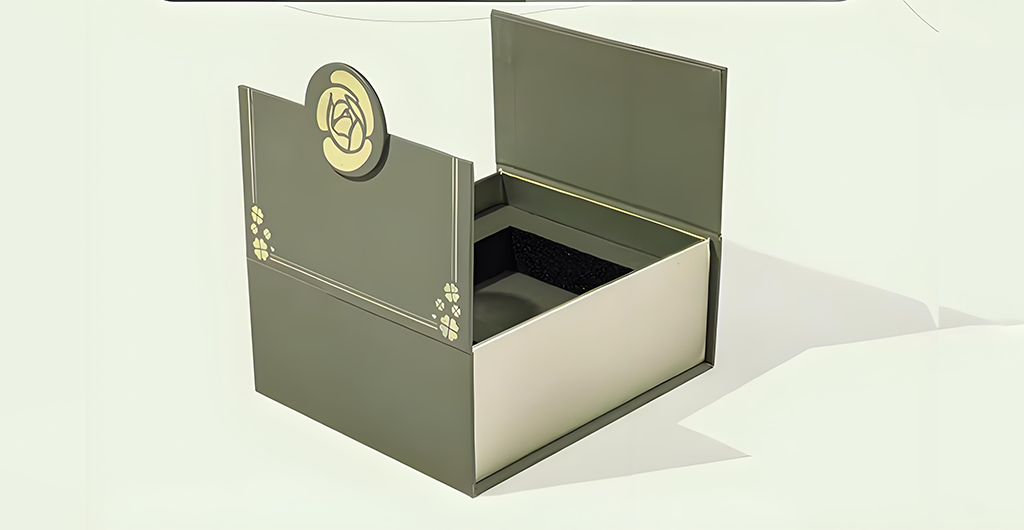
A rigid box, unlike a folding carton, is characterized by its sturdy and non-collapsible structure. Think of the boxes your high-end electronics or luxury cosmetics come in – that’s a rigid box. The “rigid” comes from the thick, dense board used in its construction, providing superior protection and a premium feel. Now, add vibrant printing color to the mix, and you have a powerful way to showcase your brand’s personality and attract attention. The ability to print high-quality graphics, logos, and intricate designs directly onto the box makes it a canvas for your brand story.
What are Printing Color Rigid Boxes Made Of? Unveiling the Materials
Ever wondered what goes into making a printing color rigid box so robust and visually appealing? The magic lies in the combination of different paper materials. Understanding these materials is key to choosing the right combination for your product’s needs and your brand’s image.
Generally, a printing color rigid box consists of two main layers:
Face Paper: This is the outer layer, the one you see and touch. It’s the canvas for your printing color design and contributes significantly to the box’s aesthetic appeal. Common types include:
Gray Cardboard : A sturdy and cost-effective option, often used as the core structure or for internal layers.
White Cardboard : A brighter option providing a good base for printing vibrant colors. It offers a clean and premium look.
Coated Paper: Known for its smooth surface, ideal for high-quality printing color and achieving sharp details and vibrant images.
Fancy Paper: A broad category encompassing textured, embossed, or otherwise decorative papers, adding a touch of luxury and uniqueness.
Gold/Silver Card : Papers with a metallic sheen, instantly conveying a sense of luxury and premium quality, perfect for highlighting special features or branding elements.
Laser Card : Paper with a holographic or iridescent effect, creating eye-catching visuals and a modern, sophisticated feel.
Liner Paper/Corrugated Paper : This is the inner layer, providing the structural rigidity and cushioning. It’s often a type of corrugated board, offering excellent protection.
Table 1: Common Face Paper Materials for Printing Color Rigid Boxes
Decorative papers with various textures, embossing, or unique finishes
Luxury packaging, unique branding
Adds premium feel, stands out
Higher cost, printability can vary
Gold/Silver Card
Metallic sheen, available in gold or silver
Luxury items, highlighting special features, premium branding
Conveys luxury, eye-catching
Can be more expensive, may require specific printing techniques
Laser Card
Holographic or iridescent effect
Modern and innovative products, creating a futuristic or playful feel
Eye-catching, unique
Can be more expensive, ensure design complements the holographic effect
Choosing the right combination of face paper and liner paper is crucial for achieving the desired look, feel, and level of protection for your product.
Bringing it to Life: The Printing Color Rigid Box Production Process
How does a flat sheet of paper transform into a beautifully printed color rigid box ready to house your product? The process involves several key steps, each requiring precision and expertise. Let’s walk through the journey:
Design and Film Output : The process begins with a well-thought-out design. This involves creating the artwork for your printing color box, including logos, graphics, text, and any special features. Once the design is finalized digitally, it’s then output onto films (although digital printing is increasingly common, film output is a traditional method). This film acts as a template for the printing plates. The selection of packaging materials also happens at this stage.
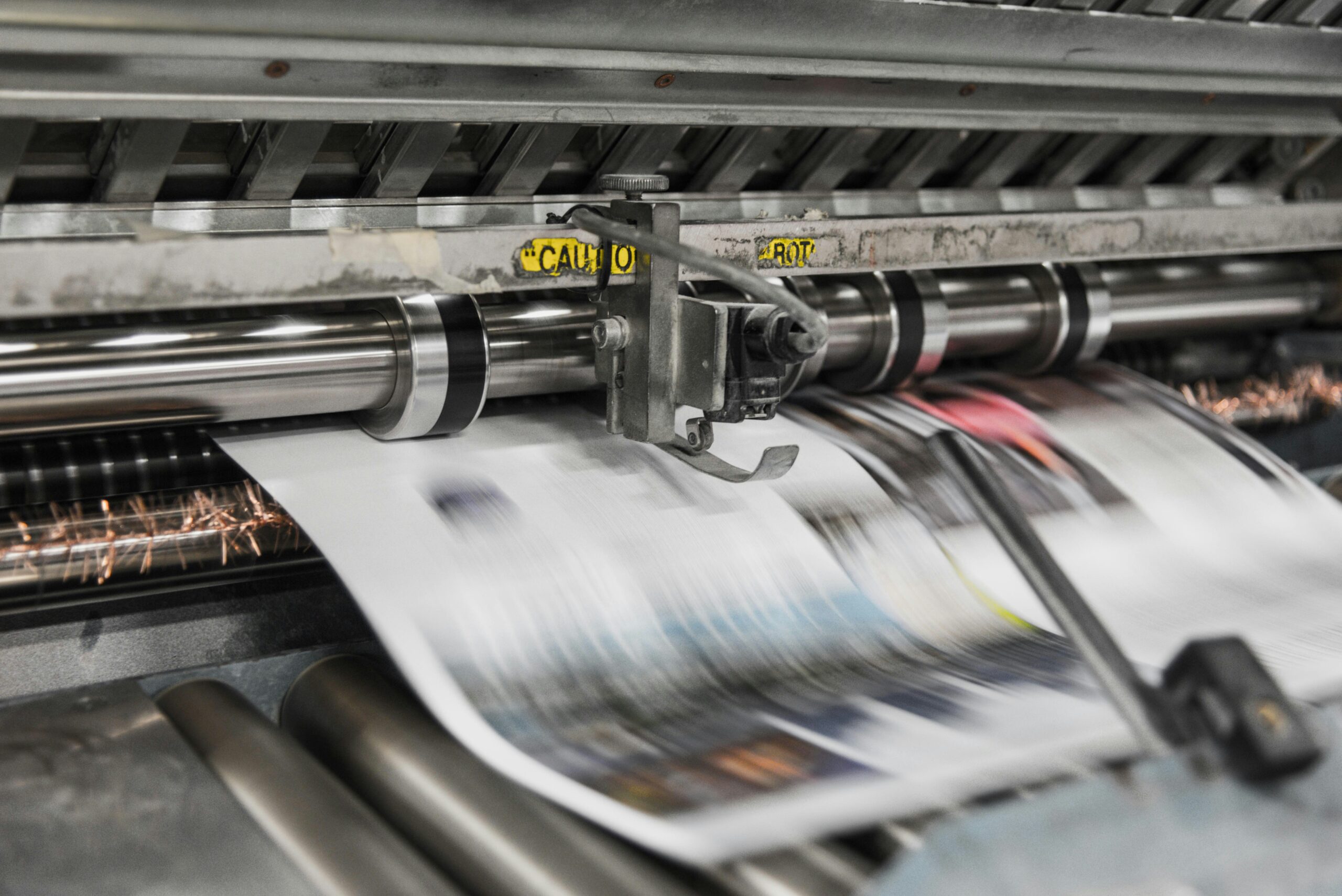
Printing : The printing factory receives the films and, based on the size of the film, the thickness of the paper, and the number of printing colors required, determines the appropriate printing method and setup. Ink is applied to the printing plates, which then transfer the design onto the chosen face paper.
Die-Cutting and Mounting: A custom die is created based on the dimensions and shape of the rigid box. This die is essentially a sharp cutting tool used to precisely cut the printed face paper into the required shape. Simultaneously, the liner paper is prepared. The printed face paper is then meticulously mounted onto the thicker liner paper, providing the box’s structural integrity.
Surface Finishing : To enhance the visual appeal and durability of the printing color rigid box, various surface treatments can be applied:
Lamination : A thin plastic film is applied to the printed surface, providing protection against scratches and moisture. It’s available in gloss or matte finishes.
Hot Stamping : A metallic foil (gold, silver, or other colors) is applied to specific areas using heat and pressure, creating a luxurious and eye-catching effect.
UV Coating (UV): A glossy coating is applied and then cured with ultraviolet light, providing a high-shine finish and added protection. Spot UV can be used to highlight specific areas.
Varnishing/Aqueous Coating : A protective coating is applied to enhance the print and provide a smooth finish.
Forming : Using specialized machinery and the custom die, the printed and mounted material is die-cut into the final box shape. This process creates the necessary creases and cutouts for the box to be assembled.
Gluing: The final step involves assembling the die-cut pieces. Adhesive is applied to specific areas, and the box is folded and glued together, creating the finished printing color rigid box. This can be done manually or using automated machinery.
List 1: Key Steps in Printing Color Rigid Box Production
Design and Film Output
Printing
Die-Cutting and Mounting
Surface Finishing (Lamination, Hot Stamping, UV Coating, Varnishing)
Forming
Gluing
The Price Tag: How is the Cost of a Printing Color Rigid Box Calculated?
Understanding the factors that influence the cost of a printing color rigid box is essential for budgeting and making informed decisions. The pricing is typically calculated based on a combination of material costs, production processes, and overhead.
Here’s a breakdown of the common cost components:
Face Paper Cost: The price of the chosen face paper material varies depending on its type, thickness, and finish. Premium papers like fancy paper or metallic cards will naturally be more expensive.
Liner Paper Cost: The cost of the liner paper depends on its thickness, flute type (the wavy inner layer of corrugated board), and overall quality.
Film Cost: While less relevant with digital printing advancements, the cost of producing the printing films was traditionally a factor.
Printing Plate Cost : Printing plates are used to transfer the design onto the paper. The cost depends on the number of colors in the design.
Printing Cost: This cost is determined by factors like the number of printing colors used, the complexity of the design, and the quantity of boxes being produced. More colors and intricate designs will generally increase the printing cost.
Surface Treatment Cost : The cost of lamination, hot stamping, UV coating, or varnishing will be added based on the chosen finishes. More complex or multiple surface treatments will increase the cost.
Die-Cutting Cost: The cost of the die-cutting process depends on the complexity of the box shape and the number of boxes being produced.
Mounting Cost: The cost of adhering the printed face paper to the liner paper.
Die Mold Cost : The cost of creating the custom die for cutting the box shape. This is usually a one-time cost for a specific design.
Gluing Cost: The cost of assembling and gluing the box.
Waste/Spoilage (5%): A small percentage is usually added to account for potential errors or waste during the production process.
Tax: Applicable taxes are added to the total cost.
Profit : The printing company’s profit margin is included in the final price.
Formula:
Face Paper Cost + Liner Paper Cost + Film (if applicable) + Printing Plate Cost + Printing Cost + Surface Treatment Cost + Die-Cutting Cost + Mounting Cost + Die Mold Cost + Gluing Cost + (5% Waste) + Tax + Profit = Total Cost
Understanding these individual cost components empowers you to negotiate effectively and make informed choices about your printing color rigid box specifications.
Why Choose a Printing Color Rigid Box for Your Packaging? The Benefits Unveiled
In a world of packaging options, why should you opt for a printing color rigid box? The benefits extend far beyond simply containing your product.
Enhanced Perceived Value: The sturdiness and premium feel of a rigid box instantly elevate the perceived value of the product inside. This is crucial for luxury goods, electronics, and items where a high-quality presentation is essential.
Superior Protection: The thick board construction offers excellent protection against damage during shipping and handling, ensuring your product arrives in perfect condition.
Strong Branding Opportunity: The smooth surface of the face paper provides an ideal canvas for high-quality printing color graphics, allowing you to showcase your brand logo, colors, and messaging effectively.
Increased Shelf Appeal: A well-designed printing color rigid box stands out on the shelf, attracting attention and drawing consumers in. The ability to use vibrant colors and unique designs gives you a competitive edge.
Reusable and Sustainable Options: While traditionally seen as less recyclable, advancements in materials and design are leading to more recyclablerigid box packaging options. Choosing eco-friendly materials demonstrates your brand’s commitment to sustainability.
Creates a Memorable Unboxing Experience: The act of opening a rigid box can feel like a special occasion. This positive unboxing experience enhances customer satisfaction and strengthens brand loyalty.
Sustainability in Style: Are Printing Color Rigid Boxes Recyclable?
With increasing environmental awareness, the question of recyclablerigid box packaging is crucial. While traditional rigid boxes, with their glued construction and often laminated surfaces, can be more challenging to recycle than folding cartons, the industry is evolving.
Material Choices: Opting for recyclable face papers and avoiding non-recyclable laminations are key steps. Consider water-based coatings instead of plastic laminates.
Design for Disassembly: Exploring designs that allow for easier separation of materials for recycling is becoming more common.
Consumer Education: Clearly communicating the recyclability of your packaging to consumers is important.
Working with Sustainable Suppliers: Partnering with packaging manufacturers who prioritize sustainable practices and offer recyclable materials is essential.
While not universally recyclable, choosing the right materials and design can significantly improve the sustainability of your printing color rigid box.
Adding a Touch of Elegance: The Role of Buttons in Printing Color Rigid Boxes
While not always present, the addition of a button closure can significantly enhance the perceived quality and functionality of a printing color rigid box. These small details can make a big difference in the overall presentation.
Secure Closure: Buttons provide a secure and satisfying closure mechanism, adding a tactile element to the unboxing experience.
Enhanced Perceived Value: The inclusion of a button closure often signals a higher-end product and more thoughtful packaging design.
Variety of Styles: Buttons come in various materials, shapes, and finishes, allowing for customization to match your brand aesthetic.
Standing Out from the Crowd: Achieving Differentiation with Printing Color Rigid Boxes
In a crowded marketplace, differentiation is key. Printing color rigid boxes offer numerous opportunities to make your product stand out.
Unique Color Palettes: Develop a distinctive color scheme that aligns with your brand identity and captures attention.
Custom Graphics and Illustrations: Utilize high-quality printing to showcase unique artwork and illustrations that tell your brand story.
Specialty Finishes: Employ techniques like embossing, debossing, spot UV, or soft-touch lamination to add tactile and visual interest.
Unconventional Box Shapes and Structures: Think beyond the standard rectangular box. Explore unique shapes and opening mechanisms.
The Future of Printing Color Rigid Boxes: Trends to Watch
The printing color rigid box industry is constantly evolving. Here are some trends to keep an eye on:
Increased Focus on Sustainability: Expect to see more innovative recyclable materials and designs.
Integration of Smart Technologies: QR codes, NFC tags, and other technologies will be increasingly integrated into packaging for enhanced consumer engagement.
Personalization and Customization: Digital printing allows for greater flexibility in creating personalized packaging.
Emphasis on Unboxing Experience: Brands will continue to focus on creating memorable and shareable unboxing experiences.
Key Takeaways: Mastering the Art of the Printing Color Rigid Box
Printing color rigid boxes offer a premium packaging solution that enhances perceived value and provides superior protection.
Understanding the different materials and production processes is crucial for making informed decisions.
Strategic use of printing color is a powerful tool for brand differentiation.
Consider sustainability by opting for recyclable materials and designs.
Small details like buttons can significantly enhance the packaging experience.
By understanding the power and versatility of printing color rigid boxes, you can elevate your product presentation, strengthen your brand identity, and create a lasting impression on your customers. It’s more than just a box; it’s an experience.