Perishable Goods Packaging Problems? Flap Box is Solution
admin
Are you in the business of fresh produce, meats, dairy, or baked goods? Then you know the daily challenge of keeping your perishable goods fresh from farm to table, or production to consumer. Poor packaging can lead to spoilage, damage, and ultimately, lost profits. This article explores how recyclable flap boxes offer a smart, sustainable, and effective solution to these common problems. Discover why switching to flap boxes for perishable goods storage is not just good for your products, but also for your bottom line and the planet. Keep reading to learn how FoHo Packaging can help you revolutionize your packaging strategy today!
1. Why Perishable Goods Packaging Matters: Protecting Freshness and Profits
Think about the last time you bought fresh fruit or vegetables. What made you choose one item over another? Likely, it was how fresh and appealing it looked. Packaging plays a huge role in this first impression and in maintaining that freshness all the way to the consumer.
The High Cost of Food Spoilage: Understand the losses from inadequate packaging.
Food spoilage is a massive global issue. According to the Food and Agriculture Organization of the United Nations (FAO), roughly one-third of the food produced for human consumption is lost or wasted globally each year. A significant portion of this loss happens because of inadequate packaging that fails to protect perishable goods from damage and degradation. For businesses, this translates directly into financial losses – wasted inventory, reduced sales due to poor quality, and disposal costs. Investing in effective packaging is not just an expense; it’s a crucial investment in protecting your profits.
Key Challenges in Perishable Goods Storage: Temperature, humidity, and physical damage.
Perishable goods are vulnerable to a range of environmental factors that can accelerate spoilage. These include:
Temperature fluctuations: Too hot, too cold, or inconsistent temperatures can compromise the quality and safety of many food items.
Humidity: Excess moisture can lead to mold growth and bacterial contamination, while too little humidity can cause dehydration and wilting.
Physical damage: Bruising, crushing, and impacts during transportation and handling can render fruits, vegetables, and other delicate items unsellable.
Effective packaging acts as a barrier against these threats. It needs to be designed to withstand the rigors of the supply chain and maintain optimal conditions inside the box.
How Best Packaging Extends Shelf Life and Reduces Waste.
The right packaging can significantly extend the shelf life of perishable goods. By providing insulation, controlling humidity, and offering physical protection, best packaging solutions minimize spoilage and waste. This not only benefits businesses by increasing sellable inventory but also contributes to global sustainability efforts by reducing food waste. Research on active and intelligent packaging for perishable food products highlights advancements in technologies that can further extend shelf life and monitor quality, showing the critical role of innovation in this field [Paper : “Active and intelligent packaging for perishable food products: A review“]. Choosing the right packaging is a strategic decision that impacts both your business and the environment.
2. Introducing Flap Boxes: A Simple and Effective Packaging Style
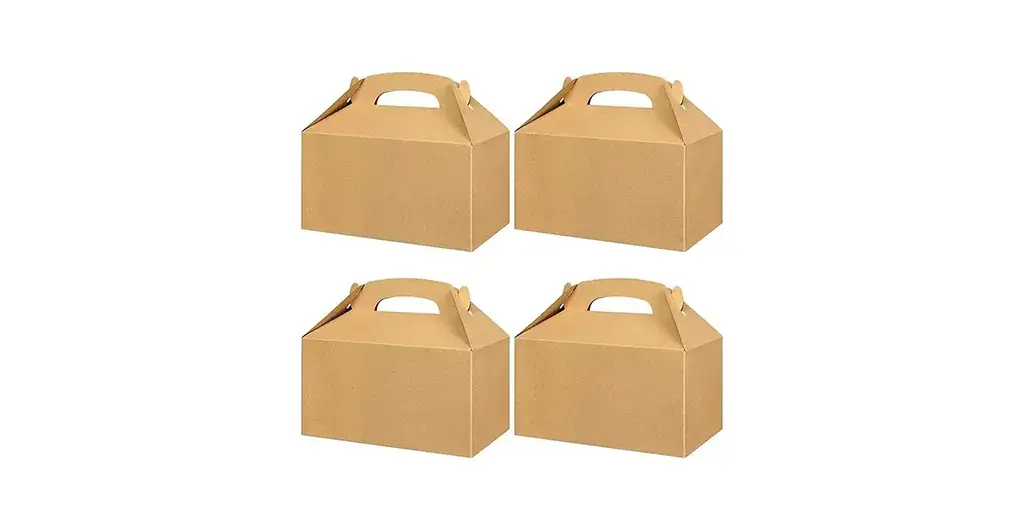
When you think of a typical cardboard box, you’re likely picturing a flap box, also known as a Regular Slotted Container (RSC). This is one of the most common and versatile packaging styles available, and for good reason.
What are Flap Boxes? Basic design and advantages explained simply.
Flap boxes are characterized by their simple yet functional design. They are made from a single piece of corrugated board that is cut, scored, and folded to create a box shape. The defining feature of a flap box is its top and bottom flaps, which meet in the center when closed and can be sealed with tape, glue, or staples.
The advantages of flap boxes are numerous:
Simplicity: Easy to manufacture, assemble, and close.
Cost-effectiveness: Efficient use of material minimizes production costs.
Versatility: Suitable for a wide range of products and sizes.
Stackability: Designed for efficient palletization and storage.
Why Flap Boxes are Ideal for Various Packaging Materials.
Flap boxes are incredibly versatile because they can be made from a variety of packaging materials, each offering different properties to suit specific needs. While corrugated cardboard is the most common material, flap boxes can also be constructed from:
Single-face corrugated: For lighter items or as cushioning.
Double-wall corrugated: For heavier or more fragile items requiring extra strength.
Triple-wall corrugated: For very heavy or industrial applications.
Recycled cardboard: For eco-conscious packaging solutions.
The choice of material depends on the weight, fragility, and environmental sensitivity of the perishable goods being packaged. For recyclable flap boxes, recycled cardboard is an excellent and increasingly popular choice.
The Strength and Durability of Flap Boxes for Safe Transit.
The corrugated structure of flap boxes provides inherent strength and cushioning, making them excellent for protecting perishable goods during transit. The flutes (the wavy layer in corrugated board) act as shock absorbers, minimizing the impact of bumps and vibrations. When properly sealed, flap boxes create a secure enclosure that prevents products from shifting and getting damaged inside. This durability is essential for ensuring that perishable goods arrive at their destination in optimal condition, reducing damage claims and maintaining product quality.
3. The Power of Recyclable Packaging: Good for Your Business and the Planet
In today’s world, consumers are increasingly aware of environmental issues and are actively seeking out sustainable products and packaging. Choosing recyclable packaging is not just an ethical choice; it’s a smart business strategy that resonates with modern consumers and offers tangible benefits.
Why Choose Recyclable Packaging? Environmental and economic benefits.
Recyclable packaging offers a double win – it’s good for the environment and good for your business.
Environmental Benefits:
Reduces landfill waste: Diverting packaging materials from landfills conserves space and reduces pollution.
Conserves natural resources: Recycling paper reduces the need to harvest virgin trees, saving forests and ecosystems.
Lowers energy consumption: Manufacturing products from recycled materials typically requires less energy than using virgin materials.
Reduces carbon footprint: Lower energy use and reduced deforestation contribute to a smaller carbon footprint.
Economic Benefits:
Cost savings: Recycled cardboard can sometimes be more cost-effective than virgin materials.
Enhanced brand image: Consumers favor brands that demonstrate environmental responsibility.
Meeting regulatory requirements: Increasingly, regulations are pushing for greater use of recyclable packaging.
Access to eco-conscious markets: Opens doors to markets that prioritize sustainability.
Meeting Consumer Demand for Eco-Friendly Packaging.
Consumer preferences are shifting dramatically towards sustainable products and packaging. Studies consistently show that a significant portion of consumers are willing to pay more for eco-friendly options and are more likely to choose brands that demonstrate a commitment to sustainability. By offering recyclable flap boxes, businesses can tap into this growing market segment, enhance brand loyalty, and differentiate themselves from competitors who are not prioritizing environmental responsibility. Using recyclable packaging is no longer a niche trend; it’s becoming a mainstream expectation.
Recyclable Packaging Materials Options for Flap Boxes.
When it comes to recyclable flap boxes, corrugated cardboard is the star material. Cardboard is one of the most widely recycled materials globally, with well-established recycling infrastructure in most regions. Recycled cardboard can be used to create new flap boxes, closing the loop and minimizing waste. Furthermore, advancements in materials science are exploring even more sustainable options for packaging, including biodegradable and compostable polymers, which could further enhance the eco-friendliness of flap boxes in the future [Paper : “Biodegradable and Recyclable Polymers for Food Packaging Applications“]. Choosing recyclable packaging materials like cardboard for your flap boxes is a practical and impactful step towards a more sustainable future.
4. Flap Boxes for Perishable Goods Storage: Designed for Freshness
Beyond basic protection, flap boxes can be specifically designed to optimize the storage conditions for perishable goods, helping to maintain freshness and quality for longer.
How Flap Boxes Maintain Optimal Storage Conditions.
Flap boxes contribute to optimal storage conditions in several ways:
Insulation: Corrugated cardboard provides a degree of insulation, helping to buffer temperature fluctuations and maintain a more stable internal environment.
Ventilation: Strategic vent holes can be incorporated into the flap box design to allow for airflow, reducing humidity buildup and preventing condensation that can lead to spoilage.
Light Protection: Cardboard is opaque, protecting light-sensitive perishable goods from degradation caused by light exposure.
Stacking Strength: Well-designed flap boxes can be stacked efficiently, maximizing space utilization in storage and during transport while minimizing crushing of the contents.
These features collectively contribute to creating a microclimate within the flap box that is more conducive to preserving the freshness of perishable goods.
Ventilation and Insulation Features in Flap Box Design.
The effectiveness of flap boxes for perishable goods storage can be further enhanced by incorporating specific design features:
Ventilation Holes: Precisely placed ventilation holes allow for controlled airflow, preventing moisture buildup and maintaining optimal humidity levels. The size and number of holes can be customized based on the type of perishable goods being packaged.
Insulated Liners: For temperature-sensitive items, insulated liners made from materials like foam or reflective films can be added inside the flap boxes to provide extra thermal protection.
Moisture Barriers: Special coatings or liners can be used to create moisture barriers, preventing external humidity from affecting the contents and also containing any moisture released by the produce itself.
By carefully considering these design elements, flap boxes can be tailored to meet the specific storage requirements of different types of perishable goods.
Protecting Different Types of Perishable Goods with Flap Boxes.
Flap boxes are versatile enough to be used for a wide variety of perishable goods. Here are some examples:
Fruits and Vegetables: From apples and oranges to delicate berries and leafy greens, flap boxes provide cushioning and ventilation to maintain freshness during transport and storage.
Meats and Poultry: With appropriate liners and cooling elements, flap boxes can be used for transporting chilled or frozen meats and poultry, ensuring temperature control and hygiene.
Seafood: Similar to meats, seafood can be effectively packaged in flap boxes with moisture barriers and cooling agents to maintain freshness and prevent odors.
Dairy Products: Cheeses, yogurts, and butter can be protected in flap boxes, especially when combined with insulated liners for temperature-sensitive items.
Baked Goods: Bread, pastries, and cakes can be safely transported in flap boxes, preventing crushing and maintaining their presentation.
The key is to choose the right type of corrugated board, incorporate appropriate design features like ventilation and insulation when needed, and ensure proper sealing to create the best packaging for each specific type of perishable goods.
5. Customizing Your Flap Boxes: Branding and Labeling for Impact
Packaging is not just about protection; it’s also a powerful marketing tool. Customizing your flap boxes with branding and clear labeling can significantly enhance your brand image and improve customer experience.
The Importance of Brand Visibility on Packaging.
In a crowded marketplace, brand visibility is crucial. Your packaging is often the first point of contact a customer has with your product. A well-branded flap box can:
Increase Brand Recognition: Consistent use of logos, colors, and brand messaging on your packaging builds brand awareness and memorability.
Enhance Brand Image: High-quality, visually appealing packaging conveys professionalism and reinforces a positive brand perception.
Create a Positive Unboxing Experience: Attractive packaging can make the unboxing process more enjoyable for customers, enhancing their overall satisfaction.
Differentiate Your Brand: Unique and eye-catching packaging helps your products stand out from competitors on store shelves or during delivery.
Investing in branded packaging is an investment in your brand’s long-term success.
Customize Your Flap Boxes with Logos and Information.
Customizing your flap boxes is easier than you might think. FoHo Packaging offers a range of customize options, including:
Printing: High-quality printing of your logo, brand name, and marketing messages directly onto the flap boxes.
Color Options: Choosing specific colors for your boxes that align with your brand identity. Consider Colorful Corrugated Boxes for a vibrant impact.
Custom Sizes and Shapes: Tailoring the dimensions of the flap boxes to perfectly fit your products, minimizing wasted space and maximizing protection.
Die-cuts and Special Features: Adding die-cut handles for easier carrying or unique shapes to make your packaging more distinctive.
By taking advantage of these customize options, you can transform a simple flap box into a powerful branding asset.
Label Options for Clear Communication and Compliance.
Beyond branding, clear label information is essential for compliance and customer communication. Your flap boxes should include:
Product Information: Clearly identify the contents of the box, including product name, quantity, and weight.
Date and Lot Codes: For perishable goods, date codes (like “best before” or “expiration dates”) and lot codes are crucial for traceability and quality control.
Handling Instructions: Provide clear instructions for proper handling and storage, especially for temperature-sensitive items.
Recycling Symbols: Clearly indicate that the packaging is recyclable and provide recycling instructions if necessary.
Compliance Labels: Include any required regulatory labels, such as food safety certifications or shipping labels.
Clear and accurate labeling ensures compliance, facilitates efficient logistics, and provides essential information to consumers, building trust and confidence in your brand. Consider adding a label that highlights your commitment to sustainability by mentioning “Recyclable Packaging” prominently.
For businesses that require large quantities of packaging, buying wholesale flap boxes is the most cost-effective approach. FoHo Packaging offers attractive wholesale options to meet your needs.
Lower Unit Costs: Buying in bulk significantly reduces the per-box cost compared to smaller orders.
Consistent Supply: Ensures you have a reliable supply of packaging materials on hand when you need them, preventing production delays.
Streamlined Procurement: Simplifies the purchasing process by dealing with a single wholesale supplier for larger volumes.
Negotiating Power:Wholesale buyers often have more negotiating power to secure better prices and terms.
Reduced Shipping Costs: While initial shipping might be larger, subsequent smaller, frequent orders become unnecessary, potentially reducing overall transportation expenses in the long run.
For businesses that use flap boxes regularly, wholesale purchasing is a smart way to manage costs and ensure a consistent supply of essential packaging materials.
Wholesale Flap Boxes Options from FoHo Packaging.
FoHo Packaging provides a wide range of wholesale flap boxes options to suit various business needs:
Bulk Discounts: Significant discounts are offered for large volume orders of standard and custom flap boxes.
Volume-Based Pricing: Pricing tiers that decrease the unit cost as order volume increases.
Contract Pricing: Long-term contracts with fixed pricing for consistent supply and predictable budgeting.
Custom Wholesale Orders: Ability to place large wholesale orders for customizeflap boxes with specific branding and design requirements.
Flexible Order Sizes: While focusing on wholesale, we can accommodate varying order sizes to meet your fluctuating demands.
Saving Money with Bulk Packaging Materials Purchases.
The cost savings from buying wholesale packaging materials can be substantial. Consider this example:
Order Quantity
Unit Price per Flap Box (Estimated)
Total Cost
100 Boxes
$1.00
$100.00
1000 Boxes
$0.75
$750.00
5000 Boxes
$0.50
$2500.00
As you can see, increasing the order quantity dramatically reduces the unit price. For businesses using thousands of flap boxes annually, the savings from wholesale purchasing can add up to thousands of dollars. By choosing wholesale flap boxes from FoHo Packaging, you can significantly lower your packaging costs and improve your bottom line.
7. Table Comparison: Flap Boxes vs. Other Packaging Styles for Perishables
While flap boxes are an excellent choice for many perishable goods, it’s helpful to compare them to other common packaging styles to understand their relative strengths and weaknesses.
Table Comparison of Flap Boxes, Rigid Boxes, and Other Options.
Highlighting the Advantages of Flap Boxes for Perishable Goods Storage.
As the table comparison shows, flap boxes offer a compelling combination of advantages for perishable goods storage:
Superior Strength and Protection: Corrugated cardboard provides excellent cushioning and structural integrity, crucial for protecting delicate perishable goods.
Cost-Effectiveness:Flap boxes are significantly more affordable than rigid boxes, making them suitable for a wide range of businesses and budgets.
Excellent Stackability: Designed for efficient palletization and storage, maximizing space utilization in warehouses and during transport.
Good Customization Options: While not as elaborate as rigid boxes, flap boxes can still be effectively branded and customized with printing and design features.
Highly Recyclable: Corrugated cardboard is widely recyclable, aligning with sustainability goals.
For most perishable goods packaging needs, flap boxes strike an optimal balance between protection, cost, and sustainability.
Choosing the Right Packaging Style for Your Specific Needs.
While flap boxes are a versatile and often ideal choice, the best packaging style ultimately depends on your specific product and business requirements.
Choose Flap Boxes if:
You need robust protection for shipping and storage.
Cost-effectiveness is a priority.
Stackability and efficient logistics are important.
Sustainability and recyclable packaging are desired.
You are packaging fruits, vegetables, meats, dairy, or similar items.
Consider Rigid Boxes if:
You are packaging very high-value or delicate perishable goods (e.g., gourmet chocolates, luxury fruits).
Premium presentation and a high-end brand image are paramount.
Cost is less of a concern than aesthetics and perceived value.
You need highly customize and elaborate packaging.
Folding Boxes might be suitable for:
Lightweight perishable goods sold directly to consumers in retail settings (e.g., cookies, small pastries).
Retail-ready packaging that needs to be visually appealing on shelves.
Lower cost packaging for less fragile items.
Carefully evaluate your product needs, budget, and brand image to determine the packaging style that is the best fit for your perishable goods. For many businesses, flap boxes will emerge as the clear winner due to their versatility, cost-effectiveness, and protective qualities.
8. Start Designing Your Perfect Flap Box Packaging Today
Ready to upgrade your perishable goods packaging with recyclable flap boxes? FoHo Packaging makes it easy to start designing your ideal solution.
Easy Steps to Start Designing Your Custom Flap Boxes.
Getting started with custom flap boxes from FoHo Packaging is a simple process:
Define Your Needs: Determine the type of perishable goods you’ll be packaging, their weight and dimensions, and any specific storage or shipping requirements.
Choose Your Box Style and Material: Select flap boxes as your style and choose the appropriate type of corrugated cardboard (e.g., single-wall, double-wall, recycled).
Specify Dimensions: Provide the exact dimensions (length, width, height) needed for your packaging.
Customize Your Design: Decide on printing options, colors, logos, and any special features like ventilation holes or handles.
Request a Quote: Contact FoHo Packaging with your specifications to request a quote.
Review and Approve: Review the quote and design mockup, and make any necessary adjustments before approving.
Place Your Order: Once you’re satisfied, place your order and let FoHo Packaging handle the production and delivery of your custom flap boxes.
Choosing the Right Size and Style for Every Product.
To ensure optimal packaging, it’s crucial to select the right size and style of flap box for every product you offer.
Size Matters: Boxes should be sized to fit your products snugly without excessive empty space. Too much space can lead to product shifting and damage, while too little space can crush the items.
Consider Product Shape: Oddly shaped items may require custom inserts or dividers within the flap box for better protection.
Weight Capacity: Choose corrugated board with sufficient strength to support the weight of your products when stacked.
Ventilation Needs: For fruits and vegetables, incorporate ventilation holes as needed to prevent moisture buildup.
Insulation Requirements: For temperature-sensitive items, consider insulated liners or thicker corrugated board for better thermal protection.
Guidance on Selecting Packaging Materials and Design Features.
FoHo Packaging provides expert guidance to help you select the best packaging materials and design features for your perishable goods. Our team can assist you with:
Material Selection: Recommending the appropriate type of corrugated cardboard based on your product weight, fragility, and storage conditions.
Structural Design: Optimizing the box dimensions and construction for maximum strength and efficiency.
Ventilation and Insulation Design: Advising on the placement and size of ventilation holes and suggesting appropriate insulation options.
Printing and Branding: Helping you create visually appealing and effective branded packaging.
Sustainability Consulting: Guiding you towards the most eco-friendly packaging choices, including maximizing the use of recycled materials.
Leverage our expertise to create flap boxes that are not only functional and protective but also aligned with your brand values and sustainability goals.
9. Frequently Asked Questions About Flap Boxes for Perishable Goods
Still have questions about using flap boxes for perishable goods? Here are some frequently asked questions to help clarify common concerns.
Frequently Asked Questions (FAQs) about Flap Box Uses and Benefits.
Are flap boxes strong enough for heavy produce? Yes, double-wall or triple-wall corrugated cardboard flap boxes are very strong and can handle heavy produce like potatoes, watermelons, and root vegetables. For lighter items, single-wall is sufficient.
Can flap boxes be used for frozen foods? Yes, with appropriate insulated liners and moisture barriers, flap boxes can be used for transporting frozen foods. However, rigid boxes might offer better long-term insulation for extended frozen storage.
How do I ensure proper ventilation for fruits and vegetables in flap boxes? Specify ventilation holes in your flap box design. FoHo Packaging can advise on the optimal size and placement of these holes based on the type of produce.
Are flap boxes really recyclable? Yes, corrugated cardboard flap boxes are highly recyclable in most regions. Make sure to check local recycling guidelines and clearly label your boxes as recyclable.
Can I get custom printed flap boxes in small quantities? Minimum order quantities for custom printing may apply. Contact FoHo Packaging to discuss your specific needs and order volume.
Addressing Common Concerns about Perishable Goods Storage in Flap Boxes.
Moisture Damage: Concern: Cardboard can weaken when exposed to moisture. Solution: Use moisture-resistant coatings or liners for perishable goods that release moisture or are stored in humid environments. Ventilation also helps reduce moisture buildup.
Pest Infestation: Concern: Cardboard can attract pests if not stored properly. Solution: Store flap boxes in clean, dry environments. Consider using pest-resistant coatings or treatments if necessary.
Crushing Under Weight: Concern: Bottom boxes in a stack might get crushed. Solution: Choose appropriate corrugated board strength based on stacking height and weight. Design boxes with good stacking strength and consider using corner boards for extra support.
By understanding these potential concerns and implementing appropriate solutions, you can confidently use flap boxes for safe and effective perishable goods storage.
Information on Recyclable Properties and Best Custom Options.
Recyclability:Flap boxes made from corrugated cardboard are among the most recyclable packaging materials available. Promote their recyclable nature to your customers to enhance your brand’s sustainability image.
Best Custom Options: For the best customflap box solutions, FoHo Packaging offers:
Full Customization: Tailor dimensions, materials, printing, and features to your exact requirements.
Design Support: Expert design assistance to create functional and visually appealing packaging.
High-Quality Printing: Vibrant and durable printing to showcase your brand effectively.
Sustainable Materials: Options for maximizing the use of recycled content and eco-friendly inks.
Contact FoHo Packaging to explore the full range of recyclable and best custom options for your flap box needs.
10. FoHo Packaging: Your Partner for Premium Flap Box Solutions
Choosing the right packaging partner is as important as choosing the right packaging itself. FoHo Packaging is your trusted partner for premium flap box solutions, offering expertise, quality, and exceptional service.
Why Choose FoHo Packaging for Your Packaging Solution?
FoHo Packaging stands out as the ideal choice for your packaging solution needs:
Expertise in Perishable Goods Packaging: We understand the unique requirements of perishable goods storage and can provide tailored solutions.
High-Quality Manufacturing: We use premium packaging materials and advanced manufacturing processes to ensure durable and reliable flap boxes.
Customization Capabilities: We offer extensive customize options to meet your branding and product-specific needs.
Commitment to Sustainability: We prioritize recyclable packaging and offer eco-friendly material options.
Competitive Wholesale Pricing: We provide cost-effective wholesale solutions without compromising on quality.
Excellent Customer Service: Our dedicated team is committed to providing responsive and helpful support throughout the entire process, from design to delivery.
Available in Various Sizes and Packaging Style Options.
FoHo Packaging offers flap boxesavailable in various sizes and packaging style options to accommodate diverse product needs:
Standard Sizes: A wide range of standard RSC flap box sizes to choose from.
Custom Sizes: Tailored dimensions to perfectly fit your specific perishable goods.
Different Flute Profiles: Selection of flute profiles (A, B, C, E, F) to optimize strength and cushioning.
Single, Double, and Triple Wall Options: Material thickness choices to match weight and durability requirements.
Variety of Coatings and Liners: Moisture-resistant, grease-resistant, and insulated options to enhance performance.
Whatever your perishable goods packaging needs, FoHo Packaging has the size and style to match.
Request a Quote and Experience the FoHo Packaging Difference.
Ready to experience the FoHo Packaging difference? Request a quote today!
Easy Online Quote Request: Visit our website and fill out our simple online quote request form.
Fast Turnaround: We strive to provide prompt and competitive quotes.
Personalized Consultation: Our team is available to discuss your specific requirements and provide expert recommendations.
No Obligation: Requesting a quote is free and comes with no obligation.
Contact FoHo Packaging now and let us help you solve your perishable goods packaging problems with our premium recyclable flap box solutions!
Key Takeaways for Choosing Recyclable Flap Boxes for Perishable Goods:
Protection is Paramount: Effective packaging is crucial for minimizing spoilage and protecting profits.
Flap Boxes are Versatile: They offer a simple, strong, and cost-effective packaging style for a wide range of perishable goods.
Recyclable Packaging is Essential: Choose recyclable flap boxes to meet consumer demand and promote sustainability.
Customization Enhances Branding:Customize your flap boxes to build brand recognition and improve customer experience.
Wholesale Buying Saves Money: Purchase wholesale flap boxes from FoHo Packaging for cost-effective solutions.
FoHo Packaging is Your Partner: We offer expertise, quality, and best custom solutions for your perishable goods packaging needs.