Zibo City, Shandong Province

Have You Any Quires ?

10 PM – 6 PM
Zibo City, Shandong Province
Have You Any Quires ?
10 PM – 6 PM

Have You Any Quires ?
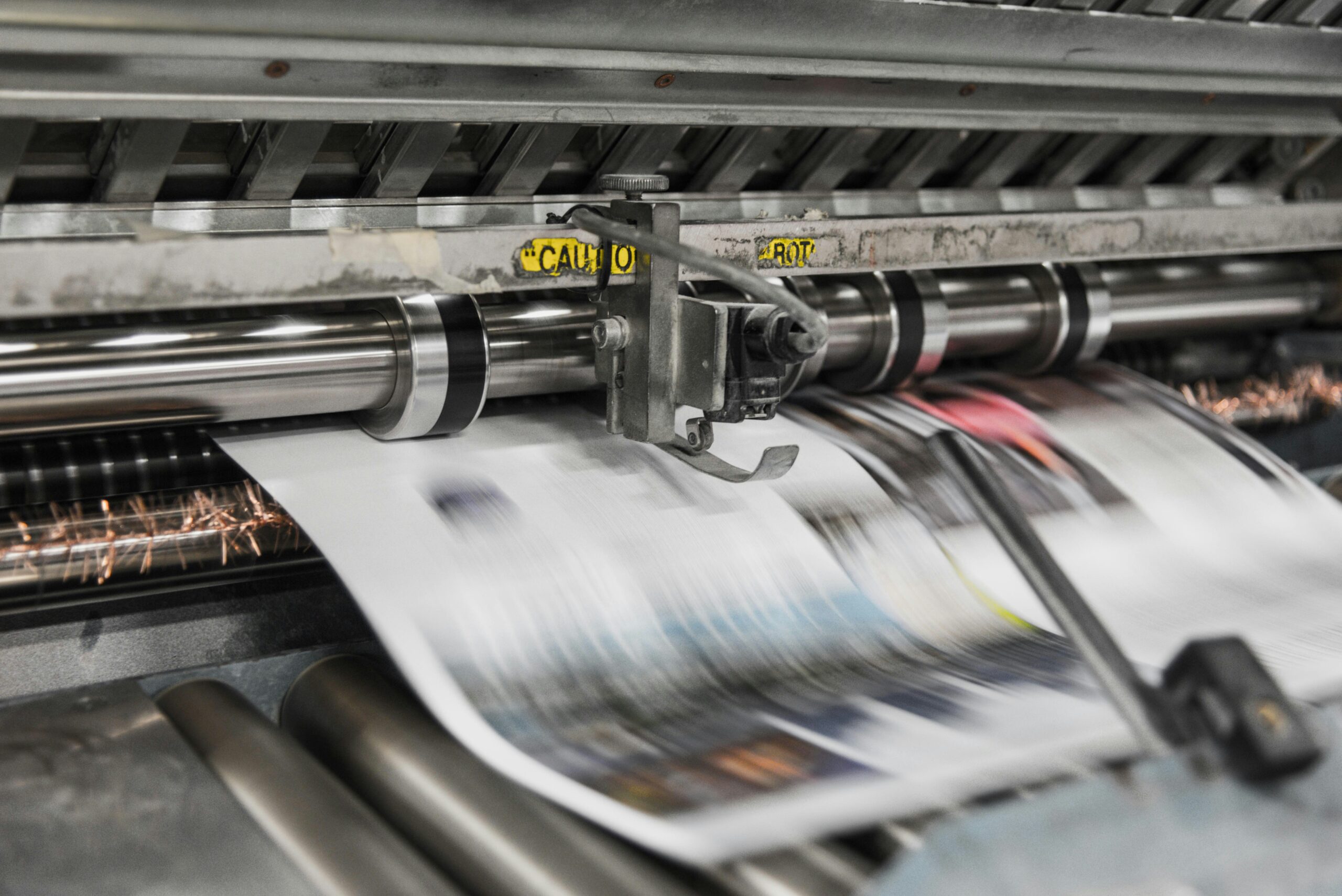

Have you ever wondered why a box might burst open, or why it’s hard to fold a piece of cardboard into a certain shape without it cracking? It’s often about more than just how thick the paper is. It’s about how paper handles forces, especially when those forces come from different directions at the same time.
Understanding this helps you choose the perfect custom packaging solution for your products. Getting it right means your items arrive safely, look fantastic, and you don’t waste money on packaging that’s too weak or way too strong. Let’s dive into the interesting world of paper strength and see how it affects your packaging choices!
Imagine testing paper strength. A common way is to just pull a strip of paper from both ends until it snaps. Easy, right? But think about how you actually use packaging.
See? In the real world, paper and paperboard rarely face force in just one simple direction. They usually deal with forces pushing or pulling in the main direction the paper was made (we call this the Machine Direction or MD) AND the direction across it (the Cross Direction or CD) at the same time. This two-direction stress makes things more complicated than that simple pull test. It changes how strong the paper is and how much it can stretch before causing problems. Understanding this is key to avoiding packaging fails!
Because paper faces these multi-direction forces, we need tests that mimic this. The most common one is called the Mullen Burst Test.
Think of clamping a piece of paper tightly over a rubber sheet, like putting a lid on a jar. Then, you pump liquid pressure underneath that rubber sheet. The rubber bulges up, pushing outwards on the paper in all directions, kind of like blowing up a balloon under it. Eventually, the pressure gets too high, and the paper bursts! The machine measures the highest pressure the paper could handle just before it popped. That number is the burst strength.
This test is handy because it gives us an idea of how well the paper can resist pressure from the inside – useful for things like bags or boxes holding contents that push outwards.
The burst test gives us a good, quick quality check. A higher number generally means stronger paper for resisting that outward push.
But, it has limitations we need to remember:
So, while the burst test is a helpful tool we use at FoHo Packaging, we know it’s not the whole story. We look at other properties too, to make sure your packaging is perfect for your needs. Industry bodies like the Technical Association of the Pulp and Paper Industry (TAPPI) provide standardized methods (like T 403 for burst strength) to ensure tests are consistent across the industry.
Okay, so the burst test pushes in all directions. But what really decides when the paper pops? Surprisingly, it often comes down to the strength in just one specific direction.
Remember we mentioned MD (Machine Direction) and CD (Cross Direction)? When paper is made, most of the tiny wood fibers tend to line up more in the direction the paper machine is running (MD). Think of it like strands of spaghetti mostly pointing one way.
You can often feel this difference yourself! Try tearing a newspaper page. It tears much more easily and straightly in one direction (usually MD) than the other (CD).
When that rubber sheet in the burst test pushes up, it stretches the paper in both MD and CD. But because the paper is less stretchy in the MD, it reaches its stretching limit in the MD first. POP! The paper fails because it couldn’t stretch any further in that MD direction.
Even though the force is everywhere, the failure is often triggered by the limit in the MD. And the actual pressure value (the burst strength number) is mostly decided by how strong the paper is when pulled in that MD direction (its MD tensile strength).
Simple takeaway: To get good burst strength (resist popping from inside pressure), you generally need paper that is strong when pulled in its Machine Direction (MD).
At FoHo Packaging, we understand this! We carefully select paperboard materials with the right MD strength for jobs that need good burst resistance. We also know how things like:
…all contribute to making the paper tough. We work with suppliers who control these factors during papermaking to ensure consistent quality. This means you get reliable packaging, whether it’s a sturdy shipping box or a custom product box.
This is where paper behavior gets really interesting and maybe a bit unexpected. We know MD strength is key for bursting. But what happens to the paper’s overall strength and stretchiness when you pull it firmly in both MD and CD directions at the same time?
Here’s the twist:
Think of it like this: Imagine your capacity to do chores. If you only have to vacuum (one direction), you can do it for a while. If you only have to dust (another direction), you can do that for a while. But if you try to vacuum AND dust intensely at the exact same time, you’ll likely get tired and stop sooner (less total ‘stretch’ or endurance) even though you’re working harder overall (more ‘strength’ applied).
This strength vs. stretch trade-off under two-way force is super important for choosing the right packaging:
Simple Comparison Table:
| Type of Force | Effect on Paper’s Maximum Strength (Force it can take) | Effect on Paper’s Maximum Stretch (How far it goes before break) | Good For… | Challenging For… |
|---|---|---|---|---|
| Pulling one way only | Baseline | Baseline | Basic tests | (Doesn’t reflect reality well) |
| Pulling two ways | Increases! (Good) | Decreases! (Careful!) | Resisting bursting, containment | Forming complex shapes, folding |
Understanding this balance helps us at FoHo Packaging recommend the perfect material whether you need maximum containment strength or delicate formability for intricate designs like custom gift boxes.
How do papermakers influence these properties? They have clever tricks!
These steps, carefully controlled, help create paper and paperboard with the specific strength and stretch characteristics needed for different packaging jobs. Resources like PaperonWeb offer more background on the factors influencing paper strength for those curious to learn more technical details.
So, what does all this mean for you when you need packaging?
Instead of just asking for “strong paper,” think about how the packaging needs to be strong:
Telling us at FoHo Packaging how your package will be used helps us recommend the absolute best material. We consider the burst strength, the pulling strength (tensile) in both MD and CD, the stretchiness, and the stiffness to find your perfect match.
One last quick point: paper strength is affected by moisture! Paper is like a sponge; it absorbs moisture from the air.
Interestingly, paper often reaches its peak strength (both burst and pulling strength) at a moderate level of humidity, typically around 35-50% relative humidity. This is why consistent storage conditions are important for packaging performance!
Here’s a general idea of how humidity affects strength:
General Trend: Paper Strength vs. Relative Humidity
General Trend: Paper Strength vs. Relative Humidity
Whew! That was a lot, but hopefully, it gives you a better feel for the science behind strong and reliable paper packaging. It’s not just about thickness; it’s about understanding how forces work in multiple directions and how the paper itself is built.
At FoHo Packaging, we worry about these details so you don’t have to. We use our knowledge of paper properties – burst strength, tensile strength in MD and CD, stretch, stiffness, and formability – to guide you to the best packaging solution. Whether you need a simple, strong shipper or a beautifully formed custom box, we’re here to help. We ensure the materials we use meet strict quality standards (like those outlined by ISO – International Organization for Standardization for paper and board) so your products are protected and presented perfectly.
Ready to find packaging that truly performs? Contact FoHo Packaging today, and let’s talk about your project!
📧 Email us at: sales@fohopackaging.com 📞 Contact us on WhatsApp: +86 136 1533 5353
You can leave any questions. We will see and answer you.