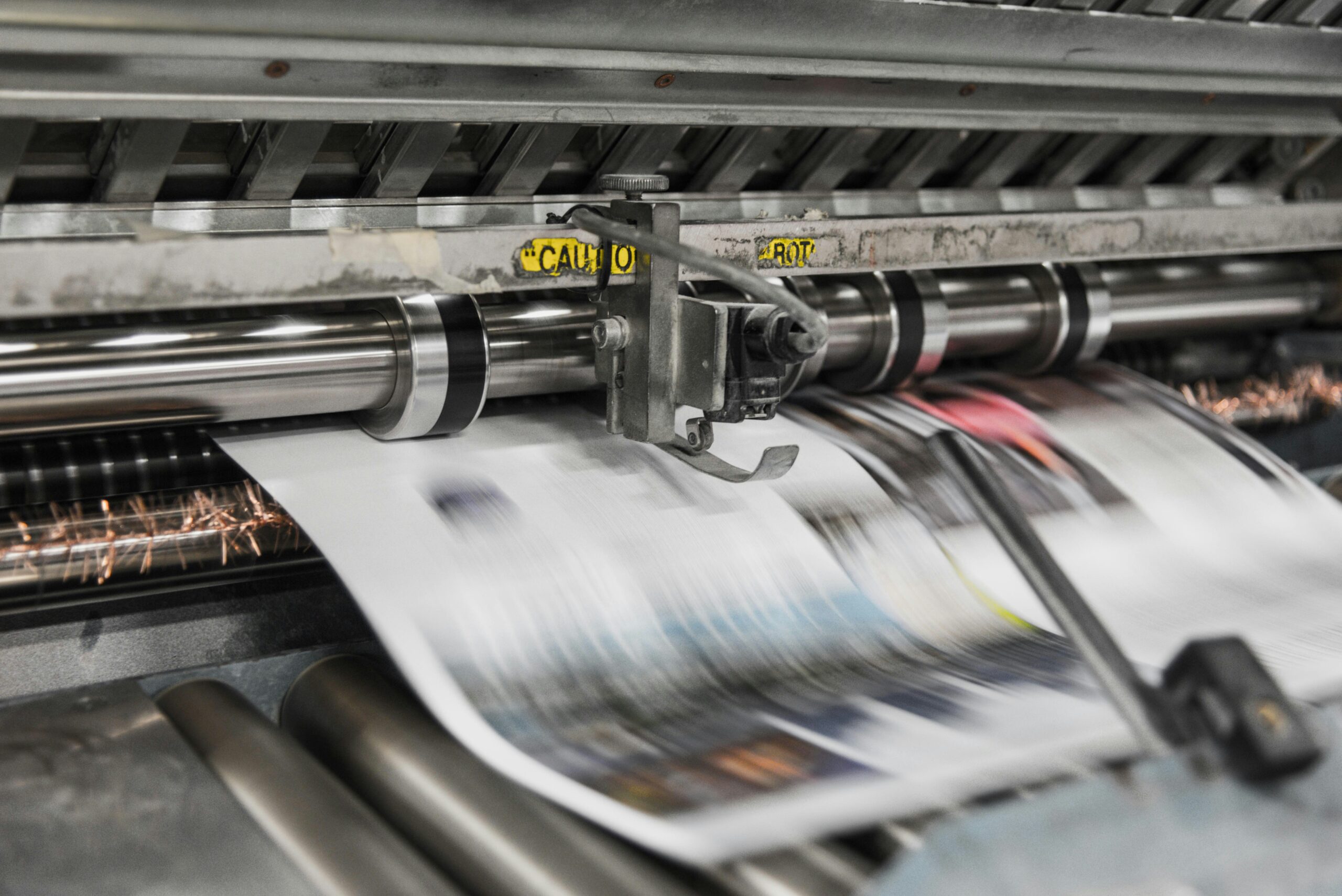
Running a paper machine is a big job! You worry about making good quality paper, keeping the machine running smoothly, and not spending too much money. It might surprise you, but those small strips called doctor blades play a huge part in all of this.
Think about it. If you use the wrong blade, or if you don’t use it the right way, what happens?
Your paper might get streaks or marks. Bad quality means unhappy customers.
Sticky stuff or fibers can build up on your machine’s big rollers (we call them rolls or cylinders).
This buildup can cause the paper sheet to tear. Suddenly, your whole machine stops! This downtime costs you real money.
Worse, the wrong blade can scratch or damage those super expensive rolls. Replacing a big dryer cylinder or a calender roll? Ouch! That’s a massive headache and a huge bill.
So, spending a little time understanding doctor blades can save you a lot of trouble later. This guide is here to help you, from us at FoHo Packaging. We want to make it simple. We’ll explain the different types of blades, tell you which ones work best for different parts of your paper machine, and give you tips on how to use them right. Our goal? To help you make better paper, keep your machine running longer, and maybe even save some money. Let’s make things easier together!
What Do Doctor Blades Actually Do on a Paper Machine?
Before we dive into types, let’s quickly talk about what these blades do. They have several important jobs:
Cleaning Crew: Their main job is to scrape away stuff that doesn’t belong on the rolls. This could be water, tiny paper fibers, sticky bits (like glue from recycled paper), or minerals that build up over time. Think of them like windshield wipers for your machine rolls.
Paper Guides: Especially when the paper sheet breaks or when you’re starting up, doctor blades help peel the paper off the roll so it doesn’t wrap around it and cause a big mess.
Surface Keepers: By keeping rolls clean and smooth, doctor blades help things work better. For example, clean dryer cylinders transfer heat better to dry the paper faster. Clean press rolls squeeze water out more evenly.
Special Job – Coating: Some special blades, called coating blades, have a very precise job: spreading a smooth, even layer of coating onto the paper surface. We’ll touch on these briefly.
As you can see, these blades are busy! If they don’t do their job well, problems start quickly. As one experienced paper maker told us, “Ignoring your doctor blades is like ignoring a small leak in a boat. It seems small, but it can cause big problems if you don’t fix it.”
Different Kinds of Blades: What’s the Deal?
The biggest difference between doctor blades is what they are made of. The material changes how strong the blade is, how long it lasts, how hot it can get, and – very importantly – how safe it is for your machine rolls. Let’s look at the common types you’ll find:
Carbon Fiber Blades: Strong but Gentle
What they are: Made from super strong carbon fibers mixed with a tough plastic (resin). Sometimes they have more carbon fiber (like 60% or even 100%), sometimes less (like 40%).
Why they’re great: These are often the best choice for many jobs. They are strong but also a bit slippery (we call it self-lubricating). This means less friction, less heat, and they are very gentle on your expensive rolls, especially shiny chrome ones or the big dryer cylinders. Blades with more carbon are usually even better at being slippery and lasting longer. They handle heat pretty well too.
Best used for: Dryer cylinders (especially the important ones!), calender rolls (that make paper smooth), and the final reel drum. Great when you need good cleaning but really want to protect the roll surface.
Keep in mind: They might cost a bit more upfront than some other types.
Resin Fiber Blades: Good All-Around Choice
What they are: Usually made from glass fibers (fiberglass) or other synthetic fibers mixed in plastic resin.
Why they’re good: These are solid, general-purpose blades. They do a decent cleaning job and are often less expensive. A good workhorse for many spots.
Best used for: Parts of the press section, some dryer cylinders where it’s not too hot or dirty. Good if you need a basic blade that gets the job done without breaking the bank. You might find these useful for general Packaging Supplies.
Keep in mind: Not as tough against heat or wear as carbon fiber. Might not last as long in really hard jobs.
UPE Blades: Super Tough for Rubber Rolls
What they are: Made from a special type of plastic called Ultra-High Molecular Weight Polyethylene (UPE for short). It has super long plastic chains, making it very slippery and tough.
Why they’re great: These blades are fantastic at resisting wear, especially from scratchy things like fillers in the paper. They are very slippery (low friction) and very kind to soft rubber roll covers. They don’t scratch them easily.
Best used for:Rubber-covered rolls, especially in the first part of the machine (the forming section). Think guide rolls, tension rolls. They keep the rubber safe! Sometimes used on certain press rolls too.
Keep in mind: They don’t like high heat as much as carbon fiber, so usually not the best for hot dryer sections.
Metal Blades: Strong but Use Carefully!
What they are: Made of different metals like stainless steel, carbon steel, or even bronze. Some special steel (chromium steel) handles heat from friction a bit better.
Why they’re good: They are very stiff and strong. Good for scraping off really hard, stuck-on gunk. Usually the cheapest option.
Best used for: Older, slower machines (running under 500 meters per minute). Sometimes used for a short time on faster machines just to clean off a really stubborn sticky spot. Maybe on very hard rolls like old granite ones.
Keep in mind:Big warning! Metal blades have a high risk of scratching or grooving your rolls, especially expensive coated dryers or soft rubber covers. Use them only when absolutely necessary and with great care. They usually need lots of water spray to keep things cool and reduce damage risk.
Coating Blades: Special Job for Coaters
What they are: Usually thin, flexible steel strips with a very carefully shaped edge. Sometimes the tip has a special hard coating.
Why they’re used: Not for general cleaning! Their only job is to spread coating material evenly onto the paper in a coater section.
Best used for: Only in paper coating machines.
Keep in mind: Very specialized. The choice depends completely on the coating recipe and machine speed.
Quick Look: Comparing Blade Types
Here’s a simple table to help you see the differences:
Feature
Carbon Fiber
Resin Fiber (Glass)
UPE (Plastic)
Metal
Main Good Point
Safe for Rolls, Slips Easy
Good Price, OK All-Around
Tough on Wear, Safe for Rubber
Strong, Cleans Hard Stuff
Safety for Rolls
Very Good
Good
Excellent (esp. Rubber)
Be Careful!
Handles Heat?
Good
Okay
Not Great
Okay (esp. Chrome Steel)
Lasts Long?
Good
Okay
Excellent (Abrasion)
Varies (Okay)
Where to Use Mostly
Dryers, Calenders, Reels
General Press/Dryers
Forming Rubber Rolls
Slow Machines, Tough Spots
Cost (Roughly)
Medium to High
Low to Medium
Medium
Low
Picking the Right Blade for Each Machine Part
Okay, now you know the types. But where on your giant paper machine should you use them? Each section has different challenges. Let’s walk through the machine:
Forming Section (Where the Paper Starts)
What’s happening here: Lots of water! Tiny fibers are forming into a wet sheet on a moving screen (wire). Rolls guide the wire and help remove water.
Problems: Water splashing, fiber buildup, protecting the delicate wire and roll covers.
Best Blades:
For Rubber-Covered Rolls (like guide rolls, tension rolls): UPE blades are your best bet! They are tough but gentle on the rubber.
For Metal Rolls (if you have any here): Carbon fiber is usually a safe choice.
Can I use others? Maybe fiberglass or carbon fiber on rubber, but be super careful. Keep the angle low (around 20-25 degrees) so it doesn’t scrape too hard, and watch for wear.
Special Roll – Vacuum Couch Roll: This roll often has tiny holes to suck out water. It might use two blades, set up opposite each other. The first helps pull stuff from the holes, the second cleans the surface. Make sure you order and install these as a pair if needed!
Press Section (Squeezing Water Out)
What’s happening here: The wet paper sheet goes between big rolls that squeeze out more water. Felts help carry the sheet and soak up water.
Problems: Lots of water, cleaning the felts, sticky stuff (especially from recycled paper!), bits of fiber and fillers building up. The center roll in some presses is famous for getting sticky gunk that breaks the paper.
Best Blades:
For Rubber-Covered Rolls: Special Polymer blades (like UPE or similar) often work well because they fit the roll shape nicely and are gentle. Carbon fiber is also an option. Consider exploring Custom Packaging Solutions if you have unique roll cover needs.
For Stone or Ceramic Rolls: You need something tougher. High-carbon blades (40%, 60% Carbon Fiber) work well here.
For that tricky Center Roll: Because sticky stuff is a big problem here, you need good cleaning. High-performance Carbon Fiber blades are often needed. Make sure the water sprays (lubrication) are working well too!
How to Run Them:
Water Spray: Keep the water flowing! It cools things down, washes away dirt, and makes the blade work better. Make sure spray nozzles are clean and cover the whole blade.
Angle: Usually not too steep, maybe less than 25 degrees.
Pressure: Don’t push too hard! Just enough to clean. Too much pressure wears out the blade and the roll faster. Often less than 1 kg/cm .
Dryer Section (Getting Things Hot!)
What’s happening here: The paper goes over big, steam-heated cylinders (rolls) to dry it out.
Problems: High heat! Stuff baked onto the cylinder surface (fibers, sticky bits, coating dust). Keeping the cylinders clean is key for drying evenly and saving energy. Paper can wrap around cylinders if it breaks. Recycled paper makes things harder with sticky, hard-to-clean spots.
Best Blades:
First Few Dryers (Wetter End): These get the most dirt.
First group & last cylinder of this group: Maybe use 40% Carbon Fiber for extra toughness.
Others in this group:Resin Fiber might be okay if it’s not too bad.
Later Dryers (Hotter End): Paper is drier, but heat is high.
Last Dryer Cylinder: Use 40% Carbon Fiber to help the paper sheet release cleanly.
Others in this group:Resin Fiber often works fine.
Dealing with Recycled Paper Problems: Yes, recycled paper (“Guofei” as mentioned in the source text) often contains glues and short fibers that bake into hard, nasty deposits. High heat makes it worse. This can damage blades quickly – it’s often a challenge of the raw material itself. Using strong blades like Carbon Fiber and cleaning regularly is your best defense. It’s not always a “bad blade” problem, sometimes it’s just a tough job! Recent studies highlight ongoing efforts to manage stickies in papermaking.
How to Run Them:
Angle: Often around 25 to 28 degrees.
Pressure: Moderate pressure, maybe around 200 grams per centimeter (g/cm). Enough to clean, but not enough to wear things out too fast.
Think About: Heat resistance, keeping the cylinder safe, good cleaning, and how long the blade lasts.
Calender Section (Making Paper Smooth)
What’s happening here: Paper runs through stacks of smooth rolls pressed tightly together. This makes the paper surface smooth and glossy. Can be hot from friction!
Problems: High pressure, high heat, keeping rolls perfectly clean for a perfect finish, possible coating buildup.
Best Blades:
This is a demanding spot! Use High-carbon Carbon Fiber blades (60% or more). They handle the pressure and heat, protect the valuable calender rolls, and keep things clean.
How to Run Them:
Angle and Pressure are Key! Be precise.
If using Soft Rolls (Rubber/Polymer): Use a flatter angle, maybe 15 to 17 degrees, and low pressure (less than 200 g/cm) to protect the soft cover.
If using Hard Rolls: Angle might be slightly more, but still control pressure carefully.
Reel Section (Rolling It Up!)
What’s happening here: The finished paper is wound onto a big spool (reel).
Problems: Need a clean drum surface to start the roll nicely, making sure the paper transfers cleanly during turn-ups, some paper dust.
Best Blades:
Use High-carbon Carbon Fiber blades (60% or more) here too. You need reliability at the very end of the machine.
Tips for Making Your Blades Work Great and Last Longer
Choosing the right blade is step one. Using it correctly is step two! Here are simple tips:
Install it Right: Make sure the blade sits flat and straight in its holder. Make sure the holder itself is lined up perfectly with the roll. A crooked blade won’t work well and can cause damage.
Get the Angle Right: Use the angles we suggested as a starting point. The wrong angle can mean poor cleaning, blade bouncing (chatter), or wearing out too fast.
Don’t Push Too Hard: Only use enough pressure to get the roll clean. More pressure just wastes energy and wears out the blade and the roll faster. Use a gauge if you can.
Water Sprays are Important: If the spot needs water spray (like the press section), make sure it’s working! Clean water, hitting the full blade length. Check for clogged nozzles often – it’s a common issue.
Check the Wiggle (Oscillation): Many doctor blade holders slowly move side-to-side (oscillate). This helps the blade wear evenly and stops grooves from forming on the roll. Make sure this system is working!
Look Often: Regularly check your blades. Are they worn down? Chipped or cracked? Is the roll staying clean? Change blades before they get so worn they cause problems. Proactive Supply Chain Management includes monitoring consumables like blades.
Dealing with Tricky Recycled Paper
We mentioned recycled paper (“Guofei”) causes headaches. The glues, tapes, plastics, and short fibers in recycled furnish create sticky deposits (“stickies”) and hard bumps that are tough to remove, especially when baked on in the dryer section.
What can you do?
Use Tougher Blades: Carbon fiber blades, especially higher-content ones, often hold up better against these abrasive and sticky contaminants.
Optimize Cleaning: You might need to adjust blade pressure or angle slightly, ensure lubrication is excellent, and possibly clean more often.
Work Upstream: Improving screening and cleaning of the pulp before it gets to the paper machine is the best long-term solution, though not always easy. Industry resources like TAPPI offer insights into stock preparation improvements.
Accept Reality: Sometimes, faster blade wear is unavoidable with certain recycled furnishes. Focus on managing it effectively rather than expecting blades to last forever in harsh conditions.
How Blade Materials Handle Heat
Heat is a big factor, especially in dryers. Here’s a simple visual idea of how different materials generally stack up (higher bar means handles more heat):
Rough Guide: Heat Resistance
UPE
Resin Fiber
Metal
Carbon Fiber
Note: This is a general comparison. Specific grades vary.
Most Important Things to Remember
Okay, that was a lot of information! If you only remember a few things, make it these:
One Blade Doesn’t Fit All: The best blade depends on the job – where it is on the machine, what the roll is made of, how hot it gets, and what kind of paper you’re making.
Know Your Materials: Carbon Fiber is great for hot spots and protecting rolls. UPE is king for rubber rolls. Resin Fiber is a good basic choice. Use Metal carefully!
Match Blade to Machine Part: Use our guide (Forming, Press, Dryer, Calender, Reel) to pick the right type for each spot.
How You Use It Matters: Correct angle, pressure, and water spray are super important. Check them!
Recycled Paper is Tougher: Be ready for harder cleaning and maybe faster blade wear if you use lots of recycled fiber. Use strong blades like Carbon Fiber.
Check Often, Change on Time: Don’t wait for a blade to fail completely. Look at them regularly and replace them before they cause bigger problems.
Foho Packaging: Here to Help You
Choosing and using doctor blades correctly can seem complicated, especially when you’re busy running a machine. At FoHo Packaging, we understand the challenges you face in the paper and packaging world. While we focus on the finished packaging products, we know that good packaging starts with good paper, and good paper relies on every part of the machine working well – including those important doctor blades.
If you’re looking for reliable packaging solutions or have questions about materials that can handle the demands of your products (perhaps needing specific Food Grade Packaging), we bring our understanding of material performance and production challenges to help you succeed. We believe in providing clear, helpful information, just like in this guide.
Making sure even small parts like doctor blades are working right helps the whole process run better, leading to better quality paper and, ultimately, better packaging for your customers. Let’s aim for smooth running together!