Zibo City, Shandong Province

Have Any Questions?

10 AM – 6 PM
Zibo City, Shandong Province
Have Any Questions?
10 AM – 6 PM

Have Any Questions?
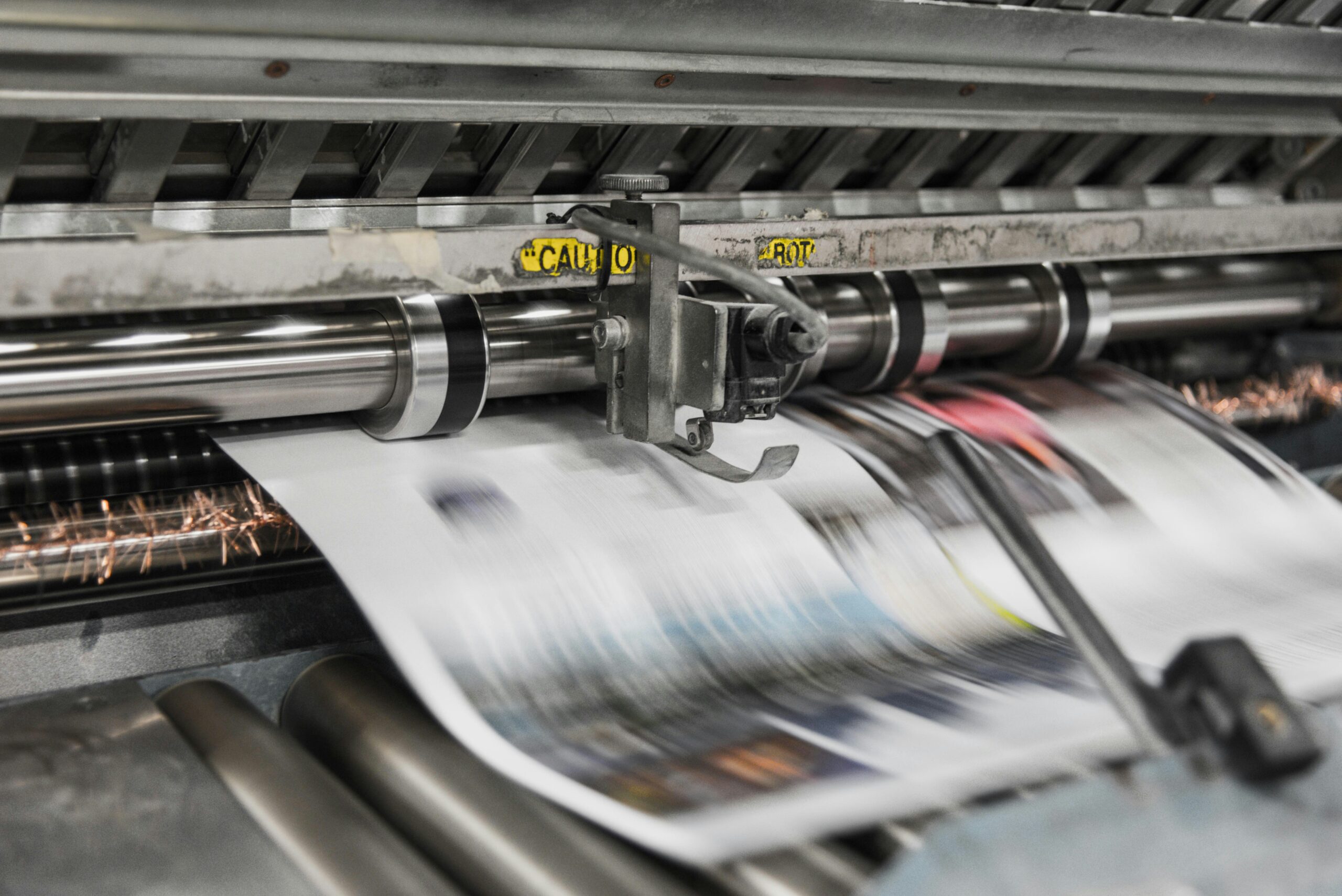

We all want strong packaging. But what does “strong” really mean for your kraft paper bags and shipping boxes? It’s not just about resisting a direct pull (tensile strength). There’s another vital property called paper fracture toughness, which determines how well paper stops a small tear from ripping wide open. This guide simply explains what fracture toughness is, why it’s often more important than basic strength for preventing real-world packaging failures (like torn bags or damaged corrugated boxes), and what makes paper truly tough (hint: it involves how paper fibers behave!). Understanding this helps you choose packaging materials that are genuinely durable, protecting your products and your brand image. It’s worth reading because focusing only on basic strength can lead to frustrating packaging failures.

When we talk about strong paper for packaging, we often think about how much weight it can hold or how hard it is to pull apart. That’s important, for sure. But imagine this: your sturdy kraft paper bag gets a tiny nick from a sharp corner inside, or your Shipping boxes gets slightly punctured during handling. Suddenly, that small damage point becomes the focus of all the stress. Will the paper stop the tear from spreading, or will it rip easily from that point? That ability to resist tear growth is paper fracture toughness.
Simple strength tests, like pulling a strip of paper until it snaps (tensile strength), measure the force needed to cause the first break in perfect paper. This tells us something valuable, but it doesn’t tell the whole story of how paper behaves in the real world. Real-world packaging rarely fails because the whole material was pulled evenly until it broke. More often, failure starts at a weak point – a small cut, a crease, a puncture, or even just a naturally weaker area in the paper structure.
Think about tearing a piece of paper. It’s much easier to continue a tear that has already started than it is to initiate the tear in the first place. That resistance to continuing the tear is what fracture toughness is all about.
So, let’s define it simply: Paper fracture toughness is the measure of the energy a paper material can absorb before an existing crack or tear gets bigger. It’s about the paper’s ability to contain damage and prevent catastrophic failure originating from a small flaw.
A paper with high fracture toughness can tolerate small imperfections or minor damages without them quickly leading to a full rip or tear under stress. It can absorb the energy concentrated at the tip of the crack.
A paper with low fracture toughness, even if it has high basic strength, might tear very easily once a small defect is present because it can’t absorb that concentrated energy effectively.
This concept is incredibly important for packaging materials like kraft paper used in bags and the paper layers (liners and medium) used in corrugated boxes. Throughout its life – from manufacturing, filling, sealing, stacking, shipping, and handling – packaging encounters numerous stresses:
Any of these can create small points of damage. If the paper has poor fracture toughness, these minor issues can quickly escalate into major failures – torn bags spilling contents, shipping boxes collapsing, or products getting damaged. Therefore, understanding and specifying good fracture toughness is crucial for designing reliable and effective packaging solutions.
It’s easy to confuse fracture toughness with tensile strength, but they measure different aspects of paper performance. Knowing the difference helps you understand why a paper that feels strong might still tear easily under certain conditions.
Tensile strength measures the maximum pulling force (stress) a strip of flawless paper can withstand before it snaps. Imagine pulling on both ends of a paper strip until it breaks – the force required at the moment of breaking is related to its tensile strength.
High tensile strength means the paper is strong against a straight pull when it’s perfect.
Fracture toughness, as we’ve discussed, measures the energy needed to make an existing crack, cut, or flaw grow longer. It’s about the material’s resistance to fracture propagation.
High fracture toughness means the paper can tolerate flaws and resist tearing even after being slightly damaged.
Here’s a simple table to highlight the main differences:
| Feature | Tensile Strength | Fracture Toughness |
| What it Measures | Force to start a break (in perfect paper) | Energy to continue a break (from a flaw) |
| Focus | Resisting initial failure | Resisting tear/crack growth |
| Units (Concept) | Force (How much pull?) | Energy (How much work to tear?) |
| Requires Flaw? | No (tests perfect material) | Yes (tests material with existing flaw) |
| Real-World Relevance | Resisting even pull, initial load bearing | Resisting rips from cuts, nicks, punctures |
| Common Test Related | Tensile Tester | Tear Tester (Elmendorf, In-plane) |
Both tensile strength and fracture toughness are important for good packaging performance. You need enough tensile strength so the bag or box doesn’t break just from the weight of the contents or normal tension. However, fracture toughness often plays a more critical role in preventing complete failure during the dynamic and often harsh conditions of shipping and handling.
A small manufacturing defect, a cut from a box opener, or a puncture during handling creates a stress concentration point. If the fracture toughness is low, the energy from a drop or impact easily overcomes the paper’s resistance at that point, and the tear runs, potentially causing the package to fail completely. A tougher paper, even if its initial tensile strength isn’t dramatically higher, can absorb that energy around the flaw and stop the tear from propagating, keeping the package intact. That’s why focusing only on tensile strength can be misleading when evaluating packaging durability.
Corrugated boxes are the workhorses of the shipping world. Their strength comes from the combination of the flat linerboards and the wavy corrugated medium sandwiched between them. Fracture toughness is critical for the performance of these paper components, especially the linerboards which face the most direct impacts and stresses, whether they are standard brown boxes or custom printed Colorful Corrugated Box.
Think about the journey of a typical shipping box:
Corners and edges are naturally high-stress areas on a corrugated box. They often take the brunt of impacts. If the linerboard has poor fracture toughness, a small crack initiated at a corner during a drop can quickly spread along the edge score lines, causing the corner to split open. This dramatically reduces the box’s stacking strength and protective capability. Tougher paper resists this crack propagation, keeping the corners intact even after rough handling.
Ultimately, good fracture toughness in the linerboards and medium translates to better overall box integrity. It means the box can withstand the typical bumps, scrapes, and impacts of the supply chain without easily developing tears or splits that weaken its structure. This leads to:
When selecting corrugated boxes, looking beyond just the basis weight or Mullen burst strength (another common metric) to consider the inherent toughness of the paper components can lead to significantly better real-world performance. This is where specifying materials known for good fracture resistance becomes important.
Let’s broaden the view from just corrugated to include other common packaging like kraft paper bags. Whether it’s a heavy-duty sack holding industrial materials or a simple shopping bag from our range of Paper bags, fracture resistance (another term for fracture toughness) plays a vital role in ensuring they perform as expected.
We’ve likely all experienced failures related to poor fracture toughness:
These common scenarios highlight how crucial fracture toughness is in preventing minor incidents from becoming major failures.
The primary job of most packaging is to contain and protect the product. Good fracture resistance is fundamental to this. By preventing small nicks, cuts, and punctures from easily propagating into large tears or splits, tough paper helps ensure:
This reliability is essential for customer satisfaction and minimizing losses due to damaged goods, whether you are using simple bags or more complex Folding boxes for retail products.
Damaged packaging doesn’t just risk the product inside; it also reflects poorly on your brand. When a customer receives a torn bag or a split box, it creates a negative impression, suggesting poor quality control or inadequate packaging choices. Packaging with high fracture toughness is more likely to arrive looking intact and professional, reinforcing a positive brand image and enhancing the customer unboxing experience. Investing in tougher packaging materials is an investment in your brand’s reputation.
When paper starts to tear, what actually happens at the microscopic level? Why do some papers resist tearing much better than others? The answer lies in how the paper structure absorbs the energy that’s trying to rip it apart.
Imagine pulling on the edges of a piece of paper with a small cut in the middle. All the force you apply gets concentrated right at the very tip of that cut. For the tear to get longer, the paper structure at that tip must break. This breaking process requires energy. Fracture toughness is essentially a measure of how much energy the paper can dissipate or absorb in a small area around the crack tip before the crack actually advances.
If the paper structure can absorb a lot of energy locally, it requires a large amount of external force (or work) to make the tear grow. If it can only absorb a little energy, the tear will propagate easily.
There are two main ways the paper structure can fail at the crack tip and absorb energy:
Therefore, to make paper tougher, papermakers aim to create conditions that favor fiber pull-out over fiber breakage.
(Imagine a simple drawing here showing two scenarios side-by-side):
This visual helps understand that the way fibers fail makes all the difference to the paper’s overall toughness and resistance to tearing.
If promoting fiber pull-out is the goal for high fracture toughness, what properties of the paper fibers themselves encourage this behavior? Three main factors are critical: fiber length, fiber bonding strength, and individual fiber strength.
Think back to pulling a thread from fabric. It’s much harder to pull out a long thread that’s deeply woven in than a short one that’s barely caught. The same applies to paper fibers.
Therefore, longer fibers generally lead to higher fracture toughness.
This is clearly seen when comparing paper made from different wood sources:
Often, papermakers blend softwood and hardwood pulps to balance properties like smoothness (from hardwood) and toughness (from softwood) for specific applications.
How strongly the fibers are bonded to each other within the paper network also plays a crucial, but more complex, role in fracture toughness. It’s not simply “stronger bonds = tougher paper.” There’s an optimal level – a “Goldilocks” effect.
If the bonds between fibers are very weak (e.g., in lightly refined pulp or very bulky paper), fibers aren’t held securely. When stress is applied at a crack tip, fibers pull out very easily with minimal resistance. While pull-out is happening, it requires very little energy.
Result: Low fracture toughness.
If the bonds between fibers are extremely strong (e.g., in heavily refined pulp, sometimes called “glassine” or highly densified paper), the fibers are locked tightly together. When stress concentrates at the crack tip, the bonds are stronger than the fibers themselves. The fibers can’t pull out because they are held too firmly. Instead, they are forced to snap. As we learned, fiber breakage absorbs very little energy.
Result: Low fracture toughness (even though tensile strength might be very high!).
The highest fracture toughness is usually achieved at an intermediate level of fiber bonding. The bonds need to be strong enough to provide significant resistance as the fibers are pulled out (requiring energy), but not so strong that they prevent pull-out altogether and force the fibers to break instead. Papermakers control bonding strength primarily through a process called refining (or beating), which modifies the fiber surfaces to promote bonding when the paper sheet is formed and dried.
Finally, the inherent strength of the individual fibers themselves sets an upper limit on toughness. Even if conditions favor pull-out, if the fibers are intrinsically weak, they might still break under the stress concentration before they can be pulled out significantly.
Therefore, using pulp made from naturally strong wood species or processing the pulp in ways that preserve fiber strength contributes positively to achieving high fracture toughness. Studies like Microscopic Damage in Paper. Part II: Effect of fibre properties directly link stronger individual fibers to improved resistance against fracture propagation. (Searchable on Google Scholar).
In summary, the toughest paper typically results from using long, strong fibers bonded together at an optimal strength level that encourages energy-absorbing fiber pull-out rather than low-energy fiber breakage.
We often assume that making paper stronger in one way (like increasing tensile strength) makes it better overall. However, the relationship between tensile strength and fracture toughness is not always straightforward. It’s possible, and even common in some cases, to increase tensile strength while actually decreasing fracture toughness.
Imagine a graph plotting both tensile strength and fracture toughness as we increase the level of fiber-to-fiber bonding (e.g., by increasing refining):
(Imagine a simple line graph showing):
This graph illustrates that pushing for maximum tensile strength can sometimes lead you past the point of maximum toughness, resulting in a strong but brittle paper that tears easily once nicked.
Refining (or beating) pulp is a mechanical process papermakers use to roughen up fiber surfaces and make them bond better, which increases tensile strength. However, excessive refining can:
Therefore, papermakers aiming for balanced properties must carefully control the refining process to achieve sufficient tensile strength without sacrificing too much fracture toughness. This is particularly important for packaging papers like kraft, where both initial load-bearing capacity and resistance to tearing during handling are crucial. The trade-offs discussed in papers like The Tear and Tensile of Mechanical Pulps highlight this delicate balance. (Searchable on Google Scholar).
The key takeaway is that tensile strength and fracture toughness are distinct properties influenced differently by fiber characteristics and processing. For most packaging applications, especially the kinds of Shipping boxes and kraft paper bags that endure rough handling, achieving a good balance between the two is more important than maximizing tensile strength alone. You need paper that is strong enough and tough enough to resist both initial failure and tear propagation. Understanding this helps in selecting the right grade of paper or specifying the desired performance characteristics for your custom packaging solution.
If fracture toughness is so important, how do papermakers and packaging specialists actually measure it? While directly measuring the fundamental fracture energy can be complex, several standardized tests provide practical indicators of a paper’s resistance to tearing, which is closely related to toughness.
The most common tear test used in the paper industry is the Elmendorf tear test (following standards like ISO 1974 or TAPPI T414).
So, while the Elmendorf tear value gives useful information, it’s an indicator rather than a direct measure of the fundamental fracture toughness related to crack propagation within the paper plane.
To get a measure more closely related to how paper fails under tension (like when a bag handle area is stressed or a box panel is impacted), in-plane tear tests are sometimes used, although they are less common than Elmendorf.
(Imagine a simple diagram showing):
While Elmendorf is the industry standard for general tear comparison, understanding the insights from in-plane tear tests (when available) can provide a more accurate prediction of a paper’s true fracture toughness and its ability to resist catastrophic failure in demanding applications.
When you see a “tear strength” value on a paper specification sheet, it’s almost always the Elmendorf value. Knowing this helps you understand what property is being reported and its potential limitations in predicting resistance to all types of real-world tearing, especially those driven by in-plane stresses. Discussing specific performance needs and potentially relevant test methods (beyond just Elmendorf) with your packaging supplier, like Foho Packaging, can help ensure the material selected truly meets your durability requirements.
Since fracture toughness is heavily influenced by fiber properties and how they are bonded, papermakers have several levers they can pull during the pulp and paper manufacturing process to design tougher paper specifically for demanding packaging applications like kraft paper bags and corrugated box liners.
As we discussed, fiber length and strength are crucial.
How the wood fibers are separated (pulping) and how they are mechanically treated afterward (refining) significantly impacts the final paper properties.
For applications like multiwall sacks, heavy-duty wrapping, or durable shopping bags, papermakers specifically engineer kraft paper for high tear resistance and fracture toughness. This often involves:
By carefully managing the entire process from wood selection to final paper drying, manufacturers can tailor the properties of kraft paper and other packaging materials to meet demanding performance requirements where resistance to tearing and fracture propagation is paramount.
Understanding paper fracture toughness empowers you to make better decisions about your packaging. It’s not just an abstract scientific term; it’s a practical property that directly affects whether your products arrive safely and your brand looks good.
When working on your packaging design, think beyond just the visual aesthetics and basic dimensions. Consider the journey the package will take and the stresses it will endure.
Discussing these factors with your packaging provider allows them to recommend materials where fracture toughness has been considered alongside other properties like tensile strength, stiffness, and printability.
Don’t assume all kraft paper or all corrugated board is created equal. Different grades exist, optimized for different purposes. Some are designed for beautiful printing surfaces but might compromise on toughness. Others are engineered specifically for strength and durability, prioritizing fracture resistance.
Be clear about your durability requirements. If your products regularly face challenging shipping conditions, explicitly ask for materials known for good tear resistance and toughness. Foho Packaging offers a range of packaging materials, and our experts can guide you to options that provide the necessary resilience.
At Foho Packaging, we believe the best packaging is both functional and reflects your brand. Understanding material science, including concepts like fracture toughness, is part of how we deliver effective custom packaging solutions.
Our goal is to ensure your packaging solution isn’t just visually appealing but also robust enough to perform reliably from production line to end customer.
📧 Email us at: sales@fohopackaging.com 📞 Contact us on WhatsApp: +86 136 1533 5353
You can leave any questions. We will see and answer you.