Zibo City, Shandong Province

Have Any Questions?

10 AM – 6 PM
Zibo City, Shandong Province
Have Any Questions?
10 AM – 6 PM

Have Any Questions?
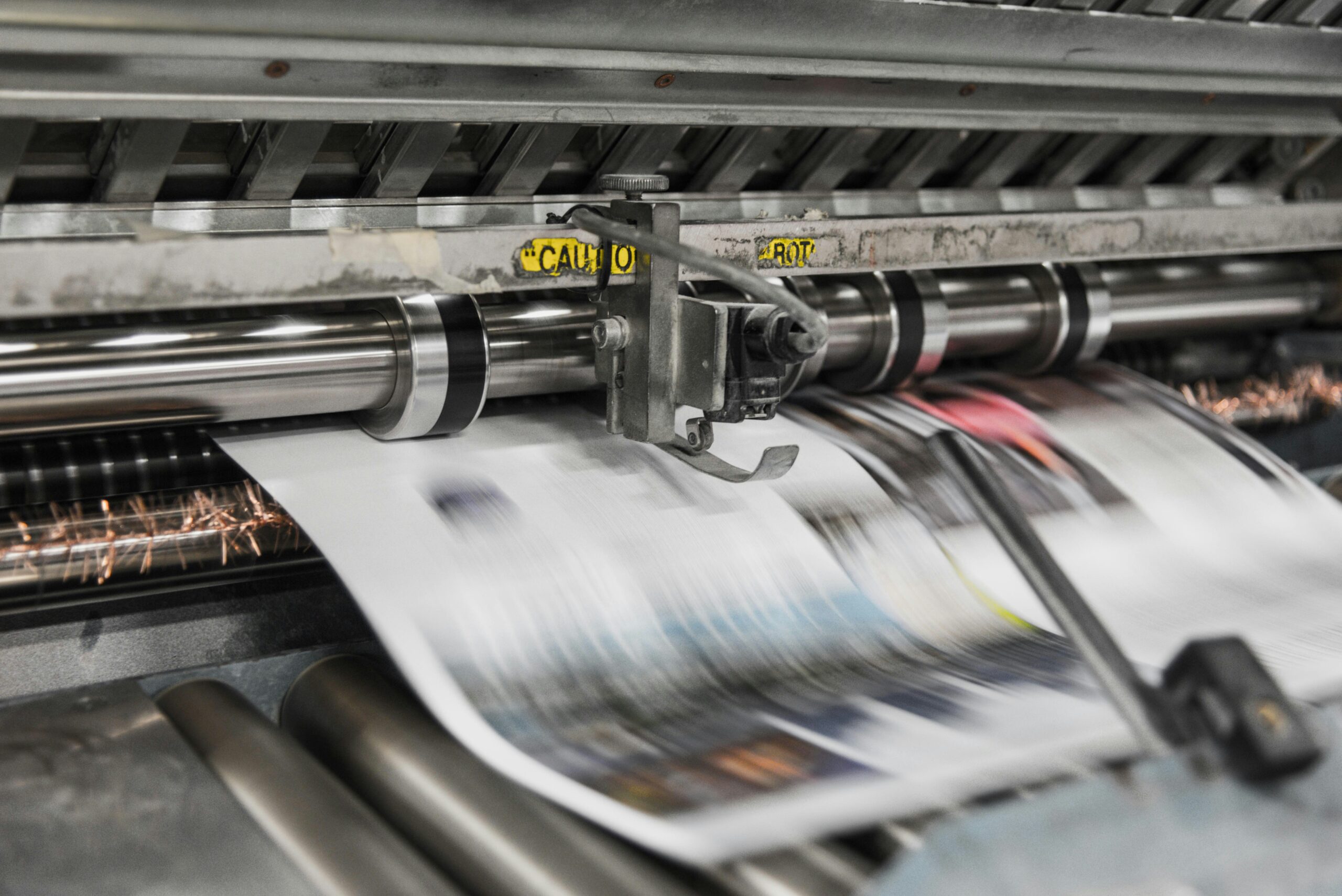

Are you staring at your packaging invoices, wondering how paper costs got so high? You’re definitely not alone. Businesses everywhere, especially those relying on Rigid boxes, Corrugated boxes, and even simple Paper bags, are feeling the pinch of rising paper prices.
Let’s face it: paper prices have been on a wild ride. One minute they seem stable, the next they’re jumping up faster than you can adjust your budget. Whether you’re using paper for sturdy shipping boxes, attractive retail packaging, or even just for Folding boxes, these price hikes are hitting hard.
It’s not just a little increase either. Raw material costs, energy prices, and global events are all pushing paper prices upwards. This makes it tough to plan, tough to price your products, and tough to stay competitive. Raw material costs are a major factor influencing the price of paper products.
Why should you, as a business owner, really worry about paper prices? Because they eat into your profits! Packaging is a necessary cost, but when those costs jump, it directly impacts how much money you take home.

To get a handle on this, it helps to understand why paper prices are so unpredictable. It’s not just one thing, but a mix of factors all happening at once.
Think about what paper is made from: mostly wood pulp and recycled paper. The cost of these raw materials is a big part of the final paper price.
Making paper is a process that uses a lot of energy. Factories need power to run machines, process materials, and transport products. When energy prices go up, paper production becomes more expensive.
Like any product, paper prices are affected by supply and demand. If there’s more demand than supply, prices go up. And right now, several things are squeezing the paper supply.
The world is interconnected, and big global events can have a ripple effect on paper prices.
Pandemics & Disruptions: The recent pandemic showed us how quickly global events can disrupt supply chains. Factory shutdowns, shipping delays, and labor shortages all contribute to paper price increases.
Geopolitical Instability: Events like wars or political tensions can disrupt trade, impact energy supplies, and create uncertainty in the market, all leading to price volatility. Geopolitical events, like the war in Ukraine, can disrupt supply chains and increase raw material costs.
Okay, the picture might seem gloomy, but here’s the good news: you’re not powerless! There are smart, practical strategies you can use to take control of your paper costs and make your packaging more affordable.
Imagine relying on just one supplier for all your paper. If something goes wrong with them – price hikes, supply issues – you’re in trouble! The solution? Diversify!
Short-term contracts mean you’re always at the mercy of current market prices. Long-term contracts can give you more stability.
Think outside the box – or, well, inside a different kind of box! Sustainable paper alternatives can sometimes be more cost-effective and better for the environment.
Your suppliers aren’t just vendors; they’re partners. Building strong, open relationships can help you navigate cost challenges together.
Sometimes, the savings are right in front of you, in your own operations!
Negotiate Shipping: Don’t forget about shipping costs! Negotiate with your shipping providers to get the best rates and optimize your packaging dimensions to reduce shipping expenses.
Reduce Waste: Minimize waste in your packaging process. Optimize your designs to use less material, reduce damage during packaging, and recycle any scrap paper.
Streamline Processes: Look for ways to make your packaging process more efficient. Faster packaging lines, better inventory management, and optimized logistics can all save you money in the long run.
| Strategy | Pros | Cons | Best For |
|---|---|---|---|
| Diversify Suppliers | Reduces risk, more competitive pricing, backup options | More complex management, takes time to build new relationships | Businesses of all sizes, especially those with high packaging volume |
| Long-Term Contracts | Price stability, predictable costs, potential volume discounts | Less flexibility if prices drop, need accurate demand forecasting | Businesses with stable demand and good supplier relationships |
| Sustainable Alternatives | Cost savings (sometimes), eco-friendly, appeals to customers | May require design changes, alternative materials might have different properties | Eco-conscious brands, businesses looking for long-term cost reduction |
| Supplier Relationships | Improved communication, collaborative solutions, stronger partnerships | Requires effort and trust-building, benefits may not be immediate | Businesses seeking long-term stability and mutually beneficial partnerships |
| Efficiency Improvements | Direct cost savings, reduced waste, better operational control | Requires process analysis and changes, may involve upfront investment | All businesses, especially those with high operational costs |
Let’s look at some examples of how these strategies work in the real world. While we can learn from big companies, even small businesses can apply these principles!
“Green Gadgets,” a small electronics company, was heavily reliant on a single paper supplier. When that supplier suddenly raised prices by 20%, Green Gadgets was in trouble. They quickly scrambled to diversify. They found two new suppliers – one local and one overseas – offering comparable quality at better prices. By switching and diversifying, Green Gadgets not only weathered the price hike but also secured more stable and competitive paper sourcing for the future.
“Bakery Bliss,” a regional bakery chain, used to buy packaging paper on short-term contracts, constantly facing price fluctuations. They decided to negotiate long-term contracts with two key paper suppliers, locking in prices for three years. This gave them predictable packaging costs, allowing them to budget more effectively and even offer more stable pricing to their own customers. The long-term commitment also strengthened their relationships with suppliers, leading to better service and communication.
Tesla, the electric car giant, faced rising raw material costs for batteries. Their solution? Vertical integration. They started producing some of their own battery components in-house, reducing their reliance on external suppliers and gaining more control over costs and innovation. Tesla’s vertical integration strategy helps mitigate raw material price volatility. While vertical integration might be a huge step for a smaller packaging business, the principle is the same: gaining more control over your supply chain can shield you from market fluctuations.
Looking ahead, the paper market will likely continue to be dynamic. But by understanding the trends and adopting smart strategies, you can future-proof your packaging procurement and stay ahead of the curve.
Globalization means you have access to a wider range of suppliers and materials than ever before. Embrace global sourcing to find the best quality and prices, but also be mindful of supply chain risks and build resilience. Globalization increases sourcing options but also necessitates supply chain efficiency.
The push for sustainability is not just a trend; it’s a fundamental shift. Eco-friendly paper alternatives are becoming more readily available and cost-competitive. Embrace sustainable packaging – it’s good for the planet and can be good for your bottom line too! Sustainability is a driving force, pushing manufacturers to explore alternative, eco-friendly fibers.
Technology is transforming procurement. Data analytics can help you predict price fluctuations, optimize your inventory, and identify cost-saving opportunities. Embrace digital tools to make smarter, data-driven purchasing decisions. Technological advancements like data analytics can optimize supply chain management and procurement strategies.
In a volatile market, strong supplier relationships are your lifeline. Invest in building trust, communication, and collaboration with your paper suppliers. They can be your allies in navigating cost challenges and finding innovative solutions. Strong supplier relationships are essential for stable supply and better pricing.
Navigating the world of paper costs can be complex, but you don’t have to do it alone. FoHo Packaging is here to help you find cost-effective packaging solutions without compromising on quality or brand image.
Ready to take control of your packaging costs? Contact FoHo Packaging today for a free consultation! We’ll discuss your specific needs and challenges and help you develop a smart, cost-effective packaging strategy. Let’s work together to make your packaging a strength, not a strain on your business!
What’s the first step I should take to reduce my packaging costs? Start by analyzing your current packaging spending and processes. Where is the most paper being used? Where might there be waste? Then, reach out to FoHo Packaging for a consultation – we can help you identify the best strategies for your specific business.
Are paper prices really going to keep rising? While predicting the future is impossible, experts suggest that volatility will continue. That’s why proactive cost management strategies are so important.
Is recycled paper always cheaper? Not always, but often it can be a cost-effective alternative, especially in the long run, and it offers sustainability benefits.
How can long-term contracts actually save me money if prices keep going up? Long-term contracts lock in prices, protecting you from sudden and unexpected spikes. While they might not always be lower than the absolute lowest spot price, they provide predictability and budget stability, which is valuable.
📧 Email us at: sales@fohopackaging.com 📞 Contact us on WhatsApp: +86 136 1533 5353
You can leave any questions. We will see and answer you.