Zibo City, Shandong Province

Have Any Questions?

10 AM – 6 PM
Zibo City, Shandong Province
Have Any Questions?
10 AM – 6 PM

Have Any Questions?

In my years of sourcing packaging from China, I have seen brilliant designs fail simply because they were printed on the wrong stock. You can have the most beautiful artwork in the world, but if the box feels flimsy or the ink bleeds because the paper is too porous, your brand’s perceived value takes a nosedive. The material you choose is the physical foundation of your customer’s experience.
Navigating the terminology—SBS, C1S, Kraft, E-flute—can be overwhelming. This guide is designed to cut through the jargon. I will walk you through the primary paper materials available in Chinese manufacturing, explain exactly when to use each one based on your product’s weight and market, and help you balance luxury appeal with logistical durability.

If you are looking for the gold standard in retail packaging, Solid Bleached Sulfate 1 (SBS) is my top recommendation. It is a premium paperboard produced from bleached chemical pulp. It features a brilliant white surface both inside and out, which provides an excellent canvas for high-quality printing and special finishes like foil stamping.
For brands focusing on sustainability or a rustic aesthetic, Kraft paper 2 is the champion. Made from unbleached wood pulp, it retains its natural brown color and high tear resistance. I often suggest this for eco-friendly brands because it communicates "natural" instantly to the consumer without saying a word.
When your design relies on photographic quality images, you need coated paper. C1S (Coated One Side) or C2S (Coated Two Sides) 3 features a clay coating that seals the paper fibers, preventing ink absorption. This results in incredibly sharp, vibrant images. This is usually laminated onto a thicker board for structural boxes.
For shipping and heavy items, you need structural integrity. Corrugated fiberboard 4 consists of a fluted sheet sandwiched between two flat linerboards. The "flute" size (E, B, C) determines the thickness and cushioning. I recommend E-flute for retail mailers (thin but strong) and B or C-flute for heavy shipping cartons.
If you are packaging edible goods, safety is paramount. White cardstock specifically treated for food contact compliance 5 is essential. It is stiff, glossy, and often coated to be grease-resistant. It provides the clean look of SBS but with the necessary regulatory compliance for direct food contact.
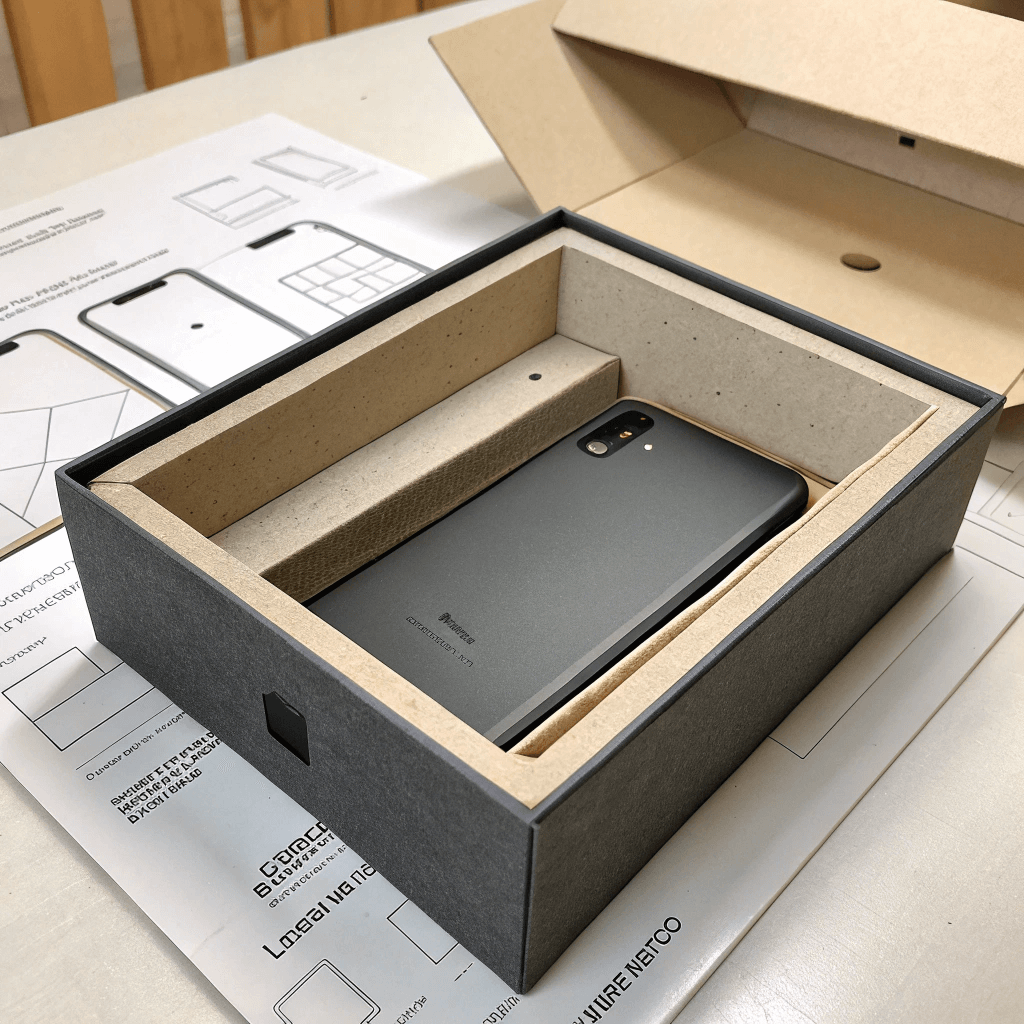
This is the material beneath the surface of those expensive iPhone boxes or luxury gift sets. Rigid box construction 6 uses thick, dense greyboard (made from recycled fibers) which is then wrapped in a printed art paper. It does not fold flat; it is a permanent structure that screams luxury.
Sometimes you need to dazzle. Specialty cardboards include metallic foils, pearlescent textures, and holographic finishes 7. These are usually laminated sheets used for limited editions or holiday promotions. They reflect light in unique ways to grab attention on a crowded shelf.
The modern consumer checks the label for sustainability. Using materials with verified FSC certification 8 or high post-consumer recycled (PCR) content is a massive selling point. These papers have improved drastically in quality and are now comparable to virgin pulp options.
| Material | Strength | Print Quality | Eco-Friendliness | Relative Cost |
|---|---|---|---|---|
| SBS | Medium | Excellent | Medium | High |
| Kraft | High | Good | Excellent | Low |
| C2S Art Paper | Low (Skin) | Excellent | Medium | Medium |
| Corrugated | Very High | Fair (Direct) | High | Low |
| Rigid Board | Very High | N/A (Wrapped) | High (Recycled) | Very High |
Choosing the right material comes down to a balance of weight, fragility, and presentation. For light retail items (under 1lb), a folding carton made of SBS is perfect. However, if your product is heavy or fragile, you must calculate the Edge Crush Test (ECT) 9 value to ensure the box won’t collapse.
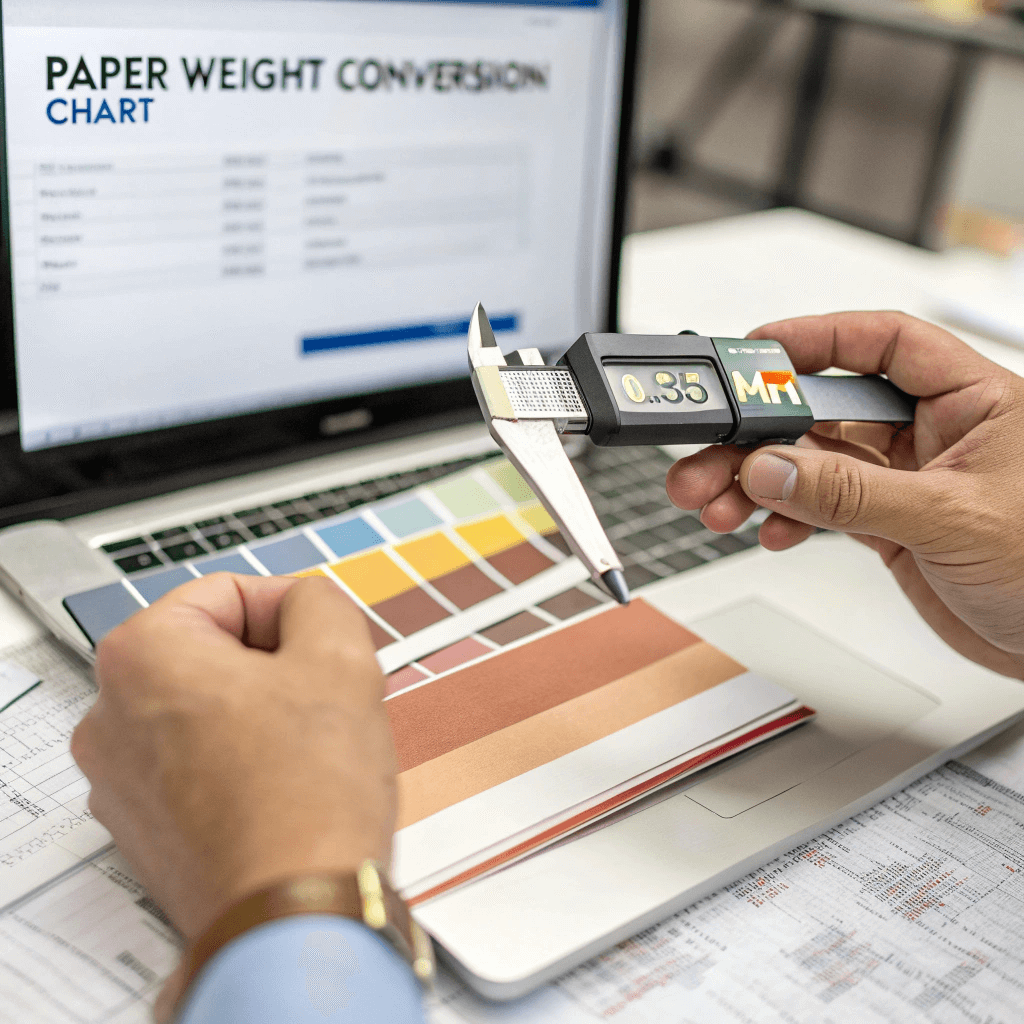
Always distinguish between Folding Carton (thin, single-layer, for shelves) and Corrugated (fluted, multi-layer, for shipping). Never ship a folding carton without a corrugated outer shipper. To ensure you are getting what you expect, understanding paper weight conversion (GSM vs PT) 10 is vital; asking for 350gsm paper in China is standard, but you need to know how that feels in your hand compared to a 14pt board in the US.
Selecting the right paper material is the first step in ensuring your custom packaging succeeds. It requires balancing the need for protection with the desire for a premium unboxing experience. Whether you choose the raw strength of corrugated kraft or the refined elegance of SBS, always request a physical sample kit before committing to a full production run. By understanding the properties of these materials, you can make an informed decision that protects your product and elevates your brand.
What are the most common types of paperboard used for retail boxes?
The two most common are SBS (Solid Bleached Sulfate) for premium, white retail boxes (like cosmetics) and CCNB (Clay Coated News Back), which is a cheaper option with a grey interior, often used for cereal boxes or dry goods.
Can I get a sample kit of the different paper stocks and thicknesses?
Yes, absolutely. Most reputable suppliers will have a "material sample book" or "swatch kit." You should always ask for this upfront. It allows you to physically feel the difference between 300gsm and 400gsm paper and see how ink sits on coated vs. uncoated surfaces.
How do I decide between corrugated cardboard and folding carton for my product?
If your product needs to be shipped directly to a customer (DTC) without an external box, you must use corrugated cardboard for protection. If your product sits on a retail shelf inside a master carton, a folding carton (like SBS) is better for high-quality printing and display.
What material should I choose to ensure my packaging is strong enough for my product’s weight?
For items under 1kg, a 350gsm folding carton is usually sufficient. For heavier items, upgrade to corrugated. "E-flute" is thin (1.6mm) but strong, great for small electronics. "B-flute" (3mm) is better for heavier items like glass jars or large kits.
1. Comprehensive guide to Solid Bleached Sulfate (SBS) properties. ↩︎
2. Technical overview of the Kraft paper manufacturing process. ↩︎
3. Detailed profiles of coated paper types and applications. ↩︎
4. Industry statistics and specifications for corrugated flutes. ↩︎
5. FDA regulations regarding food contact packaging substances. ↩︎
6. Insights into the luxury appeal and construction of rigid boxes. ↩︎
7. Technology behind holographic paper and foil manufacturing. ↩︎
8. Explanation of FSC labels and sustainable forestry standards. ↩︎
9. Standard test method for measuring edge crush strength. ↩︎
10. Chart for converting between GSM and Point paper weights. ↩︎
You can leave any questions. We will see and answer you.