Zibo City, Shandong Province

Have Any Questions?

10 AM – 6 PM
Zibo City, Shandong Province
Have Any Questions?
10 AM – 6 PM

Have Any Questions?
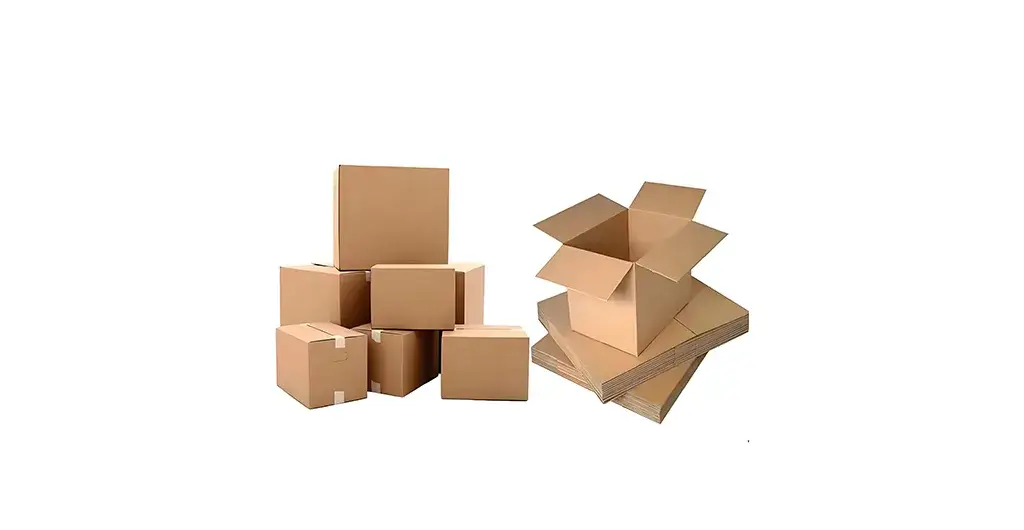

Frozen food does not forgive a weak box. A carton of frozen meals, a case of ice cream or a box of frozen seafood travels cold, gets handled cold, and often sits in a freezer warehouse before it ever reaches a shop shelf. If the outer box soaks up moisture, softens, or gives way under a stack, the product inside pays for it — even when the food itself stayed frozen the whole way.
The outer box is not where the cold comes from. That job belongs to the insulation inside. The outer box has three jobs of its own: keep the insulation and the product in shape, stay strong while it is cold and damp, and survive stacking from the packing line to the freezer shelf.
A frozen-food outer box is almost always a system, not a single box: a corrugated outer box plus an insulated liner inside. The liner keeps the cold in; the outer box protects the liner and carries the load.
Foho’s cold-chain boxes use a three-layer build — a waterproof foil layer, an insulation layer, and a liner board layer — inside a corrugated outer box. The point of the foil layer is simple: condensation is the enemy, and a foil surface stops moisture from reaching the board. When you ask for a quote, say what goes inside and how it ships — frozen meals, seafood, ice cream, or anything else — and whether the box will travel in a frozen container or sit in cold storage. That decides the structure, not a catalogue size.
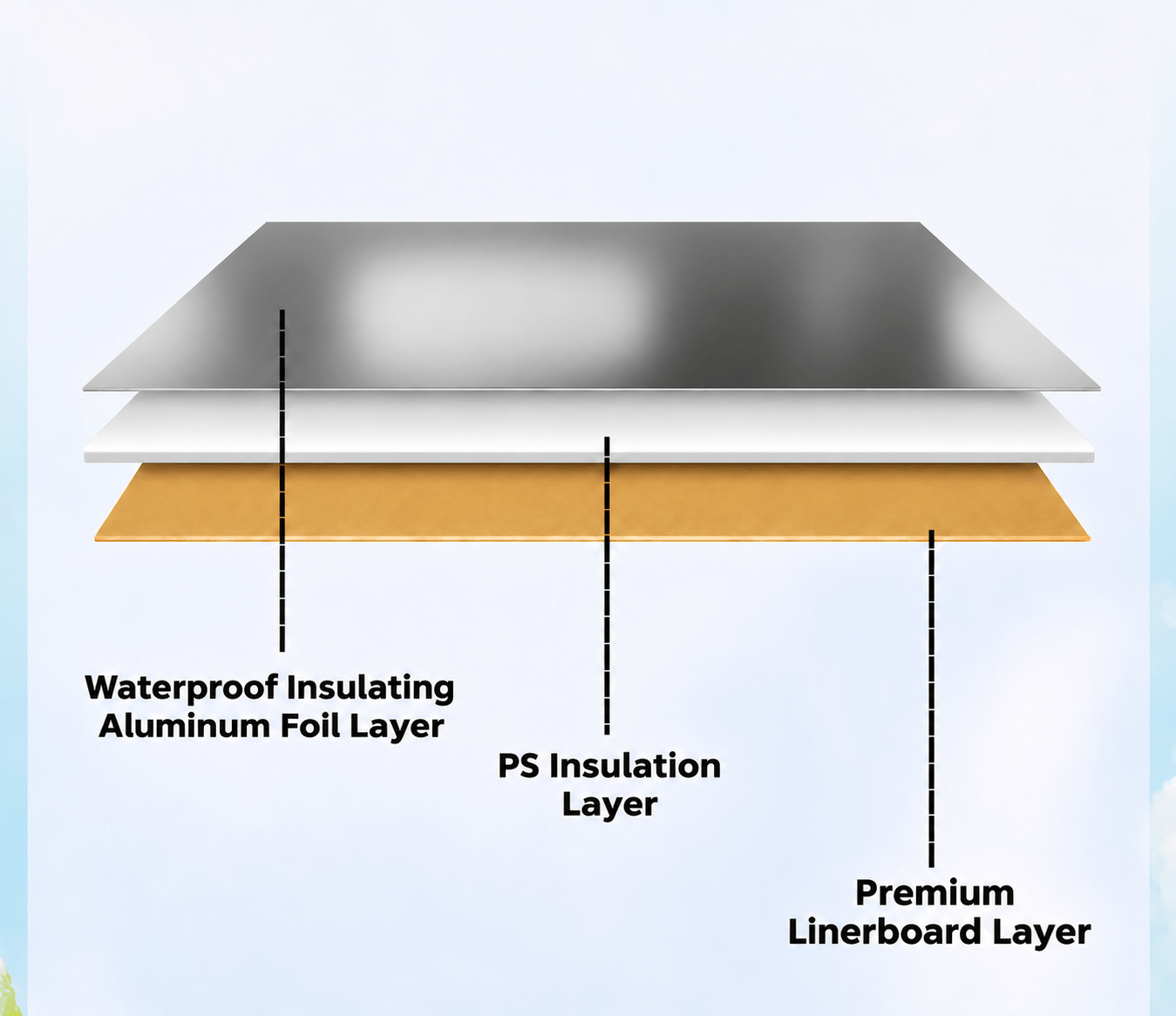
A dry corrugated box is strong. A damp one is not, and frozen food makes dampness hard to avoid: cartons move between freezers, trucks and loading docks, and every move leaves condensation on the surface.
So the first question to ask any supplier is not how thick the board is, but how the box handles moisture. A foil-lined inner surface, a moisture-resistant outer layer, and a board that keeps its shape when it gets cold and wet are worth more than extra board weight on a box that soaks through. If your cartons sit stacked in a freezer for days, say so — a box that only has to survive a short courier trip is a different box from one that has to hold a stack in cold storage.
Frozen-food cartons are stacked — on pallets, in containers, on freezer shelves — and they stay stacked. A box that holds up for a day in a dry warehouse can slowly sag in a cold, damp one, and the bottom cartons take the worst of it.
When you send your box details, give the real packing weight and say how high the cartons will be stacked and for how long. The supplier can then match the board and the structure to the load instead of guessing. Do not guess the weight yourself: weigh a packed carton, insulation and all, and send that number.
Frozen food is heavy for its size, and empty space inside the box is space the cold has to fill. A box that is too large for its contents wastes insulation, wastes freezer space, and lets the product move around. A box that is too small crushes the liner and leaves no room for the insulation to work.
Measure the packed product — with its inner packaging and insulation — and give the supplier the inside dimensions you need, not the outside dimensions of a box you already have. Custom sizing is the whole point of a made-to-order outer box: the box fits the frozen product, instead of the product fitting a standard carton.
Frozen-food cartons get handled by people wearing gloves, in cold rooms, in a hurry. Clear print on the outside — what is inside, which way is up, how it should be stored — is not decoration. It is how a carton survives the journey without being stacked the wrong way or left out of the freezer.
Foho offers colour printing and water-based ink printing, on the outside of the box and, where the product calls for it, on the inside as well. If your cartons need handling marks or storage instructions, put them in the artwork brief when you request a quote.
Every frozen-food outer box is made to order, so a real quote needs four facts:
Samples generally take 2 weeks, and production generally takes 10–30 days depending on order quantity. Send the four items above and Foho will confirm the structure, the print and the timing for your order.
Q: Can a corrugated box really work for frozen food?
A: Yes — as the outer box of a system. The corrugated outer box carries the load and protects the insulation inside, while a foil-faced insulation layer keeps the cold in and the moisture out. The outer box on its own is not insulation, and a supplier who tells you otherwise is selling you a plain shipping box.
Q: What information do you need to quote a frozen-food outer box?
A: The four items above: size, packing weight and stacking, printing requirements, and quantity. It also helps to say what food goes inside and whether the cartons travel in a frozen container or sit in cold storage — that decides the structure.
Q: How is this different from a produce box?
A: A produce box is built to breathe — ventilation keeps fresh produce from spoiling. A frozen-food outer box is built to do the opposite: hold the insulation in place, keep moisture out, and stay strong in the cold. They look similar from the outside, but they solve opposite problems.
You can leave any questions. We will see and answer you.