Zibo City, Shandong Province

Have Any Questions?

10 AM – 6 PM
Zibo City, Shandong Province
Have Any Questions?
10 AM – 6 PM

Have Any Questions?

Your customer has already paid. The box is the first thing they touch — and for a lot of brands, it is the only part of the order they will ever photograph. A good unboxing experience does not need to be expensive. It needs to feel considered: the box opens cleanly, the product is where it should be, and something in there makes the customer pause before they put it away.
The unboxing starts with the box itself, and the right box depends on what is inside and who is opening it.
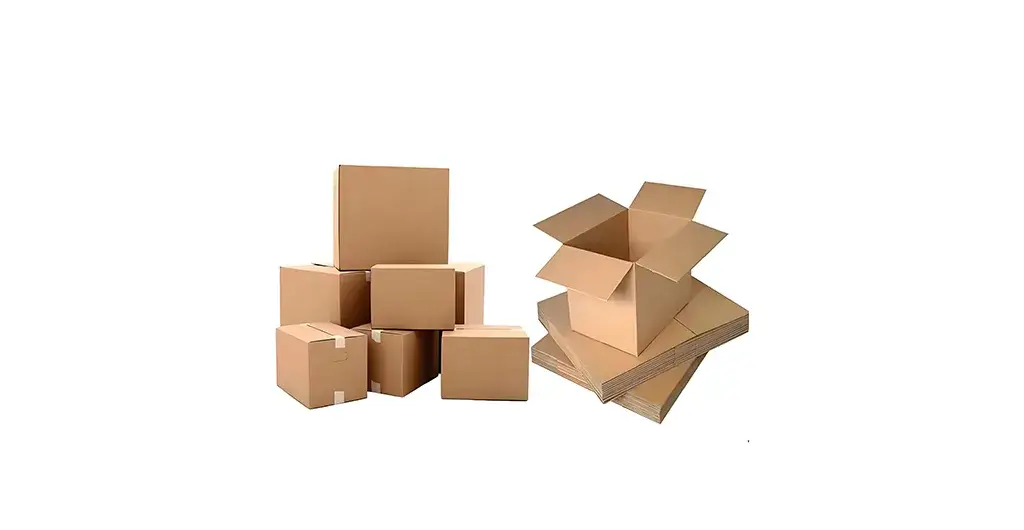
A corrugated mailer box works well for most e-commerce orders: it ships flat, protects the product in transit, and prints well outside and inside. A custom collapsible rigid gift box suits a different moment — a gift set, a launch, a product that is meant to be kept and shown. It arrives flat, folds up into a solid box, and feels like part of the product rather than its wrapping.
Neither is better in general. The question is which one matches the moment your customer is in: a fast delivery they open at the kitchen table, or a gift they open slowly. Choose the box for that moment, not for the catalogue.
The outside of the box does its job on the doorstep. The inside does its job when the customer opens it — and that is the moment people photograph.
Printing inside the box is possible, and it is the simplest way to turn a plain brown box into a branded one: a short message on the inside lid, a pattern on the inside flaps, your logo where the customer looks first. Colour printing and water-based ink printing are both available, and finishes such as foil stamping, embossing or spot UV can pick out one detail — a logo, a line of text.
Keep it to one idea. An inside print that says one thing clearly beats a box covered in messages nobody reads.
When the lid comes off, the customer should see the product — not loose filler and tape. A simple structure works: the product held in place, one layer on top, and one small extra underneath, such as a thank-you card or a care note. What matters is that it feels deliberate, like someone packed this box for this customer.
If you use an insert, make sure it holds the product still — a product that slides around the box arrives looking careless, however nice the print is.
Protection and presentation pull in opposite directions, and the box has to do both. A box that is too tight crushes the product; a box that is too loose lets it rattle. The fix is fit, not filler: a box made to your product’s size, with an insert or divider only where the product actually needs holding.

Heavy or fragile products need a stronger board and, where bottles or jars are involved, dividers that keep them apart. That is not decoration — it is what keeps the unboxing from becoming a photo of a broken product. If you are not sure which board fits, tell your supplier what the box has to carry and how it will ship, and let them pick the board.
The prettiest unboxing fails if the box costs too much to send, or arrives dented. Watch two things: size — an oversized box costs you twice, once to make and once to send, because carriers charge by size as well as weight; and strength — a box that looks good on a shelf and collapses in a delivery van is worse than a plain box that arrives intact.
A supplier cannot price an unboxing box from “I need something nice.” Send these four facts and you will get a real quote back:
With those four, a quote is a real number for your box — not a range copied from someone else’s order.
Q: Does a good unboxing experience have to cost a lot?
A: Not necessarily. The biggest difference usually comes from the cheapest decisions: a box that fits, one inside print, and a product that sits still when the lid comes off. Start there before adding finishes.
Q: Mailer box or rigid gift box — which one is right for unboxing?
A: It depends on the moment. A mailer box suits regular e-commerce orders that need to ship well and open cleanly. A rigid gift box suits gift sets, launches and products that are meant to be kept.
Q: How long does it take to get a sample and start production?
A: Samples generally take 2 weeks, and production generally takes 10–30 days depending on order quantity. If you have a deadline, say so when you request the quote — the schedule is confirmed for each order.
You can leave any questions. We will see and answer you.