Zibo City, Shandong Province

Have Any Questions?

10 AM – 6 PM
Zibo City, Shandong Province
Have Any Questions?
10 AM – 6 PM

Have Any Questions?

Have you ever wondered about the boxes that protect your favorite products? Many of them are flat top corrugated boxes! These sturdy containers are the unsung heroes of shipping and storage, keeping everything from your new shoes to your breakfast cereal safe and sound. This article will take you on a journey into the world of flat top corrugated boxes, exploring what they are, how they’re made, their many uses, and why they’re a smart choice for packaging just about anything. Whether you’re a business owner looking for reliable packaging or just curious about the boxes you see every day, you’ll find this guide packed with useful information. Let’s dive in!
Let’s start with the basics. A flat top corrugated box is a type of shipping container made from corrugated fiberboard. But what does that really mean? Well, imagine a sandwich. The outer layers of the “sandwich” are flat pieces of cardboard called linerboard. The inside layer is wavy and fluted, creating air pockets. This clever design gives the box its strength and ability to protect the items inside. The “flat top” part simply means that the top and bottom flaps of the box are even and create a smooth, flat surface when closed.
Unlike some other box styles that might have overlapping flaps or unique closure mechanisms, flat top boxes offer a classic, efficient design. This makes them easy to stack, store, and ship. They are the go-to choice for countless industries, from e-commerce businesses sending products to customers’ homes to manufacturers shipping large quantities of goods to retailers. You probably see and receive things in these types of boxes more often than you realize!
Flat top corrugated boxes might seem simple, but they offer a multitude of benefits that make them the preferred packaging choice for many businesses and individuals. Why are they so popular? Let’s find out.
First and foremost, flat top corrugated boxes provide excellent protection. The corrugated structure absorbs shocks and vibrations during shipping, preventing damage to the contents inside. The sturdy construction can withstand the rigors of transportation, ensuring that your products arrive at their destination in perfect condition. Secondly, they are incredibly versatile. Flat top boxes come in a wide range of sizes and shapes to accommodate various products. Whether you’re shipping small, delicate items or large, bulky goods, there’s a flat top box that will fit your needs. They can be customized with printing and branding to enhance your company’s image. Another key advantage is their cost-effectiveness. Flat top corrugated boxes are relatively inexpensive to manufacture, making them an economical packaging solution. They are also lightweight, which helps reduce shipping costs. Finally, flat top boxes are easy to handle and store. They ship flat, taking up minimal space before assembly. They can be quickly assembled and sealed, and their flat top design makes them easy to stack and palletize.
To truly appreciate the strength and reliability of flat top corrugated boxes, it’s helpful to understand how they’re made. The process involves several key steps, transforming raw materials into the sturdy containers we rely on.
The journey begins with paper. Large rolls of linerboard paper, made from either virgin or recycled fibers, are fed into a corrugating machine. This machine uses heat and pressure to create the wavy, fluted layer (the “corrugation”) that forms the core of the corrugated board. This fluted layer is then glued between two layers of linerboard, creating a rigid sheet of corrugated cardboard. The type of flute used (A, B, C, E, or F flute, for example) determines the thickness and strength of the board, with larger flutes providing greater cushioning and smaller flutes offering better printability. Next, the corrugated board is cut and scored to create the box blanks. This is done using a die-cutting machine, which precisely cuts the board to the desired shape and creates creases or folds where the box will be assembled. The final step is printing and finishing. If the boxes require printing, this is typically done before the die-cutting process. Various printing methods can be used, from simple one-color printing to complex full-color graphics. The boxes may also be coated with a protective layer to enhance their durability or water resistance.
One of the great things about flat top corrugated boxes is their versatility. They come in a vast array of types and sizes to suit virtually any packaging need. Let’s explore some of the common options.
1.Regular Slotted Containers (RSC): This is the most common type of flat top box. All the flaps have the same length, and the two outer flaps meet in the middle when the box is closed. RSCs are efficient to manufacture and are suitable for a wide range of products.
2.Full Overlap Containers (FOL): In this style, the outer flaps overlap completely, providing extra protection and strength, particularly at the top and bottom of the box. FOLs are often used for heavier or more fragile items.
3.Half Slotted Containers (HSC): HSCs have only one set of flaps at the top or bottom, leaving the other end open. They are often used as storage bins or as components in larger packaging systems.
4.Telescoping Boxes: These boxes consist of two pieces, a top and a bottom, that fit together like a lid and a base. Telescoping boxes are adjustable in height and are ideal for products with varying dimensions.
5.Five Panel Wraps: These boxes are made from a single piece of corrugated board that is folded around the product to create a snug fit. They are commonly used for long, narrow items or for products that require extra protection on all sides.
In addition to these common types, flat top boxes can be customized to virtually any size and shape. Box dimensions are typically expressed as Length x Width x Depth, with the length being the longest side, the width the shorter side, and the depth the height of the box. Standard box sizes are readily available, but manufacturers can also create custom-sized boxes to meet specific requirements.
| Box Type | Description | Common Uses |
| Regular Slotted Container (RSC) | All flaps have the same length, outer flaps meet in the middle | General shipping, e-commerce, retail packaging |
| Full Overlap Container (FOL) | Outer flaps overlap completely for added strength | Heavy or fragile items, long-distance shipping |
| Half Slotted Container (HSC) | One set of flaps, open at one end | Storage bins, components in larger packaging systems |
| Telescoping Box | Two pieces, lid and base, adjustable height | Products with varying dimensions, artwork, posters |
| Five Panel Wrap | Single piece folded around the product | Long, narrow items, products needing protection on all sides |
Selecting the appropriate flat top corrugated box is crucial for ensuring that your products are adequately protected during shipping and storage. Here are some key factors to consider.
First, determine the size and weight of your product. Measure the length, width, and height of your product accurately, and add a little extra space for cushioning material. Weigh your product to determine the required strength of the box. Heavier products will require a stronger box made from a higher grade of corrugated board. Next, consider the fragility of your product. Fragile items will need extra cushioning and protection. You may want to choose a box with a stronger flute type or consider using additional packaging materials like bubble wrap, foam inserts, or packing peanuts. Think about the shipping environment. Will the box be subjected to rough handling, extreme temperatures, or moisture? If so, you may need a box with enhanced durability or water resistance. Also consider any special handling requirements. Does your product need to be kept upright, or does it have any sharp edges that could puncture the box? These factors may influence your choice of box style and cushioning materials. Finally, don’t forget about **branding and branding and aesthetics**. If you want to enhance your brand image, you can choose a box that can be easily printed with your logo and other branding elements.
In today’s competitive market, packaging is more than just a way to protect your products; it’s also a powerful marketing tool. Printing on your flat top corrugated boxes can transform them from plain brown containers into eye-catching brand ambassadors. Let’s explore how you can use printing to make your boxes stand out.
1.Logo and Brand Colors: The most fundamental step in branding your boxes is to prominently display your logo and use your brand colors. This helps customers instantly recognize your products and reinforces your brand identity. Consistent branding across all your packaging creates a cohesive and professional look.
2.Product Information: Use the space on your box to provide essential product information, such as the product name, description, ingredients, or usage instructions. Clear and concise information helps customers understand what they’re buying and how to use it.
3.Marketing Messages and Slogans: Include a catchy slogan or a brief marketing message to further promote your brand and products. This is a great opportunity to highlight the key benefits of your products or create a sense of excitement around your brand.
4.Images and Graphics: High-quality images or illustrations can make your packaging more visually appealing and engaging. Consider using images of your product in use or graphics that represent your brand’s personality and values.
5.Contact Information and Social Media Handles: Make it easy for customers to connect with your company by including your website address, phone number, and social media handles on your box. This encourages further engagement and helps build customer relationships.
Several printing methods can be used for corrugated boxes, including flexography, lithography, and digital printing. Flexography is the most common method for large runs, offering a good balance of quality and cost-effectiveness. Lithography provides superior print quality but is typically more expensive. Digital printing is ideal for short runs and personalized packaging. Choosing the right printing method depends on your budget, the quantity of boxes you need, and the complexity of your design.
Environmental sustainability is a growing concern for businesses and consumers alike. The good news is that flat top corrugated boxes are an eco-friendly packaging choice. Let’s take a closer look at their recyclability and environmental benefits.
Flat top corrugated boxes are highly recyclable. The primary material used to make them, corrugated cardboard, is made from renewable resources – trees! Paper fibers can be recycled multiple times, reducing the need for virgin materials and minimizing the environmental impact of packaging. Most recycling programs readily accept corrugated cardboard, making it easy for consumers to dispose of boxes responsibly. In fact, corrugated cardboard has one of the highest recycling rates of any packaging material. When you recycle corrugated boxes, the fibers are processed and used to make new paper products, including new corrugated boxes, paperboard, and even tissue paper. This closed-loop system helps conserve natural resources and reduces waste in landfills.
Furthermore, many corrugated box manufacturers use recycled content in their boxes, further reducing their environmental footprint. Look for boxes that are certified by organizations like the Forest Stewardship Council (FSC), which indicates that the paper used comes from responsibly managed forests. To maximize the recyclability of your boxes, try to avoid using excessive amounts of tape or labels, and make sure to flatten the boxes before placing them in the recycling bin. By choosing flat top corrugated boxes and recycling them properly, you’re making a positive contribution to a more sustainable future.
Assembling and sealing a flat top corrugated box might seem straightforward, but doing it correctly is essential for ensuring that your products are well-protected during shipping. Here’s a step-by-step guide to proper box assembly and sealing.
1.Start with a Clean Workspace: Clear a flat, clean surface to work on. Make sure you have enough space to maneuver the box and all the necessary materials, including tape, a tape dispenser, and any cushioning materials you’ll be using.
2.Open the Box Carefully: Gently unfold the box blank, taking care not to tear or damage the flaps. Locate the manufacturer’s joint (where the box is glued or stitched together) and make sure it’s securely fastened.
3.Fold the Bottom Flaps: Start by folding the two shorter bottom flaps inward, followed by the two longer flaps. The longer flaps should overlap completely, creating a strong, secure base for your product. Make sure the flaps are aligned properly and that the corners are square.
4.Tape the Bottom Seam: Use strong packing tape to seal the bottom seam where the longer flaps overlap. Apply the tape evenly and smoothly, pressing down firmly to ensure good adhesion. For heavier items, you may want to use multiple strips of tape or reinforce the corners with extra tape.
5.Add Cushioning Material: Place a layer of cushioning material, such as bubble wrap, packing peanuts, or foam inserts, in the bottom of the box. This will help absorb shocks and vibrations during shipping and protect your product from damage.
6.Position Your Product: Carefully place your product in the center of the box, making sure it’s surrounded by cushioning material on all sides. Avoid overfilling the box, as this can put pressure on the flaps and increase the risk of damage.
7.Fill Remaining Space: Add more cushioning material to fill any remaining space in the box, preventing the product from shifting during transit. The goal is to create a snug fit that keeps the product securely in place.
8.Fold and Seal the Top Flaps: Fold the top flaps in the same manner as the bottom flaps, ensuring that the longer flaps overlap completely. Use strong packing tape to seal the top seam securely, applying the tape evenly and smoothly.
9.Label the Box: Clearly label the box with the shipping address, return address, and any necessary handling instructions. Use a permanent marker and write legibly to ensure that the information is easily readable.
By following these steps, you can ensure that your flat top corrugated boxes are properly assembled and sealed, providing maximum protection for your products during shipping.
While flat top corrugated boxes are primarily used for shipping and storage, their versatility extends far beyond these basic functions. With a little creativity, they can be transformed into a variety of useful and innovative products. Let’s explore some of the possibilities.
1.Storage Solutions: Flat top boxes are excellent for organizing and storing items in homes, offices, and warehouses. They can be labeled and stacked neatly, providing a cost-effective and space-saving storage solution. You can also customize them with decorative paper or fabric to create attractive storage containers that match your décor.
2.Moving Boxes: Flat top boxes are the go-to choice for moving. Their strength and durability make them ideal for protecting household items during transport. You can purchase moving boxes in various sizes to accommodate everything from books and dishes to furniture and appliances.
3.DIY Projects: Corrugated cardboard is a popular material for DIY projects. Flat top boxes can be disassembled and used to create a variety of items, such as crafts, toys, furniture, and even architectural models. Their lightweight and easy-to-cut nature makes them ideal for creative exploration.
4.Retail Displays: With a little ingenuity, flat top boxes can be transformed into eye-catching retail displays. They can be printed with graphics and branding elements to showcase products effectively. Their lightweight nature makes them easy to assemble and move around, allowing for flexible and dynamic displays.
5.Protective Packaging Inserts: Corrugated cardboard can be cut and folded to create custom inserts that protect fragile items during shipping. These inserts provide cushioning and support, preventing damage from shocks and vibrations. They can be designed to fit specific products and are a cost-effective alternative to foam or plastic inserts.
In addition to these creative uses, flat top boxes can be customized with a variety of options to enhance their functionality and appearance. These include:
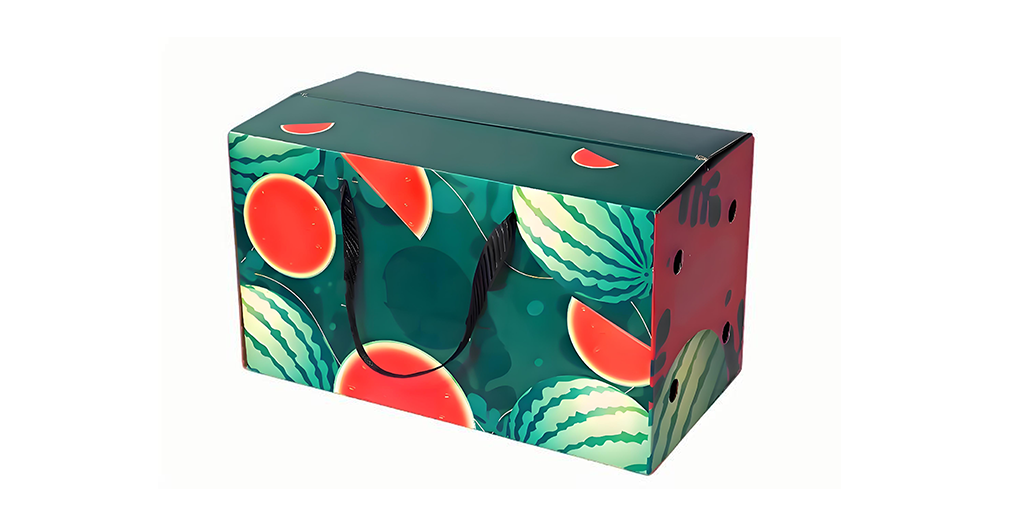
1.Handles and Die-Cut Openings: Adding handles to a box makes it easier to carry, while die-cut openings can create windows to showcase the product inside or allow for easy access.
2.Interior Printing: Printing on the inside of the box can create a surprising and delightful unboxing experience for customers. You can use interior printing to add a thank-you message, product information, or even a fun design element.
3.Special Coatings and Finishes: Applying a coating to the box can enhance its durability, water resistance, or appearance. Options include gloss coatings, matte coatings, and even anti-slip coatings.
Whether you need a few boxes for a small project or a large quantity for a business operation, finding the right supplier is essential. Here’s a guide to help you navigate the market and choose a supplier that meets your needs.
1.Local Box Manufacturers: Many cities and regions have local box manufacturers that produce flat top corrugated boxes in various sizes and styles. Working with a local manufacturer offers several advantages, including faster turnaround times, lower shipping costs, and the ability to build a personal relationship with your supplier. You can often find local box manufacturers through online directories or by searching for “corrugated box manufacturers near me.”
2.Online Packaging Suppliers: Numerous online retailers specialize in selling packaging materials, including flat top corrugated boxes. These suppliers offer
The future of the flat top corrugated box, often referred to as a Regular Slotted Container (RSC) or simply a standard shipping box, is bright and evolving, driven by several key trends and innovations. While the basic design might seem simple, the industry is constantly finding ways to improve its functionality, sustainability, and overall value. Here’s a look at what the future holds for the humble flat top corrugated box:
1. Enhanced Sustainability:
Increased Recycled Content: Manufacturers are incorporating higher percentages of post-consumer recycled content into their boxes, reducing the demand for virgin wood pulp. Expect to see even greater emphasis on using recycled fibers and alternative, sustainable sources like agricultural waste.
Optimized Material Usage: Through advanced engineering and design, boxes are becoming lighter and thinner without sacrificing strength. This “lightweighting” reduces material consumption, lowers transportation costs, and minimizes the environmental footprint.
Biodegradable and Compostable Options: Research is ongoing to develop coatings and treatments that make corrugated boxes fully biodegradable and compostable, even in home composting systems.
Circular Economy Initiatives: The industry is moving towards a circular economy model, where boxes are not just recycled but also reused and repurposed whenever possible. This includes innovative designs that allow for easy disassembly and reassembly.
2. E-commerce Driven Innovations:
Dimensional Weight Optimization: With shipping costs often based on dimensional weight (volume) rather than actual weight, there’s a strong push to design boxes that minimize empty space and fit products more precisely. This reduces shipping costs and minimizes the use of void fill materials.
Improved Protection for Fragile Items: E-commerce necessitates robust packaging to protect goods during transit. Expect to see advancements in box design, including reinforced corners, internal dividers, and integrated cushioning, to better protect fragile items.
Enhanced Security Features: Tamper-evident closures, security tapes, and innovative locking mechanisms are becoming more common to deter theft and ensure product integrity during shipping.
Branded and Personalized Packaging: Flat top boxes are no longer just brown containers. E-commerce brands are using high-quality printing, vibrant colors, and unique designs to create memorable unboxing experiences and enhance brand recognition.
3. Smart Packaging Integration:
Track and Trace Capabilities: RFID tags and QR codes are being integrated into boxes to enable real-time tracking of shipments, improve inventory management, and enhance supply chain visibility.
Temperature and Humidity Monitoring: For temperature-sensitive products like pharmaceuticals and food, sensors embedded in boxes can monitor and record temperature and humidity levels during transit, ensuring product quality and safety.
Interactive Experiences: Augmented reality (AR) and near-field communication (NFC) technologies are being used to create interactive packaging experiences, providing consumers with additional product information, usage instructions, or even promotional content.
4. Advanced Manufacturing and Automation:
Digital Printing Advancements: Digital printing allows for short-run customization and on-demand printing of boxes, enabling brands to quickly adapt to changing market demands and personalize packaging.
Robotics and Automation: Increased automation in box manufacturing leads to greater efficiency, reduced production costs, and faster turnaround times.
On-Demand Box Making: Compact, automated box-making machines are becoming more accessible, allowing businesses to create custom-sized boxes on demand, minimizing the need to stock a wide range of pre-made boxes.
5. Focus on Functionality and User Experience:
Easy-Open Designs: Frustration-free packaging is gaining popularity, with features like tear strips, perforations, and innovative opening mechanisms that make it easier for consumers to access their products.
Reusable and Repurposable Boxes: Some companies are designing boxes that can be easily reused for storage or repurposed for other uses, extending their lifespan and reducing waste.
Improved Ergonomics: For heavier items, boxes are being designed with features like reinforced handles and strategically placed handholds to improve ergonomics and make them easier to carry.
In conclusion, the flat top corrugated box is far from obsolete. Its future is characterized by a strong focus on sustainability, e-commerce driven innovation, integration of smart technologies, advanced manufacturing processes, and a commitment to improving functionality and user experience. While the basic shape may remain the same, the materials, design, and capabilities of these boxes will continue to evolve, making them an even more valuable and versatile packaging solution in the years to come. As a seasoned author in the packaging industry, I’m excited to witness and document these ongoing advancements.
You can leave any questions. We will see and answer you.