Zibo City, Shandong Province

Have Any Questions?

10 AM – 6 PM
Zibo City, Shandong Province
Have Any Questions?
10 AM – 6 PM

Have Any Questions?
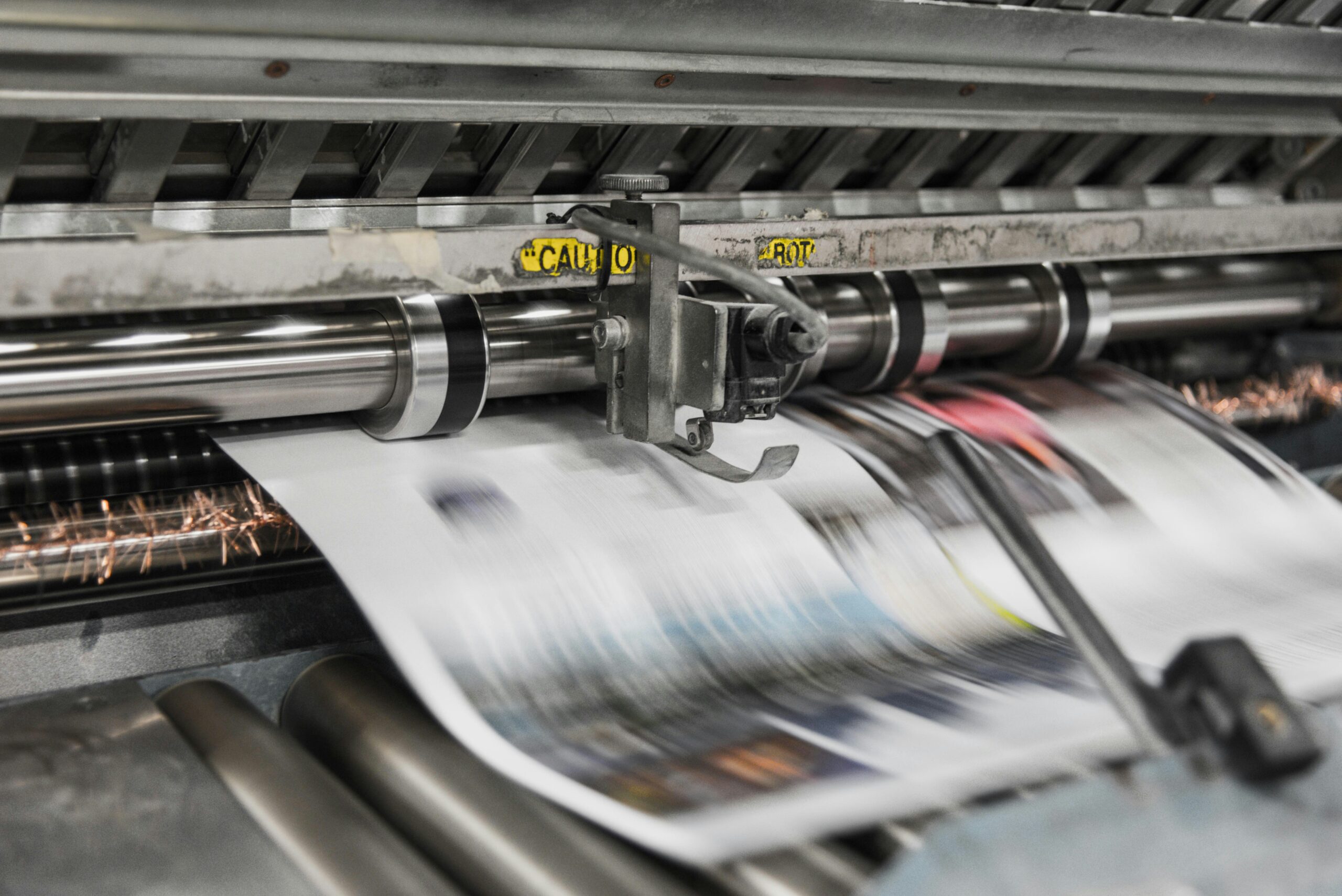

In my years of helping brands navigate the Chinese manufacturing landscape, I have witnessed a seismic shift. "Sustainability" is no longer just a buzzword; it is a baseline requirement. My clients used to ask about price first; now, they ask about carbon footprints and recyclability. However, sourcing sustainable packaging from China is fraught with challenges. Greenwashing is rampant. A supplier might claim a box is "biodegradable" when it simply breaks down into smaller microplastics.
To protect your brand and truly lower your environmental impact, you need a rigorous sourcing strategy. This guide is my playbook for finding genuine eco-friendly solutions. We will look at how to verify materials, which certifications actually matter, and how to balance moral responsibility with your bottom line.
The easiest win for sustainability is using what already exists. I always advise clients to request materials with high post-consumer recycled (PCR) content. However, verify this claim. Demand to see a Global Recycled Standard (GRS) 1 certificate. This standard tracks recycled materials through the supply chain, ensuring that the "recycled" claim is legitimate and not just marketing fluff.
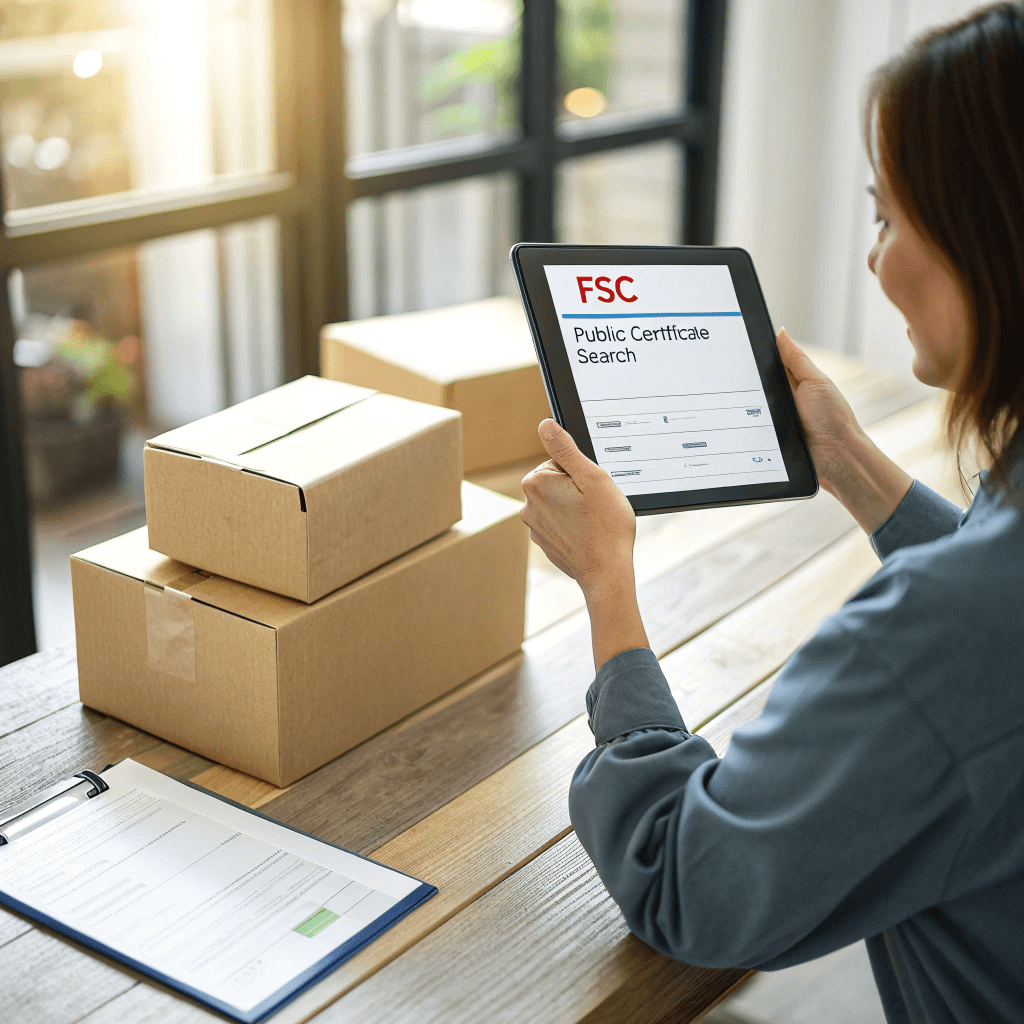
If you must use virgin fiber, it has to be responsible. The Forest Stewardship Council (FSC) 2 is the gold standard. An FSC label ensures the wood pulp comes from responsibly managed forests that provide environmental, social, and economic benefits.
For inner packaging like poly bags, move away from traditional plastics. Look for materials like PLA (polylactic acid) derived from cornstarch. However, be specific: ask for certifications regarding biodegradable and compostable plastics 3, such as EN 13432 or ASTM D6400. Without these, "biodegradable" often means nothing in a landfill environment.
A sustainable product should come from a sustainable factory. I look for suppliers who hold ISO 14001 4 certification. This international standard specifies requirements for an effective environmental management system (EMS). It proves the factory is actively measuring and improving its environmental impact, from waste management to energy consumption.
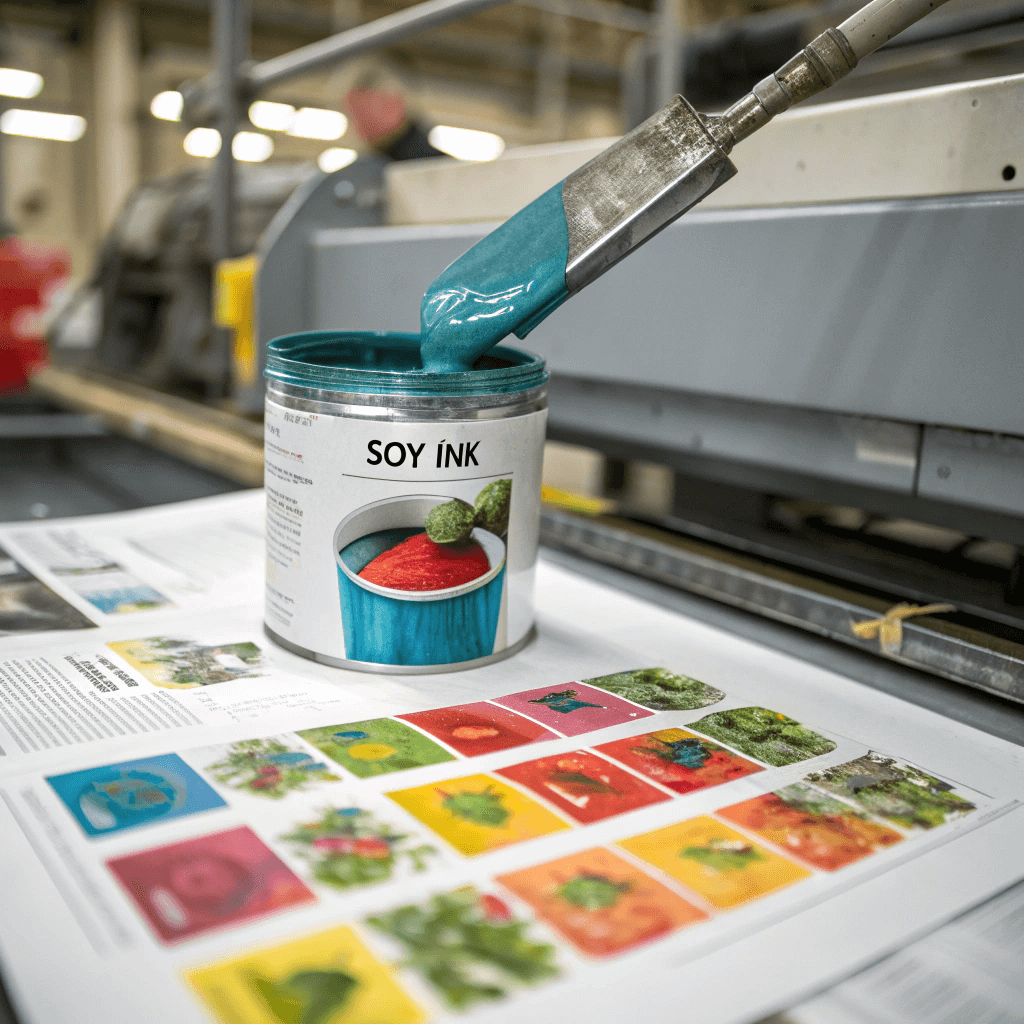
The substrate is only half the story. Traditional petroleum-based inks release high levels of Volatile Organic Compounds (VOCs). I strongly recommend specifying water-based or soy-based inks 5. They produce vibrant colors, are easier to remove during the recycling process, and are significantly less toxic to the environment.
Sustainability starts with design. Work with your supplier to "right-size" your packaging. The Sustainable Packaging Coalition 6 advocates for minimizing void fill and reducing material usage. A smaller box uses less paper and, crucially, allows you to fit more units on a pallet, reducing shipping emissions.
Does sustainable packaging cost more? Often, yes. But the gap is closing. While upfront unit costs might be 10-20% higher, you must weigh this against brand positioning. Studies show increased consumer willingness to pay 7 for sustainable products. Furthermore, optimizing the design to reduce weight can offset higher material costs through shipping savings.
Sourcing from China involves a long supply chain. To mitigate this, utilize consolidated shipping strategies. By maximizing container space, you reduce the carbon footprint of shipping 8 per unit. Also, ask your supplier about their own logistics—do they use electric vehicles or rail transport for inland shipping?
| Feature | Standard Option | Sustainable Alternative | Eco-Benefit |
|---|---|---|---|
| Paper | Virgin Pulp (Unknown Source) | FSC-Certified / Kraft | Protects forests / Recyclable |
| Plastic | PE / PP | PLA / PBAT (Compostable) | Reduces microplastics |
| Ink | Petroleum-Based | Soy / Algae-Based | Low VOCs, easier de-inking |
| Finish | Plastic Lamination | Aqueous Coating | Fully recyclable |
| Insert | Styrofoam (EPS) | Molded Pulp | Biodegradable |
The most dangerous trap in sustainable sourcing is assuming that "natural looking" means eco-friendly. Brown kraft paper is not automatically sustainable if it comes from an illegal logging operation.
Sourcing sustainable packaging is a journey, not a checkbox. It requires a commitment to transparency and a willingness to ask tough questions. By prioritizing certified materials, validating supplier claims, and optimizing your design, you can build a supply chain that respects the planet. This isn’t just good ethics; in today’s market, it is a competitive necessity that builds deep loyalty with your customers.
Can I request my packaging be made from recycled materials?
Yes. Most Chinese suppliers offer "greyboard" (rigid board) made from 100% recycled fiber. For folding cartons, ask for Kraft paper or specific recycled content percentages. Always request GRS certification to verify the recycled content claims.
What is FSC-certified paper, and can I verify the certification?
FSC (Forest Stewardship Council) certification ensures the wood pulp comes from responsibly managed forests. You can, and should, verify it. Ask the supplier for their FSC license code (e.g., FSC-C######) and enter it into the FSC public database to confirm it is valid and covers the products you are buying.
Are there biodegradable or compostable options available for my packaging?
Yes. For rigid items, molded pulp (made from sugarcane bagasse or recycled paper) is fully compostable. For flexible bags, look for PLA or PBAT materials. Ensure they are certified compostable (like BPI or OK Compost) so they actually break down in appropriate conditions.
Does using eco-friendly materials significantly increase my costs?
It depends. Recycled greyboard and Kraft paper are often comparable in price to standard materials. However, specialty compostable bioplastics or FSC-certified virgin paper can carry a premium of 10-25%. You can often offset this by redesigning the package to use less material overall.
1. Standards for tracking recycled content in products. ↩︎
2. The global standard for responsible forest management. ↩︎
3. Certification authority for compostable materials. ↩︎
4. International standard for environmental management systems. ↩︎
5. Benefits of using soy oil instead of petroleum in inks. ↩︎
6. Collaborative striving to advance sustainable packaging. ↩︎
7. Research on consumer demand for green packaging. ↩︎
8. Calculating the environmental impact of global logistics. ↩︎
9. An economic system aimed at eliminating waste. ↩︎
10. Database to verify valid FSC certificates. ↩︎
You can leave any questions. We will see and answer you.