Zibo City, Shandong Province

Have Any Questions?

10 AM – 6 PM
Zibo City, Shandong Province
Have Any Questions?
10 AM – 6 PM

Have Any Questions?
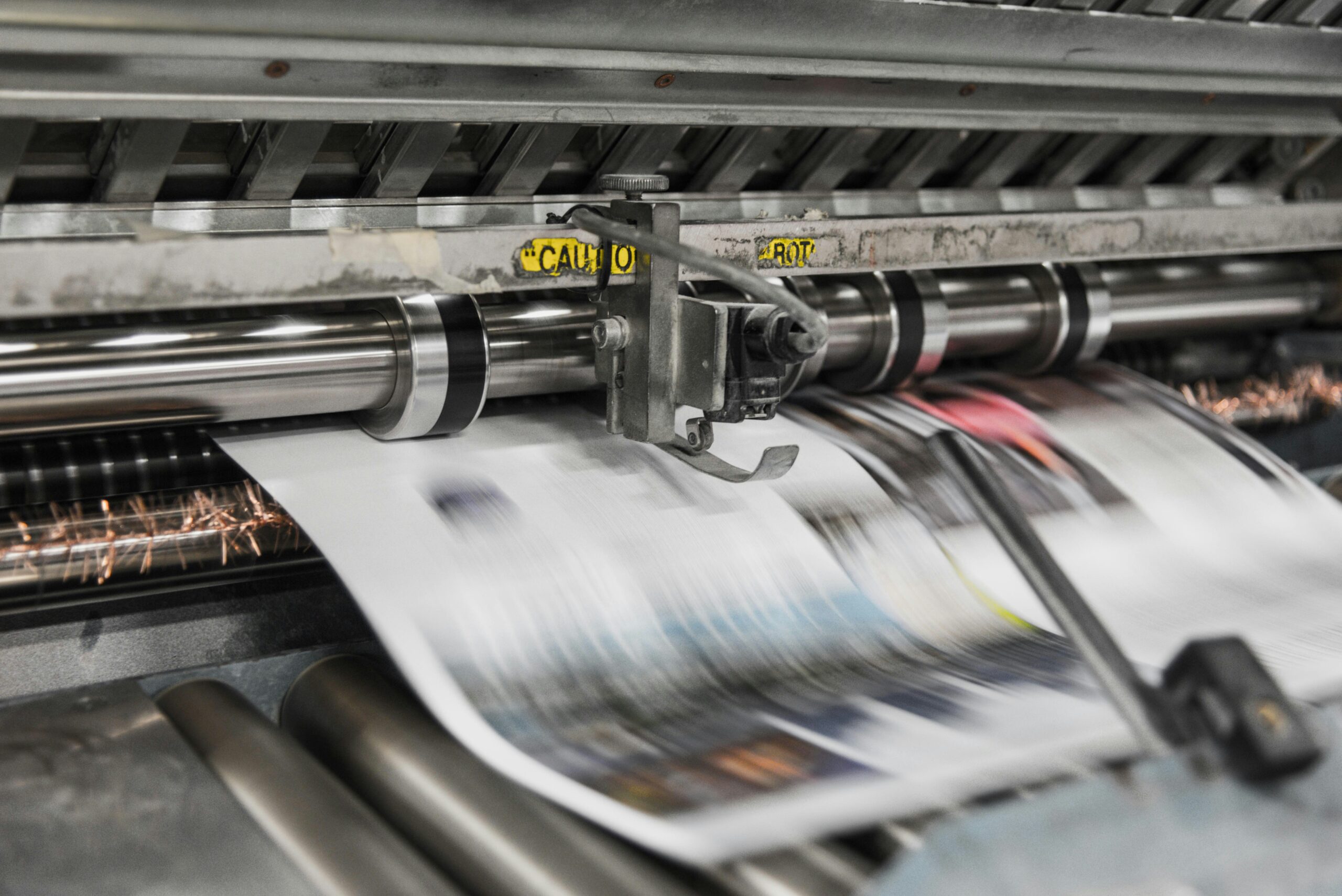

In my years of product development, I have seen a recurring tragedy: a brand spends months perfecting the artwork on a box, only to have it collapse under its own weight during the first shipment. It is a painful lesson. A beautiful package that fails structurally is not an asset; it is a liability. When sourcing from China, the distance makes this risk even higher. You cannot simply walk onto the factory floor to tweak a fold line.
If you suspect your design might have structural flaws—or if you just want to be safe—you need a validation strategy. This guide is my protocol for bridging the gap between a graphic designer’s vision and a structural engineer’s reality. We will explore how to leverage your supplier’s expertise, utilize digital modeling, and conduct rigorous physical testing to ensure your packaging is as tough as it is beautiful.
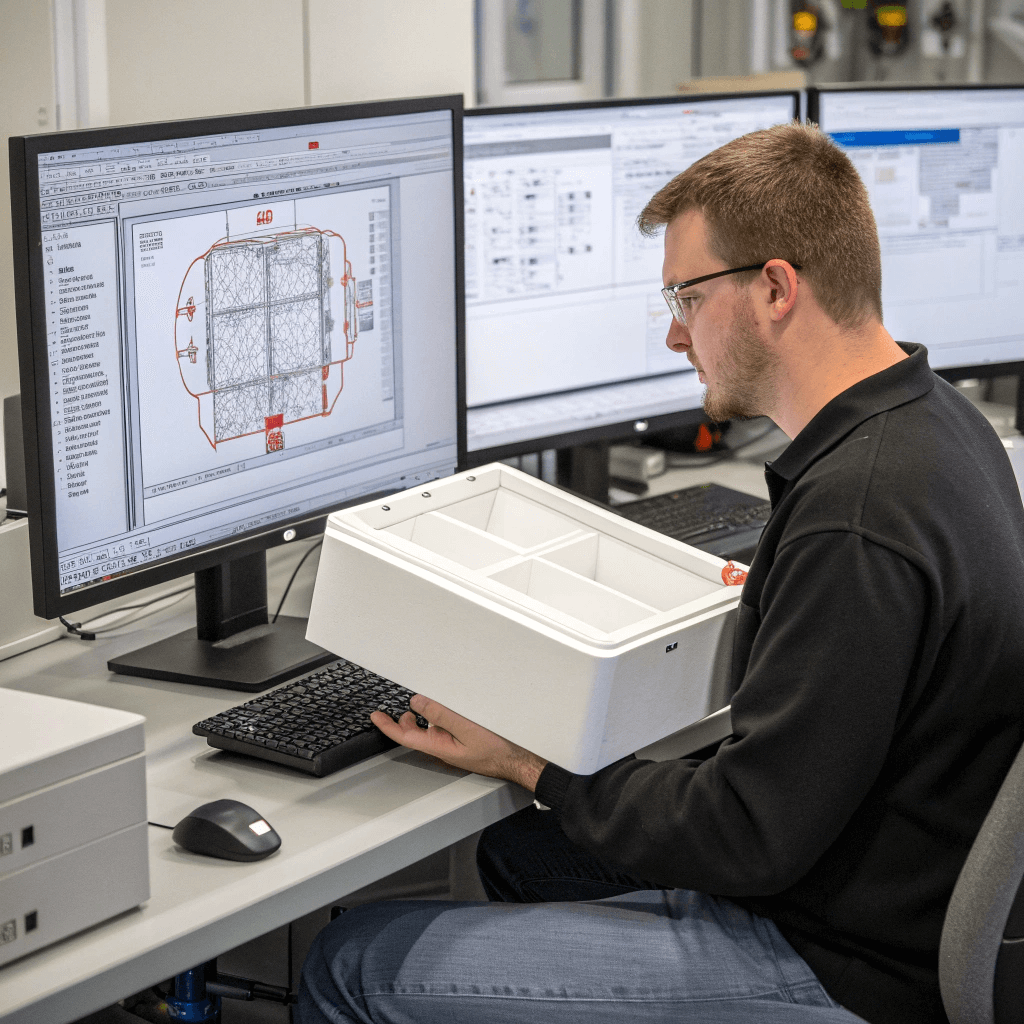
Don’t wait until the order is placed. Engage your supplier’s engineering team early for a Design for Manufacturability 1 (DFM) review. Ask them specifically: "Is this structure sound for mass production?" A good factory will identify weak glue points or impossible folds before a single sheet is cut.
Vague briefs lead to weak boxes. You must specify the expected product weight and the stacking height requirements. This data allows the factory to calculate the necessary Box Compression Test (BCT) 2 value. If they know the box must hold 5kg and stack 10 high, they can engineer the structure to survive that specific load.
Before cutting paper, use digital tools. Request that the factory create a Computer-Aided Design (CAD) 3 model. These 3D visualizations can reveal stress points, assembly clashes, and material weaknesses that 2D drawings hide. It is a low-cost way to fail fast and fix early.
Structure isn’t just shape; it’s substance. The direction of the paper fibers, known as grain direction 4, dramatically affects stiffness. I always ensure the grain runs perpendicular to the main fold lines to prevent cracking and maximize vertical strength. Ask your supplier to confirm the grain direction in the technical drawing.
If a box feels flimsy, it often lacks internal support. Consult with your supplier on adding reinforcement options like double-walled locking tabs, corrugated inserts, or structural adhesives. These hidden elements act as the skeleton of the box, absorbing shock and preventing crushing.
Never approve a design based on a screen. Request a "white sample"—an unprinted rapid prototype 5 made on a cutting table using the actual production material. Test it. Pack your product inside, shake it, and stack it. This physical comp is the only way to verify the "hand feel" and protective capability.
Rarely is the first prototype perfect. Adopt an iterative mindset. If the lid is too loose or the assembly is too slow, document these issues and request a V2 (Version 2) sample. Do not proceed to the mold-making stage until the structural sample is flawless.
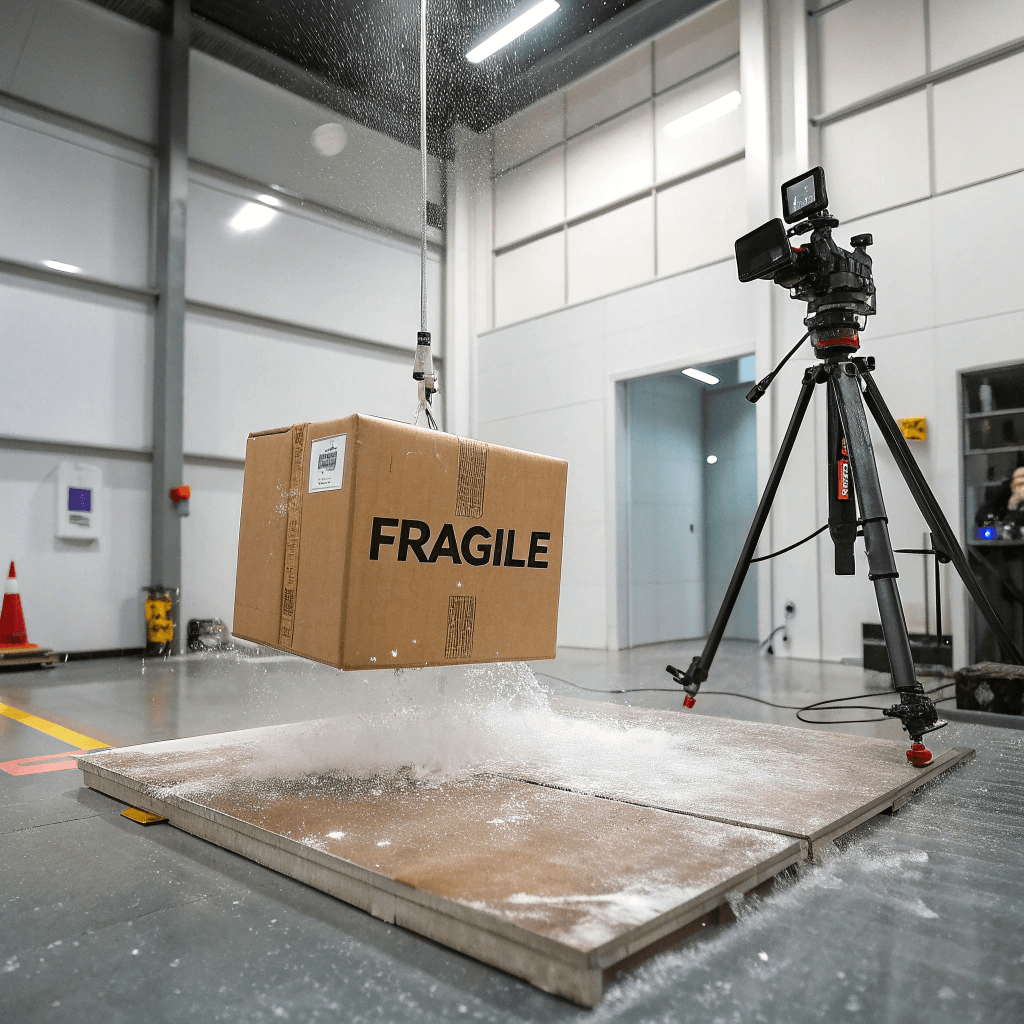
Your box must survive the journey. I recommend conducting drop tests and vibration tests based on ISTA standards 6. You can do a simplified version yourself: drop the packed box from 30 inches on a corner, an edge, and a flat face. If the product breaks, the structure fails.
Structure also impacts usability. Involve end-users to test the packaging ergonomics 7. Is it intuitive to open? Does the locking tab tear the box when pulled? Rectifying these handling problems ensures the customer’s first interaction is smooth, not frustrating.
The final exam is a pilot production 8 run. Produce a small batch (e.g., 100-500 units) to validate the structure on the actual assembly line. This catches issues that only appear at speed, such as glue drying times or automatic folding tolerances.
| Method | Cost | Speed | What It Validates |
|---|---|---|---|
| 3D Rendering | Low | Hours | Visual aesthetics, basic fit |
| White Sample | Low/Medium | Days | Physical fit, material feel, assembly |
| Drop Testing | Medium | Days | Protection, durability, shock absorption |
| Pilot Run | High | Weeks | Mass production viability, consistency |
Many buyers ask, "Will the supplier review my design automatically?" The answer is: usually, but don’t count on it. You must explicitly request a Structural Audit. Ask them to apply value engineering 9 principles—improving function while reducing cost.
Regarding costs, most reputable factories offer basic structural design tweaks and white samples for free if you are a serious prospect. However, for complex engineering or extensive 3D modeling, they may charge a design fee, which is often credited back against the bulk order. Always clarify this upfront.
Solving packaging structural problems is not about luck; it is about rigorous engineering and testing. By collaborating early, utilizing CAD tools, and physically abusing your prototypes through drop tests, you ensure your packaging can withstand the real world. Document every lesson learned and only sign off when you are confident. Remember, it is far cheaper to fix a digital file or a white sample than it is to replace a container load of crushed boxes.
Will my supplier’s engineering team automatically review my design for potential issues?
Not always. Some factories will simply print exactly what you send them to avoid liability. You must explicitly request a "Structural Design Review" or "DFM Check" to ensure their engineers analyze your file for weaknesses.
How can they help me improve my box design for better strength or easier assembly?
They can suggest changing the paper grain direction for stiffness, adding "dust flaps" for stability, or changing the locking mechanism to a "snap-lock" bottom for faster assembly. They know their machines best, so ask for their recommendations.
Is there a cost for this design optimization service?
Basic tweaks are usually free. However, if you need them to design a complex insert from scratch or create multiple iterations of 3D renderings, they may charge a sampling or engineering fee (typically $50-$200), which is often refundable upon placing a bulk order.
Can they create a 3D mockup or prototype to test the structure before making the mold?
Yes. Most modern factories use CAD cutting tables (like Kongsberg or Zünd machines) to cut a single "white sample" prototype without needing expensive production molds. This allows you to test the physical structure quickly and cheaply.
1. Principles of designing products for easy manufacturing. ↩︎
2. How to calculate the stacking strength of corrugated boxes. ↩︎
3. The role of CAD software in packaging development. ↩︎
4. Why paper grain direction matters for packaging strength. ↩︎
5. Technologies used for fast physical prototyping. ↩︎
6. International Safe Transit Association testing standards. ↩︎
7. Improving the user experience through ergonomic design. ↩︎
8. Small-scale production to test feasibility. ↩︎
9. Methodology for improving value and reducing cost. ↩︎
You can leave any questions. We will see and answer you.