Zibo City, Shandong Province

Have Any Questions?

10 AM – 6 PM
Zibo City, Shandong Province
Have Any Questions?
10 AM – 6 PM

Have Any Questions?
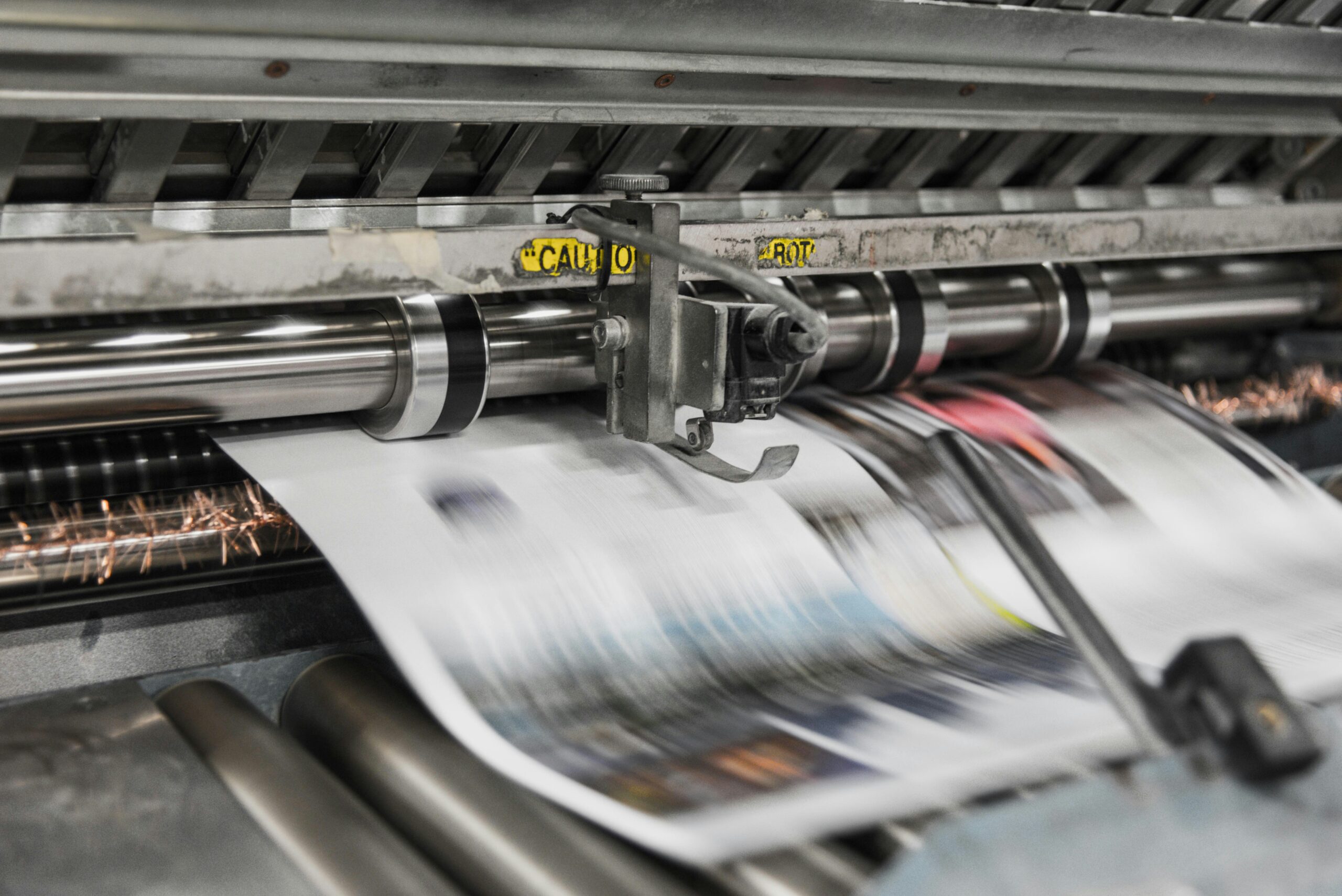

In my experience, the difference between "good" packaging and "great" packaging almost always comes down to the print quality. You can have a structurally perfect box, but if the colors are muddy, the text is blurry, or the finish is lackluster, your brand’s perceived value plummets instantly. When sourcing from China, you are presented with a dizzying array of printing options for custom packaging. But here is the secret: not every factory excels at every method.
Choosing between offset, digital, or flexographic printing isn’t just a technical decision; it’s a strategic one that impacts your budget, your timeline, and your brand identity. This guide is designed to cut through the technical jargon. I will walk you through the primary printing technologies available in China, explain exactly when to use each one, and share my personal protocols for ensuring your brand colors look exactly the way you designed them.
Offset printing 1 is the gold standard for high-quality, high-volume custom packaging. In this process, ink is transferred from a metal plate to a rubber blanket and then to the paper. If you see a premium retail box with crisp text and vibrant, solid colors, it was likely printed using offset.
Digital printing 2 works much like your office laser printer but on a massive industrial scale. It applies toner or liquid ink directly to the paperboard without the need for printing plates. I recommend this for startups or specific marketing campaigns where speed is more important than unit cost.
If you are sourcing corrugated boxes 3 (the standard brown shipping cartons), "Flexo" is the industry workhorse. It uses flexible relief plates, similar to a modern rubber stamp. While it lacks the high resolution of offset, it is incredibly efficient for simple branding on rough materials.
When you need bold, opaque colors on challenging surfaces, screen printing 4 is my go-to recommendation. This technique pushes ink through a mesh stencil, laying down a very thick layer of ink. It is particularly effective for printing light colors onto dark paper stocks or textured materials where other inks might fade.
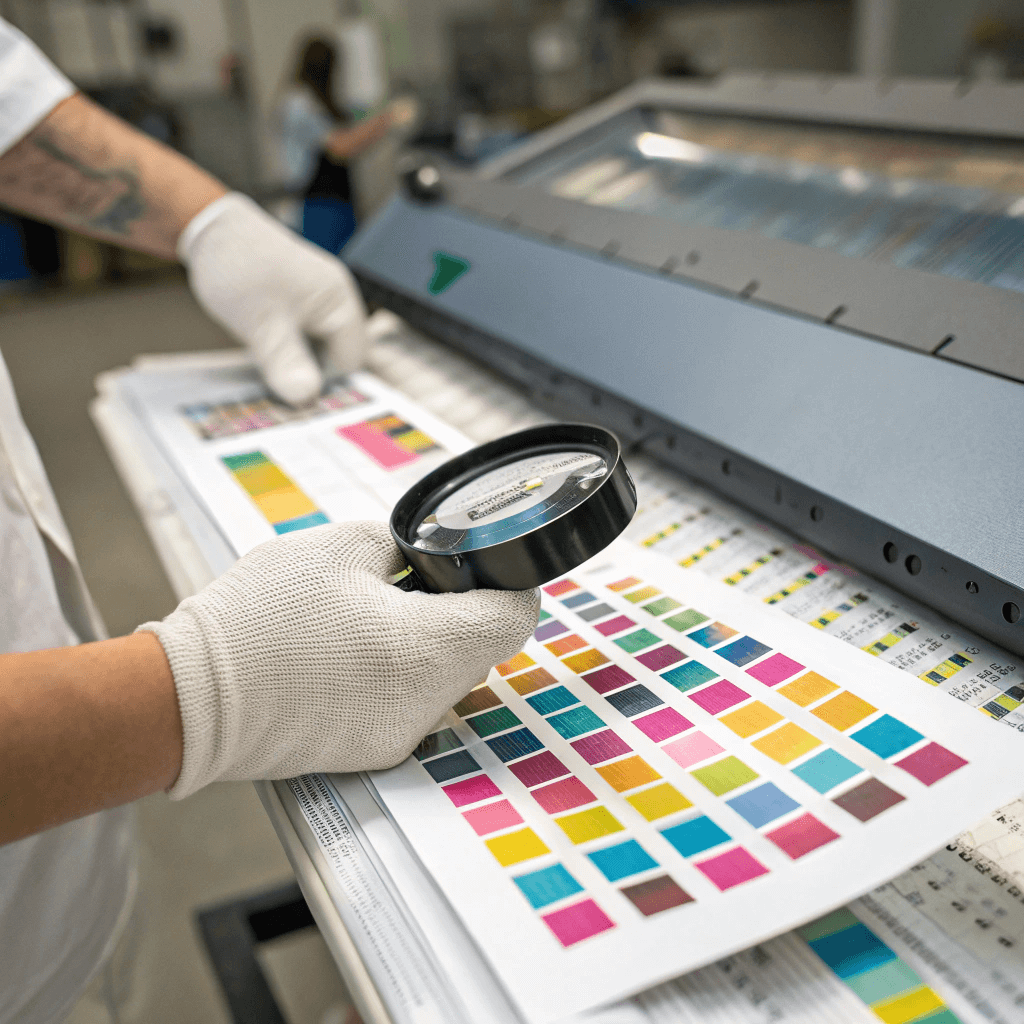
Understanding the difference between color modes is critical for brand consistency. Most packaging uses CMYK process 5 (Cyan, Magenta, Yellow, Key/Black), which mixes dots of four colors to create images. However, for logos, I always insist on the Pantone Matching System 6 (PMS). PMS uses pre-mixed inks to ensure your "Coca-Cola Red" looks exactly the same in China as it does in the US.
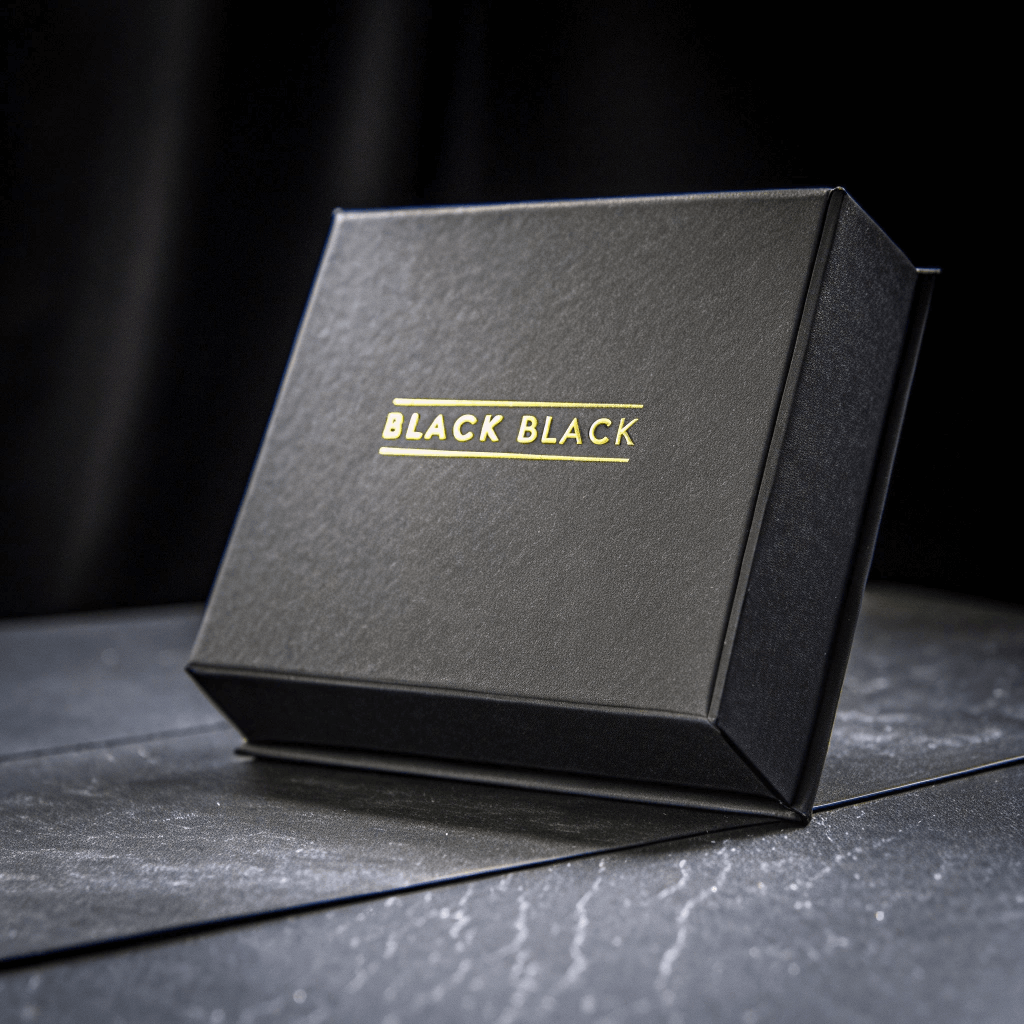
Printing is just the beginning. Post-print finishes are what give luxury packaging its "wow" factor. Techniques like foil stamping 7 use heat and pressure to apply metallic foil to the paper, creating a reflective, upscale look that ink simply cannot achieve.
Sustainability is no longer a trend; it’s a requirement. I am seeing a massive shift towards sustainable packaging 8 solutions, including the inks used. Many Chinese suppliers now offer soy-based or water-based inks that reduce Volatile Organic Compounds (VOCs) compared to traditional petroleum-based inks.
If you need the strength of a corrugated box but the high-quality graphics of a cosmetic carton, "Litho-Lam" is the answer. This involves offset printing onto a high-quality liner sheet, which is then laminated (glued) onto the corrugated flute.
Beyond visual appeal, coatings serve a functional purpose. Soft-touch coating 9 has become incredibly popular; it adds a velvety, rubberized texture to the box that screams "premium." Other coatings like anti-scratch matte are essential for protecting dark-colored packaging during transit.
Finally, the shape of your print canvas matters. Custom die-cutting 10 uses a steel rule die to cut the paperboard into unique shapes, create fold lines, or cut out windows. Adding a plastic (or cellulose) window allows customers to see the product inside, which can increase trust and sales.
| Feature | Offset Printing | Digital Printing | Flexo Printing |
|---|---|---|---|
| Best For | High volume, retail quality | Prototypes, short runs | Shipping cartons |
| Setup Cost | High (Plates required) | None | Medium (Flexible plates) |
| Unit Cost | Low (at high volume) | High (constant) | Very Low |
| Quality | Excellent, crisp | Good, evolving | Functional, lower res |
| Color Match | Excellent (PMS) | Good (CMYK simulation) | Fair (limited palette) |
| Min Order | Typically 1,000+ | 1+ | 500+ |
The biggest fear when printing overseas is opening a container to find 10,000 boxes in the wrong shade of blue. To prevent this, I never rely on screen visuals. Monitors are calibrated differently. Instead, I mandate a Press Proof. This is a physical sample printed on the actual machine and paper that will be used for mass production.
If a full press proof is too expensive (it requires setting up the offset plates), at minimum, request a "GMG proof" or a calibrated digital proof that simulates the final output. Furthermore, always send physical references to your supplier. If you have a brochure or a previous box that has the perfect color, mail it to the factory in China. They can use their spectrometers to match that physical target far better than they can match a digital file.
Navigating the world of custom packaging printing requires balancing your budget, your timeline, and your brand standards. Whether you choose the agility of digital printing for a pilot run or the scalability of offset for a global launch, the key is to be specific. By defining your color standards (PMS), requesting the right finishes, and verifying quality through physical proofs, you can leverage China’s manufacturing power to create packaging that truly elevates your product.
What is the difference between offset and digital printing for my boxes?
Offset uses plates to transfer ink and is best for high volumes and precise Pantone matching. Digital uses toner/inkjet, requires no plates, and is best for short runs and quick turnarounds but has a higher per-unit cost.
Which printing method is more cost-effective for my order quantity?
If you need fewer than 500 boxes, digital is usually cheaper because there are no setup fees. If you need more than 1,000 boxes, offset becomes significantly cheaper per unit because the setup cost is spread over many items.
Can my supplier handle complex designs with multiple PMS colors?
Yes, most professional packaging factories in China have 5 or 6-color Heidelberg presses that can print CMYK plus 1 or 2 Pantone spot colors in a single pass. Always confirm their specific machinery capabilities during your audit.
How can I ensure my brand’s colors will be printed accurately?
Never rely on your computer screen. Specify Pantone (PMS) codes for all critical brand colors. Request a physical "wet proof" (printed on the actual press) or a high-quality calibrated digital proof before mass production begins.
1. A detailed overview of the offset lithography printing process. ↩︎
2. Insights into digital printing technology and its applications. ↩︎
3. Information on the recyclability and structure of corrugated boxes. ↩︎
4. The leading trade association for specialty imaging and screen printing. ↩︎
5. A guide to the CMYK color model for print design. ↩︎
6. The global standard for color communication and matching. ↩︎
7. Resources and standards for foil stamping and embossing. ↩︎
8. An organization dedicated to sustainable packaging solutions. ↩︎
9. Explaining the tactile benefits of soft-touch coatings. ↩︎
10. A breakdown of the die-cutting process in packaging. ↩︎
You can leave any questions. We will see and answer you.