Zibo City, Shandong Province

Have You Any Quires ?

10 PM – 6 PM
Zibo City, Shandong Province
Have You Any Quires ?
10 PM – 6 PM

Have You Any Quires ?
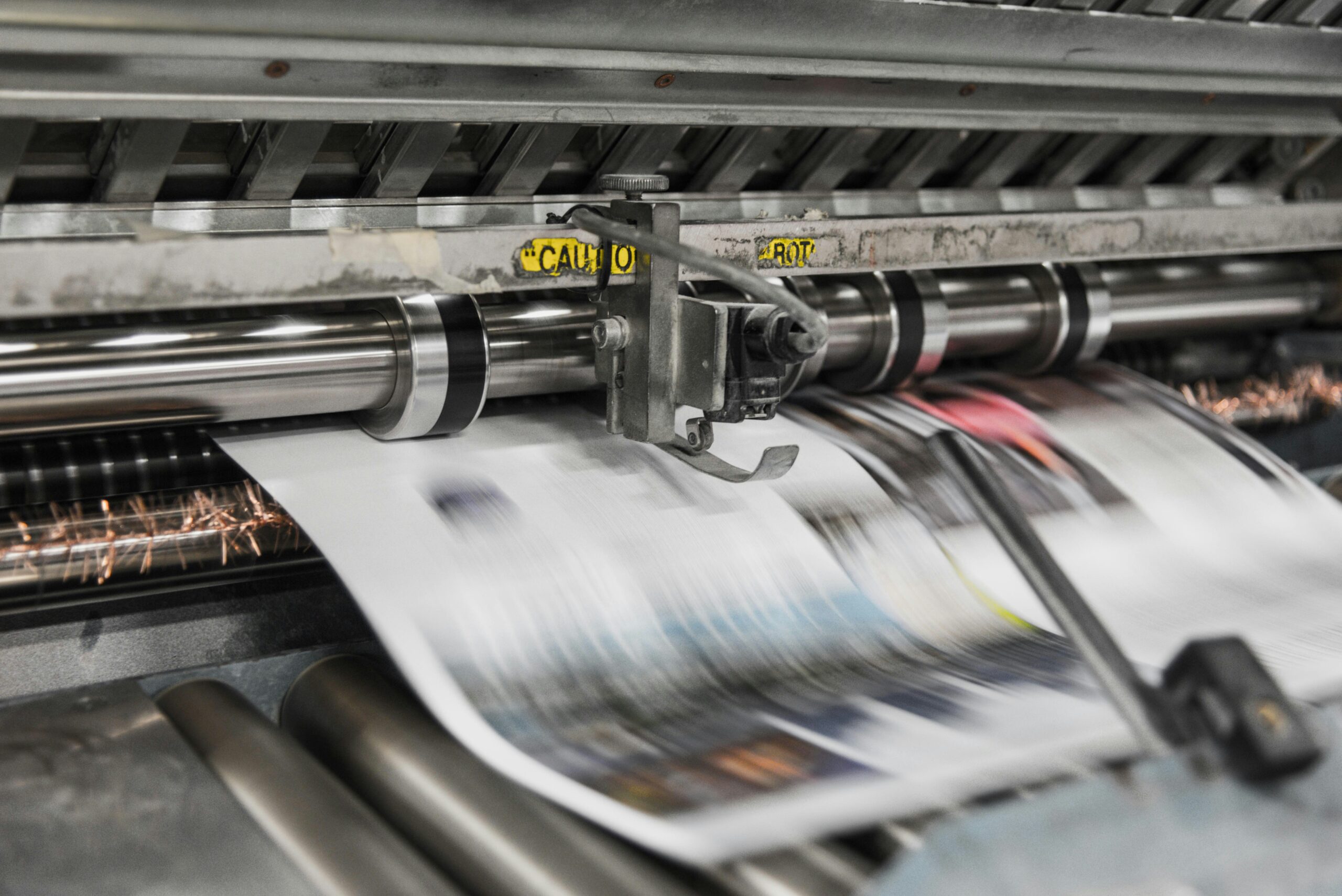

In my years of managing supply chains, I have witnessed a phenomenon that keeps importers awake at night: "Quality Fade." The first order arrives, and it is perfect. The second order is okay. By the third order, the paper feels thinner, the print is slightly blurry, and the glue is peeling. Why does this happen? Because in manufacturing, entropy is real. Without constant vigilance, standards naturally degrade as factories try to cut costs or speed up production.
maintaining packaging quality consistency is not about trusting your supplier; it is about engineering a system where deviation is impossible. It requires moving from subjective feelings ("this looks wrong") to objective data ("this board is 20gsm lighter than spec"). This guide is my protocol for locking in quality. I will show you how to use Golden Samples, AQL standards, and rigorous contracts to ensure that your tenth order looks exactly as premium as your first.

Consistency starts with definition. You cannot hold a factory accountable to a standard you haven’t written down. I create a detailed Tech Pack 1 for every SKU. This document lists the exact paper grammage (e.g., 350gsm), the specific paper brand, the Pantone ink codes, and the glue type. This is your legal definition of the product.
A spec sheet is theory; the sample is reality. You must approve a Golden Sample 2. This is the perfect version of your box. I require three signed copies: one for me, one for the factory manager, and one for the QC inspector. During production, workers should physically compare the new boxes against this master reference to ensure packaging quality consistency.
How many defects are too many? You must define this using Acceptable Quality Limit (AQL) 3 standards. I typically set AQL 0 for critical defects (safety), 2.5 for major defects (function), and 4.0 for minor defects (cosmetics). By keeping these numbers static across every order, you create a consistent pass/fail bar that the factory must jump over every time.
Don’t let the inspector improvise. Provide a standardized QC checklist 4 that must be used for every order. It should list specific checks: "Barcode scan test," "Rub test for logo," "Assembly fit test." Using the same checklist ensures that Order #5 is judged by the exact same criteria as Order #1.
The most common cause of quality fade is the factory swapping materials for cheaper alternatives. To prevent this, I require material traceability 5. The factory must prove they purchased the paper from the approved mill. I also instruct inspectors to weigh the material and measure the thickness with calipers to ensure no "lightweighting" has occurred.
Consistency isn’t just about materials; it’s about the machine settings. Ask your factory to document their standard operating procedures (SOPs) 6 for your product. This includes printing press speeds, glue temperatures, and die-cutting pressures. If they run your job the same way every time, the result will be the same.
Never get complacent. Even if the last five orders were perfect, you must conduct a pre-shipment inspection 7 on the sixth. The moment you stop inspecting, the factory assumes you stopped caring. Regular inspections are the only way to catch issues before they leave the factory floor.
I keep a spreadsheet of inspection results over time. If I see the defect rate creep from 0.5% to 1.5% to 2.0%, that is "drift." It signals that the factory’s tooling is wearing out or their discipline is slipping. Statistical Process Control (SPC) 8 allows you to catch this trend and correct it before it becomes a failure.
Make it expensive to cheat. My manufacturing agreements 9 state clearly: "Any unauthorized change to materials or processes will result in an automatic rejection of the shipment and a requirement to rework at the supplier’s expense." This aligns their financial incentives with your quality goals.
Over time, even the Golden Sample can fade or get damaged. Once a year, I conduct a re-validation. We produce a fresh set of samples, compare them to the original specs, and sign them off as the new benchmark 10 for the coming year. This resets the standard and reminds the factory that quality is an ongoing commitment.

| Feature | Ad-Hoc Approach (Risky) | Systematic Approach (Safe) |
|---|---|---|
| Reference | "Make it like last time" | Signed Golden Sample & Tech Pack |
| Inspection | Occasional / Random | Every Batch / AQL Standard |
| Materials | Factory choice | Specified & Verified |
| Defects | Subjective opinion | Defined Classification |
| Result | Quality Fade | Packaging Quality Consistency |
The "Bait and Switch" is when a factory sends a perfect sample (made by their best engineers) but ships a mediocre product (made by the night shift). To stop this, you must link your payments to performance. Never pay the final balance until the inspection report confirms that the mass production matches the Golden Sample. If you find they changed the glue without asking, hold the payment. Your money is your loudest voice.
Achieving packaging quality consistency is a discipline. It requires you to be rigid about standards but collaborative about solutions. By locking in your specs, inspecting every batch, and tracking the data, you build a firewall against quality fade. You ensure that your brand’s reputation is protected, order after order, year after year.
How can I ensure the quality of my packaging is consistent from one order to the next?
You ensure consistency by establishing a Golden Sample and a detailed QC Checklist. Use these two tools to inspect every single shipment before it leaves the factory. Never rely on the factory’s internal checks alone.
How do you maintain quality standards with the factory for my repeat orders?
I maintain standards by tracking defect rates over time. If I see a specific defect (like crushed corners) increasing, I require the factory to implement a Corrective Action Plan (CAP) to fix the root cause before the next run.
Is the same quality control process followed every single time?
It should be. You must insist that the same AQL standard and the same inspection checklist are used for every order. If you change inspectors, ensure the new inspector has the original Golden Sample and checklist.
What happens if the factory changes materials or processes without telling me?
This is a breach of contract. You should reject the shipment and demand they remake it using the correct materials. This is why having a "No Unauthorized Changes" clause in your contract is vital.
How can I lock in the specifications to prevent "quality fade" over time?
Lock them in by attaching the Tech Pack and Material Specs to every Purchase Order. Make the factory re-confirm the specs for every reorder. Regular third-party inspections are the enforcement mechanism that prevents the fade.
1. Guide to creating comprehensive Tech Packs for manufacturing. ↩︎
2. The role of the Golden Sample in quality assurance. ↩︎
3. Understanding AQL tables for product sampling. ↩︎
4. How to build an effective quality control checklist. ↩︎
5. The importance of traceability in the supply chain. ↩︎
6. Creating Standard Operating Procedures for consistency. ↩︎
7. Overview of Pre-Shipment Inspection (PSI) services. ↩︎
8. Using Statistical Process Control to monitor quality trends. ↩︎
9. Key clauses to include in a manufacturing agreement. ↩︎
10. Steps for benchmarking performance in business. ↩︎
You can leave any questions. We will see and answer you.