Zibo City, Shandong Province

Have You Any Quires ?

10 PM – 6 PM
Zibo City, Shandong Province
Have You Any Quires ?
10 PM – 6 PM

Have You Any Quires ?

In the logistics world, there is a saying: "Shipping air is the most expensive cargo." In my experience auditing supply chains, I have seen companies waste thousands of dollars per container simply because their master cartons were poorly sized or their palletization strategy was inefficient. A gap of just 2 centimeters in a master carton might seem negligible, but when multiplied by 5,000 cartons, it can mean the difference between fitting your order into one container or needing a second one.
Customizing how your products are packed is not just about protection; it is a financial strategy. By optimizing your master carton dimensions and choosing between floor-loading and palletizing, you can drastically reduce your freight cost per unit. This guide is my protocol for container optimization. I will explain the math behind "cartonization," compare the pros and cons of pallets versus floor-loading, and show you how to squeeze every ounce of value out of your shipping container.

The first step is to look at the master carton itself. Does it fit the inner boxes tightly, or is there void space? I always analyze the dimensions (L x W x H) to ensure they are divisible by the container’s internal dimensions. Optimizing the carton size to fit perfectly across the width of a standard 20′ or 40′ container can increase cube utilization 1 by 10-15%.
This involves calculating the optimal number of selling units per master carton. Should it be a pack of 12, 24, or 50? By adjusting the unit count, you change the outer dimensions of the master carton. I use "cartonization algorithms" 2 to test different configurations to see which one yields the highest fill rate for the container without making the box too heavy for a worker to lift.
Floor-loading means stacking cartons directly on the container floor, floor-to-ceiling, without pallets.
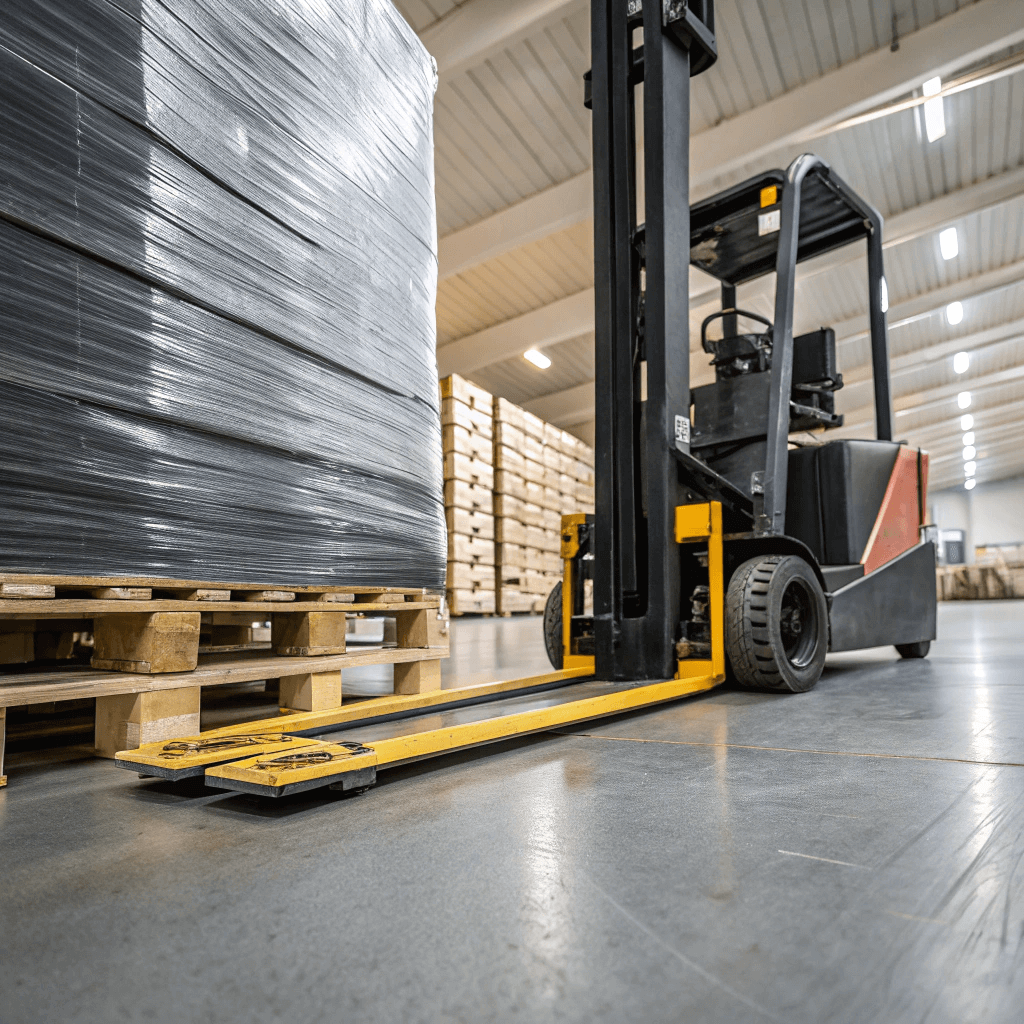
Palletization involves strapping cartons onto wooden or plastic pallets before loading.

Don’t guess; calculate. I recommend using 3D load planning software (like Cape Pack or LoadExpert). You input your box dimensions and the container size, and the software runs thousands of simulations to find the perfect stacking pattern 3 (e.g., interlocking vs. column stack) to maximize space utilization.
You must respect the limits. A 20′ container hits its weight limit (approx. 21,000 kg) long before it fills up with heavy items like liquids or metal. Conversely, it fills up with volume before weight for things like pillows. Your packing strategy must align with these constraints to avoid overweight surcharges 4 or wasted space.
If you floor-load to the ceiling, the bottom box must support the weight of 8 or 9 boxes above it. You must specify a high Box Compression Test (BCT) value for your master cartons. If the cardboard is too weak, the bottom layer will crush, causing the stack to collapse and creating a nightmare at the receiving warehouse.
If you want the volume of floor-loading but the speed of forklifts, consider slip sheets. These are thin sheets of plastic or heavy cardstock that sit under the cargo. Specialized forklifts (with push-pull attachments) 5 can grab the sheet and pull the load. They take up almost zero vertical space compared to a wooden pallet.
Saving money on ocean freight is great, but not if you spend it all on unloading labor. Floor-loading saves freight but increases "lumping" (unloading) fees at the US warehouse. You must calculate the Total Landed Cost: (Freight Savings) – (Extra Unloading Cost) = True Savings.
A common strategy I use for clients is to floor-load the export container to maximize the ocean leg (the most expensive part). Then, upon arrival at the destination port or 3PL 6, the goods are immediately palletized for domestic trucking. This captures the volume savings of the long haul while ensuring safe domestic transport.
| Feature | Floor-Loading | Palletizing |
|---|---|---|
| Container Utilization | High (90-95%) | Medium (75-85%) |
| Freight Cost per Unit | Lowest | Higher |
| Loading/Unloading Time | Slow (Manual) | Fast (Forklift) |
| Labor Cost (Unloading) | High | Low |
| Damage Risk | Moderate (if not blocked) | Low (Strapped & Wrapped) |
| Best For | High volume, light goods | Heavy, fragile, high labor cost areas |
To get the best packing plan, you need to challenge your supplier. Don’t just accept their standard pack.
Customizing your product packing is a powerful lever for cost reduction. It requires a holistic view that balances ocean freight savings against warehouse labor costs and product safety. By optimizing your master carton size, utilizing load planning software, and making a data-driven decision between floor-loading and pallets, you can significantly reduce your shipping spend. Remember, every inch of space in that container is real estate you have paid for—make sure you are using it.
Can I customize the way my products are packed to save on shipping costs?
Yes, absolutely. You can adjust the number of units per master carton, the orientation of the boxes, and the choice of palletizing vs. floor-loading. These adjustments can increase the number of units per container, lowering your per-unit shipping cost.
How can optimizing the master carton size reduce my freight volume?
By "right-sizing" the master carton to fit the container’s internal dimensions (2.35m width), you minimize gaps. Also, ensuring the master carton fits the inner boxes tightly eliminates "shipping air" inside the box itself.
Can you calculate the best way to pack my boxes to maximize container space?
Yes. You should use Container Loading Software 7 (or ask your freight forwarder to do it). You input your carton dimensions and weight, and the software generates a 3D load plan showing the optimal stacking pattern to maximize CBM utilization.
Is it possible to ship without pallets to fit more cartons in a container?
Yes, this is called Floor-Loading. It is very common for consumer goods. By removing the pallets (which take up space and height), you can typically fit 15% to 20% more goods in the container.
What are the pros and cons of floor-loading a container versus using pallets?
1. Strategies for maximizing space utilization in logistics. ↩︎
2. How algorithms optimize carton packing and shipping. ↩︎
3. Best practices for stacking and loading shipping containers. ↩︎
4. Understanding overweight surcharges in ocean freight. ↩︎
5. Equipment for handling slip sheets without pallets. ↩︎
6. Definition and role of Third-Party Logistics providers. ↩︎
7. Tools for planning and optimizing container loads. ↩︎
You can leave any questions. We will see and answer you.