Zibo City, Shandong Province

Have You Any Quires ?

10 PM – 6 PM
Zibo City, Shandong Province
Have You Any Quires ?
10 PM – 6 PM

Have You Any Quires ?
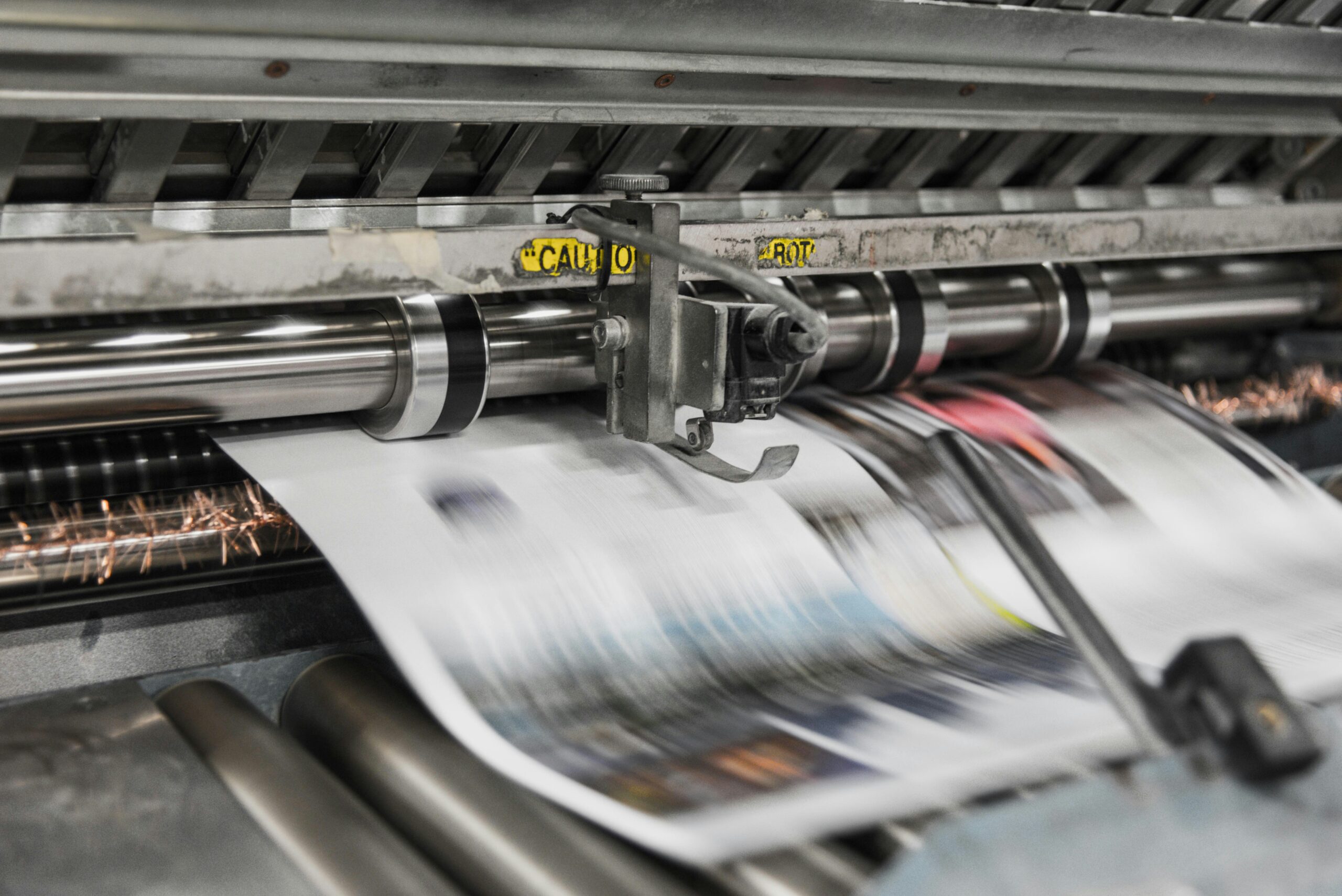

For high-volume wineries and Direct-to-Consumer (DTC) fulfillment centers, selecting a wine box insert is not merely a branding choice; it is a calculation of Total Cost of Ownership (TCO). The debate between Molded Pulp and Expanded Polystyrene (EPS) foam centers on a critical trade-off: thermal insulation and maximum shock absorption versus warehouse efficiency and environmental compliance.
In modern wine logistics, the "better" solution is defined by the shipping route, the value of the vintage, and the storage capacity of the fulfillment center.

Choosing the right barrier: Eco-friendly molded pulp (left) offers excellent nesting for warehouses, while EPS foam (right) provides superior thermal insulation for long-haul wine transit.
In high-volume parcel environments, breakage is the primary driver of revenue loss. Both materials are designed to meet the industry-standard "0.5-inch immobilization rule," ensuring the bottle cannot shift significantly within the outer corrugated box.
EPS foam is widely accepted as the superior material for absolute shock attenuation. Because foam contains approximately 98% air trapped in a closed-cell structure, it provides a "deceleration" effect during high-velocity drops that molded pulp cannot fully replicate.
Molded pulp, engineered from recycled paper fibers, provides rigid structural support. While it has a lower "cushioning stroke" than foam, it excels at immobilizing bottles and preventing glass-on-glass vibration.
Wine is a biologically active product. Temperature fluctuations during transit can lead to "cooked" wine or pushed corks.
For high-volume operations, the physical footprint of the packaging material is a hidden cost.
| Feature | Molded Pulp Inserts | EPS Foam Shippers |
|---|---|---|
| Storage (Nesting) | Excellent. Pulp trays nest into each other, requiring up to 70% less warehouse space. | Poor. Foam is bulky and does not nest; it requires massive storage footprints. |
| Assembly Speed | Medium. Requires folding or double-tray placement. | Fast. Usually a simple top/bottom clamshell or drop-in. |
| Inbound Freight | Lower. More units fit per pallet, reducing inbound shipping costs. | Higher. You are essentially paying to ship "air" to your facility. |
Procurement Insight: If warehouse square footage is at a premium, molded pulp is almost always the more economical choice due to its nesting capability.
Whether choosing pulp or foam, the outer wine box must be calibrated to these standard industry configurations to optimize pallet utilization:
Note: Always verify height clearance for "Tapered" or "Hock" bottles, which may exceed the 12-inch height limit of standard shippers.
The decision between pulp and foam should be based on a Transit Risk Profile:
For wineries committed to Eco-Branding but requiring higher protection, the industry is increasingly moving toward Heavy-Duty Corrugated Inserts with reinforced paper-based cushioning—a 100% recyclable alternative that bridges the gap between pulp and foam.
You can leave any questions. We will see and answer you.