Zibo City, Shandong Province

Have Any Questions?

10 AM – 6 PM
Zibo City, Shandong Province
Have Any Questions?
10 AM – 6 PM

Have Any Questions?
FOHO supplies custom printed corrugated boxes for brands, distributors and procurement teams, engineered for product protection, printing, packing operations and freight efficiency.
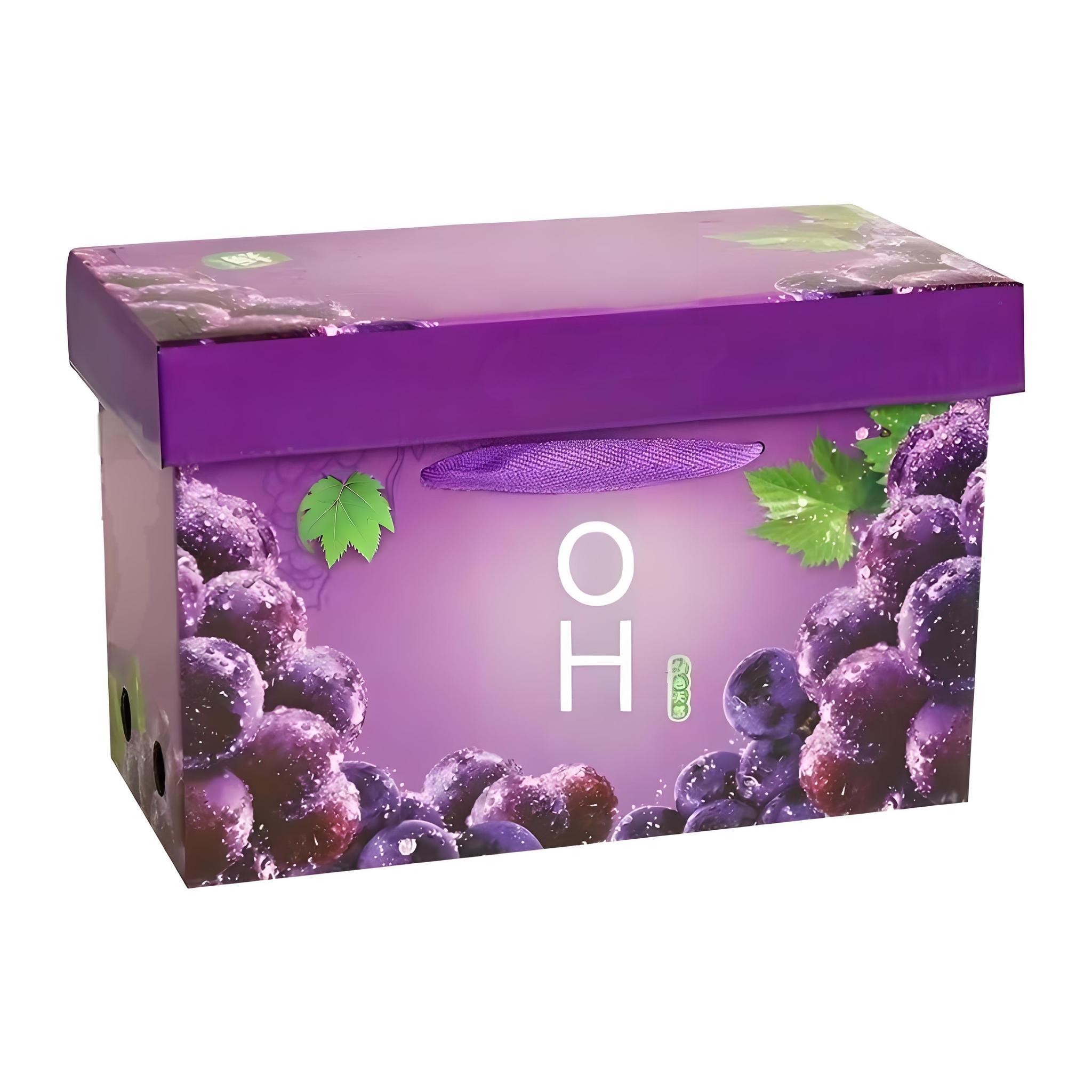
A useful corrugated specification starts with the packed product and the distribution route. The box can then be developed around the required internal dimensions, closure and opening method, board construction, print area, handling features and packing process. Depending on the application, the specification may include die-cut panels, inserts or dividers, hand holes, perforations, tear-open features and retail display elements.
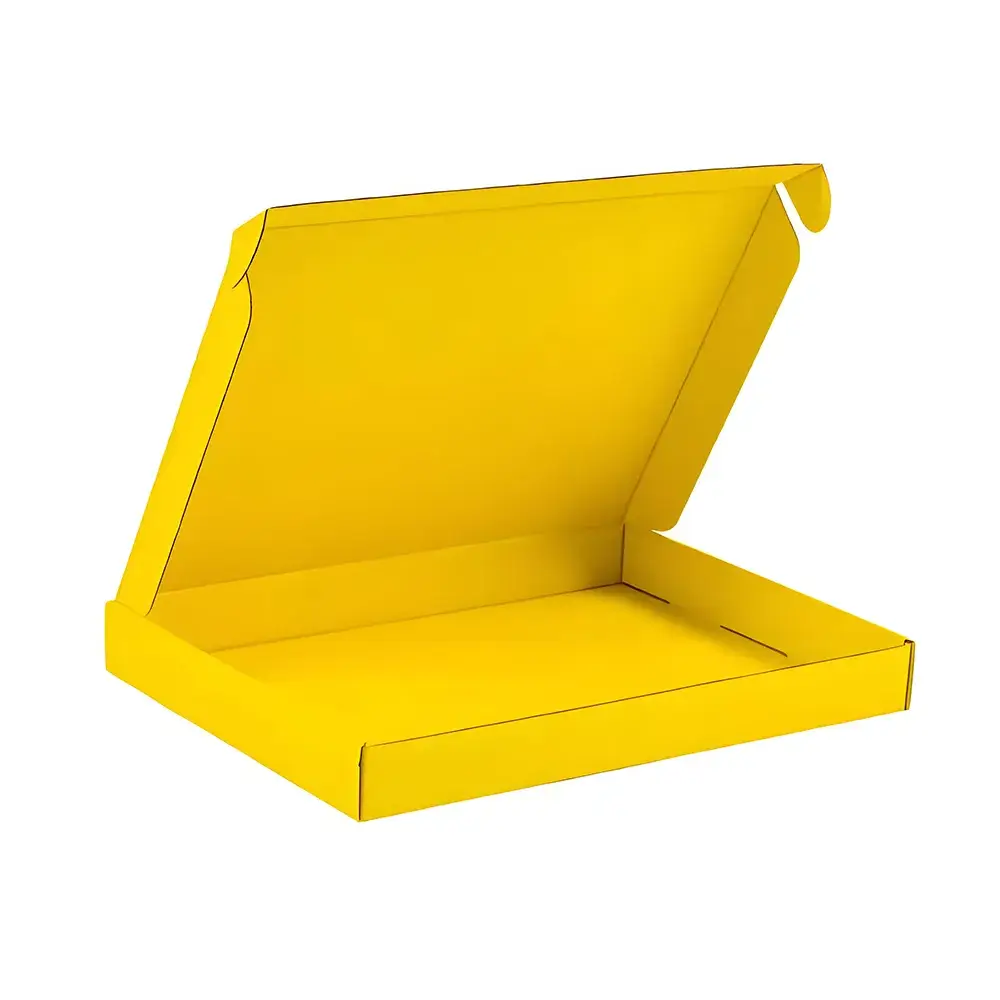
The same artwork can behave very differently on different box structures. A transit carton is normally specified first for protection and stacking. A mailer also needs a controlled opening experience. Retail-ready and shelf-ready packaging must move through distribution while allowing efficient shelf replenishment. PDQ and display boxes combine transport, opening and presentation functions in one structure.
| Structure | Typical buyer priority | Print and engineering focus |
|---|---|---|
| Shipping boxes | Protection, stacking and efficient packing | Board construction, closures, handling marks and readable branding |
| Mailer boxes | Secure delivery and controlled unboxing | Die-cut fit, closure, interior presentation and exterior print |
| Retail packaging | Product presentation and shelf communication | Graphic quality, opening features and product visibility |
| Retail-ready / shelf-ready packaging | Distribution protection plus fast shelf replenishment | Tear-away panels, pack quantity, shelf footprint and print orientation |
| PDQ and display boxes | Transport-to-display performance | Display stability, header or tray design and customer-facing graphics |
Direct flexographic printing applies ink to the corrugated surface and is often the practical route when the design uses clear logos, product information, handling graphics or bold areas of color. Water-based flexographic printing can support branded transit and retail-ready packaging while keeping the print process closely connected to corrugated conversion.
Higher-graphic laminated printing uses a separately printed sheet laminated to corrugated board. It may be considered when the brief requires fine imagery, fine imagery or a smoother retail-facing graphic finish, or a smoother graphic surface. The additional production stages should be evaluated against graphic expectations, quantity, structure and cost.
Neither route is automatically the correct choice. Buyers should provide artwork, viewing distance, color references, barcode requirements, expected handling and the required finish. FOHO can then review whether the graphics and structural specification are compatible before the quotation is finalized.
Flute choice is an engineering decision, not a simple “thicker is stronger” comparison. Product weight, unsupported spans, stacking pattern, humidity exposure, handling, print expectations and the complete board combination all influence performance. FOHO reviews the flute together with box style and distribution requirements.
| Board option | Decision considerations |
|---|---|
| E flute | A compact profile and relatively smooth print surface for smaller packs, mailers and retail applications where space and presentation matter. |
| B flute | A commonly considered balance of cushioning, rigidity, conversion and printability for shipping and retail-ready structures. |
| C flute | Considered where cushioning and carton depth are important, subject to the full board specification and loading requirement. |
| Double-wall | Used when the distribution environment, stacking or product load requires a more robust construction. It should be specified from performance requirements rather than appearance alone. |
For an overview of corrugated construction and material terminology, see FOHO’s corrugated cardboard page.
A quotation is more useful when it is based on the packed product and logistics route rather than an outside box size alone. Send as much of the following information as is available:
Printed corrugated packaging should be checked against the agreed drawing, artwork and performance requirements. Relevant inspection categories can include finished dimensions, score and die-cut position, closure and assembly, print registration, color consistency, barcode readability, board condition, glue or joint quality, and the specified compression or strength requirement. The exact checks depend on the box and its intended use; numerical limits should be agreed before production rather than assumed.
Unit price is only one part of landed packaging cost. Outside dimensions affect pallet pattern and container utilization. Board construction affects blank size, packed bundle dimensions and handling. Units per carton influence packing labor and the number of shipping cartons required. Oversized packaging may also increase void space, pallet count and freight exposure.
FOHO’s engineering review can compare the box dimensions, board construction, pack quantity and transport plan together. The objective is to avoid solving one issue—such as appearance—while creating another in packing, stacking or freight.
Provide the product size and weight, units per box, required carton dimensions, structure or application, artwork or print brief, quantity, destination and shipping method. A sample, drawing or dieline is also useful when available.
Yes. The dimensions should be developed from the product fit, required clearance, inserts, packing method and logistics constraints. State whether dimensions are internal or external when requesting a quotation.
The choice depends on the product load, box dimensions, stacking, handling, print requirement and distribution environment. E, B, C and double-wall constructions each address different combinations of these factors; the complete board specification matters more than flute thickness alone.
Yes, but the print brief is different. Shipping cartons often prioritize identification and clear branding, while retail-ready and display packaging may require more shopper-facing graphics. The print route should be selected around the artwork and application.
Direct flexo is often suitable for logos, text, handling information and bold graphics on corrugated board. A laminated print route may be considered for finer imagery or a smoother retail graphic surface. FOHO should review the artwork, structure, quantity and visual standard before confirming the route.
Inserts and dividers can be considered when the product needs separation, positioning or additional support. Provide product dimensions, weight, orientation and handling risks so the internal structure can be reviewed with the outer carton.
Send the size, structure or application, printing requirement, quantity and destination. Include product and pallet information when freight efficiency is part of the brief.
You can leave any questions. We will see and answer you.