Rigid Box Calculation Made Easy: Guide for Packaging
admin
Are you finding rigid box calculations challenging? Do you want to ensure your packaging is perfectly sized and cost-effective? This comprehensive guide will show you a simple, step-by-step method to calculate rigid box dimensions, helping you save money, enhance your brand, and reduce waste. Read on to master this essential skill for perfect packaging.
Accurate calculations for rigid boxes are more than just a matter of getting the dimensions right; they are essential for various aspects of your business, affecting both costs and your brand image. Let’s look at why this step is so important.
Cost Savings in Packaging MaterialsWhen you accurately calculate the dimensions for your rigid boxes, you minimize the risk of using too much or too little material. Overestimating can lead to wasted resources, which translates to higher material costs. Underestimating, on the other hand, could result in boxes that are too small and cannot fit your products, making them unusable. Precise calculation prevents wastage and directly reduces your overall packaging expenses. Using the correct measurements means that you are getting the most out of your packaging materials.
Enhancing Your Brand Image with the Right FitThe fit of your packaging matters a lot to your brand’s image. A well-fitting rigid box showcases professionalism and attention to detail. Packaging that is too big or too small looks unprofessional and can damage the product during transit. When your packaging fits your product perfectly, it creates a great first impression, showing that your brand cares about quality. This helps build trust and confidence in your brand.
Reducing Waste with Precise MeasurementsThe world is increasingly focused on sustainability, and accurate calculations for your rigid boxes play a crucial role. Using the correct calculations ensures that you are not wasting materials. By cutting down on excessive material use, you reduce the overall environmental impact of your packaging. Also, correctly sized boxes reduce the need for additional packaging materials, like fillers or wrapping. This is beneficial not only for the environment but also for your bottom line. Making sure you are using recyclable materials is also important.
Understanding the Basics: What is a Rigid Box?
Before we dive into calculations, let’s understand what exactly a rigid box is and why they’re a popular choice in the packaging industry.
Key Features of Rigid BoxesRigid boxes, often referred to as setup boxes, are known for their robust and sturdy construction. Unlike folding cartons, rigid boxes are not shipped flat and are usually pre-assembled. They are made from thick paperboard or cardboard, which makes them very durable. This construction makes them ideal for luxury and high-value products. Their strength and durability are key features that make them a popular choice for premium packaging.
The Benefits of Using Rigid Boxes for ProductsThe advantages of using rigid boxes are numerous. Their superior strength offers better protection for your products during storage and transportation. The high-quality material used gives your packaging a premium feel, which can significantly enhance your brand image. Rigid boxes also provide excellent opportunities for customization, making them ideal for brands looking to create a unique packaging design. These benefits make them a popular choice for best packaging for many high-end products.
Where Are Rigid Boxes Most Commonly Used?Rigid boxes are widely used for various products across many industries. They are often used for luxury goods, such as jewelry, high-end cosmetics, and electronics. They are also a preferred choice for gift items and promotional products due to their high-quality feel. In the food and beverage industry, rigid boxes are used for premium products such as chocolates, specialty teas, and wines. The versatility of rigid boxes makes them a great choice for various packaging needs.
Step-by-Step Guide to Calculating Rigid Box Dimensions
Now, let’s dive into the practical side of things. Calculating the dimensions of your rigid boxes may seem complicated, but with a systematic approach, it is simple and straightforward. Here is a step-by-step guide:
Measuring Your Product CorrectlyThe first step in calculating rigid box dimensions is to accurately measure your product. Use a ruler or measuring tape to get the length, width, and height of your product. Be sure to measure the product at its widest, longest, and highest points. Record the exact measurements to ensure precise calculations. Accurate product measurements are the foundation for making the right box.
Calculating Internal Dimensions of the Rigid Box
Length, Width, and HeightAfter measuring your product, you need to determine the internal dimensions of the rigid box. To do this, add a bit of extra space to each dimension for padding. For example, if your product is 10 inches long, 8 inches wide, and 3 inches high, add a 1/4 inch or 1/2 inch of padding for each side. So, the internal dimensions of your box might be 10.5 inches long, 8.5 inches wide, and 3.5 inches high. Remember that extra space might depend on the type of product that will be packaged and how much padding is required. Always round up to the nearest 1/8th of an inch for precision.
Calculating External DimensionsThe external dimensions of the rigid box are usually a bit larger than the internal dimensions because of the thickness of the cardboard or paperboard being used. You’ll need to add twice the thickness of the material used for each side (length, width, and height). Let’s say you are using a cardboard that is 1/8th of an inch thick. You would add 1/4 inch for the length and width. For height, only one layer is added, making it an 1/8 of an inch bigger than your internal dimension. The external dimensions become essential when you are planning your packaging and design because they will determine how your packaging looks on the shelf and during transportation.
What is The Ideal Packaging style for Rigid boxes?
The design of your rigid box packaging is as crucial as its dimensions. The right packaging style can make a product stand out and create an unforgettable experience for your customers.
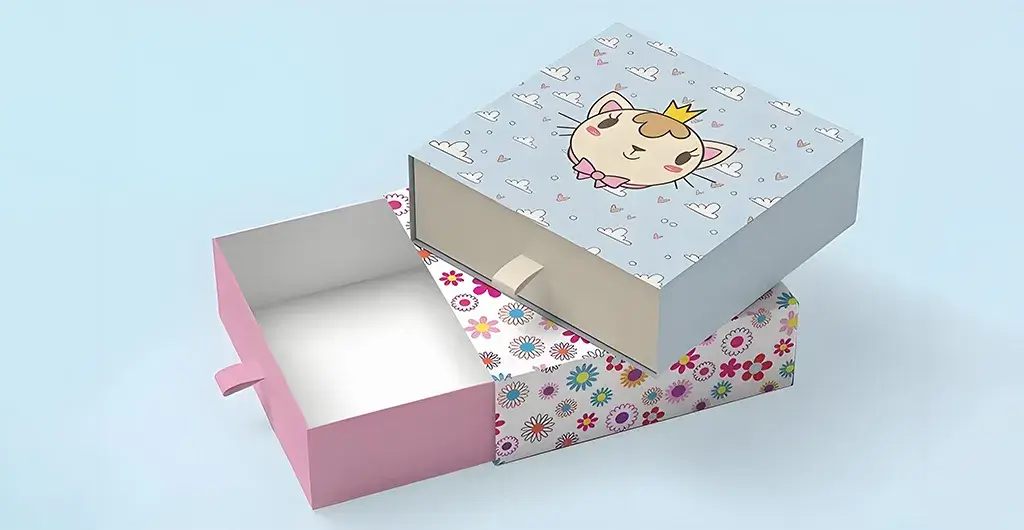
Different Styles of Rigid Box packagingThere are various styles of rigid box packaging, each with unique features. For example, a hinged lid box is a good choice for luxury goods because of its presentation and protective capabilities. A magnetic closure box can add a premium feel. A telescoping box design is useful for heavier products, while a tray and sleeve style offers an elegant way to showcase products. Choosing the right style that fits your brand and product is key to making a strong impact on customers.
How to Match Your Rigid Box Design To Your BrandYour rigid box design should not only be functional but also reflective of your brand. Use colors, fonts, and graphic elements that are consistent with your brand’s style. Consider adding your logo for brand recognition and visual appeal. You can use embossing, debossing, or foil stamping to give your packaging a luxurious feel. The key is to create a design that enhances the unboxing experience and leaves a lasting impression on your customers.
Choosing the Right Packaging Materials for Rigid Boxes
Selecting the appropriate packaging materials is crucial. It impacts the durability of the box, its aesthetic, and its environmental footprint.
Considering Recyclable OptionsIn today’s world, using recyclable materials is more important than ever. Opting for recycled or recyclable cardboard, paper, or paperboard helps you reduce your impact on the environment and also caters to environmentally conscious consumers. This will also help reduce cost over time, as it also uses less resources. Using materials that can be easily recycled or composted will promote sustainable packaging and create a positive impact on your brand.
Selecting Durable Packaging MaterialsThe durability of the packaging material depends on the nature of your product and the conditions it will be stored and transported under. For heavy or fragile items, it is essential to choose thicker cardboard and sturdy paperboard options. This helps your rigid box packaging offer maximum protection. Choosing the right materials will also prevent damage during transportation and handling.
How Materials Impact CostThe choice of materials directly impacts the cost of your rigid boxes. While high-end materials like premium paperboard offer a luxurious feel, they also come at a higher price. Recycled materials are cost-effective and eco-friendly. Consider balancing the need for quality and sustainability with your budget.
How to Customize Your Rigid Boxes
Customization is key to making your rigid box packaging truly unique and a representation of your brand.
Printing and LabelingPrinting and labeling play a crucial role in the overall appearance of your rigid boxes. You can use high-quality printing to incorporate your brand logo, colors, and other graphic elements. The use of UV printing, embossing, and foil stamping can add an extra layer of sophistication to your packaging. Labels can provide important product information as well as enhance brand recognition.
Choosing the Right Colors and FontsColor and font choices have a major impact on the way your rigid box packaging is perceived. Use your brand’s color palette to create a consistent look. Choose fonts that are easy to read and reflect your brand’s personality. The right combination of colors and fonts can help capture attention and communicate your brand’s message effectively.
Branding Your Packaging DesignIntegrating your brand into your packaging design is critical for creating a strong brand identity. Every element of your packaging, from materials to colors and font styles, should complement your brand and create a consistent experience for your customers. This consistent branding across your packaging and products can help strengthen customer recognition.
Start Designing Your Rigid Box Today
Now that you know the importance of rigid box calculations and understand the different elements of packaging design, it is time to start creating the perfect packaging for your products. Getting the design process started is key to ensuring a successful product launch or rebrand.
Packaging Solutions for Every Product
No matter what you are selling, FoHo Packaging has the perfect packaging solution for you. We understand that every product is unique, and that is why we offer a wide variety of options to fit your needs.
Different Shapes and SizesWhether you need small rigid boxes for jewelry or large ones for electronics, we offer a broad range of shapes and sizes. We can also customize your packaging to meet your specific requirements, which is essential for ensuring your products are protected and displayed well. You can also get various packaging style to help your brand stand out.
Matching Your Packaging to Product TypeThe type of product should influence your choice of rigid box. Delicate items will need more protective packaging, while sturdy items might need fewer supports. At FoHo packaging, we offer custom packaging options that consider your specific product needs, helping you to create an ideal packaging solution.
Request a Quote for Custom Packaging
Ready to get started on creating the perfect packaging for your product? Contact us today to request a quote for our best custom services. Our experienced team is here to help you create the ideal rigid box that meets your requirements. We offer competitive pricing and high-quality packaging solutions.
Frequently Asked Questions About Rigid Box Calculations
Let’s address some common questions about rigid box calculation to help clear up any remaining concerns.
Q: Why do I need to add extra space when calculating rigid box dimensions? A: Adding extra space is crucial to make sure your product fits perfectly and to also allow for any extra materials such as padding. This prevents damage and also makes packing your product easier.
Q: How do I measure an irregular-shaped item for rigid boxes? A: For irregular-shaped items, measure the product at its widest, longest, and highest points. Make sure you account for any unusual curves or angles that could affect the fit within the box. Always add some extra space for the padding.
Q: What type of packaging materials are recommended for rigid boxes? A: The materials you use for rigid boxes depend on the kind of products you are packing. Recycled and recyclable cardboard or paperboard are the best options for those who are eco-conscious and also to cut costs. You can use more durable materials for heavy or fragile products to ensure maximum protection.
Q: How can I ensure my rigid box design aligns with my brand? A: Make sure all your packaging design elements like colors, fonts, and graphics reflect your brand’s identity. Incorporate your brand logo, taglines, and imagery into the packaging to reinforce your brand identity. Consistent brand style across all packaging helps enhance customer recognition.
Q: Can FoHo Packaging assist with custom packaging design for rigid boxes? A: Absolutely! FoHo Packaging offers custom design services to help you create the ideal packaging solution for your products. Our team can guide you through material selection, design options, and printing. Contact us today to see how we can help.
Here are a few internal links to our other blog content and related pages that might be of use to our customers: