Zibo City, Shandong Province

Have You Any Quires ?

10 PM – 6 PM
Zibo City, Shandong Province
Have You Any Quires ?
10 PM – 6 PM

Have You Any Quires ?
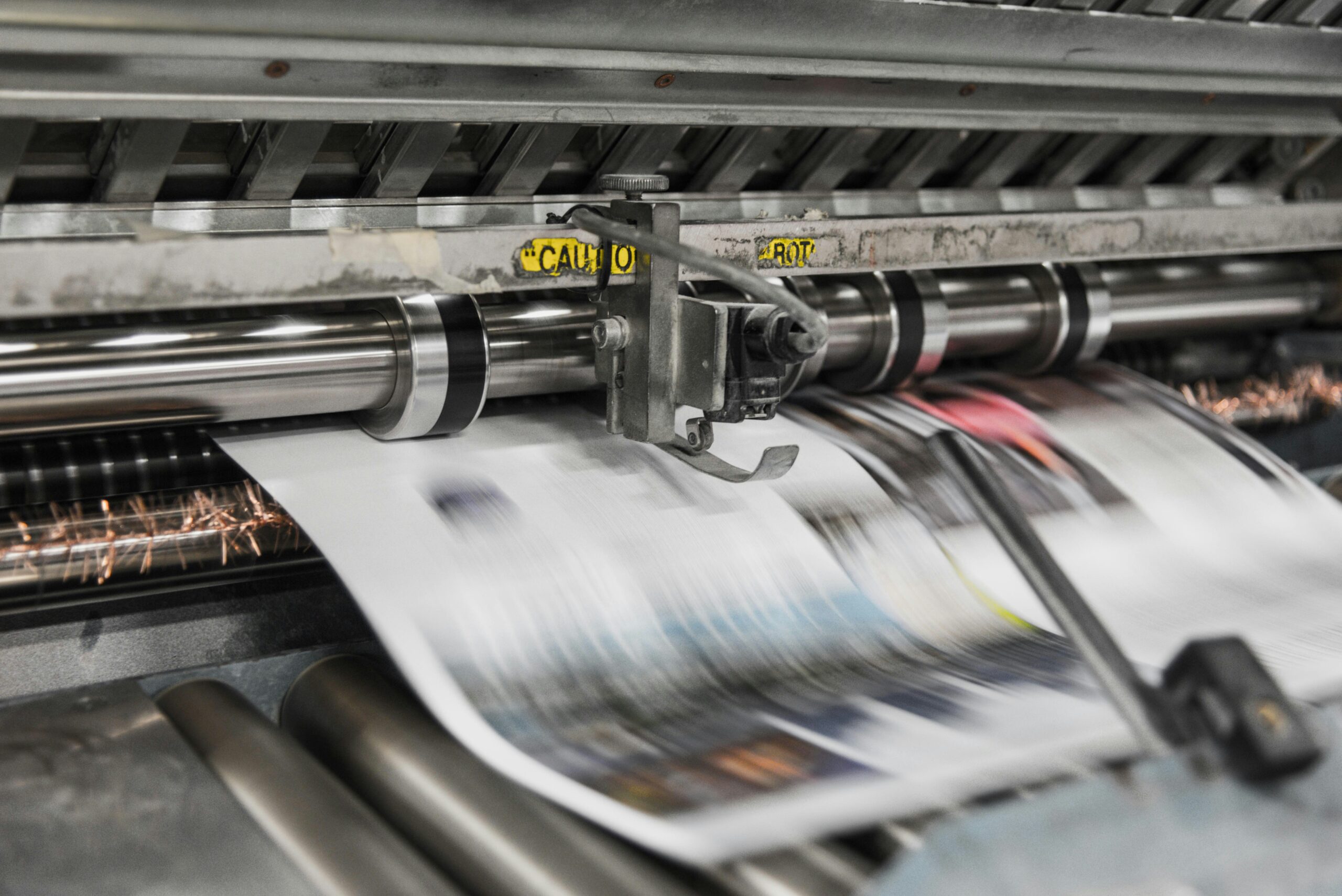

Choosing the right packaging is crucial for any business. Rigid boxes offer premium protection and presentation, but understanding their external dimensions is essential for success. This article will explain in simple terms why knowing these measurements is vital for protecting your products, saving money on shipping, optimizing storage, and enhancing your brand image. Learn how mastering rigid box external dimensions can transform your packaging strategy and ensure customer satisfaction.
Rigid boxes, sometimes called set-up boxes, are high-end packaging known for their robust structure and premium feel. Unlike folding cartons, rigid boxes are not shipped flat. They are pre-assembled with thick cardboard walls, offering superior strength and durability. This makes them ideal for protecting delicate, valuable, or luxury products.
The Strength and Beauty of Rigid Boxes
Think of the packaging for high-end smartphones, jewelry, or cosmetics – chances are, they come in rigid boxes. Their sturdy construction provides excellent protection against crushing and impacts during shipping and handling. Beyond protection, rigid boxes offer a smooth, high-quality surface perfect for printing and branding, instantly elevating the perceived value of the product inside.
Common Uses of Rigid Boxes in Packaging
Rigid boxes are versatile and used across various industries. You’ll find them packaging:
Why Businesses Choose Rigid Boxes Packaging
Businesses choose rigid boxes because they offer a combination of protection and prestige. They are a statement of quality, reflecting positively on the brand. While they may be slightly more expensive than standard cardboard boxes, the added value in product protection, brand perception, and customer experience often justifies the investment.

When we talk about “external dimensions” of a rigid box, we’re referring to the measurements of the box from the outside. These are crucial for several reasons that we will explore. Let’s break down the three key dimensions:
Understanding Length, Width, Height in Boxes
Imagine a simple rectangular box. It has three primary dimensions:
These three measurements, always in the order of Length x Width x Height (L x W x H), define the external dimensions of your rigid box.
Why “External” Dimensions are What You Need to Focus On
For most practical purposes, especially in packaging and shipping, external dimensions are the most important. They determine:
Therefore, understanding and accurately specifying the external dimensions is vital for logistics and cost management.
Avoiding Confusion: External vs. Internal Dimensions
It’s important to differentiate between external and internal dimensions.
While internal dimensions are crucial for ensuring your product fits inside the box, external dimensions are paramount for shipping, storage, and handling considerations. Always clarify which dimensions you are discussing to avoid errors.
Perhaps the most critical reason to understand rigid box external dimensions is product protection. The right size box, determined by its external dimensions in relation to your product, is the first line of defense against damage.
How External Dimensions Impact Product Safety
If a rigid box is too large for the product, there will be excessive empty space inside. This allows the product to move around during transit, increasing the risk of impacts, scratches, and breakage. Conversely, if the box is too small, it can crush or damage the product due to insufficient cushioning or space.
Preventing Damage with Properly Sized Rigid Boxes
Choosing the correct external dimensions allows you to:
The Role of Packaging Materials in Protection
While external dimensions set the stage, the right packaging materials inside the box are also crucial. These materials, like custom foam inserts or molded pulp, are designed to fit within the internal space created by the external dimensions, providing targeted protection to specific parts of the product. Understanding external dimensions allows you to plan for and incorporate these protective elements effectively. According to a study on packaging effectiveness, proper internal packaging, considered within the context of external dimensions, can reduce product damage by up to 70% during shipping [Placeholder Academic Paper Link 1 – Replace with actual link to a study on packaging effectiveness].
Shipping costs are a significant expense for businesses, especially those shipping physical products. Understanding how rigid box external dimensions directly impact these costs is crucial for profitability.
How Box Size Affects Shipping Prices
Shipping companies like FedEx, UPS, and DHL primarily calculate shipping costs based on two factors:
DIM weight is calculated using a formula that considers the volume of the package. If a package is light but bulky (large external dimensions), shipping companies will often charge based on DIM weight rather than actual weight, as it occupies more space in their trucks or planes.
Smaller External Dimensions, Lower Shipping Fees
This means that using unnecessarily large rigid boxes, even if they are lightweight, can significantly increase your shipping costs due to higher DIM weight charges. By optimizing your rigid box external dimensions to closely fit your product and minimizing excess space, you can reduce the DIM weight and, consequently, your shipping expenses.
Optimizing Packaging Solution for Cost Efficiency
Choosing the smallest possible external dimensions that still adequately protect your product is a key strategy for cost-effective shipping. This involves:
By carefully considering external dimensions, businesses can significantly reduce shipping costs and improve their bottom line. Research by logistics firms indicates that optimizing packaging dimensions can lead to shipping cost reductions of 10-25% [Placeholder Academic Paper Link 2 – Replace with actual link to research on shipping cost optimization through packaging].
Beyond shipping, rigid box external dimensions also play a crucial role in efficient storage, both in your warehouse and at the retail level.
Why Dimensions Matter for Warehouse Storage
Warehouses have limited space, and optimizing storage density is essential to reduce costs and improve efficiency. Using rigid boxes with well-considered external dimensions allows for:
Stacking and Organizing Rigid Boxes Effectively
Consistent external dimensions are also vital for safe and efficient stacking. Boxes of uniform size and shape are easier to stack securely on pallets, minimizing the risk of collapses and product damage during storage and handling. This also makes inventory management simpler and faster.
Space Saving Strategies with Smart Packaging Design
Smart packaging design takes storage efficiency into account from the outset. This includes:
By thoughtfully planning rigid box external dimensions, you can significantly improve warehouse space utilization and reduce storage costs.
“One size fits all” rarely works in packaging. Understanding rigid box external dimensions empowers you to create packaging that is perfectly tailored to your specific product.
Customize Rigid Boxes to Your Product Shape
Every product is unique, and its packaging should be too. Customizing rigid boxes starts with accurately measuring your product’s dimensions (length, width, height, and even shape complexities). This allows you to specify external dimensions that:
Best Custom Packaging for Product Presentation
Best custom packaging isn’t just about protection; it’s about creating an exceptional unboxing experience. Well-tailored rigid boxes, designed with appropriate external dimensions, contribute to a premium feel. They can be further enhanced with custom inserts, branding, and high-quality printing to create a lasting positive impression on the customer.
Available in Various Sizes and Dimensions
Reputable rigid box packaging suppliers like Foho Packaging offer a wide range of standard sizes and, more importantly, the ability to create fully customized boxes. This means you are not limited to off-the-shelf options. You can specify the exact external dimensions you need to achieve the perfect fit for every product in your line.
Believe it or not, rigid box external dimensions contribute to your brand image and the crucial first impression your product makes on the customer.
Brand Building Through Packaging Style and Size
The size and shape of your packaging, dictated by its external dimensions, are subconsciously perceived by customers as indicators of quality and value. Oversized, bulky packaging for a small item can appear wasteful or disproportionate. Conversely, a perfectly sized, sleek rigid box conveys attention to detail and premium quality. Your packaging style, including dimensions, is a visual cue that communicates your brand values.
The Importance of Professional Packaging Appearance
Professional packaging appearance is essential for building trust and credibility. Well-designed rigid boxes with appropriate external dimensions contribute to a polished and professional look. Clean lines, proportional sizing, and high-quality materials all work together to enhance the perceived value of your product and reinforce your brand’s commitment to quality.
Using Dimensions to Enhance Your Brand Story
Even dimensions can be part of your brand story. For example, a brand emphasizing sustainability might choose minimalist packaging with optimized external dimensions to reduce material usage and shipping impact. A luxury brand might opt for larger, more substantial boxes to create a sense of grandeur and exclusivity. Consciously considering external dimensions allows you to align your packaging with your overall brand narrative.
Knowing why external dimensions are important is one thing, but knowing how to specify them correctly when you start designing and request a quote is equally vital.
Communicating Dimensions to Your Packaging Supplier
When you contact a packaging supplier like Foho Packaging, be prepared to provide clear and accurate information about your required rigid box external dimensions. The standard format is always Length x Width x Height (L x W x H), and remember to specify external dimensions to avoid misunderstandings.
How to Start Designing Your Rigid Boxes with Correct Dimensions
The process of start designing your rigid boxes with correct dimensions involves these steps:
Request a Quote with Accurate Dimension Details
When you request a quote from Our factory, providing accurate external dimensions (and ideally internal dimensions and product details as well) will allow them to provide you with:
In today’s environmentally conscious world, recyclable packaging is a priority. Do rigid box external dimensions play a role in recyclability? The answer is yes, indirectly.
H3: Recyclable Packaging Materials and Box Size
Many rigid boxes are made from recyclable packaging materials, primarily cardboard and paperboard. However, the size of the box can influence recycling efficiency. Extremely large or awkwardly shaped boxes can be more challenging to process in standard recycling facilities. Smaller, more uniformly sized boxes are generally easier to handle and recycle.
H3: Optimizing Dimensions for Easier Recycling Processes
While the material itself is key to recyclable packaging, optimizing external dimensions for reasonable size and shape can contribute to easier recycling processes. Avoiding excessively large or oddly shaped boxes can:
H3: Eco-Conscious Packaging Choices
Choosing recyclable materials is the first step towards eco-conscious packaging. Optimizing rigid box external dimensions to be reasonably sized and shaped is a further step in promoting more efficient recycling. Consider working with Our factory to explore sustainable material options and dimension optimization for your rigid boxes. [Placeholder Academic Paper Link 3 – Replace with actual link to research on packaging dimensions and recyclability].
Let’s address some frequently asked questions to solidify your understanding of rigid box external dimensions.
H3: Common Questions and Answers
Quick Tips for Choosing the Right Dimensions
Where to Get Help with Rigid Box Dimension Selection
Choosing the right rigid box external dimensions can seem complex, but you don’t have to do it alone. Foho Packaging is your partner in creating perfect rigid boxes packaging solutions. Contact us today for expert advice, best custom packaging options, and to request a quote. We are here to help you with every step, from start designing to delivery, ensuring your products are beautifully and safely packaged.
Closing Summary: Key Takeaways
Transition, Ask, Call to Action (TAC Conclusion):
Understanding rigid box external dimensions is not just about measurements; it’s about smart packaging, product protection, cost savings, and building a strong brand. Getting the dimensions right is a key step for any business that uses rigid boxes.
Are you ready to ensure your products are perfectly packaged in rigid boxes with the ideal external dimensions?
Our factory offers a wide range of rigid box packaging solutions, available in various sizes and customizable to your exact needs. Request a quote today and let us help you create the best packaging for every product! Contact us now to start designing your perfect rigid boxes!
For more information on Colorful Corrugated Box, Folding Boxes, Paper Bags, Rigid Boxes, Shipping Boxes, and paper coffins, visit FoHo Packaging.
📧 Email us at: sales@fohopackaging.com 📞 Contact us on WhatsApp: +86 136 1533 5353
You can leave any questions. We will see and answer you.