Zibo City, Shandong Province

Have Any Questions?

10 AM – 6 PM
Zibo City, Shandong Province
Have Any Questions?
10 AM – 6 PM

Have Any Questions?

Understanding the corrugated fiberboard grades and specifications is essential for businesses and individuals involved in the paper packaging industry. Whether you’re selecting packaging materials for shipping products, designing retail displays, or focusing on sustainability, knowing the different grades and their specifications ensures optimal protection, cost-effectiveness, and environmental responsibility. This guide delves into the various grades of corrugated fiberboard, their unique specifications, and how to choose the right one for your packaging needs. By the end of this article, you’ll be equipped with the knowledge to make informed decisions that enhance your packaging strategy and support your business goals.
Corrugated fiberboard is a versatile and widely used packaging material known for its strength, durability, and lightweight properties. It is primarily made from three layers of paper: two flat linerboards and a fluted medium sandwiched between them. This structure provides excellent cushioning and resistance to impact, making it ideal for protecting various products during shipping and handling.
The manufacturing of corrugated fiberboard involves several steps:
Understanding the manufacturing process helps in appreciating the versatility and adaptability of corrugated fiberboard in various packaging applications.
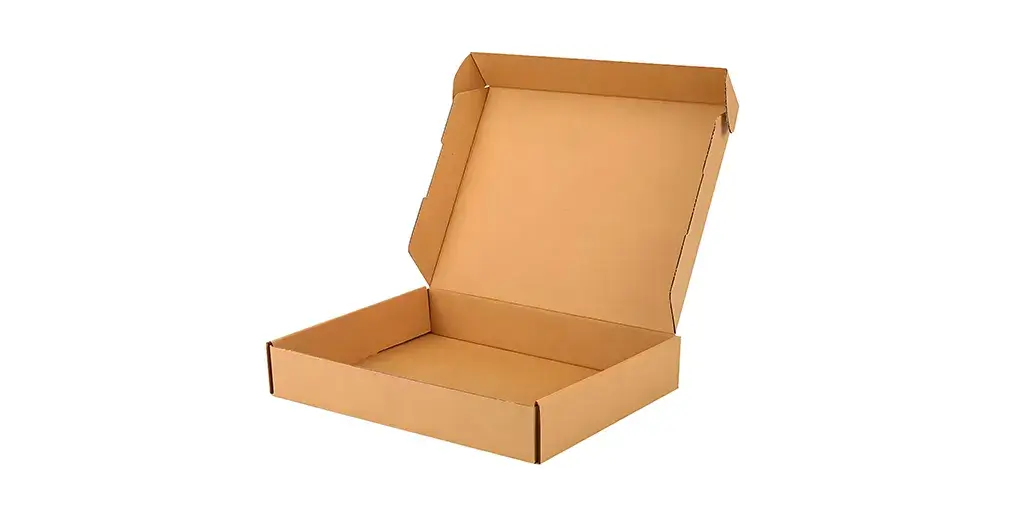
Corrugated fiberboard comes in various grades, each designed to meet specific packaging requirements. The grade of corrugated fiberboard is determined by its strength, durability, and suitability for different applications.
Single-wall corrugated fiberboard consists of one layer of fluted medium sandwiched between two linerboards. It is the most commonly used grade due to its balance of strength and cost-effectiveness. Single-wall corrugated fiberboard is suitable for shipping lightweight to moderately heavy items, making it ideal for a wide range of products.
Double-wall corrugated fiberboard features two layers of fluted medium with three linerboards. This grade offers enhanced strength and durability, making it suitable for heavier and more fragile items. Double-wall corrugated fiberboard is often used for packaging electronics, glassware, and other high-value products that require extra protection during transit.
Triple-wall corrugated fiberboard comprises three layers of fluted medium and four linerboards. This grade provides maximum strength and cushioning, making it ideal for extremely heavy or delicate items. Triple-wall corrugated fiberboard is commonly used for industrial applications, such as shipping machinery parts and large appliances.
In addition to standard grades, there are specialty corrugated fiberboard grades designed for specific applications. These include water-resistant grades, flame-retardant grades, and grades with unique flute sizes to cater to niche packaging needs.
Understanding the different grades of corrugated fiberboard allows businesses to select the most appropriate material for their packaging requirements, ensuring product safety and cost-efficiency.
The specifications of corrugated fiberboard play a crucial role in determining its performance and suitability for various packaging needs. Key specifications include flute size, board thickness, and edge crush test (ECT) ratings.
The flute size refers to the height and frequency of the corrugations in the medium. Common flute sizes include A, B, C, E, and F flutes, each offering different levels of cushioning and strength:
The board thickness is a measure of the corrugated fiberboard’s rigidity and strength. Thicker boards can support heavier loads and provide better protection against impacts and compression. The thickness is usually measured in points, with higher points indicating thicker and stronger boards.
The edge crush test (ECT) measures the fiberboard’s resistance to crushing forces applied perpendicular to its length. Higher ECT ratings indicate stronger boards capable of withstanding greater stacking and handling pressures. ECT is a critical specification for determining the suitability of corrugated fiberboard for different shipping and storage conditions.
Burst strength assesses the fiberboard’s ability to resist punctures and tears. Higher burst strength ratings indicate greater resistance to damage, making the board more suitable for packaging fragile and high-value items.
By carefully considering these specifications, businesses can select corrugated fiberboard that meets their packaging performance requirements, ensuring product safety and reducing the risk of damage during shipping and handling.
Understanding the key components of corrugated fiberboard grades is essential for selecting the right material for your packaging needs. The primary components include linerboards, fluted medium, and adhesives.
Linerboards are the outer and inner layers of corrugated fiberboard. They are typically made from high-quality paper and provide the structural integrity and surface for printing. The quality and thickness of linerboards influence the overall strength and durability of the corrugated fiberboard.
The fluted medium is the wavy layer between the linerboards that provides cushioning and strength. The flute size and type directly affect the fiberboard’s ability to protect the contents from impacts and compression. Different flute sizes offer varying levels of cushioning and stacking strength, making the fluted medium a critical component in determining the fiberboard’s performance.
Adhesives bind the linerboards and fluted medium together, ensuring the integrity of the corrugated fiberboard structure. The quality and type of adhesive used impact the fiberboard’s durability and resistance to moisture and handling stresses.
Many corrugated fiberboard grades incorporate recycled content, contributing to their sustainability and environmental friendliness. The percentage of recycled materials can vary, with higher recycled content offering eco-friendly benefits without compromising the fiberboard’s strength and performance.
By understanding these key components, businesses can better evaluate the quality and suitability of different corrugated fiberboard grades, ensuring that their packaging meets both functional and environmental requirements.
Selecting the appropriate corrugated fiberboard grade is crucial for ensuring the safety and efficiency of your packaging. Here are some key factors to consider when making your choice:
Consider the weight and fragility of the products you intend to package. Heavier and more delicate items require stronger corrugated fiberboard grades, such as double-wall or triple-wall, to provide adequate protection. For lightweight and less fragile items, single-wall corrugated fiberboard may suffice.
Evaluate the shipping conditions your packages will encounter. If your products will undergo rough handling, stacking, or exposure to moisture, opt for corrugated fiberboard grades with higher ECT ratings and moisture-resistant properties to ensure durability and protection.
If branding and presentation are important aspects of your packaging strategy, choose corrugated fiberboard grades with smooth surfaces like E-flute or F-flute, which offer better printing quality and aesthetic appeal. These grades are ideal for retail packaging and enhancing the unboxing experience.
If sustainability is a priority, select corrugated fiberboard grades made from recycled materials and that are recyclable themselves. Look for certifications such as the Forest Stewardship Council (FSC) to ensure responsible sourcing and eco-friendly packaging solutions.
Balance your packaging needs with your budget. While higher-grade corrugated fiberboard offers superior protection and durability, it comes at a higher cost. For cost-sensitive applications, single-wall corrugated fiberboard provides a good balance between strength and affordability.
Ensure that the corrugated fiberboard grade you choose complies with any industry-specific regulations and standards. Certain products may have specific packaging requirements that necessitate the use of particular corrugated fiberboard grades.
By carefully evaluating these factors, you can select the corrugated fiberboard grade that best aligns with your packaging needs, ensuring product safety, cost-effectiveness, and environmental responsibility.
Choosing corrugated fiberboard for your packaging needs offers numerous environmental benefits, making it a sustainable choice for businesses and consumers alike.
Corrugated fiberboard is highly recyclable, allowing it to be repurposed into new packaging materials and paper products. This reduces the demand for virgin materials, conserving natural resources such as trees and water.
Corrugated fiberboard is primarily made from wood pulp, a renewable resource. Sustainable forestry practices ensure that the wood used is responsibly sourced, maintaining ecological balance and promoting biodiversity.
The production of corrugated fiberboard involves fewer greenhouse gas emissions compared to other packaging materials like plastics and metals. Additionally, its lightweight nature reduces transportation energy consumption, further lowering its carbon footprint.
Corrugated fiberboard is biodegradable, meaning it can naturally decompose over time without causing environmental harm. This makes it an eco-friendly alternative to non-biodegradable packaging materials that contribute to landfill waste.
The manufacturing process of corrugated fiberboard typically involves minimal use of harmful chemicals, making it safer for the environment and easier to recycle. This reduces the risk of pollution and environmental degradation associated with chemical-laden packaging materials.
By recycling and repurposing corrugated fiberboard, businesses contribute to a circular economy where materials are continuously reused, minimizing waste and promoting sustainability. This aligns with global efforts to reduce waste and promote responsible consumption and production.
Choosing corrugated fiberboard not only benefits the environment but also enhances your brand’s reputation as an eco-conscious and responsible entity. For more sustainable packaging options, explore our range of colorful corrugated boxes and shipping boxes.
Ensuring the quality of corrugated fiberboard is essential for effective packaging that protects your products. Here are some methods and standards used to test the quality of corrugated fiberboard:
The Edge Crush Test (ECT) measures the fiberboard’s ability to withstand crushing forces applied perpendicular to its edge. It is a critical indicator of the fiberboard’s strength and stacking capacity. Higher ECT values signify stronger and more durable fiberboard, suitable for heavier packaging applications.
The Burst Strength Test evaluates the fiberboard’s resistance to punctures and tears. This test determines how well the fiberboard can protect products from sharp objects and rough handling. Higher burst strength ratings indicate superior protection and durability.
Verifying the flute size ensures that the corrugated fiberboard meets the required cushioning and strength specifications. Different flute sizes (A, B, C, E, F) offer varying levels of protection and printability, and selecting the appropriate flute size is crucial for optimal packaging performance.
Measuring the thickness of the corrugated fiberboard helps determine its rigidity and strength. Thicker fiberboard is generally stronger and more suitable for heavy-duty packaging, while thinner fiberboard is ideal for lightweight and less fragile items.
Conducting a visual inspection for consistency, absence of defects, and quality of printing ensures that the corrugated fiberboard meets your packaging standards. Look for uniform corrugation, smooth surfaces, and accurate color reproduction to ensure a professional appearance.
Assessing the moisture content of the corrugated fiberboard ensures that it remains stable and durable under varying environmental conditions. Proper moisture content helps prevent warping, weakening, and degradation of the fiberboard over time.
Ensure that the corrugated fiberboard complies with industry standards such as ASTM D4727 or ISO 5351. These standards provide guidelines for testing methods and quality benchmarks, ensuring that the fiberboard meets the necessary performance criteria for your packaging needs.
By implementing these testing methods, businesses can ensure that their corrugated fiberboard meets the required quality standards, providing reliable protection and performance for their packaging applications.
The corrugated fiberboard packaging industry is continuously evolving, with new trends emerging to meet the demands of modern consumers and businesses. Staying updated with these trends can help you create innovative and competitive packaging solutions.
One of the most significant trends is the shift towards sustainable and eco-friendly packaging. Businesses are increasingly adopting corrugated fiberboard made from recycled materials and opting for designs that minimize waste. This trend aligns with global efforts to reduce environmental impact and cater to eco-conscious consumers.
Customization is becoming a key differentiator in the packaging industry. Customized corrugated fiberboard packaging allows businesses to create unique and personalized designs that reflect their brand identity. This includes custom printing, unique shapes, and tailored sizes to enhance the unboxing experience and strengthen brand recognition.
Minimalist packaging designs with clean lines, simple colors, and understated branding are gaining popularity. These designs emphasize functionality and elegance, appealing to consumers who prefer sleek and modern aesthetics. Minimalist corrugated fiberboard packaging also reduces material usage, contributing to sustainability.
Integrating technology into corrugated fiberboard packaging is an emerging trend. Features such as QR codes, NFC tags, and augmented reality elements provide additional information, track shipments, and engage consumers interactively. Smart packaging enhances the overall customer experience and adds value to the product.
With the rise of e-commerce, there is a growing demand for durable and protective corrugated fiberboard packaging. Businesses are investing in high-strength fiberboard grades, reinforced structures, and advanced cushioning materials to ensure that products arrive safely and intact.
Exploring innovative material combinations beyond traditional corrugated fiberboard is another trend. Hybrid materials that combine corrugated fiberboard with other sustainable resources offer new possibilities for packaging design and functionality, catering to diverse packaging needs.
Interactive packaging designs that encourage consumer engagement are becoming more prevalent. This includes fold-out features, compartments, and multi-functional elements that enhance the usability and appeal of the packaging. Interactive corrugated fiberboard packaging creates a memorable experience and adds value to the product.
Embracing these latest trends in corrugated fiberboard packaging can help your business stay competitive, meet evolving consumer preferences, and achieve your sustainability goals.
Avoiding common mistakes in selecting corrugated fiberboard can save your business time, money, and ensure the safety of your products. Here are some pitfalls to watch out for:
Selecting a corrugated fiberboard grade that does not match your packaging needs can lead to product damage and increased costs. For example, using single-wall corrugated fiberboard for heavy or fragile items may result in insufficient protection, while opting for double-wall when single-wall suffices can lead to unnecessary expenses.
Flute size plays a crucial role in cushioning and strength. Ignoring the importance of flute size can compromise the protection of your products. Ensure that the flute size you choose aligns with the level of cushioning and durability required for your specific application.
Failing to consider the environmental impact of your packaging can harm your brand’s reputation and contribute to sustainability issues. Opt for recyclable and eco-friendly corrugated fiberboard grades to support environmental responsibility and appeal to eco-conscious consumers.
Implementing a new corrugated fiberboard grade without proper testing can lead to unforeseen issues. Always perform tests, such as drop tests and compression tests, to ensure that the selected fiberboard meets your performance and durability requirements.
Shipping conditions can vary significantly, affecting the performance of corrugated fiberboard. Underestimating factors such as stacking, handling, and exposure to moisture can result in damaged products. Choose fiberboard grades that are robust enough to withstand the specific shipping conditions your packages will encounter.
Customizing your corrugated fiberboard packaging can enhance brand visibility and customer experience. Ignoring customization opportunities, such as custom printing and unique designs, can result in missed branding and marketing potential.
Failing to ensure that your corrugated fiberboard complies with industry standards and regulations can lead to packaging failures and legal issues. Always verify that the fiberboard meets the necessary standards for your specific industry and application.
Choosing an unreliable supplier can result in inconsistent quality and supply chain disruptions. Select reputable suppliers with a proven track record of delivering high-quality corrugated fiberboard grades and reliable service.
By avoiding these common mistakes, you can ensure that your corrugated fiberboard selection aligns with your packaging needs, supports your business objectives, and maintains product integrity throughout the shipping process.
Implementing best practices when using corrugated fiberboard in your packaging strategy ensures optimal protection, cost-efficiency, and sustainability. Here are some essential practices to follow:
Before selecting a corrugated fiberboard grade, conduct a thorough assessment of your packaging requirements. Consider factors such as product weight, fragility, shipping conditions, and branding needs. This assessment helps in choosing the most suitable fiberboard grade that balances protection and cost.
Design your corrugated fiberboard boxes to maximize strength and minimize material usage. Incorporate features such as reinforced corners, double-wall construction for heavy items, and proper flute size to enhance durability. Efficient box design reduces material costs and ensures that your products are well-protected during transit.
Using the right cushioning materials in conjunction with corrugated fiberboard enhances product protection. Materials such as bubble wrap, foam inserts, and packing peanuts absorb shocks and prevent movement within the box. Proper cushioning reduces the risk of product damage and ensures that items remain secure during shipping.
Adopt sustainable packaging practices by selecting recyclable and eco-friendly corrugated fiberboard grades. Reduce waste by optimizing box sizes and minimizing excess materials. Incorporating recycled content not only benefits the environment but also appeals to eco-conscious consumers, enhancing your brand’s reputation.
Properly assembling and sealing corrugated fiberboard boxes is crucial for maintaining their integrity during shipping. Use high-quality packaging tape to seal all seams and edges securely. Reinforce the bottom and top flaps with additional tape to prevent accidental openings and ensure that the box remains intact throughout the shipping process.
Customize your corrugated fiberboard packaging to reflect your brand identity and enhance the customer experience. Incorporate custom printing, unique designs, and personalized messages to create a memorable unboxing experience. Customized packaging strengthens brand recognition and fosters customer loyalty.
Continuously evaluate the performance of your corrugated fiberboard packaging through regular testing and feedback. Conduct drop tests, compression tests, and gather customer feedback to identify areas for improvement. Regular evaluations help in maintaining high packaging standards and adapting to changing packaging needs.
Collaborate with reputable suppliers who provide high-quality corrugated fiberboard grades and reliable service. Building strong relationships with suppliers ensures consistent quality, timely deliveries, and access to the latest packaging innovations. Reliable suppliers support your packaging strategy and contribute to your business’s success.
By following these best practices, you can optimize your use of corrugated fiberboard in packaging, ensuring product safety, cost-efficiency, and sustainability. Implementing these strategies enhances your packaging effectiveness and supports your overall business objectives.
Choosing the right corrugated fiberboard grades and specifications is essential for protecting your products, enhancing your brand, and ensuring cost-effective and sustainable packaging solutions. By understanding the different grades, specifications, and best practices, you can make informed decisions that align with your business needs and environmental goals.
By keeping these points in mind, you can effectively manage your packaging strategy, protect your products, and support your business’s growth and sustainability goals. Invest in the right corrugated fiberboard grades and specifications today to drive your business towards greater efficiency and success.
For more information on Colorful Corrugated Box, Folding Boxes, Paper Bags, Rigid Boxes, Shipping Boxes, and Paper Coffins, visit Fohopackaging.
📧 Email us at: sales@fohopackaging.com 📞 Contact us on WhatsApp: +86 136 1533 5353
You can leave any questions. We will see and answer you.