Ensuring your fragile items arrive safely is paramount, whether you’re shipping delicate electronics, glassware, or artisanal crafts. Choosing the right small shipping boxes for fragile items can make all the difference in protecting your products and maintaining customer satisfaction. This comprehensive guide delves into the best practices, materials, and strategies for selecting and using small shipping boxes designed specifically for fragile goods. Whether you’re a seasoned e-commerce entrepreneur or a small business owner, this article is essential for optimizing your packaging process and safeguarding your valuable products.
Why Are Small Shipping Boxes Essential for Fragile Items?
When it comes to shipping fragile items, the right small shipping boxes are crucial for several reasons:
Protection: Fragile items require robust packaging to withstand the rigors of transportation. Corrugated boxes provide the necessary cushioning to prevent damage.
Cost Efficiency: Using appropriately sized boxes minimizes material waste and shipping costs. Small shipping boxes ensure that you’re not overpaying for larger packaging that isn’t needed.
Customer Satisfaction: Safe delivery of delicate products enhances customer trust and encourages repeat business. Well-packed fragile items demonstrate professionalism and care.
Choosing the right box is the first step in a packaging strategy that ensures your products remain intact from your warehouse to the customer’s doorstep.
What Features Should You Look for in Small Shipping Boxes?
Selecting the perfect small shipping boxes for fragile items involves evaluating several key features:
1. Durability
Corrugated Fiberboard: Offers strength and resilience, making it ideal for protecting delicate items.
Double-Wall Construction: Provides extra protection against impacts and compression during transit.
2. Size and Fit
Appropriate Dimensions: Ensure the box is neither too large nor too small for your items. A snug fit reduces movement and potential damage.
Standard Sizes: Utilizing standard box sizes can simplify the packing process and reduce costs.
3. Reinforced Corners and Edges
Strengthened Areas: Reinforced corners help the box maintain its shape and integrity, especially when handling heavy or awkwardly shaped items.
4. Easy Assembly
Foldable Design: Boxes that are easy to assemble save time and reduce the likelihood of packing errors.
Pre-Scored Folds: Facilitates quick and accurate assembly without the need for additional tools.
5. Compatibility with Packing Materials
Fit for Cushioning: Ensure the box works well with padding materials like bubble wrap, packing peanuts, or foam inserts to provide comprehensive protection.
By focusing on these features, you can select small shipping boxes that offer optimal protection and efficiency for your fragile items.
How to Choose the Right Material for Fragile Items
The material of your small shipping boxes plays a significant role in safeguarding fragile items during transit. Here’s how to choose the right one:
1. Corrugated Fiberboard
Layers: Typically composed of an inner liner, a corrugated medium, and an outer liner. The number of layers (single, double, or triple-wall) affects the box’s strength.
Versatility: Suitable for a wide range of fragile items, from electronics to glassware.
2. Paperboard
Lightweight: Ideal for less fragile items that don’t require as much protection.
Cost-Effective: Generally cheaper than corrugated boxes but offers less durability.
3. Rigid Boxes
Premium Packaging: Offers superior protection and a high-end appearance, perfect for luxury fragile items.
Sturdiness: Less prone to crushing and bending compared to corrugated boxes.
4. Eco-Friendly Options
Recycled Materials: Sustainable choices that appeal to environmentally conscious consumers.
Biodegradable Options: Ensure minimal environmental impact without compromising on protection.
5. Specialty Materials
Foam Inserts: Provide additional cushioning for extremely delicate items.
Plastic Trays: Offer a reusable and sturdy base for fragile products.
Choosing the right material depends on the specific needs of your products, budget considerations, and sustainability goals. Corrugated fiberboard remains the most popular choice due to its balance of strength, versatility, and cost-effectiveness.
Top Types of Small Shipping Boxes for Fragile Items
Different types of small shipping boxes cater to various fragile items. Here are the top options:
1. Single-Wall Corrugated Boxes
Structure: Consists of one layer of corrugated medium sandwiched between two liners.
Use Cases: Suitable for lightweight to moderately fragile items, such as books or small electronics.
2. Double-Wall Corrugated Boxes
Structure: Features two layers of corrugated medium, offering enhanced strength.
Use Cases: Ideal for heavier or more fragile items, including glassware, ceramics, and small appliances.
3. Triple-Wall Corrugated Boxes
Structure: Comprises three layers of corrugated medium for maximum protection.
Use Cases: Best for extremely fragile or high-value items, such as artwork, sensitive electronics, and delicate machinery parts.
4. Rigid Boxes
Structure: Made from thick paperboard without the corrugated medium, offering a sturdy and premium feel.
Use Cases: Perfect for luxury items like jewelry, high-end electronics, and designer products.
5. Molded Pulp Boxes
Structure: Formed from recycled paper products molded into shape.
Use Cases: Suitable for irregularly shaped or extremely fragile items that require customized protection.
6. Foam-Inserts Boxes
Structure: Comes with pre-cut foam inserts tailored to specific products.
Use Cases: Ideal for electronics, glass items, and other fragile products needing precise cushioning.
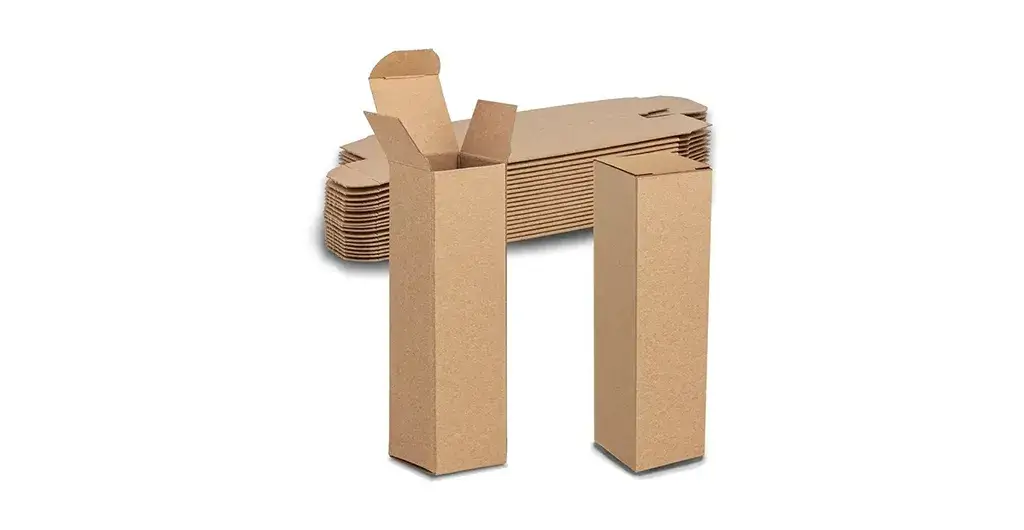
7. Customizable Folding Boxes
Structure: Designed to be easily folded and assembled, often customizable in size and shape.
Use Cases: Great for businesses needing tailored packaging solutions without excessive costs.
Selecting the appropriate type of box ensures that your fragile items receive the necessary protection, reducing the risk of damage during shipping.
How to Properly Pack Fragile Items in Small Shipping Boxes
Proper packing techniques are essential for ensuring the safety of fragile items during transit. Follow these steps to pack effectively:
1. Choose the Right Box Size
Snug Fit: Select a box that snugly fits your item to minimize movement.
Additional Space: If some space remains, use padding materials to fill gaps.
2. Use Quality Cushioning Materials
Bubble Wrap: Wrap each item individually to provide a protective barrier against shocks.
Packing Peanuts: Fill the bottom of the box to cushion the item from impacts.
Foam Inserts: Offer customized protection for specific shapes and sizes.
3. Double Box for Extra Protection
Inner Box: Place the fragile item in a smaller box with cushioning.
Outer Box: Place the inner box in a larger box filled with additional padding for double-layer protection.
4. Seal the Box Securely
Strong Tape: Use heavy-duty packaging tape to seal all seams and edges.
Reinforced Seams: Apply extra tape along the bottom and top flaps to prevent accidental openings.
5. Label as Fragile
Clear Markings: Use “Fragile” labels to alert handlers to the delicate nature of the contents.
Orientation Indicators: Include arrows or symbols to indicate the correct upright position.
6. Test the Packaging
Drop Test: Gently shake or drop the box to ensure that the item remains secure and the packaging absorbs impacts effectively.
Adjust if Necessary: Add more cushioning or choose a sturdier box if the item moves excessively.
By following these packing steps, you can significantly reduce the risk of damage to your fragile items during shipping, ensuring they reach their destination in pristine condition.
Benefits of Using Recyclable Small Cardboard Shipping Boxes
Incorporating recyclable small cardboard shipping boxes into your packaging strategy offers numerous advantages:
1. Environmental Sustainability
Reduced Waste: Recyclable boxes help minimize landfill waste and promote the reuse of materials.
Conservation of Resources: Recycling paper products conserves natural resources like trees and water.
2. Cost Savings
Lower Material Costs: Recycled materials are often more affordable than virgin materials.
Tax Incentives: Some regions offer tax breaks or incentives for using eco-friendly packaging.
3. Enhanced Brand Image
Eco-Friendly Reputation: Demonstrating a commitment to sustainability can enhance your brand’s reputation and attract environmentally conscious consumers.
Customer Loyalty: Consumers are more likely to support businesses that prioritize eco-friendly practices.
4. Compliance with Regulations
Legal Requirements: Many countries have regulations mandating or encouraging the use of recyclable packaging.
Future-Proofing: Adopting sustainable packaging early ensures compliance with future environmental laws.
5. Marketing Opportunities
Green Certifications: Use recyclable packaging to earn green certifications, providing marketing leverage.
Promotional Messaging: Highlight your use of recyclable materials in your marketing campaigns to appeal to eco-minded customers.
Choosing recyclable small shipping boxes not only benefits the environment but also offers tangible business advantages, making it a smart choice for modern businesses.
Customization Options for Small Shipping Boxes
Customized small shipping boxes can elevate your packaging, enhance brand recognition, and improve customer experience. Here are various customization options:
1. Printing and Branding
Logo Placement: Incorporate your brand logo prominently on the box.
Color Schemes: Use brand colors to create a cohesive and recognizable appearance.
Custom Designs: Add unique patterns or images that reflect your brand’s personality.
2. Structural Customizations
Handles: Add handles for easy carrying, especially for heavier or bulkier items.
Window Inserts: Include transparent windows to showcase the product inside.
Unique Folds: Design boxes with unique folding patterns to enhance aesthetics and functionality.
3. Personalized Messages
Thank You Notes: Include personalized thank-you messages inside the box to enhance customer satisfaction.
Instructional Inserts: Provide usage instructions or care guides for your products.
4. Material Choices
Special Finishes: Opt for matte, glossy, or textured finishes to add a premium feel.
Reinforced Corners: Enhance durability by reinforcing specific areas of the box.
5. Size and Shape Adjustments
Custom Dimensions: Tailor the size and shape of the box to perfectly fit your product.
Unique Shapes: Create boxes in unconventional shapes to make your packaging stand out.
6. Eco-Friendly Customizations
Recycled Inks: Use eco-friendly inks for printing to maintain sustainability.
Minimalistic Designs: Reduce material usage with streamlined, minimalist designs that are both stylish and environmentally friendly.
Customizing your small shipping boxes allows you to create a memorable unboxing experience, reinforce your brand identity, and cater to the specific needs of your products, all while maintaining cost-effectiveness.
Cost-Effective Strategies for Purchasing Small Shipping Boxes in Bulk
Optimizing your spending on small shipping boxes for fragile items is essential for maintaining profitability. Here are some strategies to help you purchase effectively:
1. Bulk Purchasing
Discounts: Suppliers often offer significant discounts for large orders, reducing the per-unit cost.
Consistent Supply: Ensures you have a steady inventory of packaging materials, preventing last-minute purchases at higher prices.
2. Standardize Box Sizes
Simplified Inventory: Using standardized sizes simplifies inventory management and reduces the need for multiple box types.
Cost Savings: Standard sizes are typically cheaper than custom-sized boxes due to mass production efficiencies.
3. Negotiate with Suppliers
Long-Term Contracts: Establishing long-term relationships with suppliers can lead to better pricing and favorable terms.
Price Matching: Leverage multiple quotes to negotiate the best possible rates.
4. Optimize Packaging Design
Material Efficiency: Design your packaging to use the least amount of material necessary without compromising protection.
Size Optimization: Ensure boxes are sized appropriately to minimize wasted space and reduce shipping costs.
5. Utilize Recycled Materials
Cost Savings: Recycled corrugated fiberboard is often more affordable than virgin materials.
Sustainability: Supports eco-friendly initiatives, which can enhance your brand’s reputation.
6. Monitor Market Trends
Stay Informed: Keep an eye on paper and packaging material prices to purchase when costs are low.
Flexible Orders: Adjust your order timing based on market fluctuations to take advantage of lower prices.
7. Combine Orders with Other Businesses
Group Purchasing: Partner with other businesses to place joint orders, qualifying for bulk discounts that may not be available individually.
Shared Shipping: Reduce overall costs by sharing shipping expenses with partners.
Implementing these strategies can help you secure the best prices for small shipping boxes, ensuring you maintain quality while optimizing your packaging budget.
Common Mistakes to Avoid When Packing Fragile Items
Avoiding common packing mistakes can save you time, money, and ensure that your fragile items arrive safely. Here are some pitfalls to watch out for:
1. Using Inadequate Packaging Materials
Thin Boxes: Opting for low-quality or thin boxes can lead to increased risk of damage.
Insufficient Cushioning: Not using enough padding material can result in items shifting and breaking during transit.
2. Incorrect Box Size
Too Large: Boxes that are too big leave room for movement, increasing the chance of items colliding.
Too Small: Boxes that are too tight can cause pressure on items, leading to cracks or breaks.
3. Overpacking or Underpacking
Overpacking: Using excessive materials can be wasteful and increase shipping costs.
Underpacking: Insufficient materials fail to protect items adequately, leading to potential damage.
4. Poor Sealing Techniques
Weak Seams: Improper sealing can cause the box to open during handling.
Inconsistent Tape Application: Uneven tape can compromise the integrity of the box.
5. Neglecting to Label as Fragile
Lack of Labels: Without clear indicators, handlers may not treat the package with the necessary care.
Incorrect Label Placement: Labels placed in hard-to-see areas reduce their effectiveness.
6. Not Testing Packaging
Skipping Tests: Failing to perform drop or shake tests can leave you unaware of potential packaging weaknesses.
Ignoring Feedback: Not adjusting based on test results can perpetuate packaging issues.
7. Using the Same Packaging for All Items
One-Size-Fits-All: Different fragile items require tailored packaging solutions to ensure optimal protection.
By avoiding these common mistakes, you can enhance the safety and reliability of your small shipping boxes for fragile items, ensuring your products reach their destination in perfect condition.
Best Practices for Shipping Fragile Items
Implementing best practices in your shipping process ensures that your fragile items are well-protected and arrive safely. Here are essential practices to follow:
1. Choose the Right Box Type
Corrugated vs. Rigid: Select boxes based on the fragility and value of the items. Corrugated boxes offer flexibility, while rigid boxes provide superior protection.
Proper Sizing: Use appropriately sized boxes to reduce movement and the need for excessive cushioning.
2. Use Quality Cushioning Materials
Bubble Wrap: Provides a protective barrier against impacts.
Packing Peanuts: Fill empty spaces to prevent items from shifting.
Foam Inserts: Offer customized protection for irregularly shaped items.
3. Seal Boxes Properly
Heavy-Duty Tape: Use strong, durable tape to secure all seams and flaps.
Reinforced Seams: Apply additional tape on corners and edges for added security.
4. Label Boxes Clearly
Fragile Labels: Indicate the delicate nature of the contents.
Handling Instructions: Include symbols or text that instruct handlers to treat the package with care.
5. Double Boxing for Extra Protection
Inner Box: Place the fragile item in a smaller box with adequate padding.
Outer Box: Enclose the inner box in a larger box filled with additional cushioning materials.
6. Optimize Shipping Routes
Direct Shipping: Minimize the number of stops to reduce handling and potential rough treatment.
Reliable Carriers: Choose carriers known for careful handling of fragile items.
7. Track Shipments
Monitoring: Use tracking services to monitor the progress of your shipments and address any issues promptly.
Insurance: Consider insuring valuable or extremely fragile items to protect against loss or damage.
8. Train Your Team
Proper Packing Techniques: Ensure that everyone involved in the packing process understands best practices.
Handling Procedures: Train staff on how to handle fragile items with care during packaging and shipping.
Adhering to these best practices can significantly enhance the safety and reliability of your shipments, ensuring that your fragile items reach their destination intact and maintaining customer satisfaction.
Conclusion and Key Takeaways
Choosing the right small shipping boxes for fragile items is essential for protecting your products, maintaining customer satisfaction, and optimizing your packaging costs. By understanding the key features, materials, and best practices outlined in this guide, you can enhance your packaging strategy and ensure the safe delivery of your delicate products.
Key Points to Remember:
Importance of Quality: Balance cost with durability to ensure your fragile items are well-protected.
Optimal Box Selection: Choose the right type and size of box based on your product’s fragility and value.
Effective Packing Techniques: Use appropriate cushioning materials and seal boxes securely.
Recyclable Options: Opt for eco-friendly boxes to support sustainability and enhance your brand image.
Bulk Purchasing Strategies: Utilize bulk buying, standard sizes, and negotiate with suppliers to reduce costs.
Avoid Common Mistakes: Ensure quality, proper sizing, and sustainability to prevent issues with shipping and customer satisfaction.
Implement Best Practices: Follow industry best practices for packing and shipping fragile items to ensure their safe arrival.
By implementing these strategies, you can effectively manage your packaging costs, protect your products, and provide a positive experience for your customers. Invest in the right small shipping boxes for fragile items today to drive your business towards greater efficiency and success.