Zibo City, Shandong Province

Have Any Questions?

10 AM – 6 PM
Zibo City, Shandong Province
Have Any Questions?
10 AM – 6 PM

Have Any Questions?
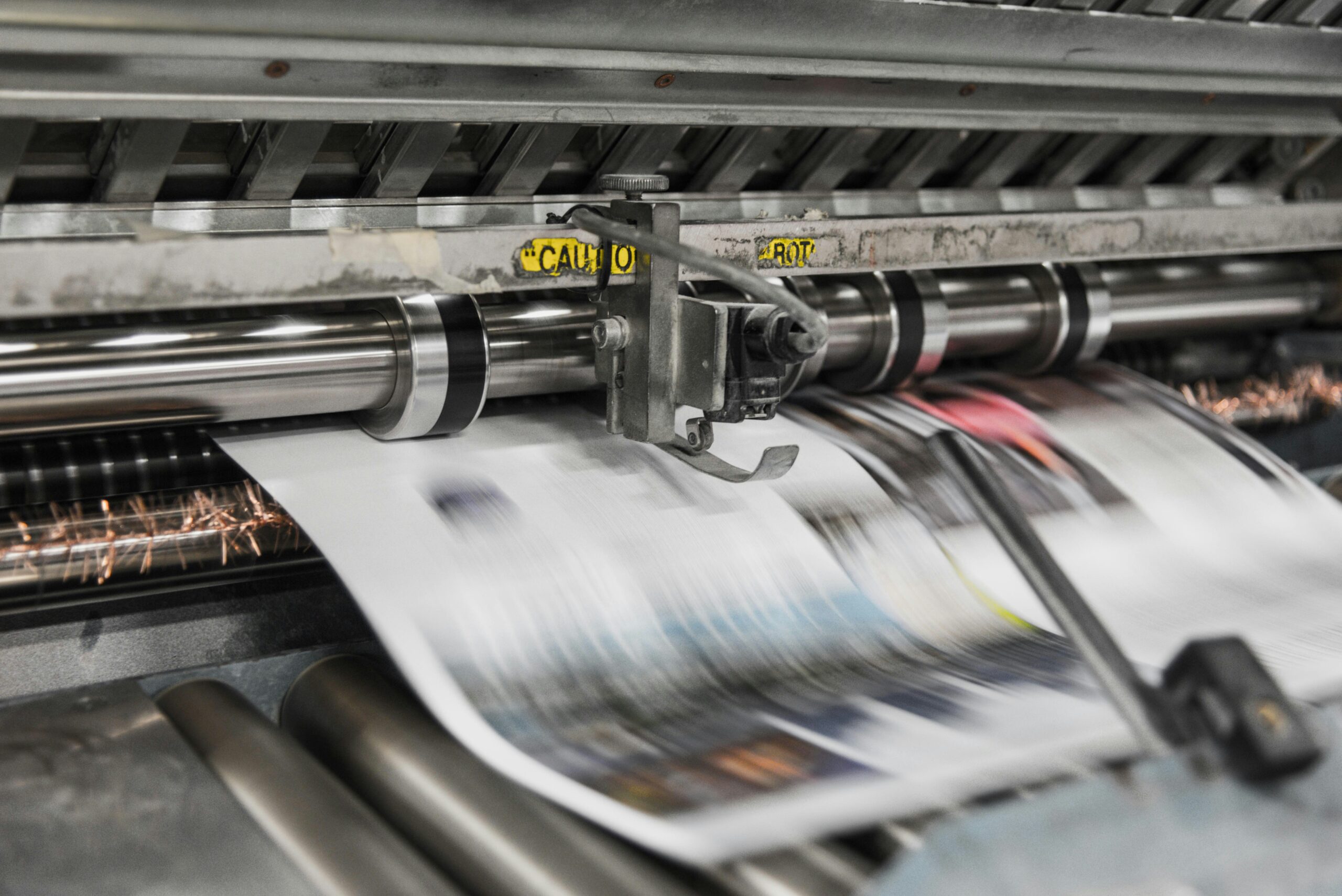

Ever received a package in a brown box and wondered what makes it so strong and sturdy? That’s the magic of corrugated boxes! This article gives you a comprehensive knowledge of these essential packaging materials, explaining how they’re made, why they’re so useful, and all the cool details that go into creating them. If you’ve ever been curious about the world of packaging and want to understand the backbone of shipping and storage, this article is for you!
Have you ever stopped to think, what makes corrugated boxes so strong? What exactly goes into the packaging of the items we receive? How does our comprehensive knowledge of these boxes help us? What are the different kinds of corrugated boxes anyway? Is there a secret to understanding comprehensive knowledge-corrugated boxes? Why is having comprehensive knowledge of corrugated boxes important? How does packaging science play a role? And how can we ensure these recyclable wonders are doing their job well? Let’s explore these questions and more!
Imagine a sandwich, but instead of yummy fillings, it has layers of paper! Corrugated boxes are made up of several layers of paperboard. The outer and inner layers are called linerboard or simply paper. These are smooth sheets. The secret to the box’s strength lies in the wavy layer in between, called the corrugated medium or fluting.
Think of the fluting like a series of arches. These arches are strong and resist bending or crushing. Typically, a corrugated box will have a face paper, then the core paper (which is the fluting), and then the liner paper. Sometimes, for extra strength, you might find medium paper and additional layers of core paper inside, creating a sturdier structure.
Have you ever seen letters like ‘A’, ‘B’, ‘C’, or ‘E’ on a corrugated box and wondered what they meant? These letters refer to the type of fluting, or the wavy inner layer. Each type of fluting has different characteristics that affect the box’s strength and cushioning ability.
You can even have double wall corrugated board, combining two layers of fluting! For example, AB-flute combines the cushioning of A-flute with the stacking strength of B-flute. Similarly, AC-flute and BC-flute offer different combinations of strength and cushioning.
Believe it or not, not all corrugated boxes are designed for the same purpose. You’ll find different types depending on whether they’re meant for simply transporting goods or for displaying products on a store shelf.
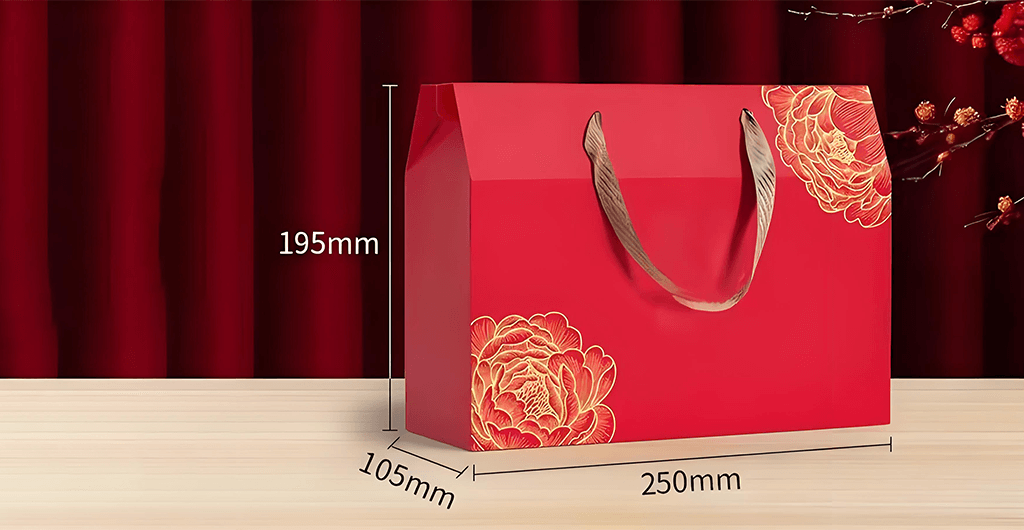
Getting the size of a corrugated box right is crucial! Too big, and your product might move around and get damaged. Too small, and it won’t fit at all! Generally, when looking at diagrams or specifications, the dimensions listed are internal dimensions. However, the dimensions printed on the outside of the finished box are usually the external dimensions.
This difference is important because the thickness of the corrugated material itself adds to the overall size. For AB-flute and BC-flute boxes, you can roughly convert between internal and external dimensions using these rules:
This is based on the approximate thickness of the corrugated board. For example, AB-flute requires a thickness of at least 7mm, and BC-flute should be at least 6mm (though some, like the ones we use, can reach 7mm).
| Dimension | Conversion Formula (AB/BC Flute) |
| External Length | Internal Length + 1.5 mm |
| External Width | Internal Width + 1.5 mm |
| External Height | Internal Height + 2.5 mm |
Ensuring the quality of corrugated boxes is vital for protecting the products inside. There are several key aspects to check:
Once the corrugated board is cut and scored, the sides need to be joined to form the box. There are two main methods: stitching and gluing.
The strength of a corrugated box is a critical factor in its ability to protect its contents. The type of fluting directly impacts the thickness and therefore the strength of the corrugated board. Here’s a general guideline:
| Flute Type | Minimum Thickness (mm) |
| A | ≥ 4.5 |
| C | ≥ 3.5 |
| B | ≥ 2.5 |
| E | ≥ 1.1 |
| AA | ≥ 9 |
| AC | ≥ 8 |
| AB | ≥ 7 |
| CC | ≥ 7 |
| BC | ≥ 6 |
Burst strength is another measure of strength. To test this, pressure is applied to the surface of the corrugated board until it bursts. The average of several tests is calculated, and then a formula is used to determine the burst strength:
Burst Strength = A * 0.0102 * 0.95
Where:
Different types of corrugated board have different burst strength standards. For example, single-wall A-flute, B-flute, and C-flute should have a burst strength of at least 5 kg/cm ², while a single B-flute box with a white surface for medium-sized items might have a slightly lower standard of 4.5 kg/cm ². Double-wall boards like A-flute combined with C-flute (AC) or reinforced A-flute (AA) have higher standards, typically ≥ 8 kg/cm ², while A-flute and C-flute (AC) are ≥ 7 kg/cm ².
Besides burst strength, compression strength is another important factor, especially when boxes are stacked on top of each other. This is tested when evaluating new boxes, new suppliers, or when there are changes to the materials or design.
The compression strength (P) can be calculated using the following formula:
P = K * G * (H – h) / h * 9.8
Where:
It’s worth noting that the way boxes are stacked affects their compression strength. Interlaced stacking is more stable and provides better support, while repeated stacking is less stable. Under the same conditions, interlaced stacking can result in a 45% reduction in compression strength compared to repeated stacking.
Ever wondered how those logos and product information end up on your corrugated boxes? There are several printing methods used:
Sometimes, instead of direct printing, a label with a barcode is applied to the box, especially for shipping purposes. This is a common practice as it offers flexibility. However, if specific printing is required, it will be detailed in the order specifications or design documents, similar to the requirements for Paper bags.
Understanding the intricacies of corrugated box production is more important than you might think. The trend in the industry is towards using lighter-weight paper for the inner layers while using heavier, stronger paper for the outer layers . The ultimate goal is to create corrugated boxes that are lighter, stronger, and more efficient. This knowledge helps us appreciate the engineering behind everyday packaging and allows for better decision-making when it comes to choosing the right box for the job, even for specialized needs like paper coffins.
Key things to remember about Corrugated Boxes:
The industry is moving towards lighter, stronger, and more sustainable corrugated box designs.
Corrugated boxes are made of layers of paper, with a wavy inner layer called fluting for strength.
The type of fluting (A, B, C, E) affects the box’s cushioning and strength.
There are different types of boxes for shipping and retail purposes.
Understanding internal and external dimensions is crucial for sizing.
Quality checks include material, dryness, foldability, score lines, and clean cuts.
Boxes can be joined by stitching or gluing.
Strength is measured by burst strength and compression strength.
Different printing methods are used depending on the desired quality and quantity.
You can leave any questions. We will see and answer you.