Zibo City, Shandong Province

Have Any Questions?

10 AM – 6 PM
Zibo City, Shandong Province
Have Any Questions?
10 AM – 6 PM

Have Any Questions?

Have you ever wondered how the cool designs and information get onto your cereal box or the label on your favorite drink? It’s all thanks to packaging printing technology! This article will take you on a journey to understand this fascinating world, showing you why it’s so important and interesting. Get ready to discover the secrets behind making packages look great and tell you what’s inside!
Are you curious about how packaging gets its colorful and informative designs? What kind of technology makes this happen? Isn’t printing technology amazing? How exactly does packaging printing work? What even is packaging printing technology? Is there a special name for packaging printing-technology? What about packaging-printing technology and making things like recyclable packages? Can you imagine all the different buttons and controls on the machines that do this? Let’s dive into ten key questions to uncover the secrets of packaging printing!
Think about all the things you buy at the store – from food to toys. They usually come in some sort of packaging, right? Packaging is like a protective shell that keeps the product safe during its journey from the factory to your hands. It’s not just about protection, though. Packaging also tells you what’s inside, how to use it, and sometimes even tries to convince you to buy it! That’s where printing technology comes in. Without printing, our packages would be plain and boring, and we wouldn’t know what’s inside!
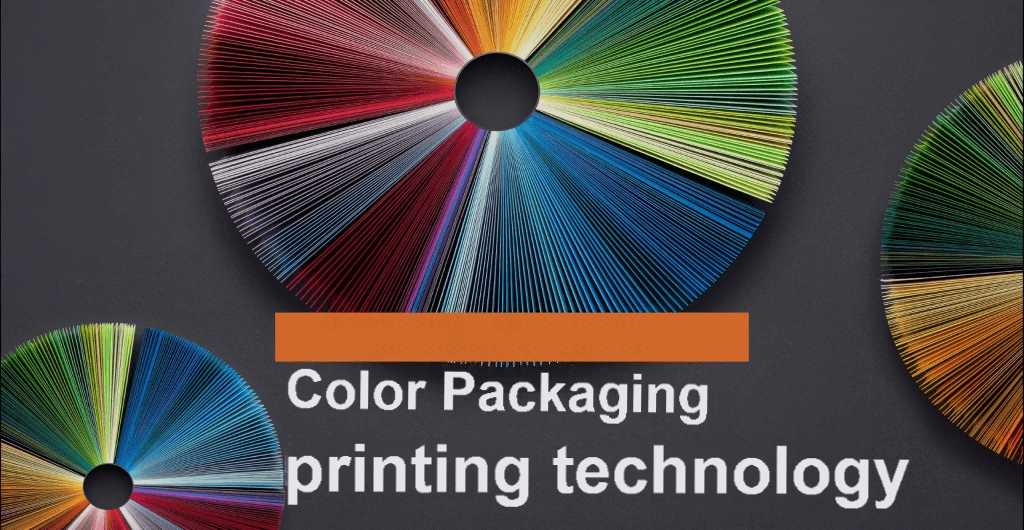
Imagine buying a can of soup without a label. You wouldn’t know if it was chicken noodle or tomato! Printing technology allows companies to put important information and eye-catching designs on the packaging. This includes the brand name, ingredients, instructions, and even fun pictures. The colorful printing makes products attractive and helps them stand out on the shelves.
The world of packaging printing uses some really cool technology! It’s not just like printing a piece of paper at home. We’re talking about big machines that can print on all sorts of materials, like cardboard, plastic, and even metal. Different types of printing technology are used depending on the job. For example, some machines use rollers to transfer ink, while others use喷嘴 to spray ink precisely.
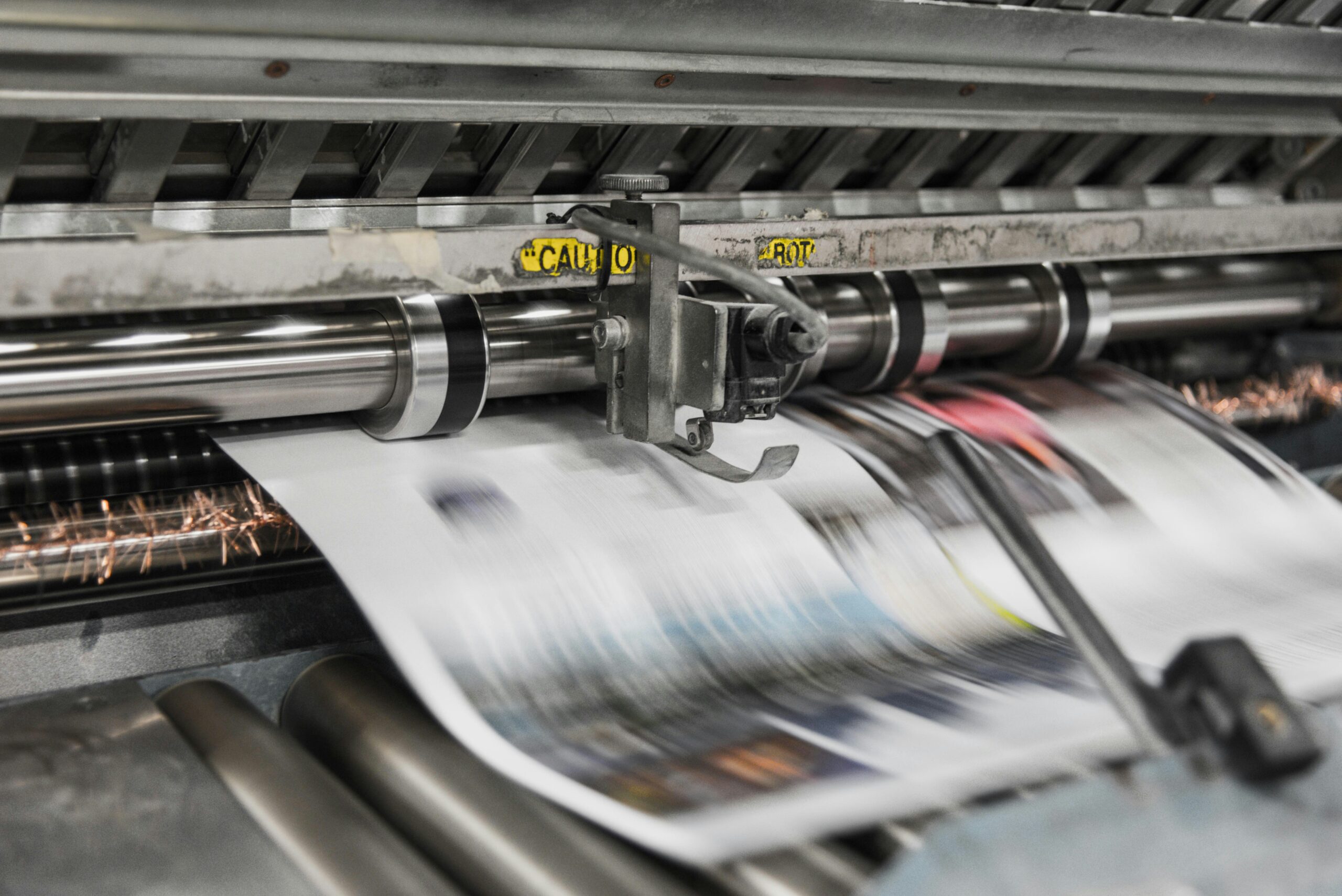
Think about printing a newspaper versus printing on a flexible juice pouch. They need different kinds of technology. Some common types of printing technology used in packaging include flexography, which is great for printing on uneven surfaces like corrugated boxes, and rotogravure, which is used for high-volume jobs like snack bags. There’s also digital printing, which allows for more customization and shorter print runs.
When we talk about printing technology applied to packaging, we’re focusing on how those printing methods are adapted for different packaging materials and shapes. It’s a specialized field because packages come in all shapes and sizes, and they’re made of different things. The technology needs to be flexible and reliable to handle this variety.
For example, printing on a folding box requires a different approach than printing on a plastic bottle. The inks need to stick to the material, dry quickly, and sometimes even withstand being frozen or heated. Engineers are constantly developing new printing technology to make packaging printing more efficient and produce better results.
The process of packaging printing involves several steps, kind of like following a recipe! First, there’s the design stage where artists create the look of the package. Then, plates or cylinders are made with the design. These are used to transfer the ink onto the packaging material. The material is fed through the printing machine, and the ink is applied.
After printing, there might be other steps like adding a protective coating or cutting and folding the packaging. Quality control is also very important to make sure the printing looks good and there are no mistakes. Each step in the packaging printing process requires careful attention to detail and the right technology.
“Packaging printing technology” is really just the overall term for all the methods, machines, and processes involved in printing on packaging. It’s a combination of art, science, and engineering. It encompasses everything from the initial design to the final printed product.
Think of it like this: if you’re baking a cake, you need ingredients (materials), tools (machines), and a recipe (process). Packaging printing technology is all of those things combined for making printed packaging. It’s a constantly evolving field with new innovations happening all the time.
When you see “packaging printing technology” and “packaging printing-technology,” they essentially mean the same thing. The hyphen is just a stylistic choice. Both terms refer to the same field of technology focused on printing for packaging purposes.
In everyday conversation and writing, you can use either term interchangeably. The important thing is to understand the concept: the application of printing technology to create designs and information on various types of packaging. Don’t get too hung up on the hyphen!
Similarly, “packaging-printing technology” with a hyphen connecting “packaging” and “printing” also refers to the same concept. It’s another way to write the term, emphasizing the close relationship between packaging and printing technology.
Just like with the previous term, the meaning remains consistent. Whether you see “packaging printing technology,” “packaging printing-technology,” or “packaging-printing technology,” they all point to the same fascinating area of technology that brings our packaging to life.
Packaging printing technology plays a crucial role in making recyclable packaging. For packaging to be easily recycled, the inks and coatings used in the printing process need to be compatible with recycling processes. Researchers are constantly working on developing inks and printing methods that are easier to remove during recycling.
Using the right technology can also help reduce the amount of ink used, making the packaging more sustainable. For example, some digital printing technology allows for very precise ink application, minimizing waste. The goal is to create beautifully printed packaging that is also environmentally friendly and easily recyclable. You can learn more about sustainable packaging on websites dedicated to environmental responsibility.
Imagine the control panel of a giant printing machine! It would have lots of buttons and controls to manage different aspects of the packaging printing process. There would be buttons to start and stop the machine, adjust the speed, and control the flow of ink.
There might also be digital screens showing important information like the printing pressure, ink levels, and the number of packages printed. Operators use these buttons and controls to make sure the printing is accurate and consistent. The specific buttons and controls depend on the type of printing technology being used.
The field of packaging printing technology is always evolving! One exciting advancement is the development of more sustainable inks, like water-based and UV-curable inks, which are better for the environment. Digital printing technology is also becoming more sophisticated, allowing for greater customization and shorter print runs. This is great for smaller businesses or for creating personalized packaging.
Another advancement is in the speed and efficiency of printing machines. Newer machines can print more packages in less time, which helps reduce costs. There’s also a growing focus on smart packaging, where printing technology is used to add interactive elements like QR codes or NFC tags that provide more information to the consumer. These advancements are making packaging printing more innovative and efficient.
Key things to remember about Packaging Printing Technology:
If you’re interested in learning more, you can explore resources like Colorful Corrugated Boxes for examples of vibrant printing or Folding boxes to see how printing works on different shapes. You can also check out examples of printed Paper bags and the sturdy printing on Rigid boxes. Even Shipping boxes rely on this technology to display important labels. Interestingly, the same technology can even be used for specialized items like paper coffins, demonstrating the versatility of packaging printing.
You can leave any questions. We will see and answer you.