Zibo City, Shandong Province

Have Any Questions?

10 AM – 6 PM
Zibo City, Shandong Province
Have Any Questions?
10 AM – 6 PM

Have Any Questions?

Ever wondered about those handy little trays holding your fries, your seedlings, or even your freshly baked cookies? Those are paper trays, and they’re so much more than just simple containers! This article will explore the wonderful world of paper trays, discovering why they’re such a popular packaging choice, how they’re made, and why their recyclability makes them a champion for our planet. Get ready to uncover the surprising versatility and eco-friendly nature of these everyday heroes!
Imagine a flat, shallow container made from paper or cardboard. That’s essentially what a paper tray is! But there’s more to it than meets the eye. What makes them so useful, and where do you usually find them? Let’s take a closer look.
Paper-Trays are specifically designed, flat-bottomed containers, typically with raised edges, made from various types of paper pulp. Think of them like tiny, open boxes without a lid. Their simple yet effective design makes them ideal for holding and displaying a wide variety of items, from food to small parts. You’ve probably seen them holding your breakfast pastries or keeping your takeout order organized.
The beauty of Paper Trays packaging lies in its adaptability. They can be molded into different shapes and sizes to perfectly fit the items they hold. Consider the trays holding eggs, berries, or even delicate electronics – each designed for a specific purpose. Their lightweight nature also makes them easy to handle and transport, both for businesses and consumers.
You see paper trays everywhere, but why are they such a popular choice for packaging? What makes them stand out from other options? Let’s explore the key advantages.
One major reason for their popularity is their versatility. Paper Trays can be used for a huge range of products. Think about the punnets of strawberries you buy at the grocery store, the seed trays used for starting plants, or even the trays used to organize components in manufacturing. They can handle everything from delicate fruits to small machine parts.
Another significant benefit is the recyclable nature of many paper trays. Made from paper pulp, they can often be recycled after use, reducing waste and helping the environment. This is a big plus in today’s world where everyone is trying to be more eco-conscious. It’s like giving the paper a second life!
The sturdiness and functionality of paper trays depend on the materials they’re made from. So, what exactly are these trays composed of? Let’s investigate the common materials.
Many Paper Trays are made from molded pulp. Imagine taking recycled paper, mixing it with water, and then pressing it into a mold. That’s essentially how molded pulp trays are created! This process allows for the creation of trays with specific shapes and cushioning, perfect for protecting delicate items like eggs.
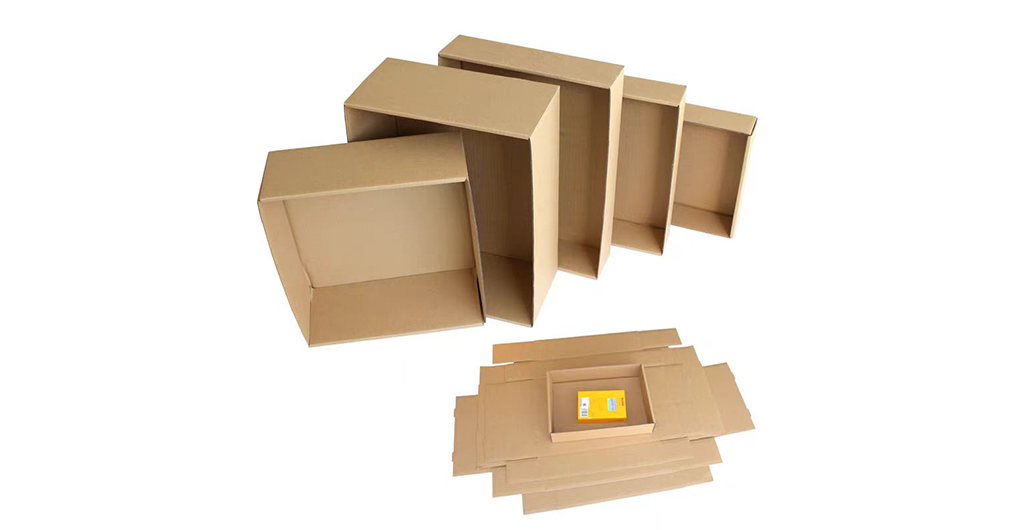
Another common material is cardboard or paperboard. Think of the material used for cereal boxes – that’s similar to what some Paper Trays packaging is made from. These trays are often flat and can be easily folded into shape. They’re great for items that don’t need as much cushioning.
Ever wondered how those simple paper trays come into existence? Let’s take a peek into the manufacturing process and see how they’re made.
The process for making molded pulp Paper-Trays starts with a slurry of recycled paper, water, and sometimes other fibers. This mixture is poured into molds that have the shape of the desired tray. Vacuum suction is often used to remove excess water, leaving behind a formed tray. Think of it like making a paper mask using a mold!
For cardboard or paperboard Paper Trays, the process is different. Large sheets of cardboard are cut and scored (partially cut to allow for folding) into the desired shape. Then, these blanks are folded and often glued or stapled together to create the final tray. It’s similar to how a cardboard box is made, just in a shallower form.
While their basic shape is simple, paper trays can be surprisingly customizable. How can businesses tailor them to their specific needs and branding? Let’s explore the possibilities.
One common way to customize Paper Trays is through printing. Businesses can add their logos, brand colors, and product information directly onto the trays. This helps with brand recognition and makes the packaging more appealing. Imagine your favorite snack with its logo printed right on the tray – you instantly know what it is!
The shape and size of Paper Trays packaging can also be customized. Manufacturers can create molds to produce trays that perfectly fit specific products, ensuring a snug and secure fit. Think about the different shapes of trays used for holding various fruits and vegetables – each designed for a specific item.
There are many types of packaging available, so why choose paper trays? How do they compare to other options like plastic or foam trays? Let’s weigh the pros and cons.
Compared to plastic trays, Paper Trays offer a more environmentally friendly option. Plastic can take hundreds of years to decompose, while paper is biodegradable and often recyclable. This makes paper trays a better choice for those concerned about their environmental impact.
Compared to foam trays, Paper-Trays are generally easier to recycle. Foam can be bulky and difficult to recycle, often ending up in landfills. Paper trays, especially those made from recycled content, offer a more sustainable alternative. It’s like choosing between a reusable water bottle and a single-use plastic cup.
With growing environmental concerns, the recyclability of packaging is crucial. How do paper trays contribute to a greener planet? Let’s delve into the eco-friendly advantages.
Recyclable Paper Trays play a significant role in reducing landfill waste. When paper trays are recycled, they can be turned into new paper products, conserving natural resources and reducing the need to cut down trees. It’s like giving old paper a brand-new purpose!
Using Paper Trays packaging made from recycled content further enhances their environmental benefits. This reduces the demand for virgin paper pulp and lessens the impact on forests. Think of it as using recycled materials to build something new, saving precious resources.
“Recycling helps conserve natural resources such as timber, water, and minerals. It also prevents pollution by reducing the need to collect new raw materials.” – Source: EPA
Paper trays are incredibly versatile and find applications in numerous industries. Where are you most likely to encounter these helpful containers? Let’s explore their common uses.
In the food industry, Paper Trays are widely used for packaging fresh produce like fruits and vegetables, as well as baked goods, and takeaway meals. They provide a convenient and often breathable way to present and transport food items. Think of the berry baskets or the trays holding your cookies from the bakery.
Paper-Trays are also common in horticulture, serving as seed trays for starting seedlings. Their ability to hold soil and water makes them ideal for nurturing young plants. If you’ve ever grown your own plants from seeds, you’ve likely used a paper tray.
Beyond food and plants, Paper Trays packaging is also used for organizing and protecting small industrial parts, electronics components, and even craft supplies. Their customizable shapes and sizes make them adaptable to various non-food items as well.
For businesses, cost is always a key consideration. How do paper trays fare in terms of affordability compared to other packaging solutions? Let’s analyze the economics.
Generally, Paper Trays are a cost-effective packaging option, especially when compared to plastic or metal alternatives. The raw materials are readily available, and the manufacturing process is relatively simple, contributing to lower production costs. This makes them an attractive option for businesses of all sizes.
Furthermore, the lightweight nature of Paper Trays packaging can lead to savings in shipping costs. Lighter packages mean lower transportation expenses, which can add up significantly over time. It’s like saving money on gas by driving a lighter car.
The world of packaging is constantly evolving, and paper trays are no exception. What innovations and trends are shaping the future of this humble yet essential packaging solution?
One key trend is the increasing focus on sustainable materials and production methods for Paper Trays. Researchers are exploring new types of plant-based fibers and coatings to enhance their biodegradability and compostability. The goal is to make them even more environmentally friendly.
Innovations in design are also on the horizon. Imagine Paper Trays packaging with integrated locking mechanisms or smart features that can track product freshness. The possibilities are endless as technology advances.
Key things to remember about Paper Trays:
Choosing paper trays can be a simple way to support environmental responsibility.
They are flat, shallow containers made from paper pulp or cardboard.
They are incredibly versatile and used in various industries.
Many paper trays are recyclable, making them an eco-friendly choice.
Molded pulp and cardboard are common materials.
Manufacturing involves molding or cutting and folding.
They can be customized with printing and specific shapes.
They offer a sustainable alternative to plastic and foam trays.
They are widely used in food, horticulture, and industrial applications.
Generally, they are a cost-effective packaging solution.
The future holds innovations focused on sustainability and enhanced functionality.
You can leave any questions. We will see and answer you.