Want to know everything about shipping boxes? You’ve come to the right place! This guide breaks down everything you need to know about boxes, from the different types available to how to choose the best shipping box packaging for your needs. We’ll even dive into recyclable options and why they’re so important. Whether you’re a small business owner sending out products or just mailing a gift to a friend, understanding your shipping-box options is key. This article is worth reading because it simplifies the world of packaging, giving you the knowledge to make smart choices and save money while being kind to the planet.
📦 What Exactly Is a Shipping Box, and Why Do We Need Them?
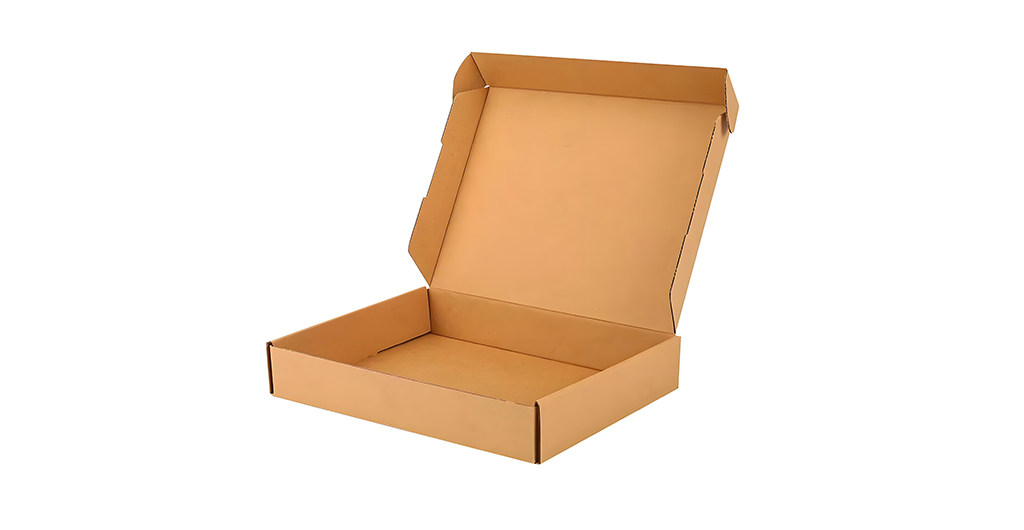
Think of a shipping box as a superhero for your stuff when it travels! It’s more than just a cardboard container; it’s a protective shield ensuring your items arrive safely at their destination. Why do we need them? Well, imagine trying to send a fragile vase across the country without a box. It wouldn’t stand a chance! A good shipping box packaging solution provides cushioning, prevents damage from bumps and drops, and keeps your items organized during transit. They are the backbone of e-commerce and essential for businesses of all sizes.
🤔 What Different Kinds of Shipping Boxes Are Available?
Just like there are different kinds of shoes for different activities, there are different kinds of shipping boxes for different needs. Knowing the types available can help you choose the perfect box for your specific items. Here are a few common types:
Regular Slotted Container (RSC): This is your standard shipping box. The flaps meet in the center when closed and are typically sealed with tape. It’s a versatile and cost-effective option for many items.
Die-Cut Boxes: These boxes are custom-designed and cut to specific shapes and sizes. They’re great for unique products or when you want a more branded packaging look.
** (FOL Boxes):** These shipping boxes have full overlap flaps, providing extra stacking strength and edge protection. They’re ideal for heavier items or when extra protection is needed.
Telescoping Boxes: These boxes have a lid that slides over the base. They’re often used for items that need to be easily accessible or for larger, bulky items.
Rigid Boxes: These are high-end packaging solutions often used for luxury goods. They’re strong and don’t fold, providing excellent protection.
Choosing the right type of shipping-box depends on the item’s size, weight, fragility, and your budget.
📏 How Do I Choose the Right Size Shipping Box for My Stuff?
Picking the right size shipping box is crucial. Too small, and your item might get damaged. Too big, and it can shift around during shipping, potentially leading to breakage and costing you more in shipping fees due to dimensional weight.
Here’s a simple way to find the right size:
Measure your item: Measure the length, width, and height of the item you want to ship.
Add cushioning: Account for the cushioning material you’ll use (like bubble wrap or packing peanuts). Add at least 2-3 inches to each dimension.
Find a close fit: Choose a shipping box that’s as close to those dimensions as possible without being too tight.
Example: Let’s say you’re shipping a book that’s 9 inches long, 6 inches wide, and 1 inch thick. Adding 2 inches for cushioning to each dimension gives you 11 inches long, 8 inches wide, and 3 inches thick. You’d look for a shipping-box close to those dimensions.
“From my experience, a slightly larger box with proper cushioning is always better than a too-small box. It provides that extra buffer against bumps and drops during transit,” I’ve learned over time.
💪 What Materials Are Shipping Boxes Made Of, and Which is Best?
Most shipping boxes are made from corrugated cardboard. But even within that, there are different types! The strength and durability of the shipping-box depend on the number of layers and the thickness of the cardboard.
Single-Wall Cardboard: This is the most common type, suitable for most lightweight to moderately heavy items.
Double-Wall Cardboard: This offers extra strength and is ideal for heavier or more fragile items. It has two layers of corrugated material.
Triple-Wall Cardboard: This is the strongest type, used for very heavy or valuable items that require maximum protection.
The best material for your shipping box packaging depends on what you’re sending. For everyday items, single-wall is usually sufficient. But for delicate electronics or heavy equipment, you’ll want to opt for double or even triple-wall cardboard.
♻️ Why is Recyclable Shipping Box Packaging Important?
In today’s world, choosing recyclable shipping box packaging isn’t just a good idea – it’s a responsibility. Here’s why it matters:
Environmental Impact: Using recyclable materials reduces the demand for new resources and minimizes waste going to landfills.
Consumer Preference: More and more consumers are prioritizing eco-friendly practices and appreciate businesses that do the same. Offering recyclableshipping-box options can be a significant selling point.
Brand Image: Using recyclable packaging enhances your brand image and demonstrates your commitment to sustainability.
Did you know? Cardboard is one of the most recycled materials globally! By choosing recyclable shipping boxes, you’re contributing to a circular economy.
💰 How Can I Save Money on Shipping Box Costs?
Shipping boxes can be a recurring expense, especially for businesses. Here are some ways to save money:
Buy in Bulk: Purchasing boxes in larger quantities often comes with discounted pricing.
Use Standard Sizes: Opting for standard shipping-box sizes can sometimes be cheaper than custom sizes.
Consider Recycled Options:Recyclableshipping box packaging might be more affordable than brand new options.
Optimize Box Size: As mentioned earlier, choosing the right size box minimizes dimensional weight charges.
Shop Around: Compare prices from different packaging suppliers to find the best deals.
“Over the years, I’ve found that planning ahead and buying shipping boxes in bulk during sales or promotions can lead to significant cost savings,” a valuable lesson learned through experience.
✨ Can I Get Custom Printed Shipping Box Packaging for Branding?
Absolutely! Custom printed shipping box packaging is a fantastic way to elevate your brand and make a lasting impression on your customers. Think of your shipping-box as a mini-billboard traveling to your customer’s doorstep.
Benefits of Custom Printing:
Brand Recognition: Displaying your logo and brand colors increases brand visibility.
Professionalism: Custom packaging gives your business a more polished and professional look.
Customer Experience: A well-designed shipping-box can enhance the unboxing experience and create a positive first impression.
Marketing Opportunity: You can even include marketing messages or social media handles on your custom packaging.
Many packaging suppliers offer custom printing services for shipping boxes. You can often upload your own designs or work with their design team to create something unique.
🤔 What are the Best Ways to Properly Pack a Shipping Box?
Even the sturdiest shipping box won’t protect your items if they’re not packed correctly. Here’s a step-by-step guide:
Choose the right size box: As we discussed, a snug fit with room for cushioning is ideal.
Use adequate cushioning: Wrap fragile items in bubble wrap, packing peanuts, or crumpled paper. Ensure there’s cushioning on all sides of the item.
Secure the item: Make sure the item doesn’t move around inside the box. Fill any empty spaces with cushioning material.
Seal the box securely: Use strong packing tape to seal all seams and flaps of the shipping-box. The “H-taping” method (taping along the center seam and both edge seams) provides the best security.
Clearly label the box: Include the recipient’s address and your return address clearly and legibly.
Pro Tip: For extra protection, consider double-boxing fragile items. Place the item in a smaller box with cushioning, then place that box inside a larger shipping box with more cushioning.
📝 Where Can I Buy High-Quality and Affordable Shipping Boxes?
Finding reliable and affordable shipping boxes is essential. Here are some common places to purchase them:
Online Retailers: Websites like Amazon, Uline, and specialized packaging suppliers offer a wide variety of shipping boxes in different sizes and quantities.
Office Supply Stores: Stores like Staples and Office Depot often carry a selection of standard shipping boxes.
Local Packaging Supply Stores: These stores specialize in packaging materials and often offer competitive prices and a wider selection.
Shipping Carriers: Carriers like FedEx, UPS, and USPS sell their own branded shipping boxes, which can be convenient but sometimes more expensive.
When choosing a supplier, compare prices, shipping costs, and the quality of the boxes to find the best option for your needs. Don’t forget to check for recyclable options!
💡 What’s the Future of Shipping Box Packaging?
The shipping box industry is constantly evolving, driven by factors like e-commerce growth and increasing environmental awareness. Here are some trends to watch for:
Sustainable Materials: Expect to see more innovative and eco-friendly packaging materials beyond traditional cardboard, such as mushroom packaging or plant-based alternatives.
Smart Packaging: Integration of technology like sensors and RFID tags to track shipments and monitor conditions.
Customization and Personalization: Further advancements in printing technology will allow for even more personalized and engaging packaging designs.
Reduced Packaging: Efforts to minimize packaging material while still ensuring product protection.
The future of shipping box packaging is likely to be more sustainable, smarter, and more tailored to individual needs.
In summary, remember these key points about shipping boxes:
Shipping boxes are crucial for protecting items during transit.
Different types of boxes exist for various needs.
Choosing the right size and material is essential for protection and cost-effectiveness.
Recyclable shipping box packaging is an environmentally responsible choice.
Custom printed packaging enhances branding.
Proper packing techniques are vital for preventing damage.
Compare prices and options when buying shipping boxes.
The packaging industry is constantly innovating towards sustainability and efficiency.
By understanding these key aspects of shipping boxes, you’re well-equipped to make informed decisions for all your shipping needs!