Zibo City, Shandong Province

Have Any Questions?

10 AM – 6 PM
Zibo City, Shandong Province
Have Any Questions?
10 AM – 6 PM

Have Any Questions?

Ever wondered about those brown boxes that seem to be everywhere? They’re called Regular Slotted Cartons, or RSCs for short, and they’re the unsung heroes of packaging! This article will dive deep into the world of RSCs, explaining what makes them so popular, how they’re made, and why they’re a fantastic, often recyclable, choice for businesses big and small. Whether you’re shipping toys, tools, or tasty treats, understanding RSCs can help you make smart packaging decisions. Get ready to explore the world of these versatile and reliable boxes!
Imagine a box. Now, picture the flaps on top and bottom all meeting in the middle when you close it. That, in its simplest form, is a Regular Slotted Carton! But what makes it so “regular,” and why is it such a go-to choice for packaging? Let’s unfold the details.
A Regular Slotted-Carton is a standard design in the world of packaging. Its defining feature is that all the flaps are the same length, and when folded, the two outer flaps meet in the center. This symmetrical design makes it incredibly efficient to manufacture and easy to use. Think of it like the reliable “button” you press to get things moving – simple, effective, and readily available. Its straightforward construction contributes significantly to its cost-effectiveness, making it an attractive option for businesses mindful of their budget.
The beauty of the Regular Slotted Carton packaging lies in its simplicity. Unlike more complex box designs, the RSC doesn’t require intricate cutting or folding. This ease of manufacturing translates to lower production costs and faster turnaround times, both crucial factors in today’s fast-paced market. Furthermore, the uniform flap design makes it easy to seal with tape or adhesives, whether manually or through automated processes. This inherent simplicity is a key reason why RSCs have remained a staple in the packaging industry for so long.
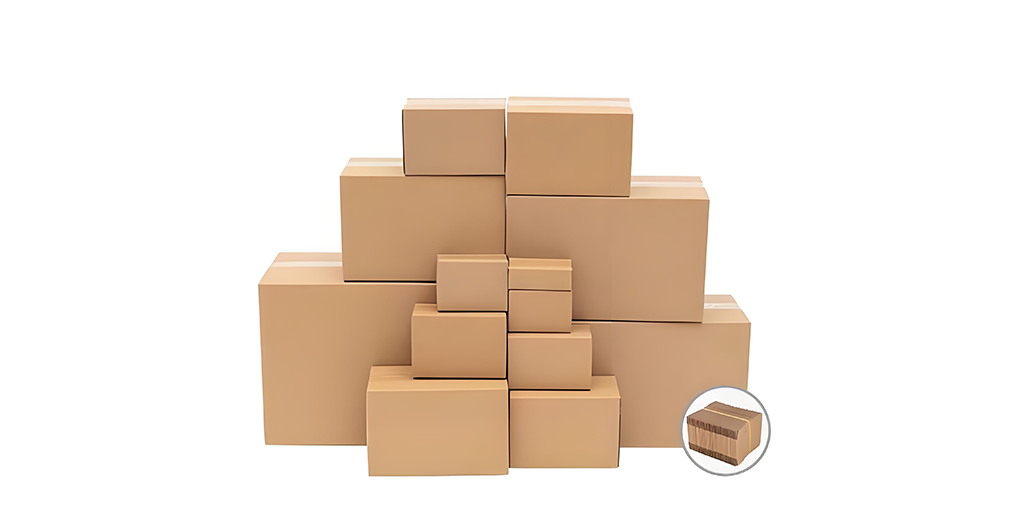
If you look around any warehouse, store, or even your own doorstep after a delivery, chances are you’ll spot a Regular-Slotted box. But what makes this design so incredibly popular? Let’s unpack the reasons behind its widespread adoption.
The versatility of the Regular Slotted design is a major contributing factor to its popularity. These cartons can be made in a vast range of sizes, from tiny boxes for delicate electronics to large containers for furniture parts. This adaptability means they can be used across countless industries and for a wide array of products. Imagine needing packaging for fragile glassware versus sturdy tools – the RSC can be tailored to fit both, offering a reliable solution regardless of the contents.
Another significant advantage is the cost-effectiveness of Regular Slotted Carton packaging. The simple design and efficient manufacturing process translate to lower production costs compared to more complex box styles. This affordability is especially appealing to businesses of all sizes, allowing them to allocate resources to other crucial areas. Think of it as getting the most bang for your buck – a reliable packaging solution without breaking the bank.
While seemingly simple, the design of a Regular Slotted Carton is carefully considered for optimal functionality. What are the key design elements that contribute to its effectiveness?
The equal-length flaps of a Regular Slotted-Carton are a defining characteristic. This design ensures that when closed, the flaps meet neatly in the center, providing a secure closure and a flat surface for stacking. This uniformity simplifies the sealing process and contributes to the overall structural integrity of the box. Imagine a perfectly aligned door – it closes smoothly and securely, just like the flaps of an RSC.
The efficient use of material in the Regular Slotted design is another important aspect. By minimizing waste during the cutting and folding process, RSCs are a relatively sustainable packaging option, especially when made from recycled materials. This efficient design not only reduces environmental impact but also helps to keep production costs down. It’s like being a clever tailor, making the most of every piece of fabric.
The strength and durability of a Regular Slotted Carton depend significantly on the materials used in its construction. What are the common materials that go into making these reliable boxes?
Cardboard, specifically corrugated cardboard, is the primary material used for Regular Slotted Carton packaging. Corrugated cardboard consists of three layers: an inside liner, an outside liner, and a fluted (wavy) middle layer. This fluted layer provides cushioning and strength, making it ideal for protecting goods during transit. Think of it like a built-in shock absorber for your products.
The type and thickness of the corrugated cardboard can vary depending on the intended use of the Regular Slotted. For lighter items, a thinner, single-wall cardboard might suffice, while heavier or more fragile items may require double-wall or even triple-wall cardboard for added protection. It’s like choosing the right armor for a knight, depending on the challenges they might face.
Have you ever wondered how those ubiquitous brown boxes are actually made? Let’s take a peek behind the scenes and explore the manufacturing process of Regular Slotted Cartons.
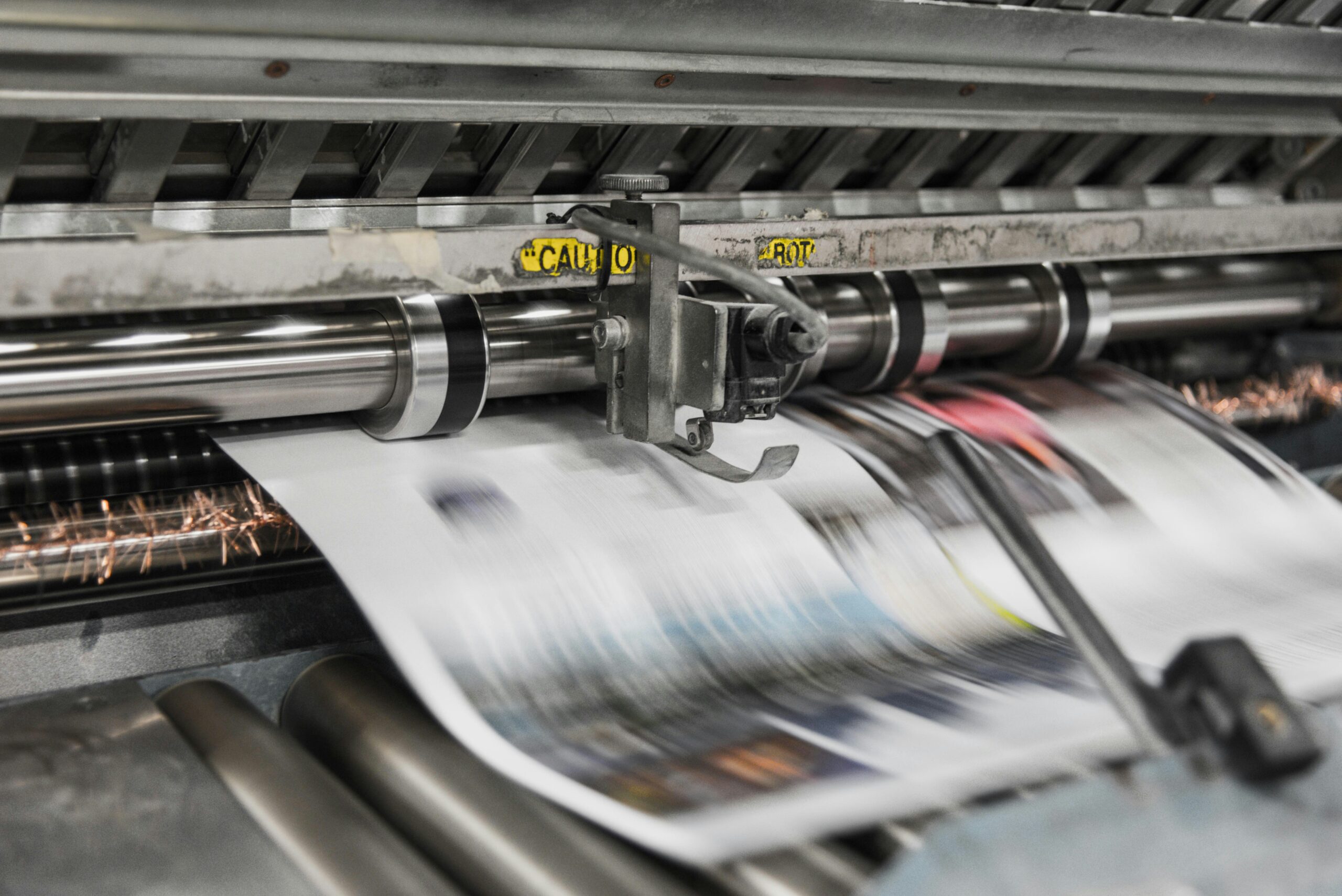
The manufacturing of a Regular Slotted Carton typically begins with large rolls of corrugated cardboard. These rolls are fed into a machine called a corrugator, which precisely cuts, scores (creates folding lines), and slots the cardboard according to the specified dimensions of the box. Imagine a giant, incredibly precise cookie cutter shaping the cardboard into the desired form.
Next, the cut and scored cardboard sheets, known as blanks, are often printed with branding, logos, or handling instructions. The blanks are then folded and glued or stitched together to form the final Regular Slotted Carton packaging. This process can be highly automated, allowing for efficient and high-volume production. It’s a streamlined dance of machinery, transforming flat sheets into functional boxes.
While the basic design is standard, Regular Slotted Cartons offer surprisingly diverse customization options. How can businesses tailor these boxes to their specific needs?
Custom printing is a popular way to personalize Regular Slotted Packaging. Businesses can add their logos, branding colors, product information, or even eye-catching designs to make their packaging stand out. Think of it as adding your signature to your product – making it instantly recognizable.
Beyond printing, the dimensions of the Regular Slotted Carton can be fully customized to perfectly fit the product being shipped. This ensures optimal protection and minimizes wasted space during transportation. It’s like having a tailor-made suit for your product, ensuring a snug and secure fit.
With so many packaging options available, how does the Regular Slotted Carton stack up against the competition? When is it the best choice, and when might other options be more suitable?
Compared to die-cut boxes, which have more intricate designs and require special cutting tools, Regular Slotted cartons are generally more cost-effective for simpler packaging needs. Die-cut boxes are great for unique shapes and presentation, but RSCs excel in providing reliable and affordable protection for standard shapes. Think of it as choosing between a practical everyday car and a specialized sports car – both have their purpose.
Compared to rigid boxes or plastic containers, Regular Slotted Carton packaging offers a lightweight and often more sustainable option. While rigid boxes offer premium presentation and plastic provides moisture resistance, RSCs are easily recyclable and biodegradable. It’s a trade-off between luxury and practicality, with RSCs often leaning towards the eco-conscious choice.
In today’s environmentally conscious world, the sustainability of packaging is a major consideration. How does the Regular Slotted Carton fare in terms of environmental impact?
One of the key advantages of Regular Slotted cartons is their recyclability. Corrugated cardboard is one of the most widely recycled materials, meaning that these boxes can often be diverted from landfills and turned into new packaging. Think of it as giving the cardboard a new lease on life.
Furthermore, many Regular Slotted Carton packaging manufacturers use recycled content in their production process. This reduces the demand for virgin resources and further minimizes the environmental footprint. It’s like closing the loop, creating a more sustainable packaging cycle.
“Choosing recyclable packaging is a crucial step towards a more sustainable future for businesses and the planet.” – Source: Environmental Protection Agency
For businesses of all sizes, cost is a significant factor in packaging decisions. How does the Regular Slotted Carton offer a budget-friendly solution without compromising on quality?
As mentioned earlier, the simple design and efficient manufacturing process of Regular Slotted Carton packaging contribute to lower production costs compared to more complex options. This direct cost saving can significantly impact a business’s bottom line. It’s like finding a reliable product at a great price – a win-win situation.
Furthermore, the lightweight nature of Regular Slotted cartons can lead to lower shipping costs. Every ounce counts when it comes to transportation, and using lighter packaging can result in significant savings over time. Think of it as trimming the fat on your shipping expenses.
While the basic design has remained consistent, the world of Regular Slotted Cartons is not stagnant. What are some emerging trends and innovations shaping the future of this packaging staple?
Innovations in printing technology are allowing for more vibrant and detailed graphics on Regular Slotted Packaging, enhancing branding opportunities and shelf appeal. Imagine boxes that not only protect your product but also act as mini billboards.
There’s also a growing focus on developing even more sustainable Regular Slotted Carton solutions, such as using plant-based coatings for water resistance and exploring new recycled fiber sources. The push towards eco-friendly packaging is driving continuous innovation in the industry.
Key things to remember about Regular Slotted Cartons:
Understanding RSCs helps businesses make informed packaging decisions.
They are a standard box design with all flaps of equal length.
Their simplicity makes them cost-effective to manufacture.
They are highly versatile and can be made in various sizes.
Corrugated cardboard is the primary material, offering good protection.
They are generally recyclable and can be made from recycled content.
Customization options include printing and size adjustments.
They are a popular and reliable choice for a wide range of industries.
They offer a good balance of cost, functionality, and sustainability.
Innovations are continually improving their environmental friendliness and visual appeal.
You can leave any questions. We will see and answer you.