Zibo City, Shandong Province

Have Any Questions?

10 AM – 6 PM
Zibo City, Shandong Province
Have Any Questions?
10 AM – 6 PM

Have Any Questions?
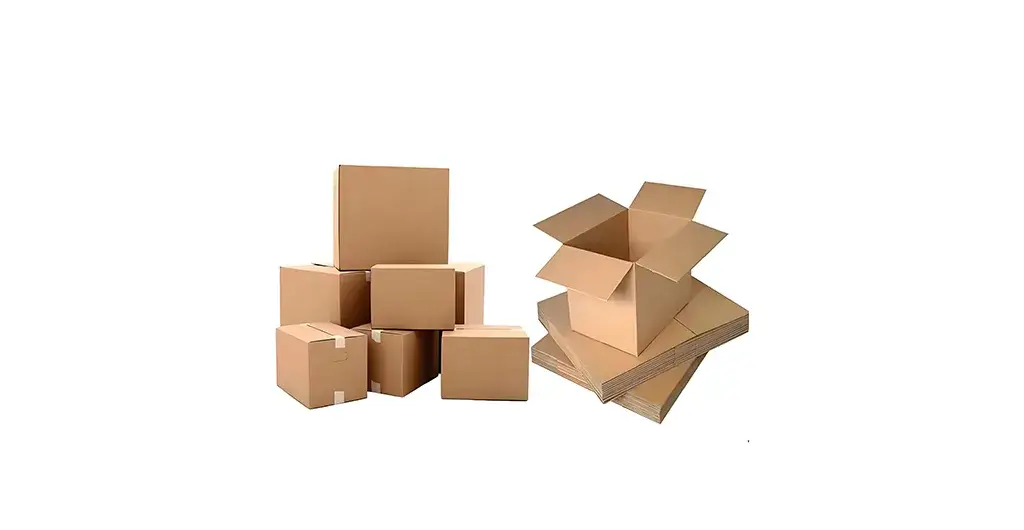

If you ship e-commerce orders in a box bigger than the product inside, you are paying to ship empty space. Carriers do not only weigh your parcel — they measure it. When the box is large for its weight, the carrier bills you on its size instead. That is DIM weight, and for a brand shipping hundreds of parcels a month, it is one of the easiest costs to cut — by choosing the right box.
DIM weight — dimensional weight — is what the carrier charges for the space a parcel takes up: a weight worked out from the parcel’s outside dimensions, compared with the actual weight, and the higher of the two is what you are billed on.
So two parcels holding the same product can cost different amounts to ship, simply because one is in a bigger box. A box that is only a little too big on every side adds up fast across a month of orders. The fix is not a cheaper carrier. It is a box that fits.
A right-sized box starts with the product, not with a standard box size. Send the product’s size and shape, and the box is built around it: inside dimensions that hold the product snug, with room for the protection it actually needs and no more.
The answer differs by order. A single-item order may suit a corrugated mailer — light, easy to open, easy to recycle. A multi-item order needs a shipping box with room for the products and their protection. A subscription box goes out every month, so it has to pack the same way every time. In each case the question is the same: what is the smallest box that still protects the product? If your current box leaves a wide gap around the product, that gap is what DIM weight is charging you for.
Cutting size only saves money if the box still does its job. A smaller box that crushes in transit costs more than the freight it saved — in replacements and refunds. So the box has to be sized to the load it carries.
Foho sizes corrugated boxes to the packing weight you send us: the box, and the wall that goes into it, are matched to how heavy the packed order is and how it will be handled and stacked. A light mailer and a heavy multi-item shipper are not the same box — tell us the packing weight and we will match the box to it. That is why it is the first item on the quote checklist below.
For a direct-to-consumer brand, the shipping box is often the only physical contact the customer has with the brand. Foho offers colour printing and water-based ink printing, so a brand can print its logo, colours and message on the outside of the box, and the delivery becomes part of the product.
A printed, right-sized box does two jobs at once: it arrives looking considered, and it costs less to ship than the oversized plain box it replaces.
To get a quote, send these four items to sales@fohopackaging.com:
Samples generally take 2 weeks and production generally takes 10–30 days depending on order quantity. Payment terms are confirmed for each order, and all trade terms can be done.
How do I know if DIM weight is costing me money?
If your parcels ship in boxes with visible empty space around the product, or one standard box serves orders of very different sizes, DIM weight is very likely adding to your freight bill.
Will a smaller box still protect my product?
Yes — if it is sized to the packing weight. A right-sized box protects better than an oversized one, because the product cannot move around inside it.
Can I get the same box printed for my brand?
Yes. Foho offers colour printing and water-based ink printing on corrugated boxes and mailers, so the box carries your brand as well as your product.
You can leave any questions. We will see and answer you.