Zibo City, Shandong Province

Have Any Questions?

10 AM – 6 PM
Zibo City, Shandong Province
Have Any Questions?
10 AM – 6 PM

Have Any Questions?
FOHO supplies custom folding cartons for brands, distributors and procurement teams that need paperboard packaging designed around product fit, print presentation, folding and assembly, packing efficiency, retail display and logistics efficiency.
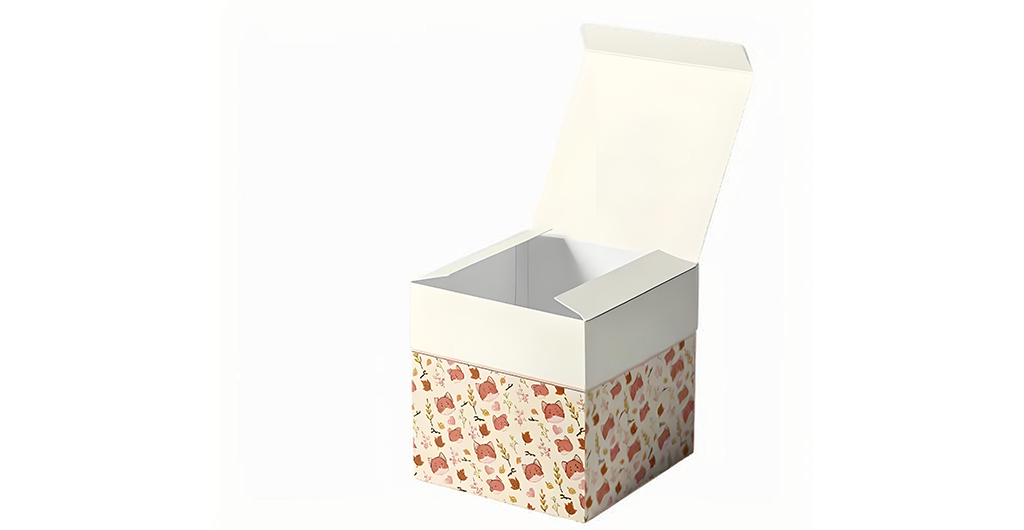
A folding carton is usually specified around the product, shelf environment and packing process. Buyers can define dimensions, carton structure, paperboard choice, printing, die-cutting, window requirements where applicable, inserts where suitable, surface finishing when confirmed for the project and the preferred packing format.
The goal is not only to make a box that looks right. A good folding carton should fold cleanly, hold the product securely, support efficient packing and present the product clearly in retail or distribution channels.
Different carton structures solve different packing and display problems. FOHO’s existing structure pages cover specific styles such as straight tuck end boxes and tuck end snap lock bottom boxes. This page acts as the broader commercial parent for buyers comparing folding carton options.
| Structure | Buyer Use Case | Decision Notes |
|---|---|---|
| Straight Tuck End | Retail cartons where both tuck flaps close in the same direction. | Useful when clean presentation and straightforward assembly are priorities. |
| Reverse Tuck End | Light retail and consumer products. | Often considered when a compact carton format is needed. |
| Snap-Lock Bottom | Products needing stronger bottom support than a simple tuck closure. | Can improve packing confidence for suitable product weights. |
| Hanger Cartons | Retail products displayed on hooks or pegs. | Requires attention to hang hole position and product weight. |
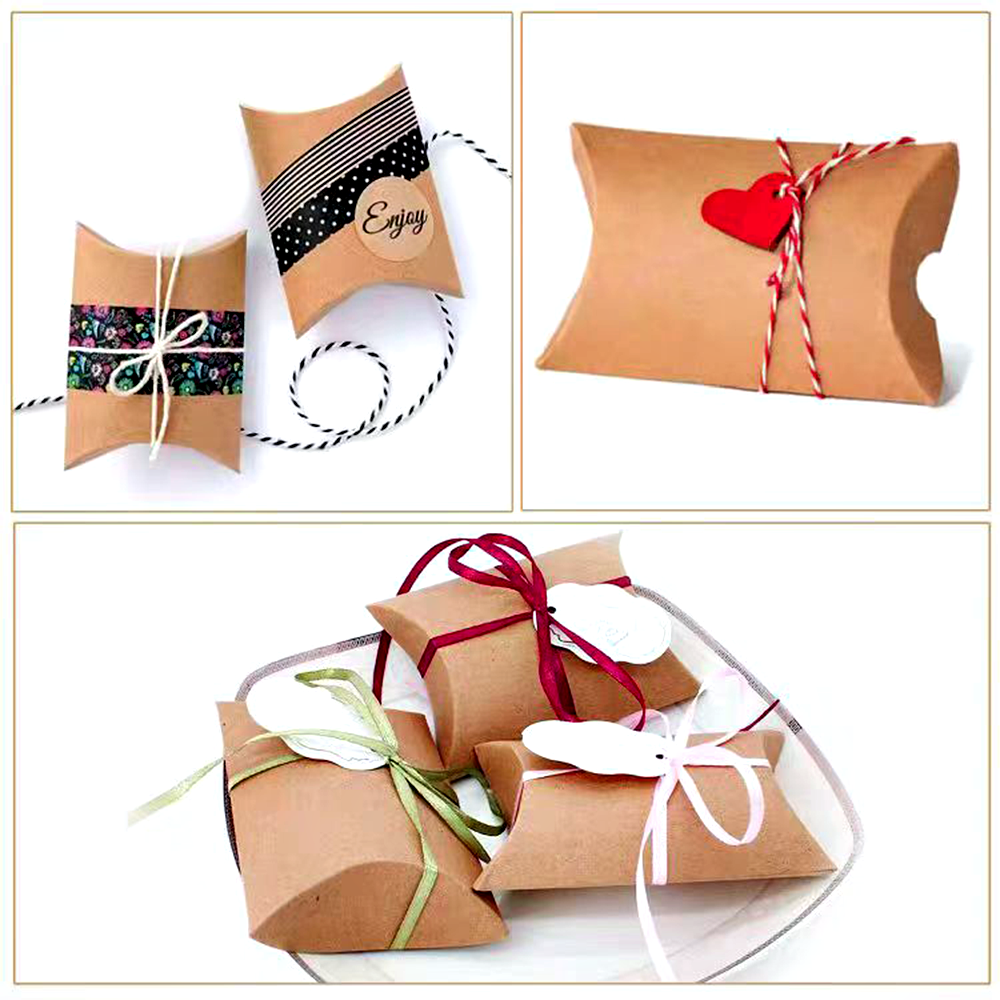
| Pillow Boxes | Small gifts, accessories or promotional packaging. | Best treated as a specialty presentation style, not a universal carton. |
Paperboard selection affects stiffness, foldability, print surface, carton feel and shelf presentation. Buyers should consider product weight, required carton shape, folding lines, print expectations and how the carton will be packed or displayed.
Folding cartons use paperboard, not corrugated board. If the project depends on solid paperboard material selection, compare the application with paperboard. If the product requires stronger shipping protection, corrugated box options may be more suitable.
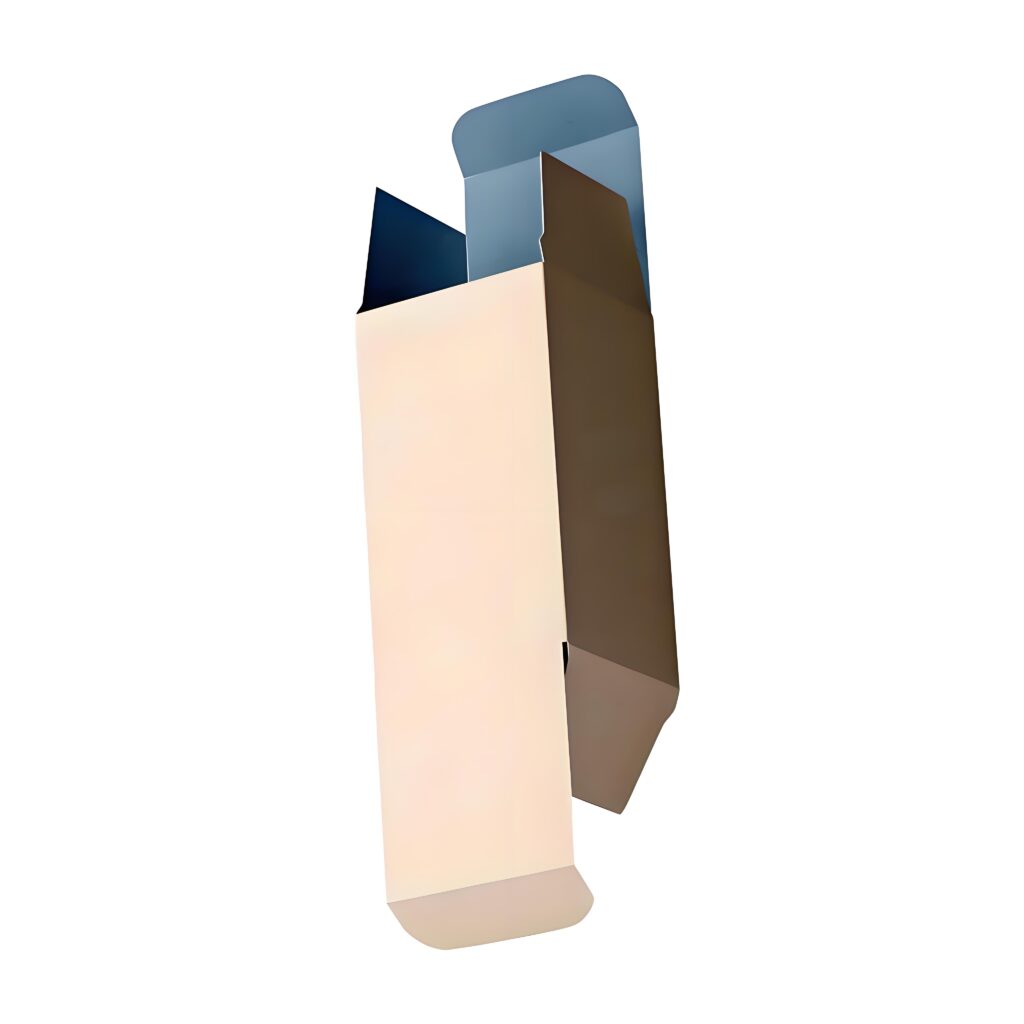
For folding cartons, printing and finishing should be selected around the product’s retail role, graphic expectations, board surface and order requirements. Printed folding cartons can support brand recognition, product information and retail presentation, but the final print method and finishing options should be confirmed during quoting.
If your project needs specific finishes such as lamination, foil stamping, embossing, spot UV or windowing, include those requirements in the RFQ. FOHO can then confirm which options are suitable for the carton structure and artwork.
| Packaging Type | Material | Best Fit | Logistics Notes |
|---|---|---|---|
| Folding Carton | Paperboard | Retail products, light consumer goods, accessories and compact product packaging. | Can usually ship flat before final assembly, helping storage and packing efficiency. |
| Corrugated Box | Corrugated board | Shipping protection, e-commerce cartons, mailers and heavier distribution packaging. | Better suited when stacking, cushioning and transport protection are key. |
| Rigid Box | Thicker wrapped board construction | Premium gift, luxury and presentation packaging. | Usually offers a more premium structure but is less flat-pack efficient than folding cartons. |
For broader packaging comparisons, review boxes by style, retail boxes and rigid boxes.
Custom folding cartons are commonly considered for retail products, electronics accessories, personal care items, small hardware, promotional packaging and general consumer products. For food or regulated applications, provide the product requirements early so suitability can be reviewed before production decisions are made.
Folding carton quality should be checked through practical production categories: dimensions, die-cut accuracy, crease quality, folding performance, glue integrity, print registration, color consistency, surface finishing and packing inspection.
Because folding cartons can generally ship flat before final assembly, they may help reduce storage volume and support efficient packing operations. The actual logistics result depends on carton size, board selection, packing quantity and shipping method.
Send the product size, product weight, target carton dimensions, structure, paperboard requirement if known, printing, finishing, quantity, packing method and destination.
The right structure depends on product weight, shelf presentation, opening experience, packing speed and bottom support. A reference sample or dieline helps narrow the choice.
Yes. Folding carton dimensions should be designed around the product, board thickness, folding allowances and packing requirements.
Folding cartons are paperboard boxes that can usually ship flat and fold into shape. Rigid boxes use a thicker wrapped-board construction and are usually selected for premium presentation.
In many cases, yes. Flat shipping depends on the carton structure and packing plan, so confirm the requirement during the RFQ stage.
Send your size, structure, printing, finishing, quantity and destination requirements so FOHO can review the carton specification.
You can leave any questions. We will see and answer you.