Zibo City, Shandong Province

Have Any Questions?

10 AM – 6 PM
Zibo City, Shandong Province
Have Any Questions?
10 AM – 6 PM

Have Any Questions?
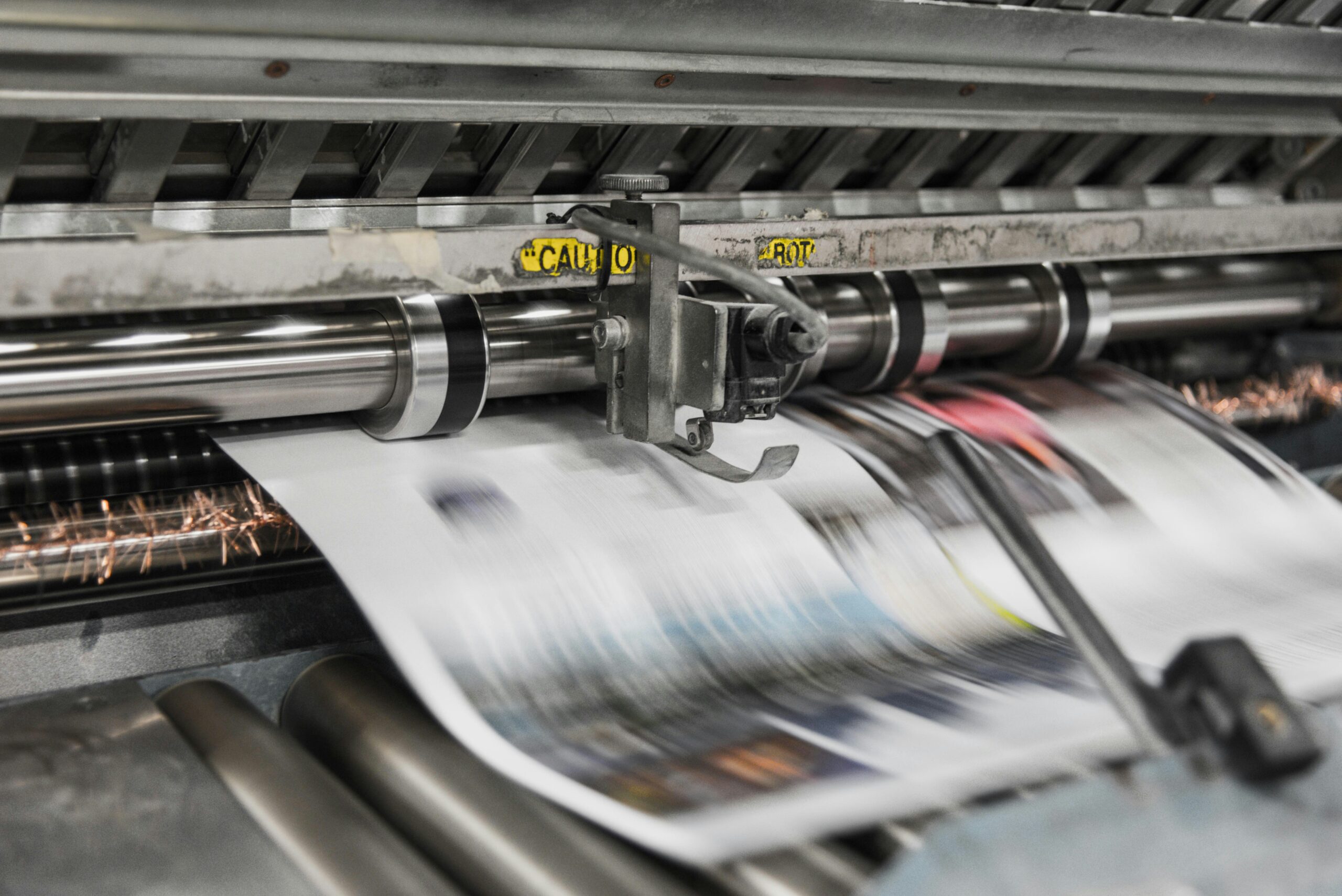

In manufacturing, bad news is inevitable. Machines break, paper mills run late, and humidity ruins glue. However, in my experience, the problem isn’t the delay itself; it’s the surprise. There is nothing worse than emailing a supplier for a shipping update only to be told, "Oh, we had a problem two weeks ago, so we haven’t started yet." That silence destroys supply chains.
To protect your business, you must shift the dynamic from reactive to proactive. You cannot rely on the factory’s goodwill to tell you when things go wrong. You need a structured Communication Protocol. This guide is my blueprint for setting up that system. I will show you how to mandate a "24-Hour Notification Rule," what specific details to demand in an incident report, and how to ensure that every problem comes attached with a solution.

Time is your most valuable asset during a crisis. I include a clause in every agreement stating that any event affecting the delivery date or quality must be communicated within 24 hours of discovery. This ensures supply chain visibility 1. If a machine breaks on Tuesday, I need to know by Wednesday, not next week.
Confusion breeds delay. You must identify one person—usually the Project Manager or Senior Merchandiser—who is responsible for the bad news. Do not rely on a general "sales@factory.com" address. Having a direct line to a specific individual ensures accountability when things go wrong.
Don’t accept a message that just says, "We have a problem." Require a structured report. It must include: 1. The Root Cause (What happened?), 2. The Scope (How many units affected?), and 3. The Proposed Solution (How do we fix it?). This forces the factory to use Root Cause Analysis 2 rather than just making excuses.
In China, business moves on WeChat 3. I create a group chat for the project to get instant updates. However, any agreement regarding delays or costs must be confirmed via email. WeChat is for the alert; email is for the legal record.
Don’t wait for them to call you. Schedule check-ins at critical milestones: "Material Arrival," "Printing Start," "Assembly Start." If the factory misses a milestone check-in, treat it as a red flag. This aligns with the production lead time 4 you agreed upon.
If they say "the paper is wet," ask for a photo. If they say "printing is done," ask for a video. Visual evidence verifies the truth and helps you understand the severity of the issue. It prevents the factory from exaggerating (or downplaying) the problem.
Your inspector is your eyes on the ground. Instruct your quality control 5 agency to notify you immediately if they see production stopped or piles of rework, even if the factory hasn’t told you. Often, the inspector finds out about the delay before the sales rep does.
Every problem changes the schedule. When a delay is reported, demand a revised Gantt chart 6 showing the new completion date. Do not accept "a few days delay." You need a specific date to manage your own logistics and customer expectations.
If the delay is the factory’s fault (e.g., they ordered the wrong paper), they should bear the cost of the solution. This might mean paying for overtime labor or upgrading a portion of the shipment to air freight 7 to catch up. Establish this principle early.
Put it in writing. Your manufacturing agreement 8 should state that failure to report a known delay within the agreed timeframe is a breach of contract. This adds a legal and financial incentive for transparency.

| Feature | Reactive (Standard) | Proactive (Your Goal) |
|---|---|---|
| Trigger | You ask "Where is it?" | Factory alerts you instantly |
| Timing | Days/Weeks after event | Within 24 hours |
| Content | Vague excuses | Root cause & data |
| Solution | "We are trying" | "Here is the plan" |
| Result | Panic & Missed Dates | Control & Mitigation |
To make it easy for your supplier, provide them with a simple template to fill out if an issue occurs.
Managing packaging production delays is about removing the fear of reporting. You want your supplier to know that you can handle bad news, but you cannot handle secrets. By establishing a clear protocol, using multiple channels (WeChat + Email), and demanding a "Problem + Solution" mindset, you turn a potential crisis into a managed event. You stay in the driver’s seat, ensuring that even when things go wrong, your business keeps moving forward.
How will I be notified if there’s a problem or delay during my packaging production?
You should be notified via email for formal records and instant messaging (WeChat/WhatsApp) for speed. You must establish this expectation upfront, or the factory may default to silence until you ask.
What is your communication protocol for handling production issues?
My protocol is the "24-Hour Rule." The factory must notify me within 24 hours of discovering any issue that impacts quality or timeline. They must provide the root cause, the impact, and a proposed solution.
How quickly will you inform me after a problem has been discovered?
If you set the right standards, you should be informed immediately. However, without a protocol, factories often wait until they have fixed it (or failed to fix it) before telling you, which can be days or weeks later.
Will you provide me with a solution or action plan when you report a problem?
You must demand this. Do not accept a problem without a plan. If they say "paper is late," ask "What is the new date? Can we source from another mill? Can we work overtime to catch up?"
Who is my main point of contact for urgent issues?
Your main contact should be your assigned Project Manager or Merchandiser. Ensure you have their mobile number (for WeChat/WhatsApp), not just their office email, so you can reach them during their working hours for urgent matters.
1. The importance of visibility in modern supply chains. ↩︎
2. Using Root Cause Analysis to solve manufacturing problems. ↩︎
3. How WeChat is used for business communication in China. ↩︎
4. Understanding lead times in production planning. ↩︎
5. Principles of quality control and assurance. ↩︎
6. Using Gantt charts to track project schedules. ↩︎
7. Cost comparison of air freight vs ocean freight. ↩︎
8. Key clauses to include in a manufacturing contract. ↩︎
You can leave any questions. We will see and answer you.