Zibo City, Shandong Province

Have Any Questions?

10 AM – 6 PM
Zibo City, Shandong Province
Have Any Questions?
10 AM – 6 PM

Have Any Questions?

The most important document you will receive during the entire manufacturing process is not the invoice; it is the inspection report. This PDF is the only thing standing between you and a container full of unsellable boxes. Yet, many buyers glance at the "PASS" stamp on the first page and authorize the shipment without reading the details. This is a mistake.
A "PASS" result can still hide 2% major defects. A "FAIL" result might be due to a minor barcode sticker issue that you don’t care about. To make an informed decision, you need to know how to decode the data. This guide will walk you through the anatomy of a standard inspection report. I will explain what specific photos to look for, how to interpret the AQL defect tables, and why you must demand to see this report before you wire your final payment.
The first page gives you the verdict. The inspector will grade the shipment based on your criteria.
Inspectors count the master cartons. If you ordered 10,000 units but only 9,000 are packed and ready, the report will flag this. This prevents "short shipping," ensuring you don’t pay for goods that haven’t been produced yet.
The report will state the AQL Standard 1 used (e.g., Level II, AQL 2.5). It will show the "Lot Size" (total order) and the "Sample Size" (how many units were actually opened). For an order of 3,200 boxes, they might inspect 125 units. Understanding this ratio helps you gauge the reliability of the result.
This is the heart of the report. Defects are sorted into three buckets:
A good report is 50% photos. You should see high-res images of:
The inspector will use calipers to measure the length, width, height, and thickness of the boxes. The report will list your "Required Spec" vs. the "Actual Measurement." If your spec was 100mm and the actual is 102mm, it will be highlighted. You must decide if this tolerance is acceptable.
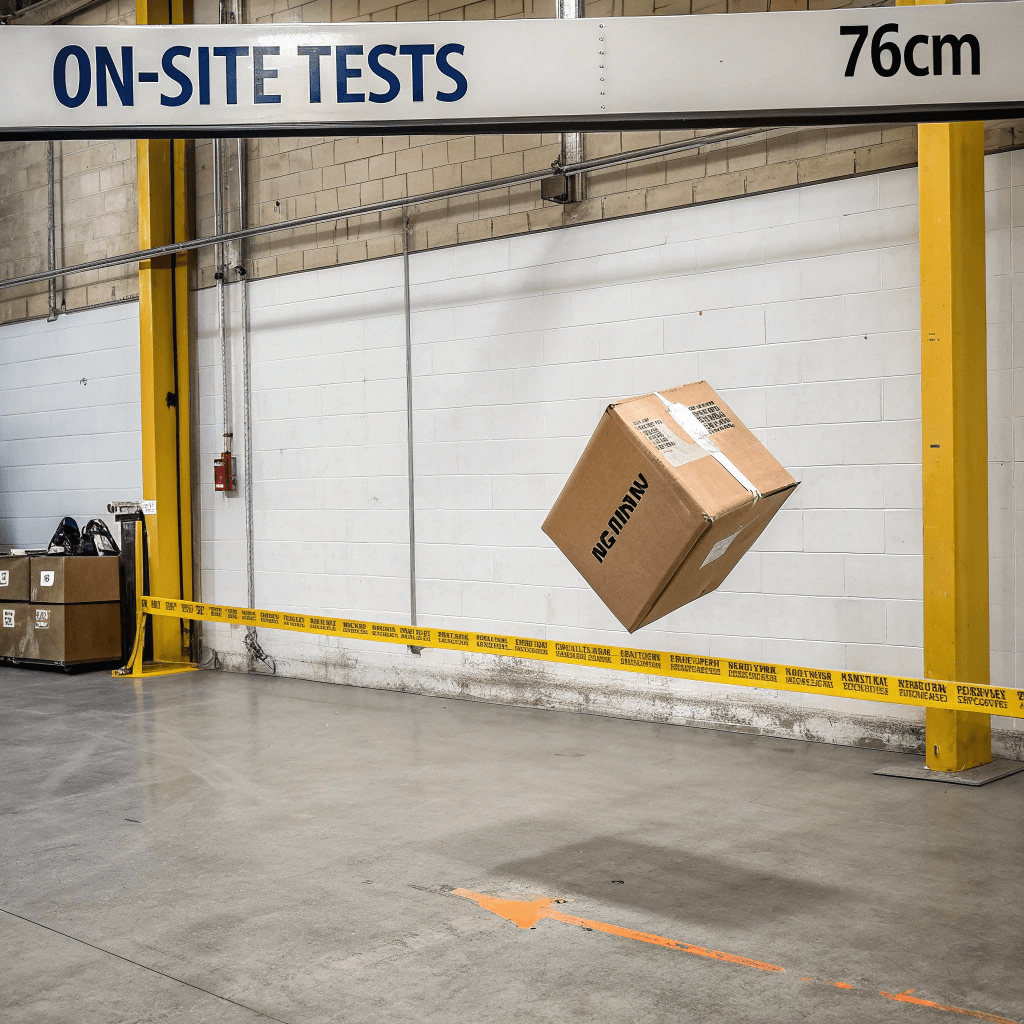
The report will detail the results of physical tests performed at the factory.
Inspectors check the outer cartons. Are the shipping marks 2 correct? Is the carton weight within limits? Are they using pallets? Incorrect markings can lead to customs delays or lost cargo, so verify the photos of the carton labels carefully.
Read the inspector’s handwritten notes. They often add context that doesn’t fit into the checkboxes. For example: "Factory manager was uncooperative" or "Lighting in the inspection room was poor." These are subtle red flags about the factory’s attitude.
If the report is a "FAIL," do not panic. Use it as leverage. Send the report to the supplier and ask for their Corrective Action Plan (CAP) 3.

| Scenario | Defect Count (Sample 200) | Result | Your Action |
|---|---|---|---|
| Perfect Run | 0 Major, 2 Minor | PASS | Approve shipment immediately. |
| Borderline | 5 Major (Limit 5), 8 Minor | PASS | Approve, but warn factory to improve. |
| Quality Fail | 8 Major (Limit 5) | FAIL | Reject. Demand rework and re-inspection. |
| Safety Fail | 1 Critical (Limit 0) | FAIL | Reject immediately. Serious investigation needed. |
Sometimes an inspector marks a report "PENDING" because the defect is subjective (e.g., "Logo color is slightly lighter than sample").
The inspection report is your eyes and ears on the ground. It transforms a blind transaction into a data-driven decision. By meticulously reviewing the defect photos, checking the dimensions against your specs, and understanding the AQL math, you can confidently authorize shipment—or hit the brakes before it’s too late. Remember, once the goods leave China, you own the quality. Make sure you know exactly what you are buying.
What kind of inspection report will I receive before my packaging order is shipped?
You will receive a Pre-Shipment Inspection (PSI) Report. This is a detailed PDF document (usually 20-50 pages) generated by the third-party inspection agency. It summarizes the quality of the finished goods based on a random sampling.
What information is included in a standard pre-shipment inspection report?
It includes: 1. Quantity check (finished vs. packed). 2. Workmanship check (visual defects). 3. On-site tests (drop test, barcode scan, fit test). 4. Product specs (dimensions, weight). 5. Packaging check (shipping marks, carton quality).
Will the report include detailed photos of the products, packaging, and shipping marks?
Yes. A professional report should be packed with high-resolution photos. You should see photos of the defects, photos of the measurements (with calipers visible), and photos of the pallets and master cartons.
How will I know if my order has passed or failed the inspection?
The first page will have an "Overall Result" section marked PASS, FAIL, or PENDING. This result is based on the AQL (Acceptable Quality Limit) standard you agreed upon. If the number of defects found exceeds the limit, it fails.
Can I see the inspection report before I pay my final balance?
Yes, absolutely. This is the most critical rule of sourcing. You must state in your contract: "Balance payment will be released only after the Buyer receives and approves the passing Inspection Report." Never pay the 70% balance until you have reviewed this document.
1. Detailed explanation of AQL standards and how to use them. ↩︎
2. Why shipping marks are essential for logistics and customs. ↩︎
3. How to write and implement a corrective action plan. ↩︎
4. Guidelines for conducting effective pre-shipment inspections. ↩︎
5. The importance of barcode verification in retail supply chains. ↩︎
6. Understanding carton drop testing standards like ISTA 1A. ↩︎
7. Procedures for ink rub testing to ensure durability. ↩︎
8. Best practices for defect classification in manufacturing. ↩︎
9. Overview of dimensional inspection tools and methods. ↩︎
10. Strategies for negotiating with suppliers after a failed inspection. ↩︎
You can leave any questions. We will see and answer you.