Zibo City, Shandong Province

Have Any Questions?

10 AM – 6 PM
Zibo City, Shandong Province
Have Any Questions?
10 AM – 6 PM

Have Any Questions?
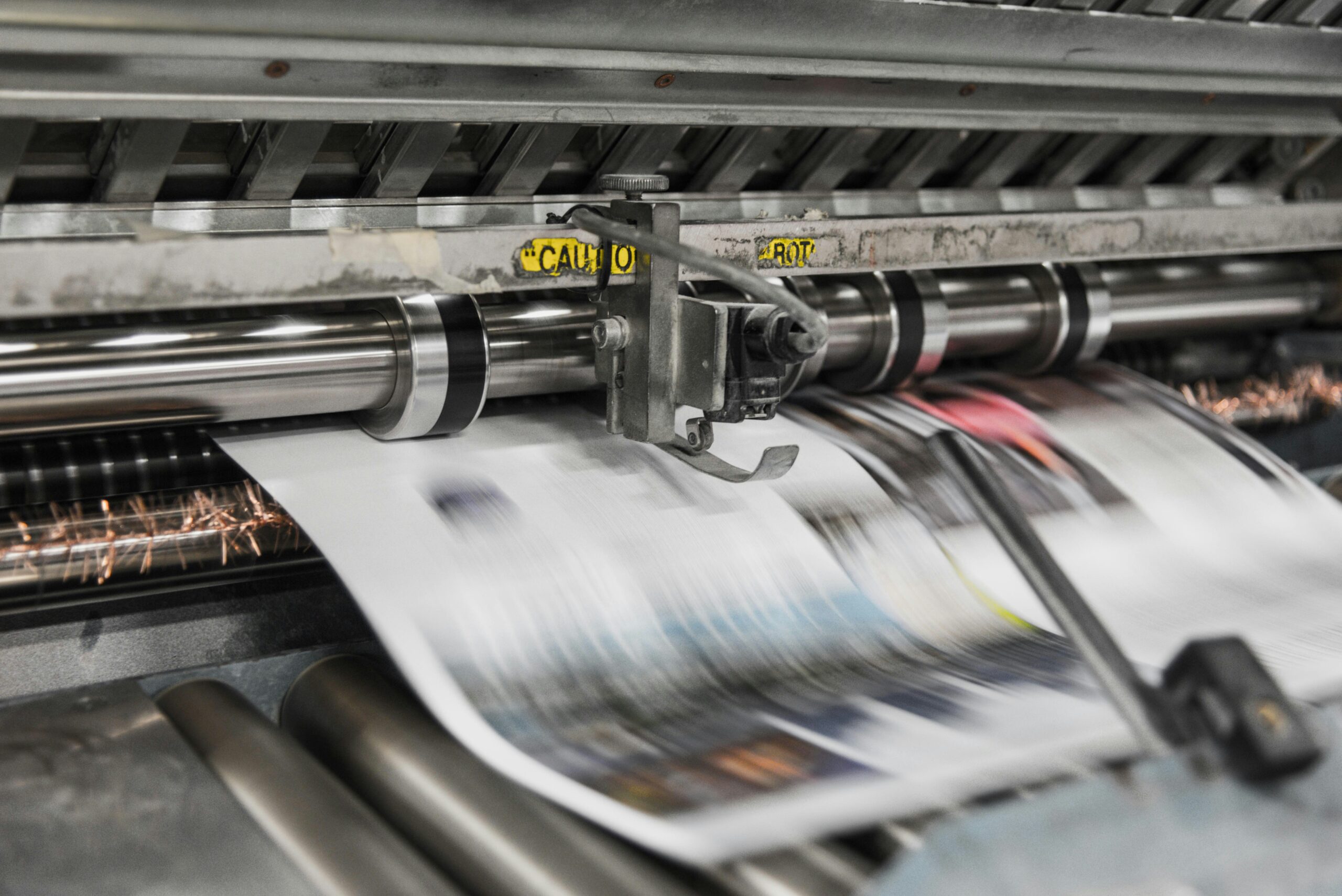

In international trade, distance is your enemy. You can have a signed contract and a perfect Golden Sample, but once mass production starts 7,000 miles away, you are effectively blind. I have seen buyers lose sleep wondering if their "matte finish" boxes are currently being printed with a gloss finish, or if the glue is being applied correctly.
The solution is not hope; it is verification. Hiring a third-party inspector is the single most effective way to bridge the distance gap. It puts your eyes on the factory floor without you getting on a plane. This guide is my protocol for managing inspections. I will explain how to integrate inspectors into your supply chain, how to coordinate them with your supplier without causing friction, and how to structure your agreement so that you aren’t paying for the factory’s mistakes.

You do not need to ask for permission; you need to state it as a requirement. In your Purchase Order (PO), include a clause stating: "Final payment is subject to a passing third-party inspection 1 report." This sets the expectation immediately that quality will be verified, not just assumed.
New buyers often worry about offending the supplier. In reality, any professional factory in China is accustomed to inspections. It is standard operating procedure for export goods. If a supplier refuses access or makes it difficult for an inspector to visit, that is a massive red flag indicating they have something to hide.
The most common inspection happens when the order is 100% produced and at least 80% packed. This is the Pre-Shipment Inspection (PSI) 2. It verifies that the final product matches the sample and that the packaging (master cartons, pallets) is ready for ocean transit. It is your final "gate" before releasing the balance payment.
For complex or high-volume packaging, I recommend a During Production Inspection (DUPRO) 3. This happens when 20-50% of the goods are made. It allows you to catch systemic issues—like a color shift on the printing press or a die-cutting error—while the machines are still running, giving the factory time to fix it without delaying the shipment.
Inspectors do not check every single box (unless you pay a fortune). They use the Acceptable Quality Limit (AQL) 4 standard (usually ISO 2859-1). You agree on a sample size (e.g., 200 units out of 5,000) and a tolerance for defects. If the number of defects exceeds the AQL limit, the entire batch fails.
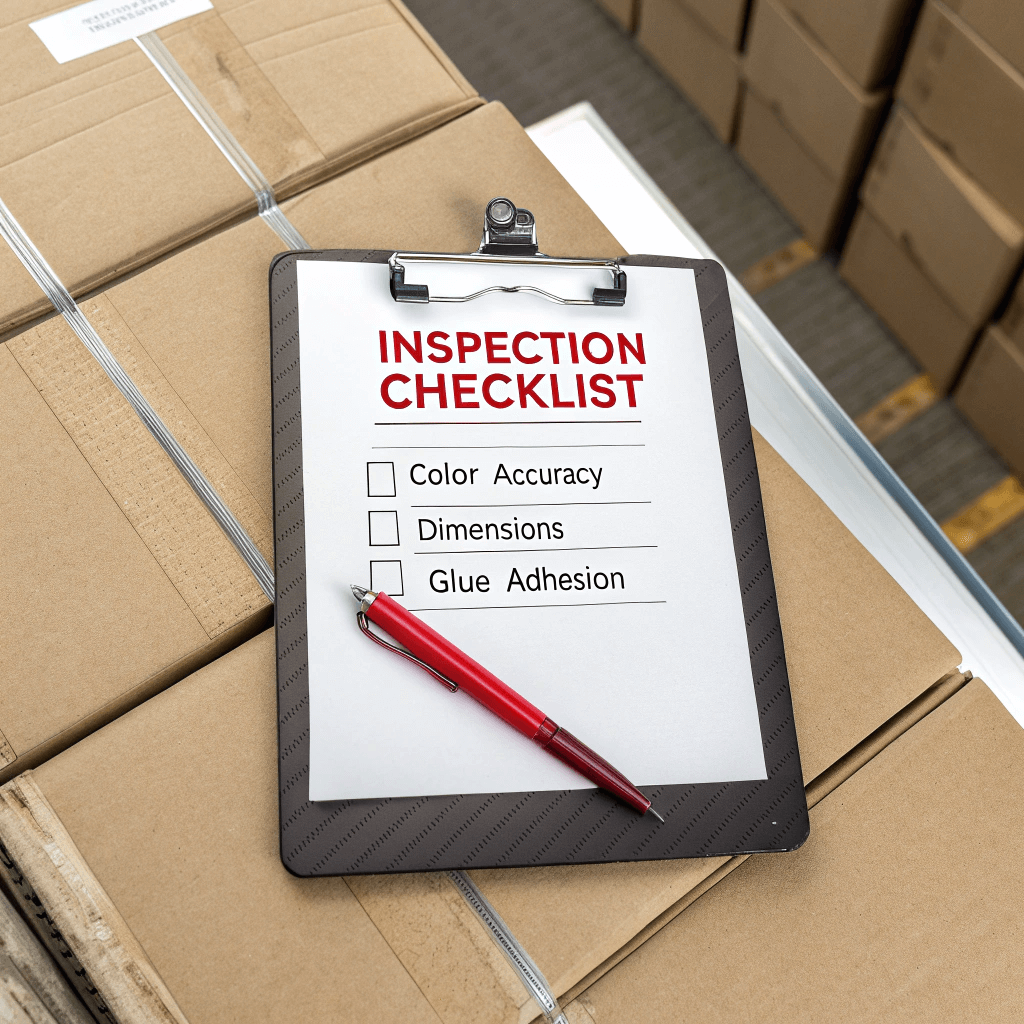
You must tell the inspector what to look for. Provide a detailed inspection checklist 5. For packaging, this includes: dimensions, color accuracy (Delta E), barcode readability, glue integrity, and "fit tests" (putting your product inside the box). Without a checklist, the inspector will only do a generic visual check.
You act as the bridge. Once you hire the agency, introduce them to your factory contact via email. Provide the factory’s address and phone number to the inspector. The inspector will then contact the factory directly to schedule the specific date. Your role is to ensure the factory knows the "Ready Date" so the inspector doesn’t arrive to an empty production line.
Standard practice is that you (the buyer) pay for the inspection service. Costs typically range from $200 to $400 per "man-day" depending on the agency. This is a cost of doing business and is your insurance policy against receiving unsellable goods.
Here is how you protect your wallet: Include a clause in your contract stating, "If the goods fail inspection due to quality defects, the Supplier is responsible for the cost of all subsequent re-inspections." This motivates the factory to pre-check the goods themselves because they know a failure will cost them money, not you.
You can hire large global firms (like SGS, Intertek, QIMA) or smaller boutique agencies. Large firms offer global standards but can be rigid and expensive. Smaller agencies often offer better flexibility and lower costs but require more vetting. Ensure they specialize in consumer goods 6 and packaging.
| Inspection Type | Timing | Purpose | Best For |
|---|---|---|---|
| PPI (Pre-Production) | Before start | Check raw materials & machinery | High-risk materials |
| DUPRO (During) | 20-50% done | Catch process errors early | Large volumes |
| PSI (Pre-Shipment) | 100% done | Final verification before payment | All orders |
| CLC (Loading Check) | At shipping | Verify carton count & loading | Full containers |
If the report comes back "FAIL," do not panic. Read the detailed remarks. Sometimes a "Fail" is triggered by minor issues, like a barcode sticker being 2mm off-center.
Hiring a third-party inspector is the ultimate power move in supply chain management. It signals to your supplier that you are a professional who demands accountability. By scheduling inspections at the right time, enforcing AQL standards, and making the factory pay for failures, you transform quality control from a guessing game into a rigorous, predictable process.
Can I hire my own inspector to check my packaging order at the factory in China?
Yes, absolutely. You can hire independent inspection agencies (like QIMA, V-Trust, or freelance inspectors) to visit the factory on your behalf. This is highly recommended for any order over $3,000.
Will my supplier allow a third-party inspection company to access the factory?
Yes. Legitimate suppliers expect this. If a supplier refuses access, it is a major warning sign that they may be outsourcing your order to a cheaper factory or hiding quality issues. Ensure you mention the inspection requirement in your initial contract.
At what stage of production is it best for me to schedule an inspection?
For most packaging orders, a Pre-Shipment Inspection (PSI) is best. This happens when the order is 100% manufactured and at least 80% packed. This ensures you are checking the final, finished product before it leaves the factory.
How do I coordinate the inspection between my agent and the third-party inspector?
You introduce them via email. Provide the inspector with the factory contact details and your Purchase Order specs. The inspector will call the factory to confirm the production status and set the appointment date. You just need to monitor the confirmation.
Who pays for the third-party inspection service?
You (the buyer) pay for the initial inspection (typically $200-$300). However, you should have a contract clause stating that if the inspection fails due to poor quality, the supplier must pay for the re-inspection.
1. Definition of third-party inspection in supply chain management. ↩︎
2. Overview of Pre-Shipment Inspection (PSI) procedures. ↩︎
3. Benefits of conducting inspections during the production phase. ↩︎
4. Guide to understanding AQL tables for sampling. ↩︎
5. Essential items to include in a packaging QC checklist. ↩︎
6. Leading quality control and compliance service providers. ↩︎
7. How to classify defects into Critical, Major, and Minor categories. ↩︎
8. Understanding the role of a corrective action plan. ↩︎
9. Cost structures for quality control services in Asia. ↩︎
10. Best practices for managing supplier quality disputes. ↩︎
You can leave any questions. We will see and answer you.