Zibo City, Shandong Province

Have Any Questions?

10 AM – 6 PM
Zibo City, Shandong Province
Have Any Questions?
10 AM – 6 PM

Have Any Questions?

The most stressful phase of importing isn’t the negotiation; it’s the silence that follows the deposit. You send the money, and suddenly, the daily emails stop. Is the factory working on your order? Are they waiting for paper? Or did they prioritize a bigger client? In my experience, this "black hole" of information is where delays fester and quality issues go unnoticed until it is too late.
Visibility is not a favor; it is a requirement. You cannot manage what you cannot see. To ensure your custom packaging arrives on time and to spec, you must establish a rigorous reporting protocol before production begins. This guide is my framework for project management. I will show you how to demand a detailed schedule, what specific evidence to ask for at each milestone, and how to use third-party eyes to verify the truth on the factory floor.

Do not accept a simple "Ready in 30 days" promise. Require a detailed timeline, preferably in the form of a Gantt chart 1. This document should break down every stage: material purchasing, printing, surface finishing, die-cutting, assembly, and packing. It gives you a baseline to measure progress against.
Set the expectation immediately: "I require a status update every Friday." This update should not be a vague "everything is fine." It should be a structured Work in Progress (WIP) 2 report stating the percentage complete for each stage. If they miss a Friday, follow up on Monday morning. Consistency keeps you top-of-mind.
Words are cheap; photos are proof. Ask for "proof of life" for your product. When the factory says "printing has started," ask for a video of the sheets coming off the press. Ensure the photos have metadata 3 or a visible date reference (like a newspaper or phone screen) to ensure they aren’t recycling old images.
The biggest delays happen here. If the paper mill is late, the whole project slides. Ask for a photo of the raw paper rolls or greyboard stacks in the warehouse with your job ticket attached. This confirms that supply chain visibility 4 extends to the raw materials.
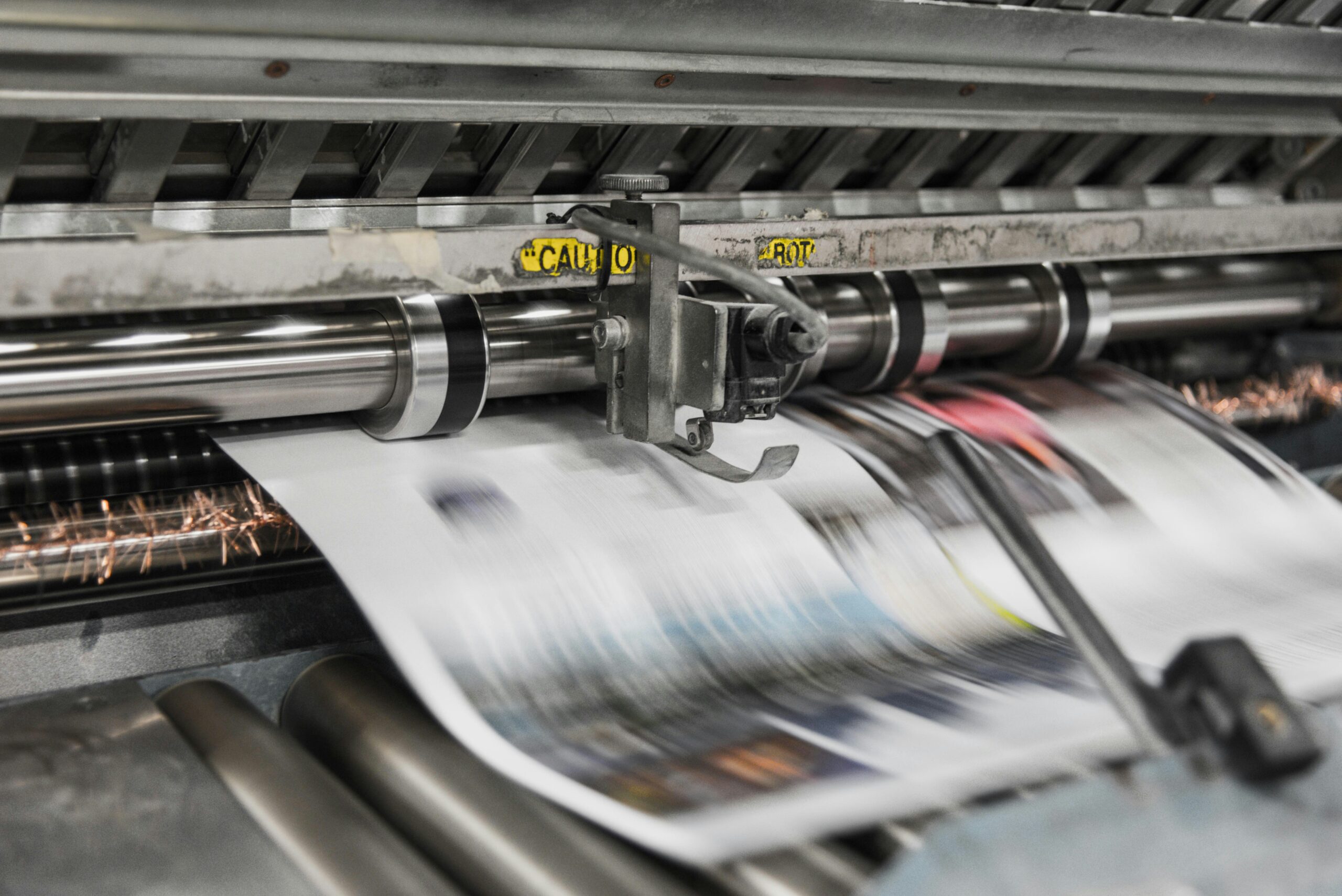
This is the point of no return. Once ink hits paper, you can’t change the design. Ask for photos of the "first sheet off" the offset press 5. Check the color bars and registration marks in the photo. If you have a high-stakes order, this is the time to send an inspector for a "Press Check."
For rigid boxes, assembly is labor-intensive. Ask for videos of the workers wrapping the boxes. This helps you gauge the speed. If you see 5 workers when there should be 50, you know they are behind schedule, regardless of what the sales rep tells you.
Professional factories conduct their own checks. Ask to see their IPQC (In-Process Quality Control) 6 sheets. These are the clipboards hanging on the machines where operators record defect rates and measurements. Seeing these raw logs gives you an unfiltered view of production health.
If you are nervous, hire a third party. A DUPRO (During Production Inspection) 7 happens when 20-50% of the goods are made. The inspector visits the factory, checks the schedule, and inspects the semi-finished goods. It is the ultimate reality check.
Email is for contracts; WeChat 8 is for speed. Most Chinese factory managers live on WeChat. Create a project group with the sales rep and the production manager. You will get faster replies, more casual photos, and real-time updates that you would never get via formal email.
Make reporting a legal obligation. In your sales contract, include a clause that requires weekly updates and photos. You can even tie the Service Level Agreement (SLA) 9 to the payment terms—e.g., "Second payment is contingent upon receipt of photographic evidence of completed printing."

| Feature | Ad-Hoc Updates (Bad) | Structured Reporting (Good) |
|---|---|---|
| Frequency | When you ask | Weekly (Scheduled) |
| Content | "Going well" | "% Complete per stage" |
| Evidence | None / Stock photos | Dated photos/videos of your goods |
| Reliability | Low | High |
| Risk | High (Surprise delays) | Low (Early warning) |
You don’t need expensive software. A shared Google Sheet or a simple Kanban board 10 (like Trello) works wonders. Create columns for "Materials," "Printing," "Assembly," and "QC." Ask your supplier to update it or move the cards. This visualizes the workflow and keeps everyone aligned on the "Definition of Done."
Knowing the status of your packaging order is about proactive management. You cannot simply launch a PO and hope for the best. By demanding a schedule, enforcing weekly visual updates, and using third-party inspectors as your eyes on the ground, you strip away the mystery. You turn the "black box" of manufacturing into a transparent process, ensuring that when the delivery date arrives, your boxes are actually on the dock, ready to ship.
Will I get a detailed production schedule with key milestones?
You should, but you usually have to ask for it. Request a "Production Timeline" that lists the dates for material arrival, printing, assembly, and packing. If they don’t provide one, create one yourself and ask them to confirm the dates.
How often can I expect to receive progress updates from my project manager?
Standard practice for a professional supplier is weekly. If you are in a rush, twice a week is acceptable. If they are going silent for more than 5 days, call them immediately.
Can I get photos or videos from the factory floor while my order is being made?
Yes. This is a reasonable request. Ask for "unfiltered" photos taken with a smartphone. You want to see the messy reality of the production line, not a staged marketing shot.
What project management tools do you use to keep my order on track?
Most suppliers use Excel internally. However, you can invite them to a shared Google Sheet or a Trello board. Even if they don’t update it directly, you can update it based on their WeChat messages to keep a record of progress.
1. History and utility of Gantt charts in project management. ↩︎
2. Understanding Work in Process (WIP) inventory accounting. ↩︎
3. How digital image metadata verifies authenticity. ↩︎
4. The importance of visibility in modern supply chains. ↩︎
5. Technical overview of the offset printing process. ↩︎
6. Principles of In-Process Quality Control (IPQC). ↩︎
7. Benefits of conducting inspections during production. ↩︎
8. How WeChat is used for business in China. ↩︎
9. Defining Service Level Agreements in outsourcing. ↩︎
10. Using Kanban boards for visual workflow management. ↩︎
You can leave any questions. We will see and answer you.