Zibo City, Shandong Province

Have Any Questions?

10 AM – 6 PM
Zibo City, Shandong Province
Have Any Questions?
10 AM – 6 PM

Have Any Questions?
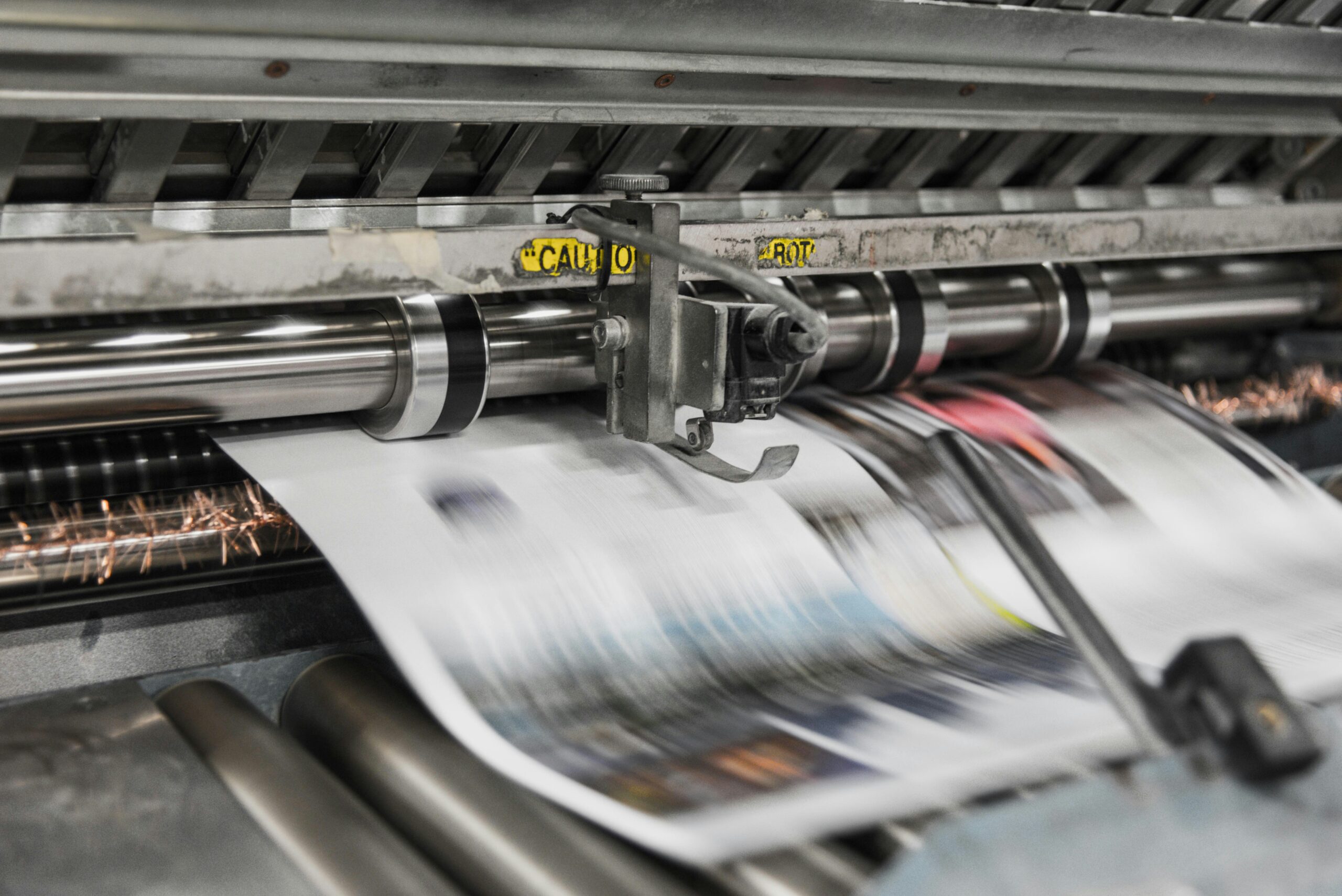

In my experience managing supply chains, the moment you sign off on a "Golden Sample" feels like the finish line. You have spent weeks tweaking the design, adjusting the color, and testing the fit. But in reality, this is just the starting gun for the main event. A common misconception is that the factory simply presses a "print" button the moment you say "yes."
The reality is a complex choreography of logistics, finance, and engineering. Between your approval and the first box rolling off the line, there is a critical gap involving material procurement, tooling creation, and production scheduling. Understanding this timeline is vital for managing your inventory and launch dates. This guide will pull back the curtain on the 10 critical steps that occur during this phase, helping you forecast your production timeline accurately and avoid the "where is my order?" panic.
Production cannot legally or technically begin until you formally approve the Golden Sample 1. You must sign and date the physical box and return it (or a duplicate) to the factory. This physical object becomes the benchmark for all quality control. Without this, the factory is flying blind.
Factories in China operate on thin margins and rarely finance your order. The Purchase Order (PO) 2 is not enough; the production clock starts ticking only when the 30% deposit hits their bank account. I always advise clients to wire the deposit immediately after sample approval to prevent losing their production slot.
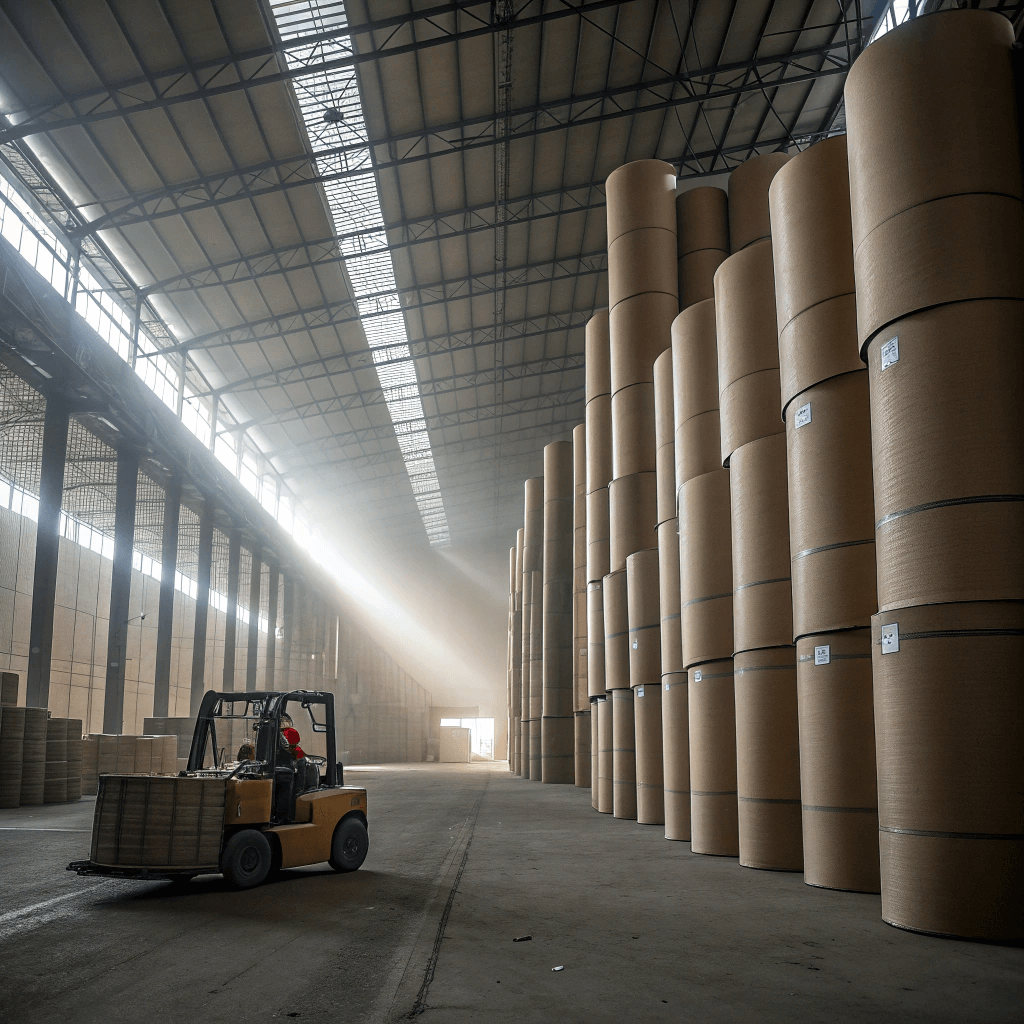
Factories do not keep warehouses full of every paper type. Once they receive your deposit, they must order the raw materials 3 (paper, greyboard, ink) from their own suppliers. For standard materials, this takes 2-4 days. For custom-dyed paper or specialty textures, it can take 10+ days. This is often the "silent delay" buyers don’t see.
Factories run on tight schedules. Your order is placed into a production queue 4. If it is peak season (like pre-Christmas or pre-CNY), you might wait a week just to get on the machine. This is why forecasting is critical; it allows you to book a slot before you even pay.
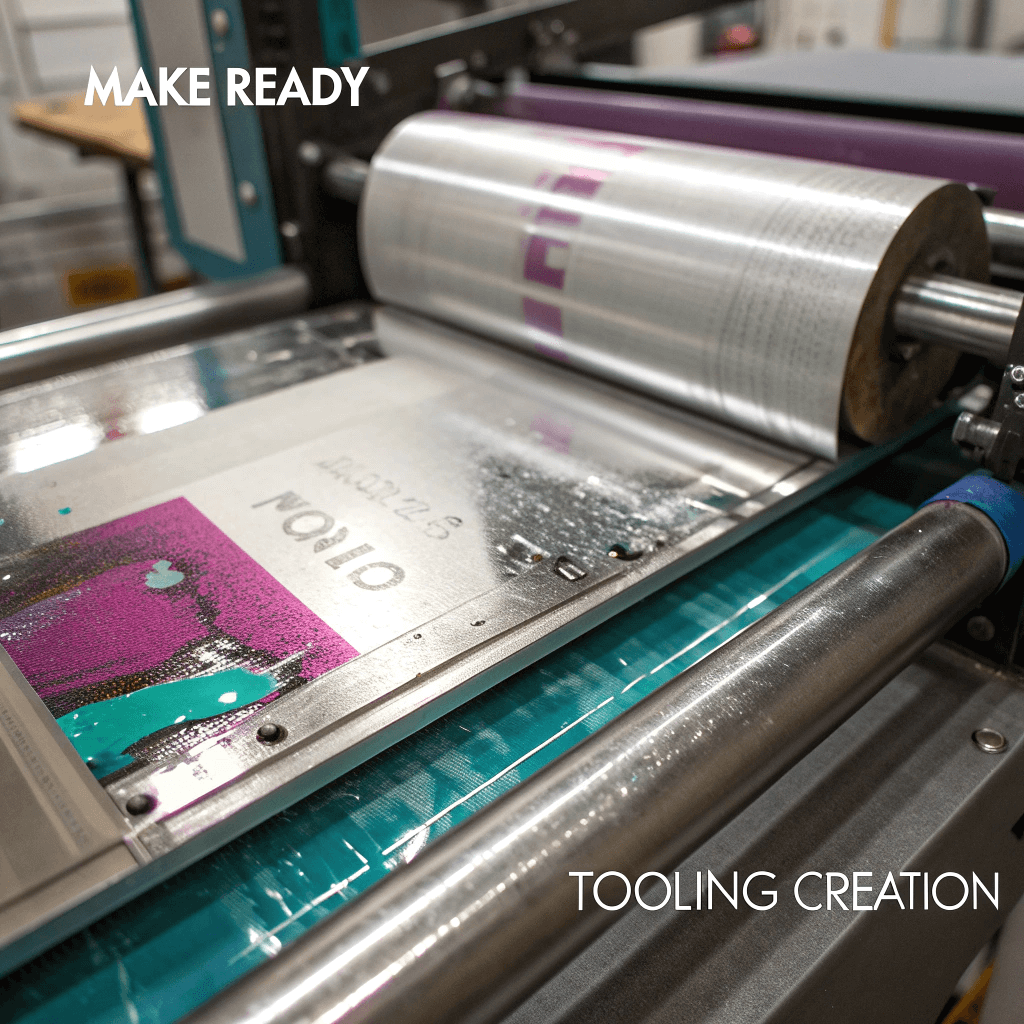
The single die used for your sample is often not durable enough for 10,000 impressions. The factory must create industrial-grade offset printing plates 5 and multi-cavity cutting dies. This tooling setup typically happens while the raw materials are being delivered.
Once materials arrive, the first step is printing. This is fast—modern presses run thousands of sheets per hour. However, surface finishes like lamination, foil stamping, or spot UV 6 require separate machine passes and drying time, adding days to the process.
After printing, the sheets are moved to the die-cutting 7 machine to be cut into the box shape. For simple folding cartons, the machine also glues and folds them automatically. This stage is highly automated and efficient.
If you are buying luxury rigid boxes, this is the bottleneck. Wrapping the paper around the greyboard is often done by manual labor 8 or semi-auto machines. It is slow and labor-intensive. A factory might produce 50,000 folding cartons in a day but only 2,000 rigid boxes.
Before shipping, the goods must be inspected. The factory performs its own QC, and you should send a third party. Then, the goods are packed into master cartons and palletized. Proper export packaging 9 takes time but is essential to prevent damage during ocean transit.
Machines break. Workers get sick. Power outages happen. I always build a "buffer" of 3-5 days into any timeline I give my stakeholders. Relying on a "best case scenario" timeline is a recipe for missed launch dates. Supply chain risk management 10 means expecting the unexpected.
| Box Type | Material Booking | Production Time | Total Lead Time |
|---|---|---|---|
| Folding Carton | 2-3 Days | 7-10 Days | 10-14 Days |
| Corrugated Mailer | 3-5 Days | 10-12 Days | 14-18 Days |
| Rigid Gift Box | 5-7 Days | 15-20 Days | 20-30 Days |
| Specialty Paper | 10-15 Days | 15-20 Days | 30-40 Days |
If you are in a rush, you can pull a few levers:
The time between sample approval and mass production is not a void; it is a busy period of procurement and setup. By understanding that Folding Cartons take ~2 weeks and Rigid Boxes take ~4 weeks, you can plan your inventory accurately. The key to speed is decisiveness: sign the sample, pay the deposit, and let the factory do what they do best.
Once I approve the final sample, how long until my bulk packaging order starts production?
Actual production (printing) usually starts 3 to 5 working days after approval. This gap is used to order raw materials, make the production molds, and schedule the machine time.
What are the next steps after I sign off on the pre-production sample?
The immediate next steps are: 1. Send the signed sample back (or confirm the factory copy). 2. Pay the 30% deposit. 3. Factory orders raw materials. 4. Factory creates mass production tooling.
Is there a delay between sample approval and the start of mass production?
Yes, typically a few days to a week. The factory cannot order bulk paper until you confirm the order (via deposit). If you use special paper that needs to be custom-made, this delay can extend to 2 weeks.
What factors, like raw material purchasing, happen during this time?
During this "quiet" time, the factory is: purchasing paper and ink, making cutting dies and print plates, scheduling workers, and clearing a slot on the printing press.
How can I ensure the factory starts my order as quickly as possible?
Pay the deposit immediately. Money is the green light. Also, ensure your artwork files are 100% final and correct to avoid last-minute "pre-press" holds.
1. The definition and importance of a Golden Sample in QC. ↩︎
2. How the Purchase Order process triggers manufacturing. ↩︎
3. Strategies for managing raw material inventory. ↩︎
4. Understanding how factories schedule production runs. ↩︎
5. The technical process of creating offset printing plates. ↩︎
6. Definition of Spot UV and its production requirements. ↩︎
7. The die-cutting process explained for packaging. ↩︎
8. The role of manual labor in modern manufacturing. ↩︎
9. Guidelines for proper export packaging to prevent damage. ↩︎
10. Principles of mitigating risk in the supply chain. ↩︎
You can leave any questions. We will see and answer you.