Zibo City, Shandong Province

Have Any Questions?

10 AM – 6 PM
Zibo City, Shandong Province
Have Any Questions?
10 AM – 6 PM

Have Any Questions?

Paper bags! We see them everywhere, from grocery stores to gift shops. But have you ever stopped to think about how versatile and important they are? This article explores everything about paper bags, from their history and different types to their eco-friendly benefits and creative uses. Whether you’re a business owner looking for sustainable packaging or just curious about this everyday item, this guide is for you. It’s packed with practical information, like how paper bags are made and where to find the best ones. Plus, we’ll explore why they’re so much more than just a container – they’re a statement about caring for our planet. So, let’s unfold the story of the paper bag!
A paper bag is a simple but brilliant invention – it’s a container made of paper, designed to hold and carry things. Think about the brown bag from the grocery store, the colorful bag from a boutique, or even the lunch bag you used in school. These are all examples of how versatile paper bags can be. Paper bags come in all shapes, sizes, and colors. They can be plain or printed with designs, logos, or messages. Some have handles, some don’t. Some are made for holding heavy groceries, while others are perfect for small gifts. No matter the type, a paper bag is a convenient and often eco-friendly way to carry almost anything.
Paper bags have been around for a long time, evolving from simple folded sheets of paper to the sturdy and stylish bags we see today. They’re a testament to human ingenuity – a practical solution to a common need. Whether you’re carrying groceries, packing a lunch, or wrapping a gift, the humble paper bag is there to help.
Paper bags offer several advantages over other packaging options, making them a popular choice for businesses and individuals. First, they’re often made from recycled materials, which is great for the environment. We all want to do our part to protect our planet, and choosing paper bags is a simple way to make a difference. Second, paper bags are biodegradable, meaning they break down naturally without harming the environment. Unlike plastic bags that can linger in landfills for hundreds of years, paper bags decompose, returning to the earth.
Third, paper bags are strong and durable enough to carry a variety of items, from groceries to books and clothes. They’re designed to handle a reasonable amount of weight and can be reinforced for heavier loads. Think about those grocery bags filled with fruits, vegetables, and cans – they can handle a lot! Lastly, paper bags can be easily customized with printing, making them a great way to promote your brand or add a personal touch. You can print your logo, a special message, or a beautiful design on the bag, making it a walking advertisement or a thoughtful gift wrap.
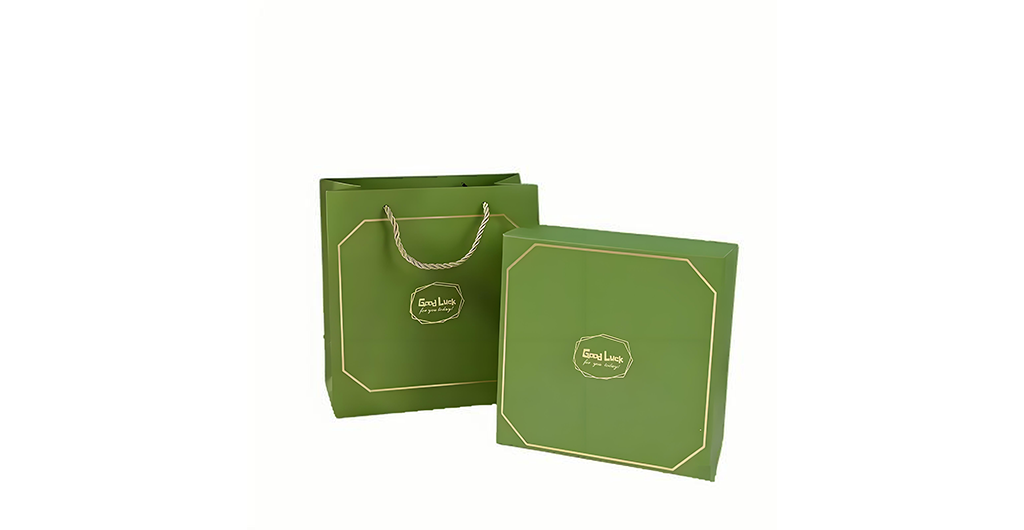
There’s a surprising variety of paper bags to choose from, each designed for a specific purpose. Grocery bags are the workhorses of the paper bag world, designed to carry heavy loads. They’re typically brown or white and come in various sizes. Shopping bags, often found in retail stores, are designed with style and branding in mind. They come in various colors and can be printed with logos, designs, and promotional messages. Gift bags add a touch of elegance and celebration to presents. They often feature bright colors, patterns, or special finishes.
Lunch bags are smaller and designed to hold a packed lunch. They sometimes have special insulation to keep food fresh. Bakery bags, like those used for bread and pastries, are designed to keep baked goods fresh. Party bags, also known as favor bags, are small and often used to hold treats or small gifts at parties and celebrations. The different types of paper bags show how adaptable and useful they are!
The strength and durability of a paper bag depend on several factors. The type of paper used plays a crucial role. Kraft paper, for example, is a strong and durable paper made from wood pulp. It’s known for its resistance to tearing and bursting, making it ideal for grocery bags and other heavy-duty applications. The weight or thickness of the paper is also important. A heavier paper grammage (gsm) generally indicates a stronger and more durable bag. Think of it like choosing a thicker piece of cardboard – it’s going to be sturdier. Bags made with a higher gsm can hold more weight without tearing.
The construction of the bag also matters. The way the bag is glued and folded affects its strength. Reinforced bottoms and handles add extra support for heavier items. Some bags even have twisted handles for extra comfort and strength. Finally, the presence of any coatings or laminations can enhance durability. Some paper bags are coated with a thin layer of plastic or wax to improve water resistance and prevent tearing. This is especially useful for bags used in environments where they might get wet, like grocery bags or outdoor event bags.
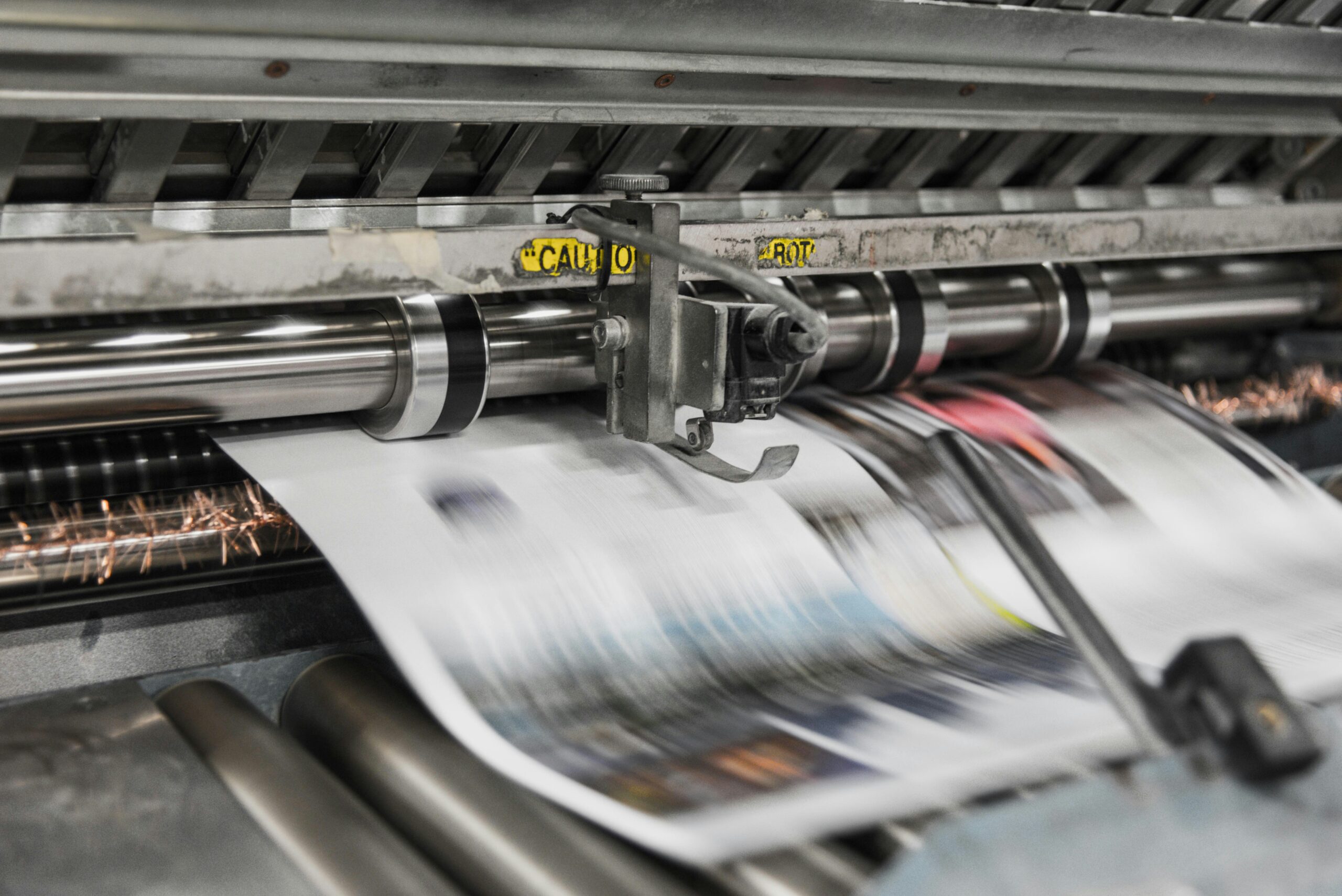
Making a paper bag is a fascinating process that involves several steps. First, large rolls of paper are fed into a machine that cuts the paper into sheets of the desired size. These sheets will eventually become the sides and bottom of the bag. Next, these sheets are printed with any design or branding elements. This is where the bag gets its personality, whether it’s a simple logo or a colorful pattern. Then, the printed sheets are folded and glued together to form the shape of the bag. This process involves precise folding and secure gluing to create a sturdy structure. Think of it like origami, but with paper and glue!
For bags with handles, holes are punched, and the handles are attached. Handles can be made from twisted paper, rope, or other materials. Finally, the finished bags are inspected for quality control to ensure they meet the required standards. This ensures that the bags are strong, well-made, and ready to be used. It’s a fascinating process that blends precision and efficiency, turning simple rolls of paper into the bags we use every day.
Customizing your paper bags is a great way to make them stand out and reflect your brand or personal style. Printing offers endless possibilities. You can add your logo, a special message, a beautiful design, or even a photograph. High-quality printing can transform a plain paper bag into a powerful marketing tool or a memorable gift presentation. Think of it as a blank canvas waiting for your creative touch! You can also play with colors. Choose a bag color that aligns with your brand colors or reflects the occasion. Bright and bold colors can attract attention, while subtle and earthy tones can create a more sophisticated look.
Using different types of paper can also add a unique touch. Kraft paper provides a natural and rustic feel, while coated or glossy paper adds a touch of elegance. You can even choose textured papers for a tactile experience. Adding embellishments like ribbons, bows, or tags can elevate your paper bags. A simple ribbon tied around the handle can make a big difference. You can also add personalized tags with handwritten messages for a special touch. Finally, choosing a unique size or shape can make your bags stand out. Consider using tall, narrow bags, or bags with unusual shapes, like those with scalloped tops or die-cut handles.
Paper bags come in a vast array of sizes and shapes to accommodate different needs. Small paper bags are perfect for party favors, small gifts, or jewelry. Medium-sized bags are commonly used for retail purchases, lunches, or baked goods. Large paper bags are the workhorses of the grocery store, perfect for carrying heavy loads. You can find paper bags in various shapes too! The classic rectangular or square bag is the most common, but you can also find tall and narrow bags, bags with a gusset or pleated bottom for extra capacity, and even bags with unusual shapes like those with scalloped tops or curved sides. Some bags are designed for specific purposes, like bottle bags with dividers to securely hold wine bottles or bakery bags with a flat bottom for pastries. The wide range of sizes and shapes ensures there’s a paper bag for almost every purpose!
You can find pre-made bags in standard sizes, or you can work with a manufacturer to create custom sizes to perfectly fit your product. This allows you to tailor your packaging to your specific needs, whether you need a small bag for a delicate item or a large bag for a bulky product.
To illustrate the variety of sizes, here’s a simple table:
| Size Category | Typical Dimensions (inches) | Common Uses |
| Small | 4×6, 5×7, 6×9 | Party favors, gifts |
| Medium | 8×10, 10×12, 12×15 | Retail, lunches |
| Large | 13×15, 15×18, 18×20 | Groceries |
Paper bags are generally considered a more sustainable choice than plastic bags. They are made from a renewable resource – trees – and are often made with recycled content. This helps reduce the demand for virgin wood pulp and lessens the impact on forests. Furthermore, paper bags are biodegradable, meaning they naturally decompose in the environment, unlike plastic bags that can persist for hundreds of years. This helps reduce landfill waste and prevents plastic pollution. However, it’s important to note that the environmental impact of paper bag production can vary depending on factors like the sourcing of the paper, the manufacturing process, and the transportation distance.
Look for bags made from sustainably sourced paper, such as paper certified by the Forest Stewardship Council (FSC). This certification ensures that the paper comes from responsibly managed forests that protect biodiversity and the rights of local communities. Also, consider the manufacturing process. Some manufacturers use eco-friendly practices, like using renewable energy and minimizing water usage. Supporting these manufacturers can help reduce the environmental footprint of your packaging. Finally, recycle your paper bags after use. This closes the loop and helps conserve resources.
Paper bags are incredibly versatile and can be used for much more than just carrying groceries or gifts. They are a crafter’s dream! Use them to create gift wrap, book covers, wall art, or even paper mache projects. Their sturdy construction and blank canvas make them perfect for various craft projects. In the kitchen, paper bags can be used to store produce, line bread baskets, or even cook food! They’re great for storing mushrooms to keep them fresh or lining a bowl for rising bread dough. You can even cook fish or chicken in a paper bag in the oven for a moist and flavorful meal.
Around the house, paper bags can be used for organizing, storing small items, or even as dust covers for shoes or handbags. They’re also great for collecting recyclables. In the garden, paper bags can be used as weed barriers or to collect leaves and yard waste. They are an economical and environmentally friendly alternative to plastic bags for a variety of household tasks. So, let your creativity flow and discover the many surprising uses of paper bags!
Finding the right paper bags for your needs is easy, thanks to a variety of online and offline retailers. Online marketplaces like Amazon and eBay offer a vast selection of paper bags in various sizes, styles, and colors. You can compare prices, read reviews, and find the perfect bags from the comfort of your home. For larger orders or custom-printed bags, consider contacting packaging suppliers or wholesalers directly. They can offer competitive pricing and help you design custom bags that reflect your brand.
Local packaging stores or retail supply stores often carry a selection of standard paper bags, perfect for small businesses or personal use. If you’re looking for unique or handcrafted paper bags, check out craft stores or online marketplaces like Etsy. You can often find beautifully designed bags made by independent artists and small businesses. No matter your needs, there’s a source for quality paper bags waiting to be discovered!
What they are: Simple, versatile containers made from paper.
Why choose them: Eco-friendly, biodegradable, strong, customizable.
Different types: Grocery bags, shopping bags, gift bags, and more.
Strength and durability: Depend on paper type, weight, construction, and coatings.
How they’re made: From paper rolls, through printing, folding, gluing, and handle attachment.
Customization: Printing, colors, paper types, and embellishments.
Sizes and shapes: A wide variety to suit every need.
Environmental impact: Generally eco-friendly, but consider sourcing and manufacturing.
Creative uses: Crafts, cooking, organizing, and more.
Where to buy: Online marketplaces, packaging suppliers, retail stores, and craft stores.
By understanding the qualities and benefits of paper bags, you can make informed choices about your packaging and contribute to a more sustainable future.
You can leave any questions. We will see and answer you.