Zibo City, Shandong Province

Have Any Questions?

10 AM – 6 PM
Zibo City, Shandong Province
Have Any Questions?
10 AM – 6 PM

Have Any Questions?
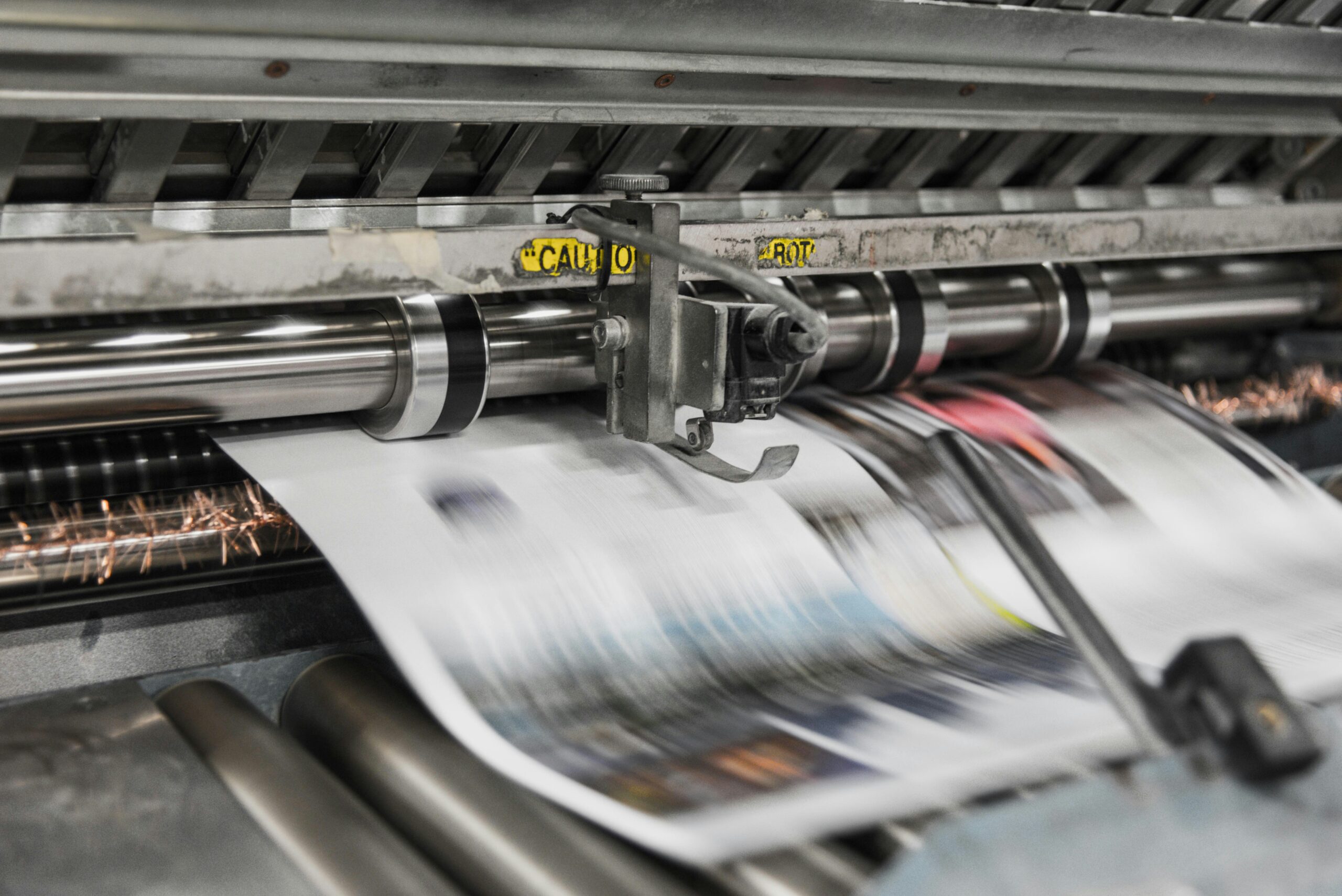

In my experience helping brands source from China, I’ve learned that the structural design of a box is only half the battle. The true emotional connection—the "premium feel" that justifies a higher price point—comes from the finish. When a customer picks up your product, the texture and light reflection immediately signal quality (or a lack thereof). I often see brands invest heavily in artwork only to choose a cheap varnish that leaves the packaging looking flat and easily scratched.
This guide is designed to navigate you through the vast array of custom packaging finishes. From the understated elegance of matte lamination to the high-impact shine of foil stamping, I will break down the top 10 options. We’ll look at durability, cost implications, and how to combine these techniques to create a packaging experience that your customers won’t want to throw away.
For a sophisticated, modern look, matte lamination is my top recommendation. It involves applying a thin plastic film over the printed paper. Unlike a varnish, lamination adds structural strength and water resistance. It creates a muted, non-reflective surface that makes text easier to read and feels smooth to the touch.
If you want your colors to pop off the shelf, gloss lamination is the answer. This finish reflects light, making colors appear more vibrant and rich. It is highly durable and repels dust and dirt better than matte finishes, making it a practical choice for items that sit on retail shelves for extended periods.
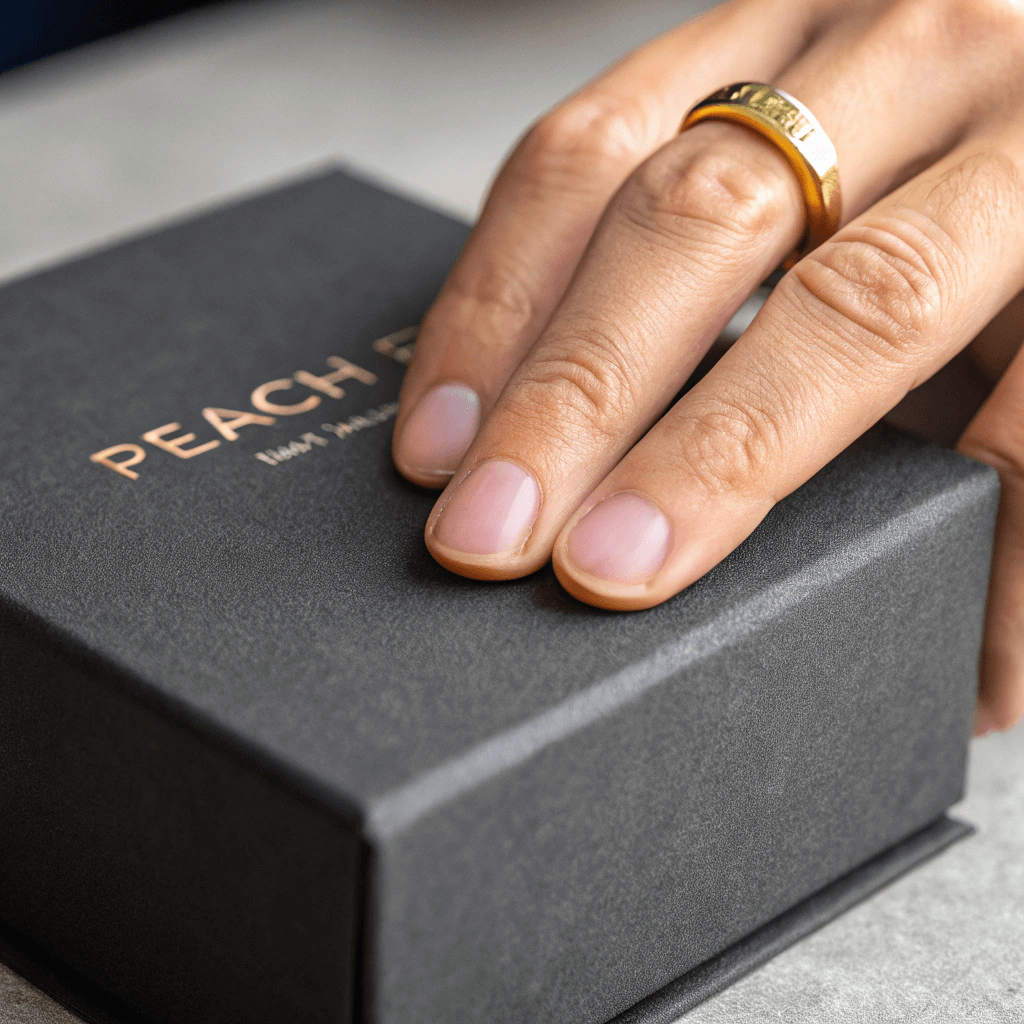
To elevate the tactile experience, soft touch lamination is the gold standard. Also known as "velvet" lamination, it creates a surface that feels like peach skin or short-nap velvet. In my opinion, this is the single most effective way to communicate "luxury" before the customer even opens the box.
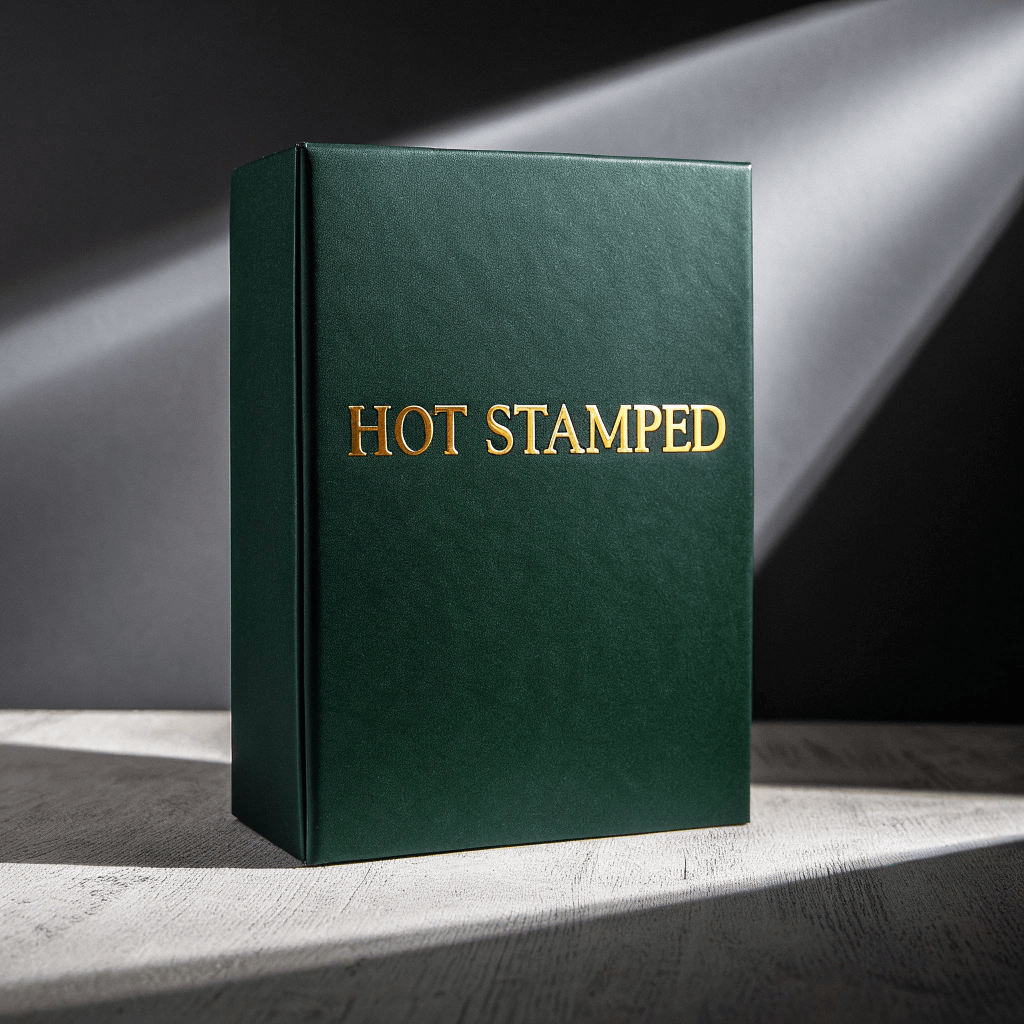
When you need a metallic shine that ink cannot replicate, foil stamping is the solution. This process uses heat and pressure to transfer a thin layer of metallic foil (gold, silver, copper, holographic) onto the paper. It catches the light beautifully and is perfect for logos or key details.
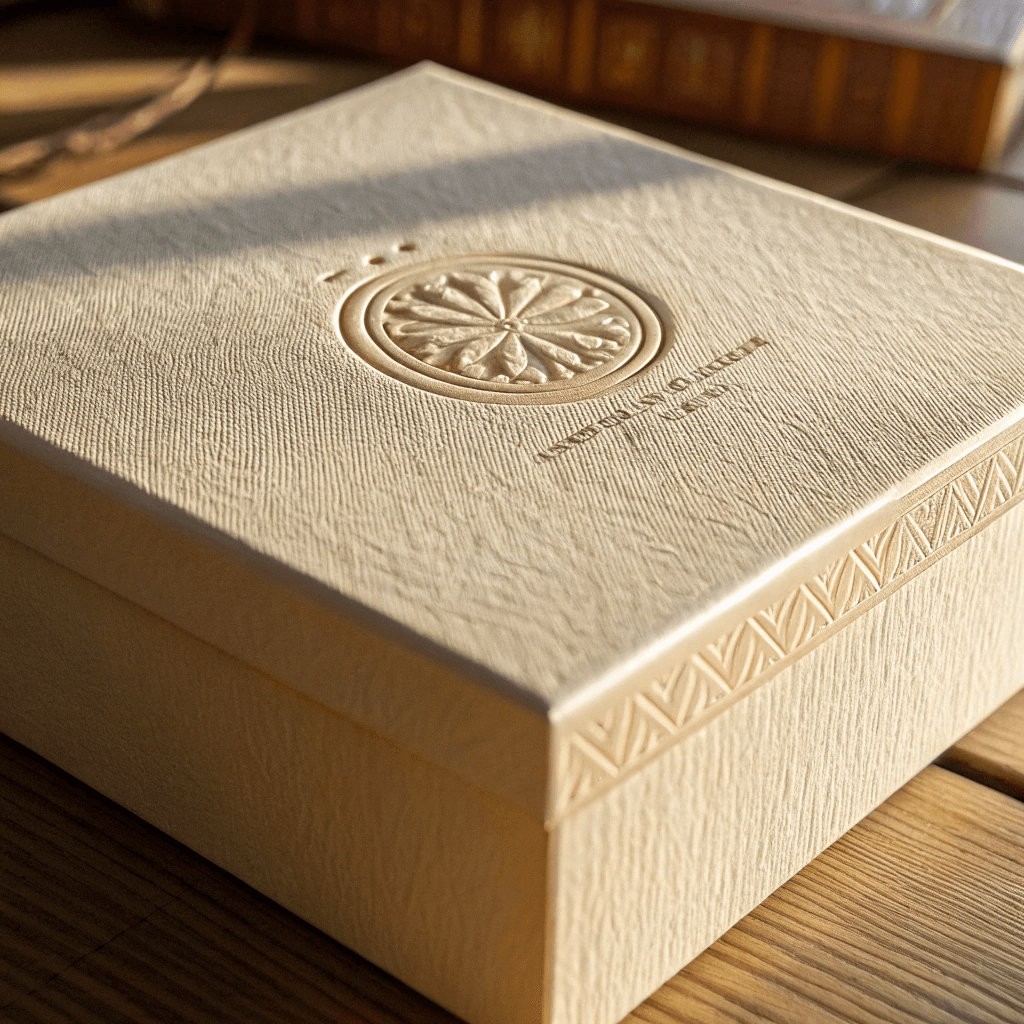
Adding dimension to your packaging changes how it interacts with light and shadow. Embossing raises the paper surface to create a 3D relief, while debossing presses the design inward. I love using "blind embossing" (embossing without ink) for a subtle, sophisticated texture.
Spot UV is one of my favorite techniques for creating contrast. It involves applying a clear, high-gloss ultraviolet coating to specific areas of a matte box. The contrast between the matte background and the glossy highlight draws the eye instantly to the treated area, usually the logo or product image.
Standard matte lamination has one downside: it can show scuffs during shipping. To solve this, I recommend anti-scratch coating. This specialized film is extremely resistant to abrasion, ensuring your matte black box arrives at the customer’s door looking pristine, not scuffed.
For eco-conscious brands, aqueous coating is a fantastic option. It is a water-based clear coating that dries quickly and is fully recyclable. While it doesn’t offer the heavy-duty protection of lamination, it prevents ink smudging and adds a subtle sheen at a very low cost.
Unlike foil, which sits on top of the paper, metallic inks contain metal particles that are printed like standard ink. Pearlescent inks add a shimmering, iridescent effect. These are subtle and sophisticated, perfect for backgrounds or large areas where foil would be too overwhelming (and expensive).
To truly differentiate, you can imprint textures directly onto the paper. Using a calendering machine, suppliers can press linen, leather, or wood grain patterns into the paperboard. This turns a standard folding carton into something that feels like a handmade material.
| Finish Type | Visual Impact | Durability | Relative Cost | Eco-Friendliness |
|---|---|---|---|---|
| Matte Lamination | Elegant, Soft | High | Medium | Low (Plastic) |
| Gloss Lamination | Vibrant, Shiny | Very High | Low-Medium | Low (Plastic) |
| Soft Touch | Premium, Velvet | Medium | High | Low (Plastic) |
| Foil Stamping | High Luxury | Medium | High | Medium |
| Spot UV | High Contrast | Medium | Medium | Medium |
| Aqueous Coating | Subtle Sheen | Low | Low | High |
When importing from China to the US, your packaging faces a brutal journey: vibration, humidity, and stacking pressure. While I love the look of Soft Touch, it is prone to showing fingerprints and oil stains. For direct-to-consumer shipping boxes, Anti-Scratch Matte Lamination is the most durable option that retains a premium look. If you are on a tight budget, standard Gloss Lamination is the toughest armor against dirt and scuffs.
Regarding costs, specialized finishes like Foil Stamping and Embossing require custom dies (tooling). This means you pay a setup fee. Therefore, these finishes are more cost-effective on larger orders (1,000+ units) where the tooling cost is amortized. For small runs (under 500), digital foil or simple Spot UV is often more economical.
Selecting the right custom packaging finish is about balancing aesthetics, durability, and budget. It is the final layer of design that speaks directly to your customer’s senses. Whether you choose the protective shine of gloss lamination or the tactile luxury of blind embossing, ensure your supplier provides a physical proof before mass production. By understanding the strengths and weaknesses of each option, you can create packaging that survives the shipping journey and delivers a memorable brand experience upon arrival.
What is the difference between a matte and gloss lamination finish?
Matte lamination diffuses light, creating a smooth, non-reflective, and elegant look that softens colors. Gloss lamination reflects light, making colors appear more vibrant, sharp, and punchy, with a shiny surface that repels dirt well.
How much extra does it cost to add foil stamping or UV coating to my boxes?
Costs vary by surface area and complexity. Generally, adding foil stamping or Spot UV will increase the per-unit cost by $0.10 to $0.50 depending on volume, plus a one-time tooling fee for the foil die or UV screen (usually $100-$300).
Can I get a sample showing the different finish options before I decide?
Yes. Most suppliers have "sample kits" containing pre-made boxes with various finishes (foil, matte, soft touch) that they can send you. I highly recommend getting this to feel the textures before you commit to a specific finish for your own design.
Can I combine multiple finishes like spot UV and embossing on one box?
Absolutely. Combining finishes is a great way to create depth. A popular combination is matte lamination with Spot UV over the logo, or foil stamping combined with embossing (creating a 3D metallic effect). Just be aware that each process adds a production step and cost.
You can leave any questions. We will see and answer you.